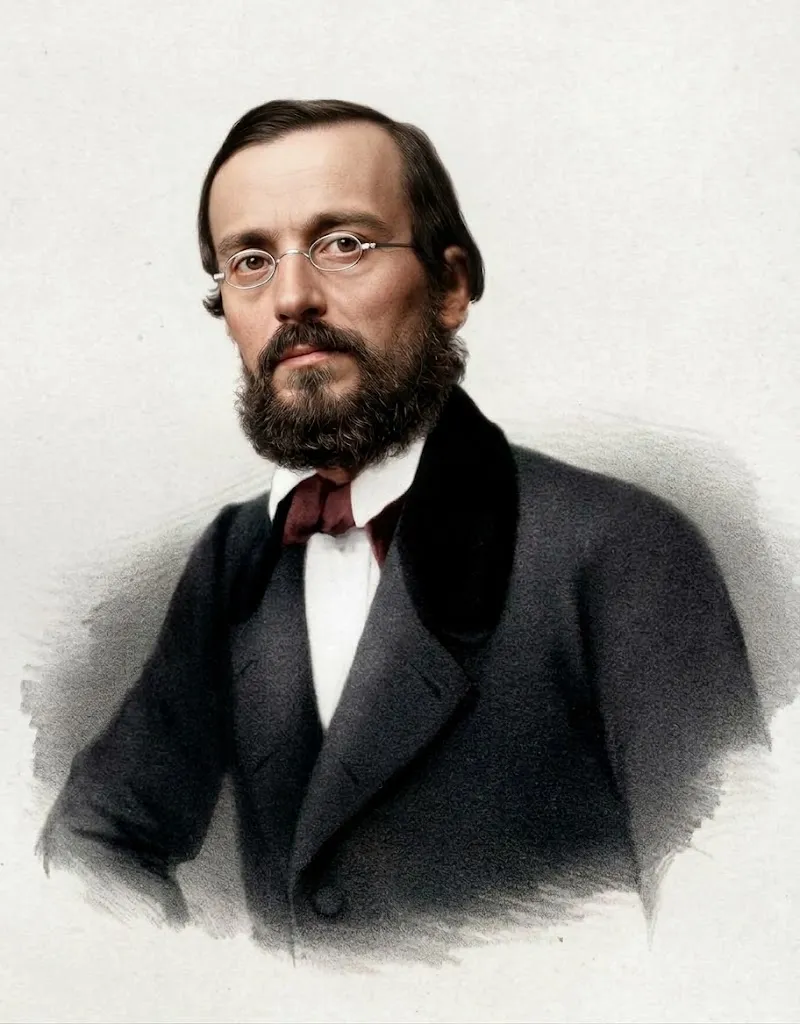
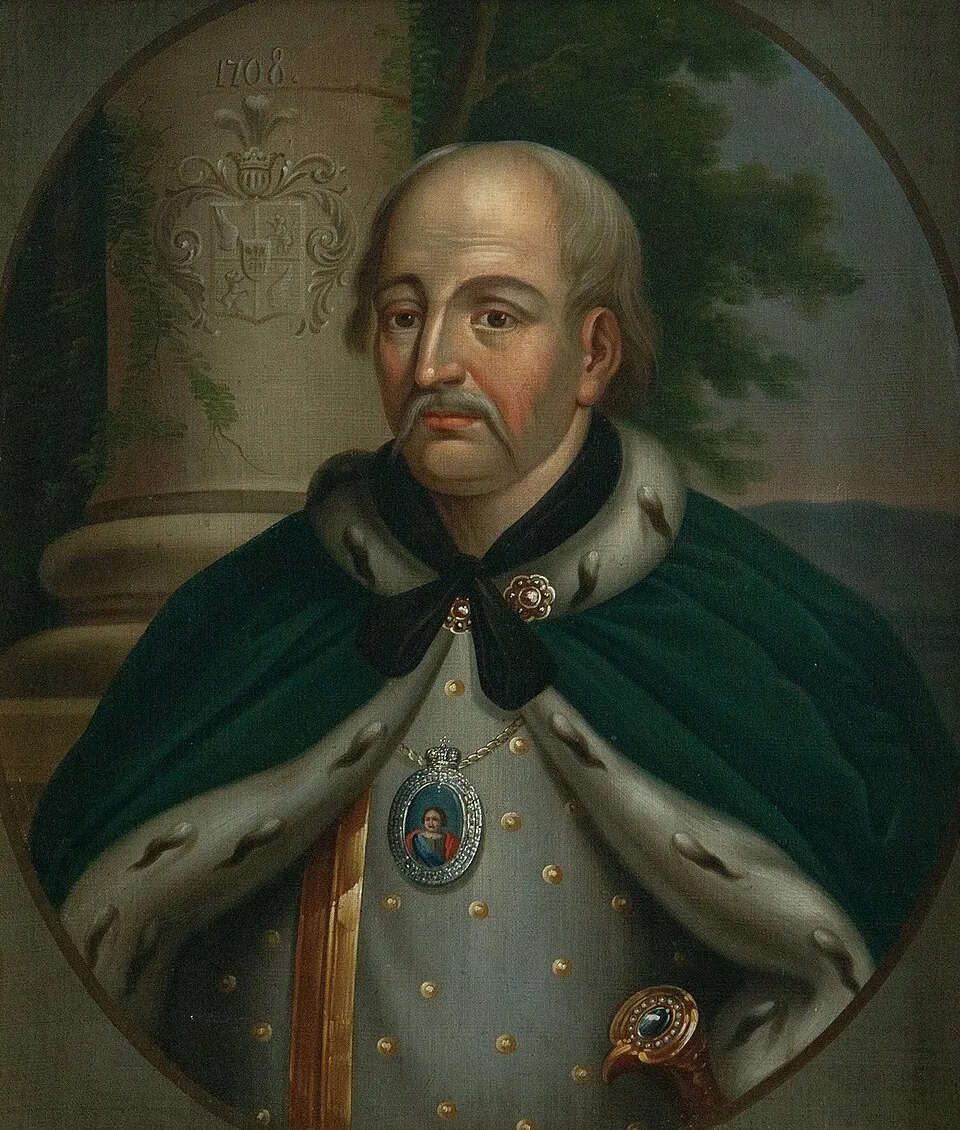
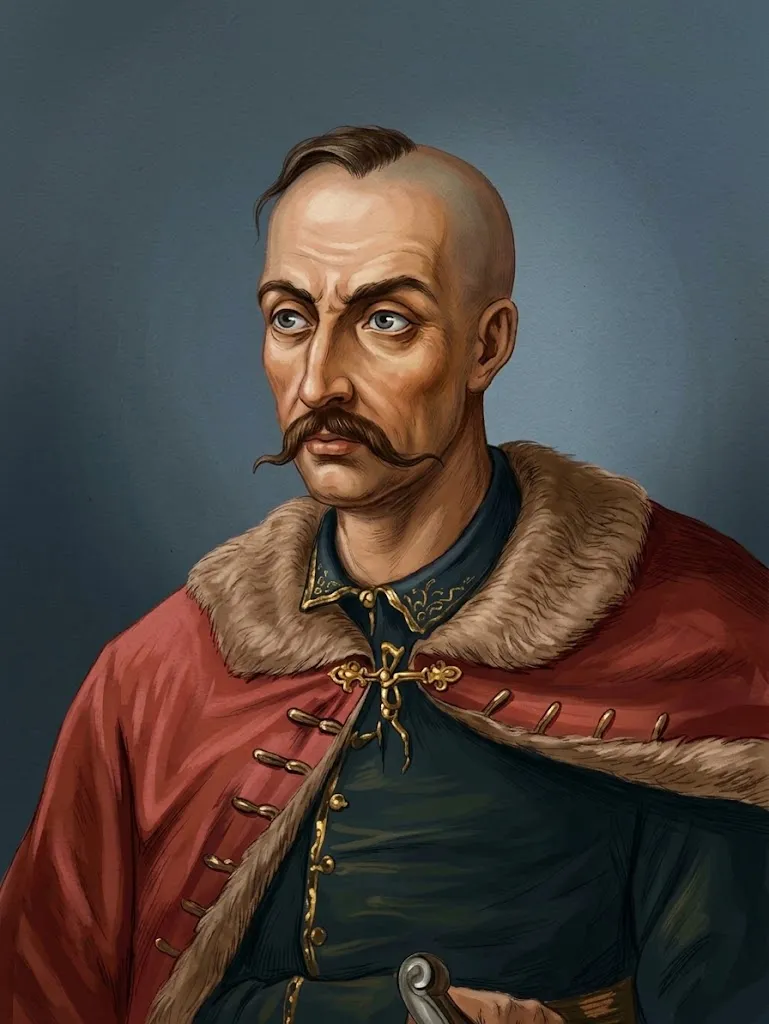
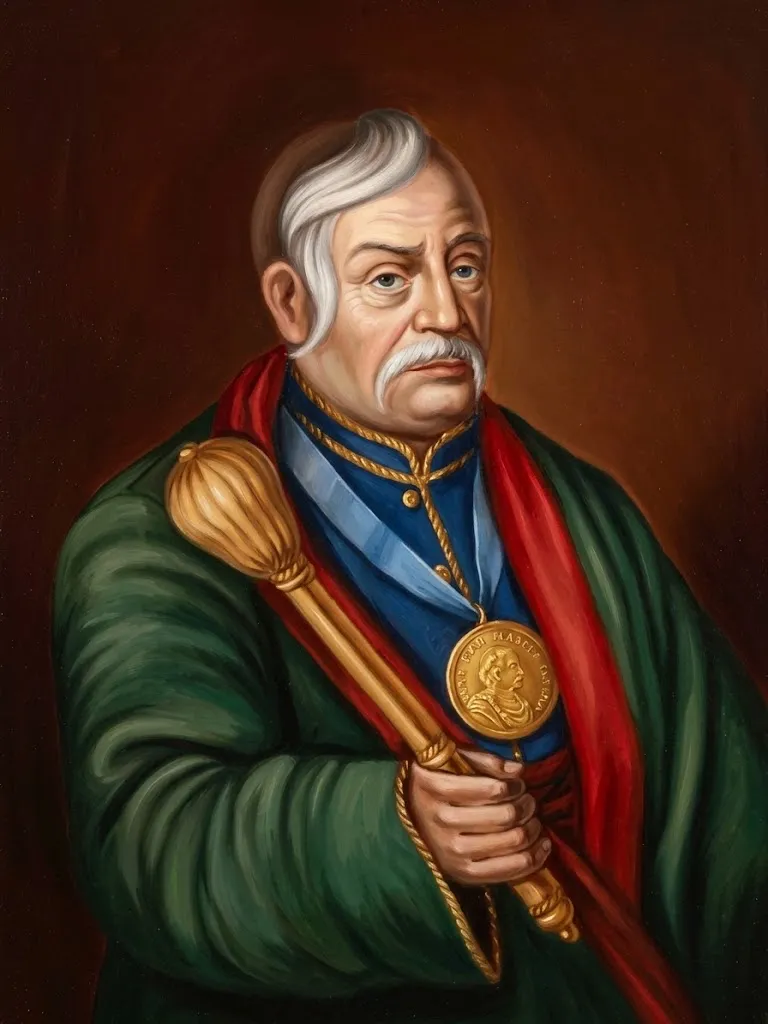
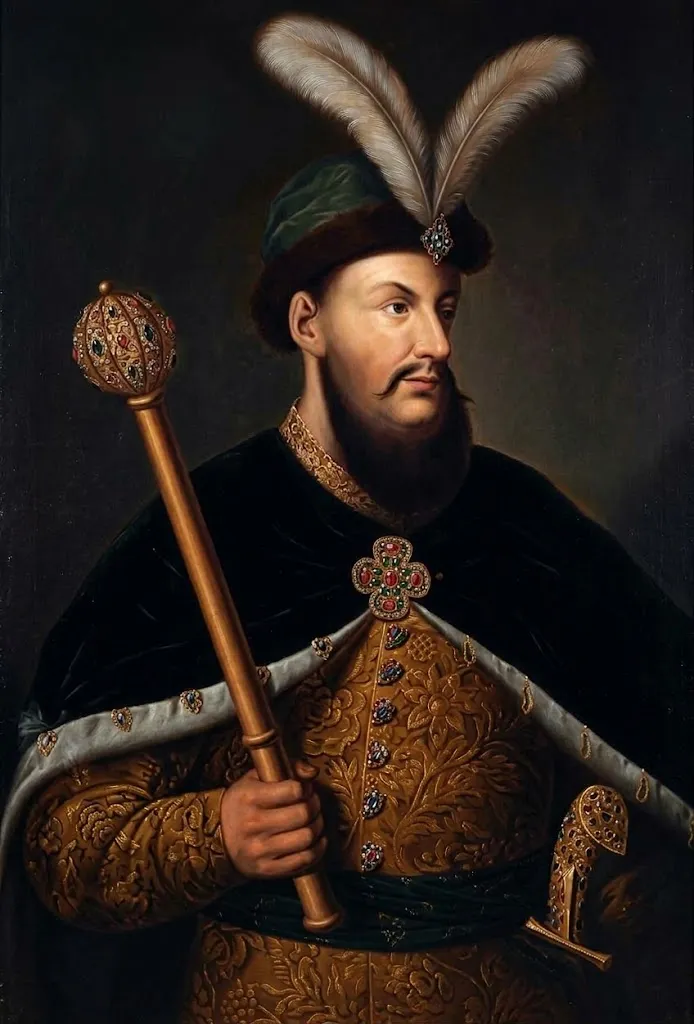
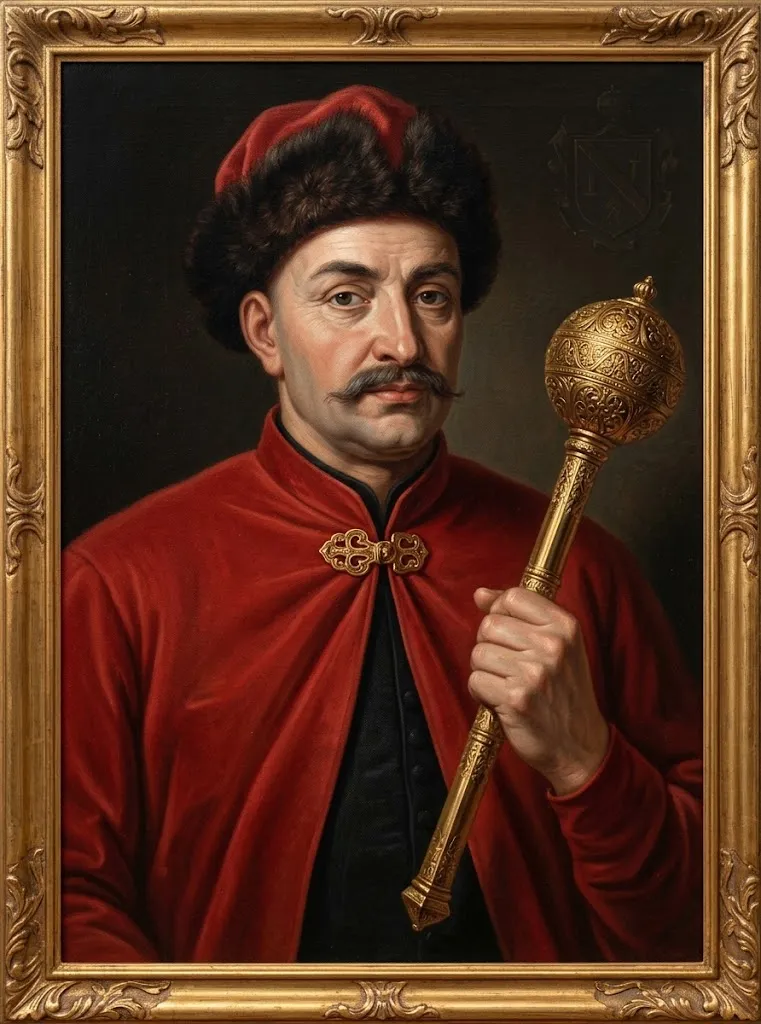
Pavlo Polubotok
Acting hetman, defender of autonomy
He is remembered for a legend about barrels of gold in a London bank, but the real story differs. Pavlo Polubotok, acting hetman of Left-Bank Ukraine, pressed Peter I for the right to elect a hetman and, despite the tsar’s ban, to close the Little Russian Collegium.
Key accomplishments
- Colonel of Chernihiv from 1705 (other sources say 1706) to 1722
- Acting hetman of Left-Bank Ukraine (1722–1724)
- Opposed the Little Russian Collegium and pressed Peter I to allow a hetman election
- Reformed the courts of the Hetmanate
- Compiled a short chronicle of events from 1452 to 1715
The treasure that never was
Pavlo Polubotok is often remembered for gold he supposedly hid in an English bank for a future free Ukraine. No one has ever found it. But there was something in his life he really did risk everything for: the right of Ukrainians to choose their own hetman.
A road kept closed
A treason case in which nothing was ever proven kept Pavlo Polubotok out of senior posts for years. He was born around 1660 into a wealthy family of Cossack officers in the Chernihiv lands. He studied at the Kyiv-Mohyla Academy and served under the patronage of Hetman Ivan Samoilovych. When Samoilovych was overthrown, Polubotok and his father fell out of favour with the new hetman, Ivan Mazepa: in 1692 Pavlo was drawn into the investigation. Meanwhile the Polubotoks built glassworks and potash works on their lands, and business went so well that Cossacks from Pereiaslav complained to Mazepa that for potash Polubotok would not spare even old graveyards. Only in 1705 (other sources say 1706) did he become colonel of Chernihiv.
The candidate the tsar didn’t want
When Mazepa went over to the Swedish king in 1708, Polubotok did not follow him. At the council in Hlukhiv he was one of the main candidates for hetman, but Tsar Peter I doubted his loyalty, and Ivan Skoropadskyi was chosen instead. Polubotok was given large estates instead, among them Liubech and lands that had belonged to Mazepa himself and to Pylyp Orlyk; he built villages, traded abroad and became one of the richest officers of Left-Bank Ukraine.
An acting hetman against the Collegium
On the tsar’s orders, Polubotok led 10,000 Cossacks north in 1721 to dig the Ladoga Canal in russia. After Skoropadskyi died in the summer of 1722, the officers elected him acting hetman until a new election. That same year Peter I set up the Little Russian Collegium, whose russian officials took over the running of the Hetmanate. Polubotok reformed the courts, quietly blocked the Collegium’s orders and sent delegation after delegation to the tsar, asking him to allow a hetman election and to limit the Collegium’s power.
A petition in defiance of the tsar
Despite the tsar’s ban, Polubotok and the senior officers handed in one more petition in St Petersburg: to close the Little Russian Collegium. Peter I had summoned them there in the spring of 1723. Interrogations began, and on 10 November 1723 Polubotok was locked up in the Peter and Paul Fortress. After more than a year of questioning he died there at the end of December 1724, before any trial. A hundred and twenty years later, Taras Shevchenko gave a voice in his poem The Dream to the “free hetman” the tsar had shut away in a “dark dungeon”, and later Kost Burevii wrote a drama about him, Pavlo Polubotok.
Debates and assessments
Ukrainian historians see Polubotok as a defender of the Hetmanate’s autonomy, while Soviet historians wrote harshly of him as a greedy magnate: Soviet scholarship judged champions of the Hetmanate’s autonomy by the official ideology and played down their role. Accounts of his death differ: some say he died of a serious illness, others that he did not survive torture. His fiery speech to Peter I is known only from the anonymous History of the Rus, and scholars consider it apocryphal.
Why it matters today
Pavlo Polubotok could have lived comfortably on his estates, but he openly argued with the emperor for Ukrainians’ right to their own hetman, their own courts and their own government. He lost and paid with his life, but he was not forgotten: according to the historian Mykola Kostomarov, in the 19th century his portrait hung in many peasant homes of Left-Bank Ukraine, and in the summer of 1917 soldiers of a regiment named after him staged an armed uprising in Kyiv. The legend of the gold lives on, yet his real legacy is the example of a man who would not stay silent while his country’s freedom was being taken away.