1938–2016
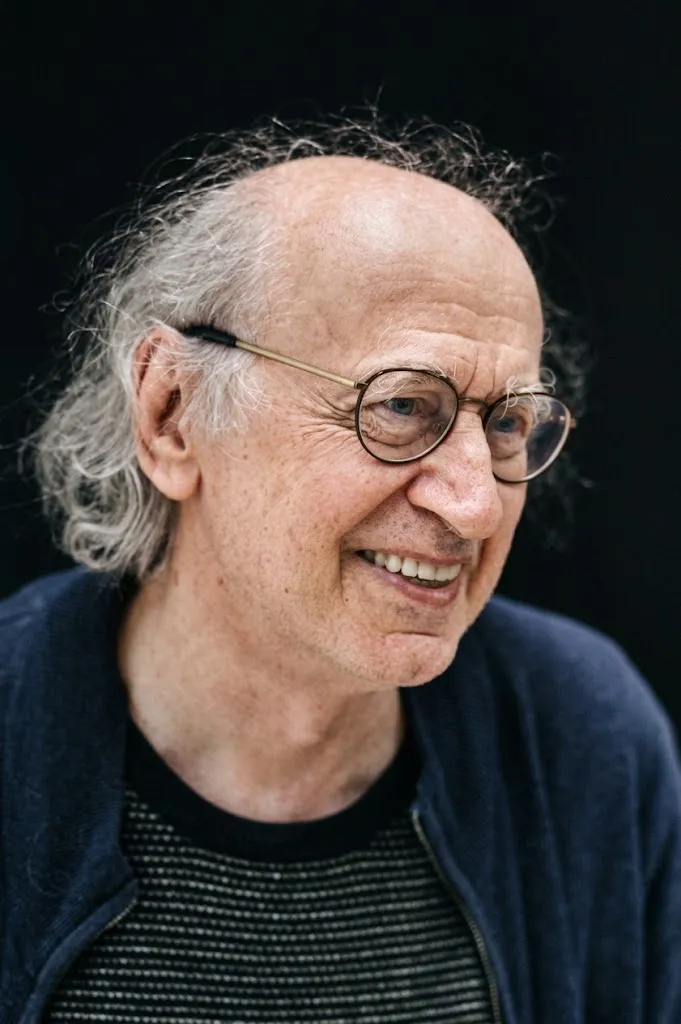
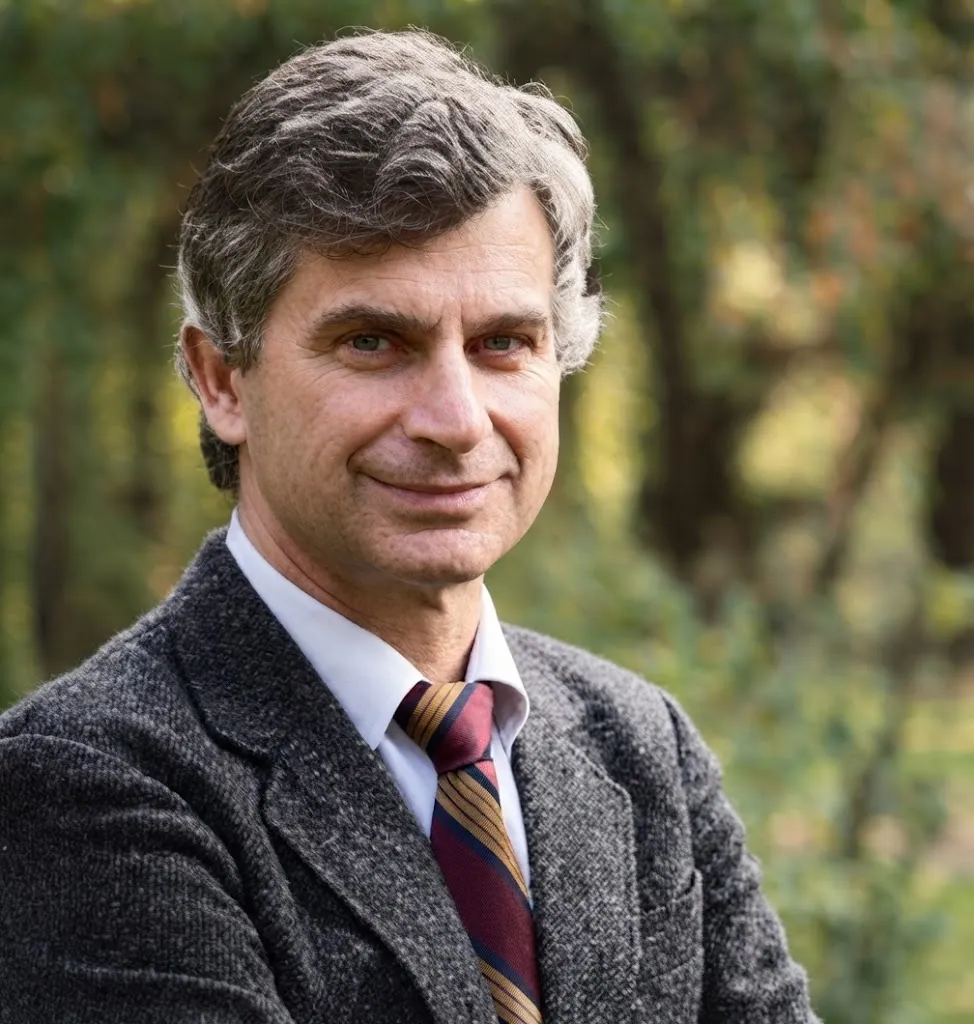
Les Taniuk
Theatre director, Sixtiers club leader
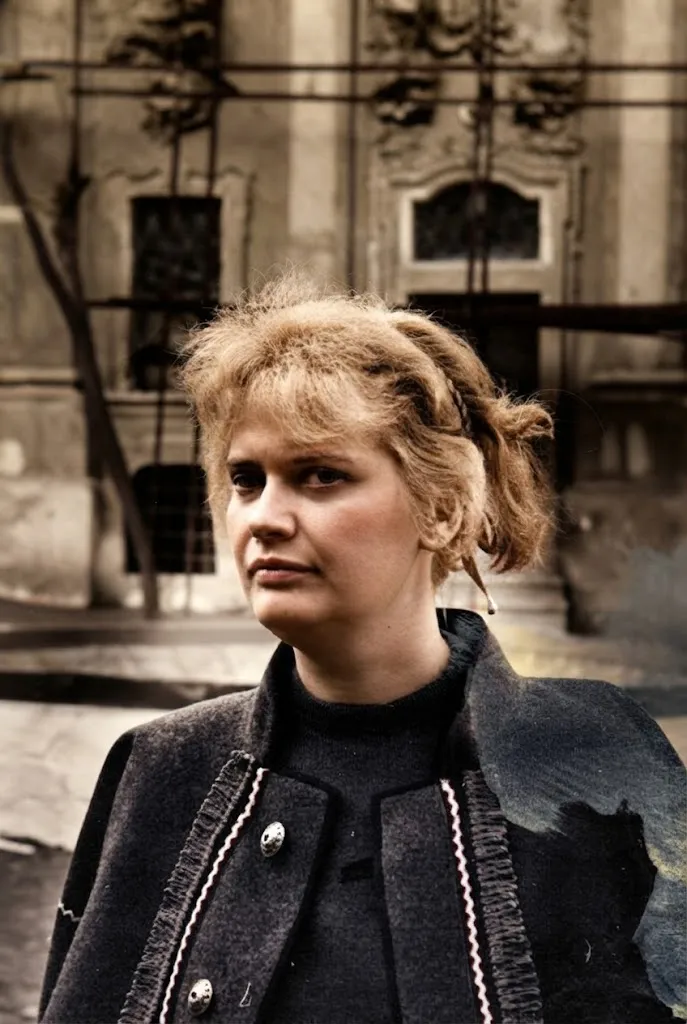
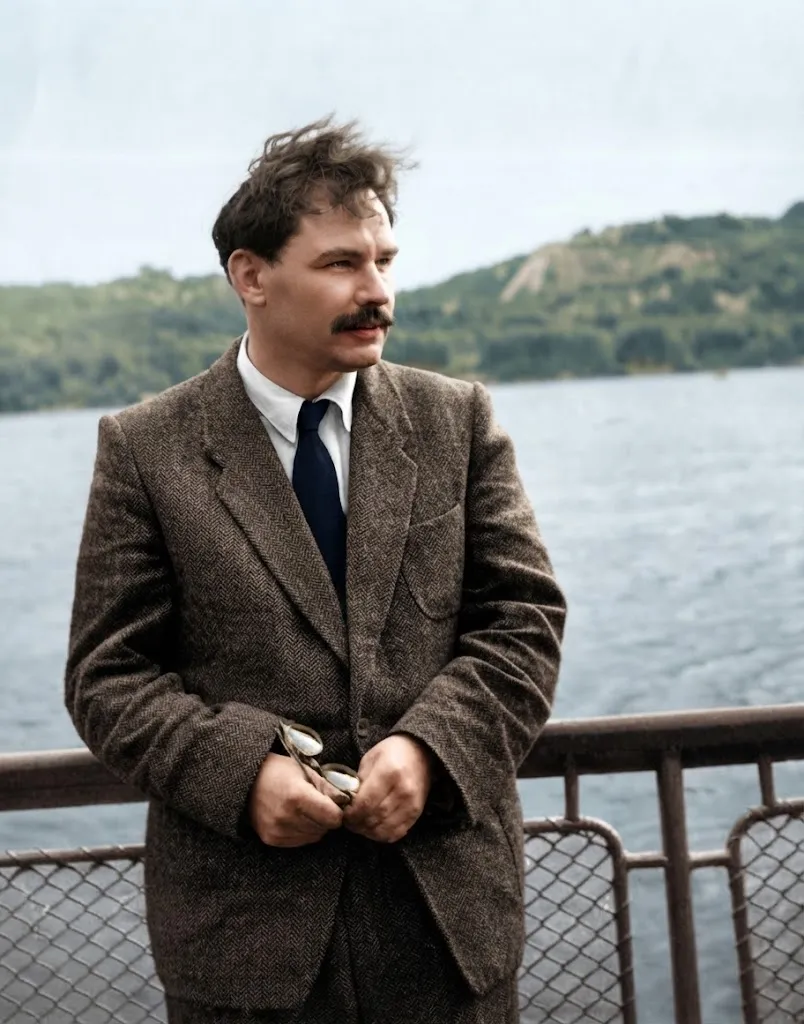
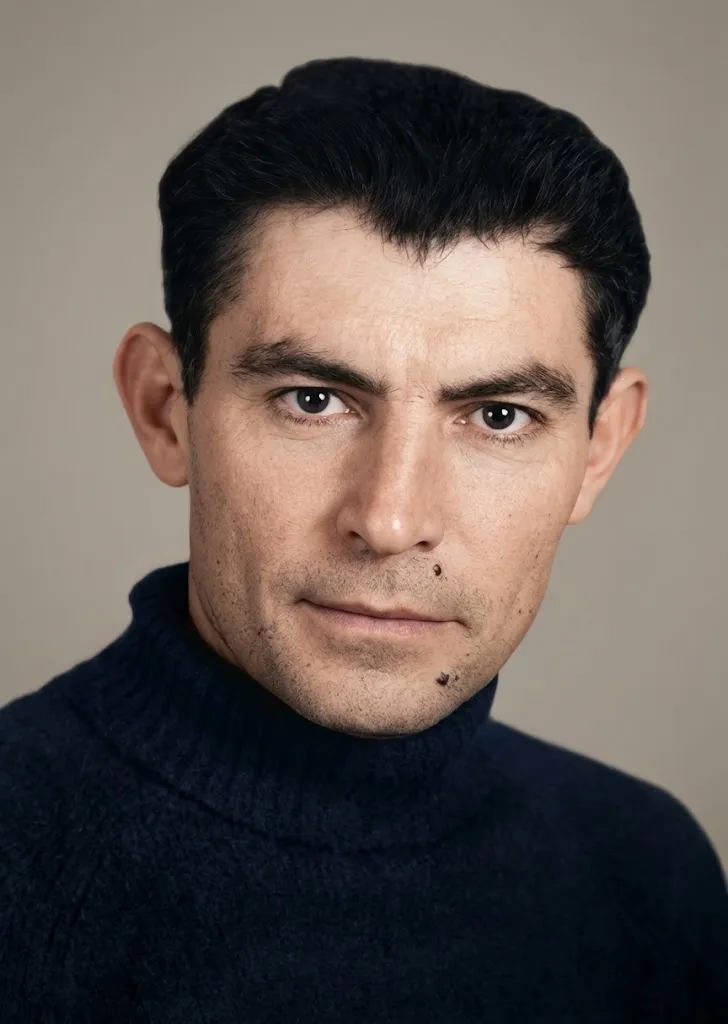
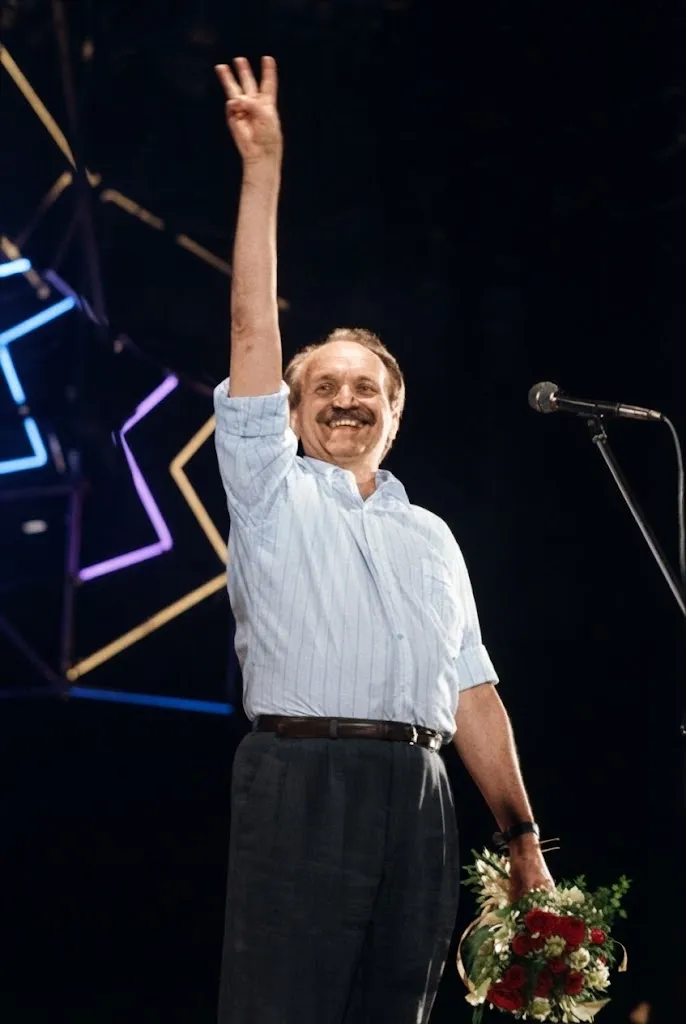
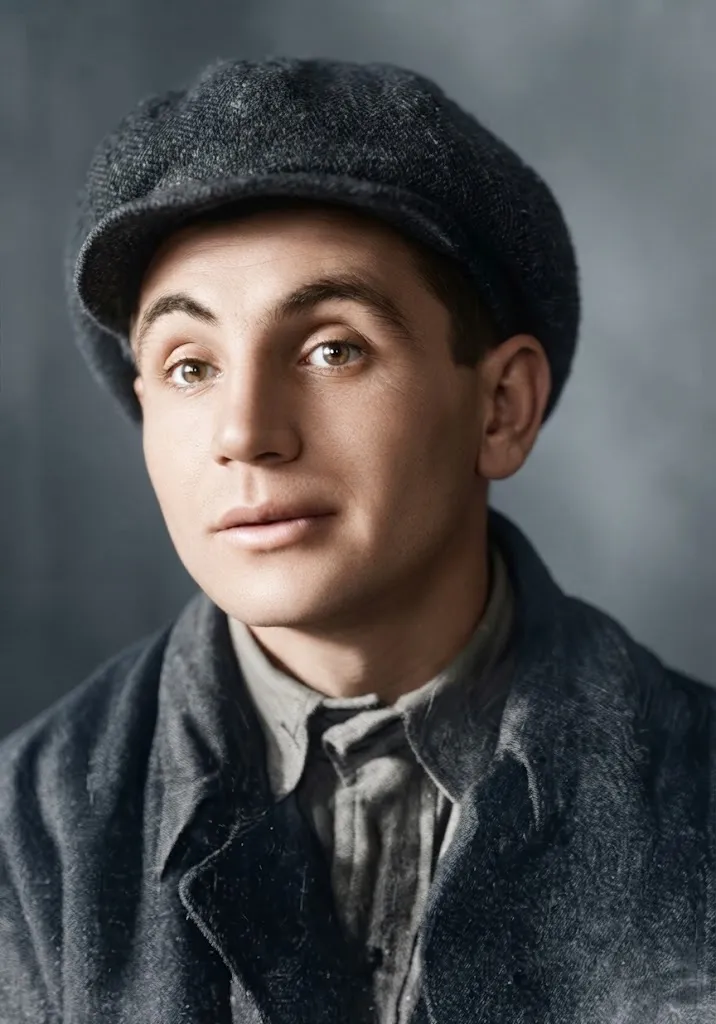
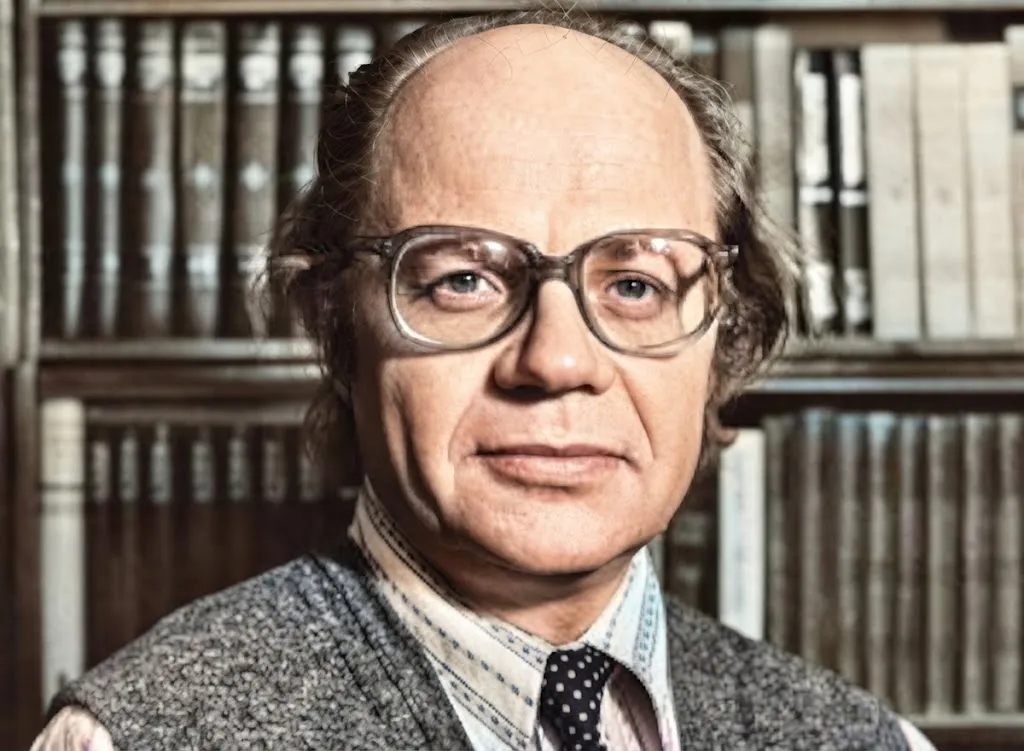
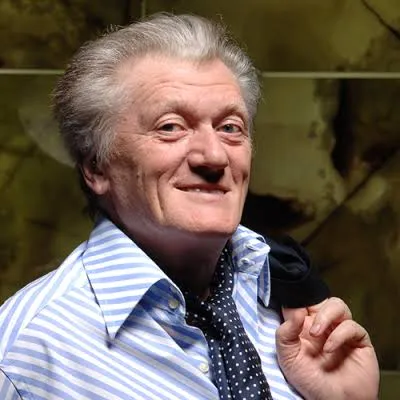
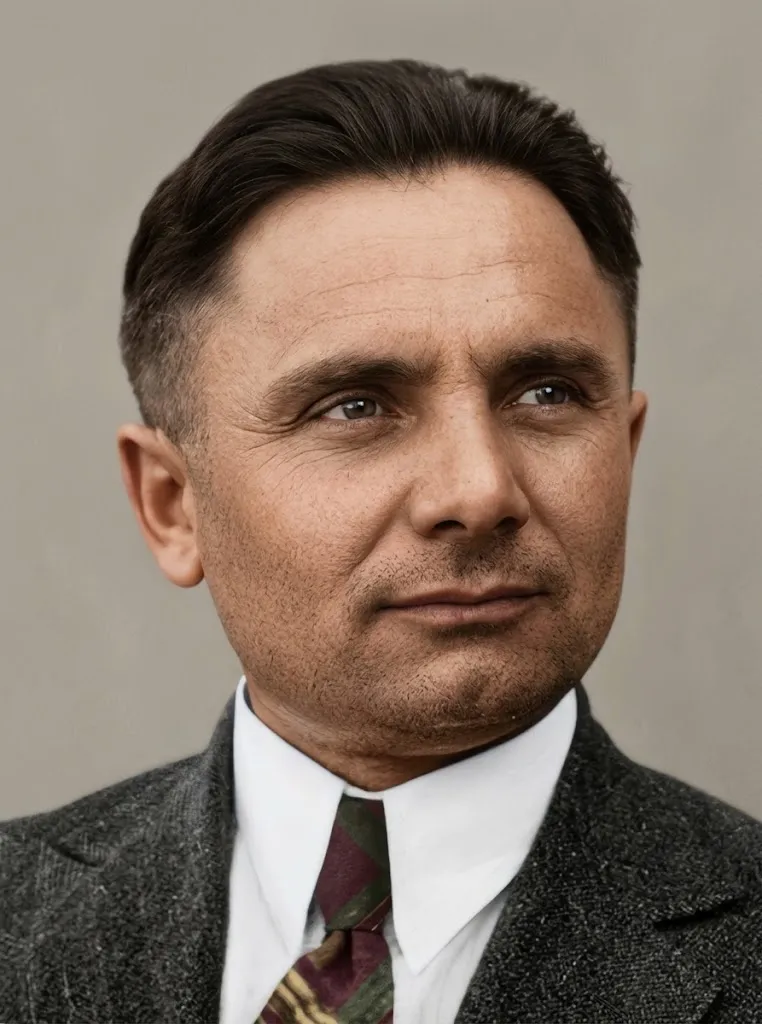
He and his friends found the secret graves of NKVD victims in a forest outside Kyiv. Les Taniuk, a theatre director, led the Sixtiers’ Club of Creative Youth in 1959–1963, was pushed out of Ukraine, and later served five terms as a member of parliament.
Key accomplishments
- President of the Club of Creative Youth in Kyiv (1959–1963) and organiser of the New Kyiv Theatre
- With Alla Horska and Vasyl Symonenko, found the burial sites of people shot by the NKVD at Bykivnia and the Lukianivka and Vasylkiv cemeteries (1962–1963)
- Over 50 productions in Moscow, Leningrad and Smolensk; plays by Kulish staged in Odesa and Kharkiv; translated Edward Gordon Craig’s On the Art of the Theatre (1974)
- Member of parliament for five terms and head of its culture commission; head of the Vasyl Stus Memorial society (from 1992)
Graves in the forest
What do young artists do when they learn that people shot by the state lie in secret graves right next to Kyiv? In 1962–1963 the director Les Taniuk, together with Alla Horska and Vasyl Symonenko, tracked down the places where the NKVD, the Soviet secret police, had buried the people it shot: at Bykivnia and at the Lukianivka and Vasylkiv cemeteries. They reported what they had found to the Kyiv city council.
The club where the Sixtiers met
Les Taniuk was born in 1938 in the village of Zhukyn near Kyiv. He studied directing in Kyiv under Marian Krushelnytskyi, a pupil of Les Kurbas, and became a champion of Kurbas’s theatre. In 1959–1963, while still a student, Taniuk was president of the Club of Creative Youth. Ivan Svitlychnyi, Alla Horska, Vasyl Stus, Viacheslav Chornovil and others gathered around it. Taniuk also founded the New Kyiv Theatre and staged Mykola Kulish’s plays in Odesa and Kharkiv.
Driven off the stage
Censors cut his productions, and officials accused him of “abstract art” and “formalism”. In 1965 Taniuk left for Moscow. For almost twenty years he directed there, more than fifty productions in all, and wrote a book about his teacher Krushelnytskyi.
In 1986 he was invited back to lead the Kyiv Youth Theatre. There, with Ivan Drach, he translated and staged the sharp play The Dictatorship of Conscience, and put on Kurbas, Shakespeare, Franko and Stus. But in 1988 Taniuk was dismissed, and barred from directing.
A diary of the century
So he turned to public life. He joined the Memorial society, which brought back the memory of the victims of repression, and led it from 1992. In 1990 Taniuk was elected to Ukraine’s parliament, where he chaired the commission on culture and spiritual revival. He served five terms as a member of parliament.
For decades Les Taniuk wrote in his diary every day, even at the cost of sleep. He died in Kyiv on 18 March 2016. The poet Yurii Rybchynskyi called his notes a diary of the 20th century, written by someone who took part in events rather than watching them.
Why it matters today
Les Taniuk searched for the truth the Soviet state had buried and spent his life giving it back to people: as a young director at Bykivnia, and later at the head of Memorial. Censorship, dismissal and years of forced work in Moscow did not stop him. For him language, memory and the state belonged together: “If my language is gone, then the state is gone too, because I have forgotten the graves of my own people.” Anyone who searches for and keeps the truth about the victims of repression today is walking his path.