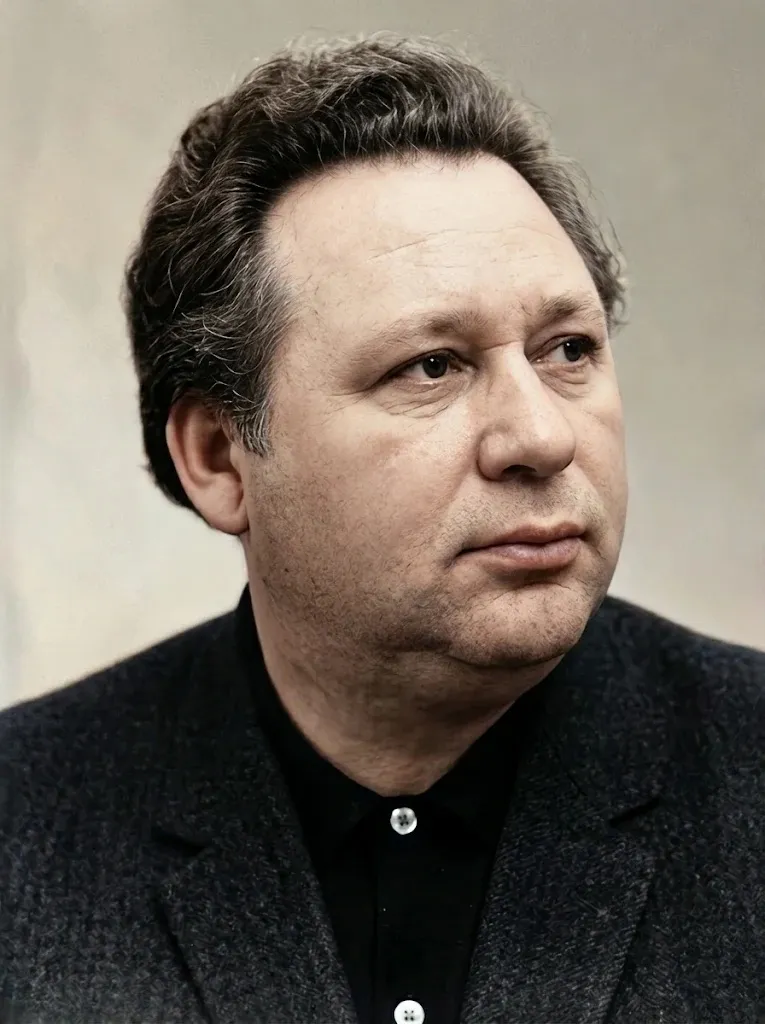
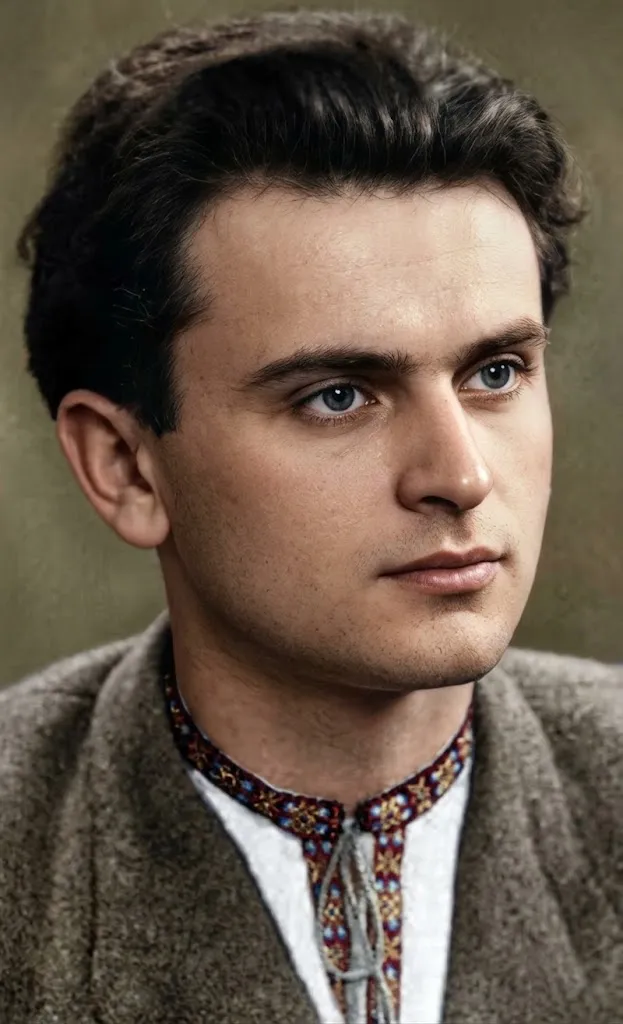
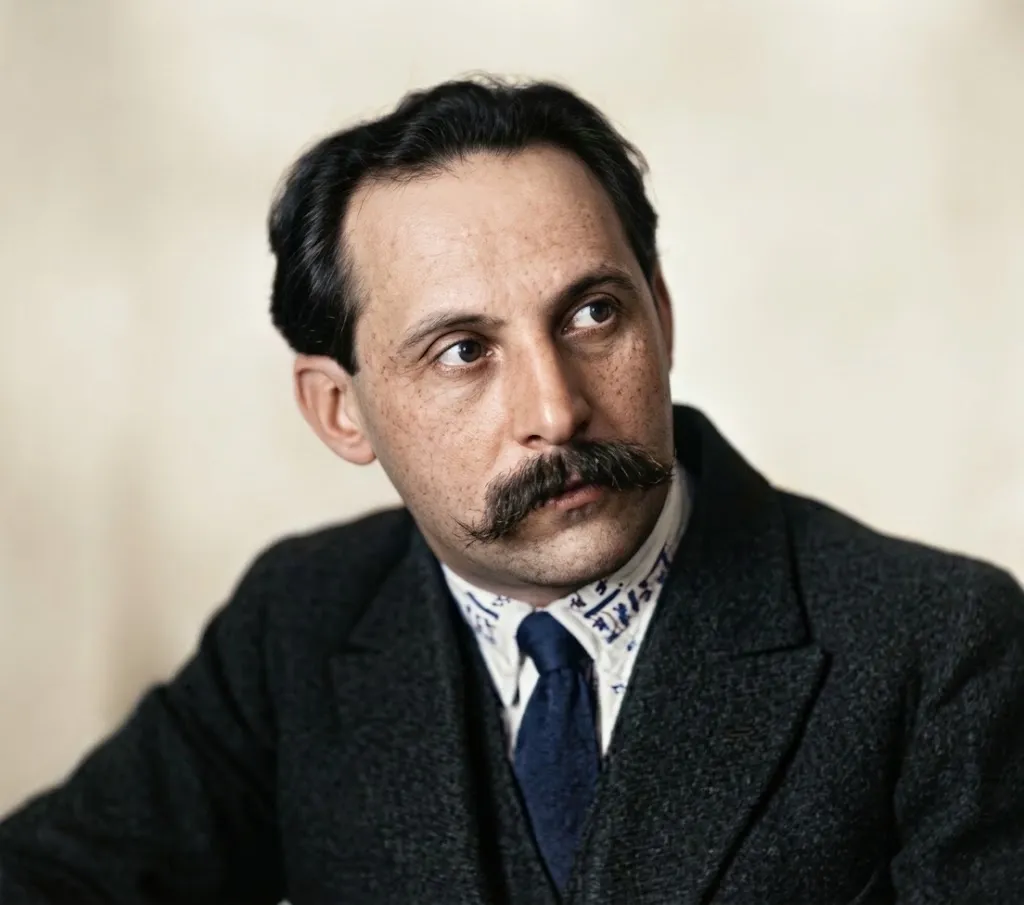
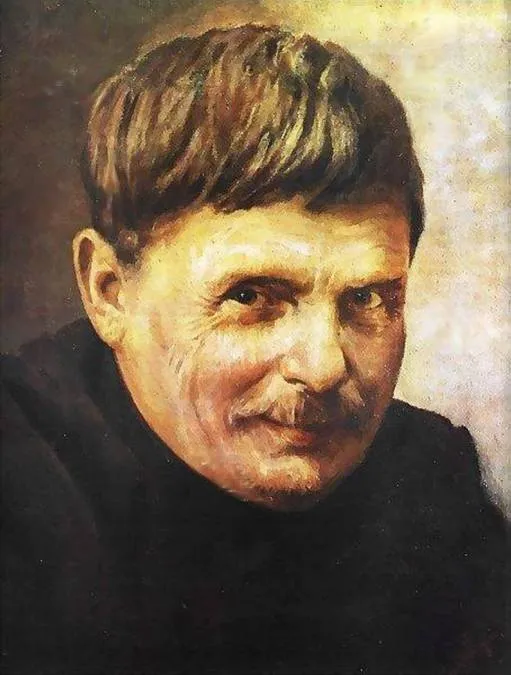
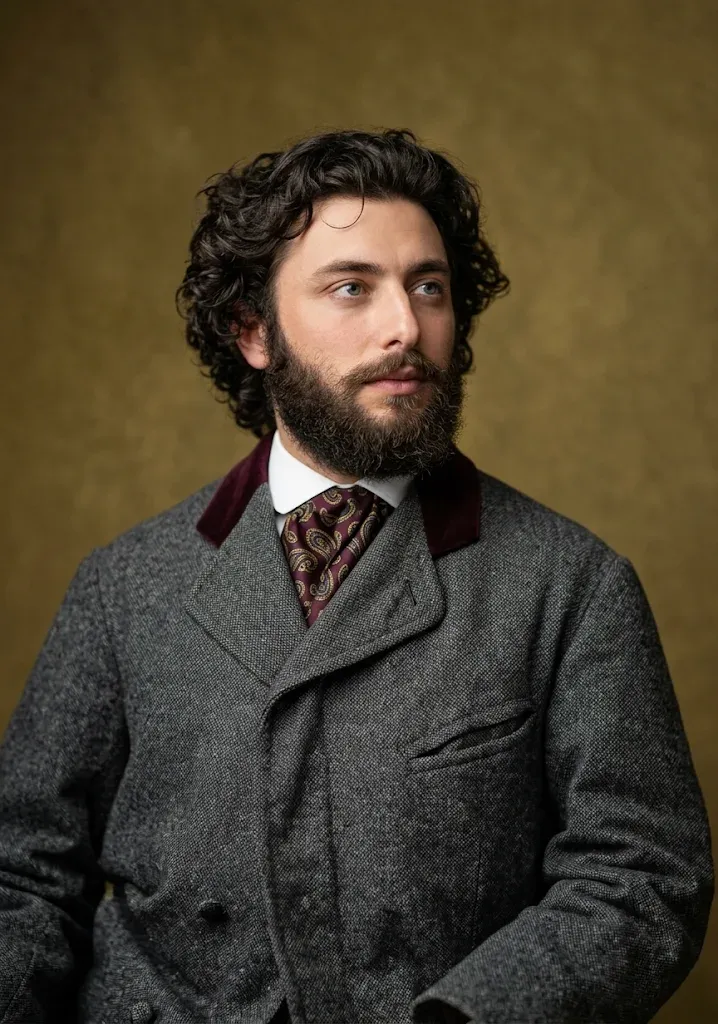
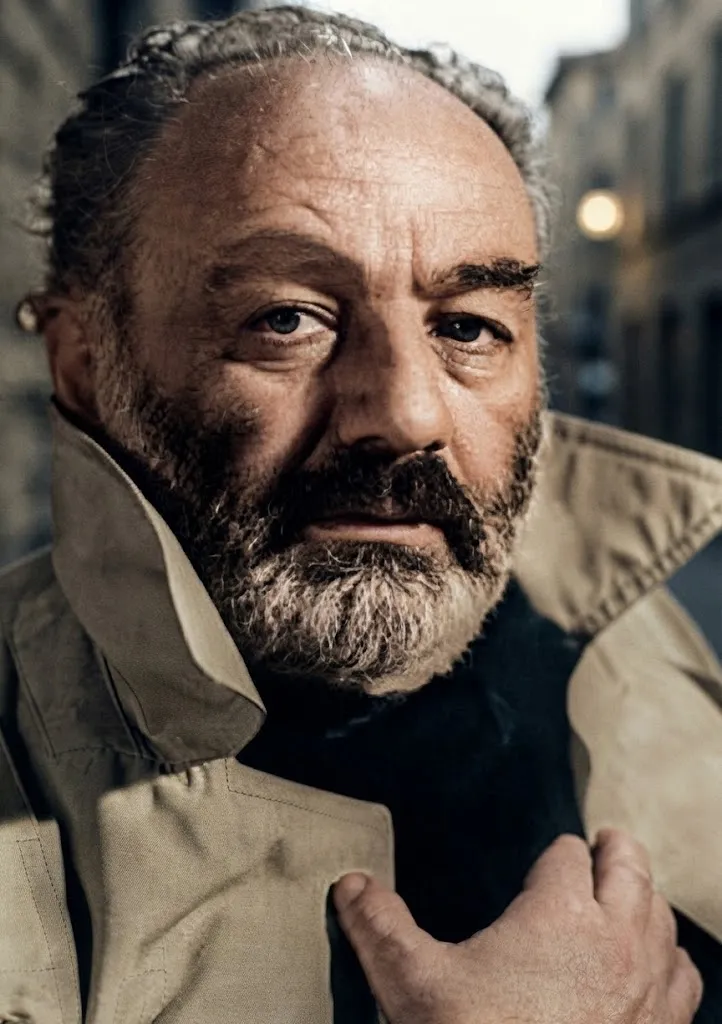
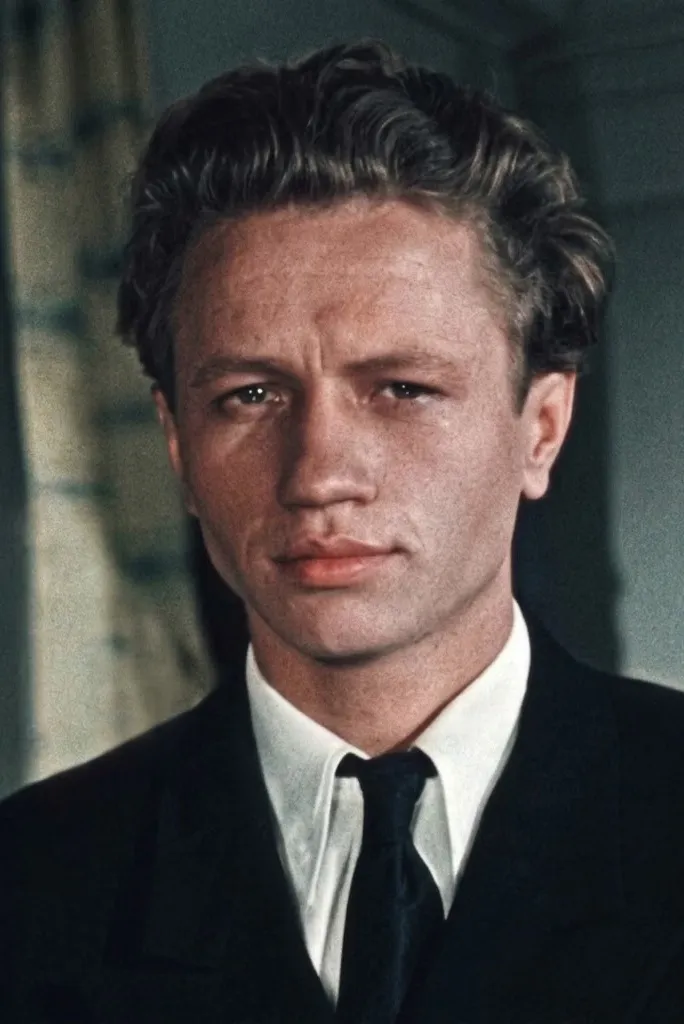
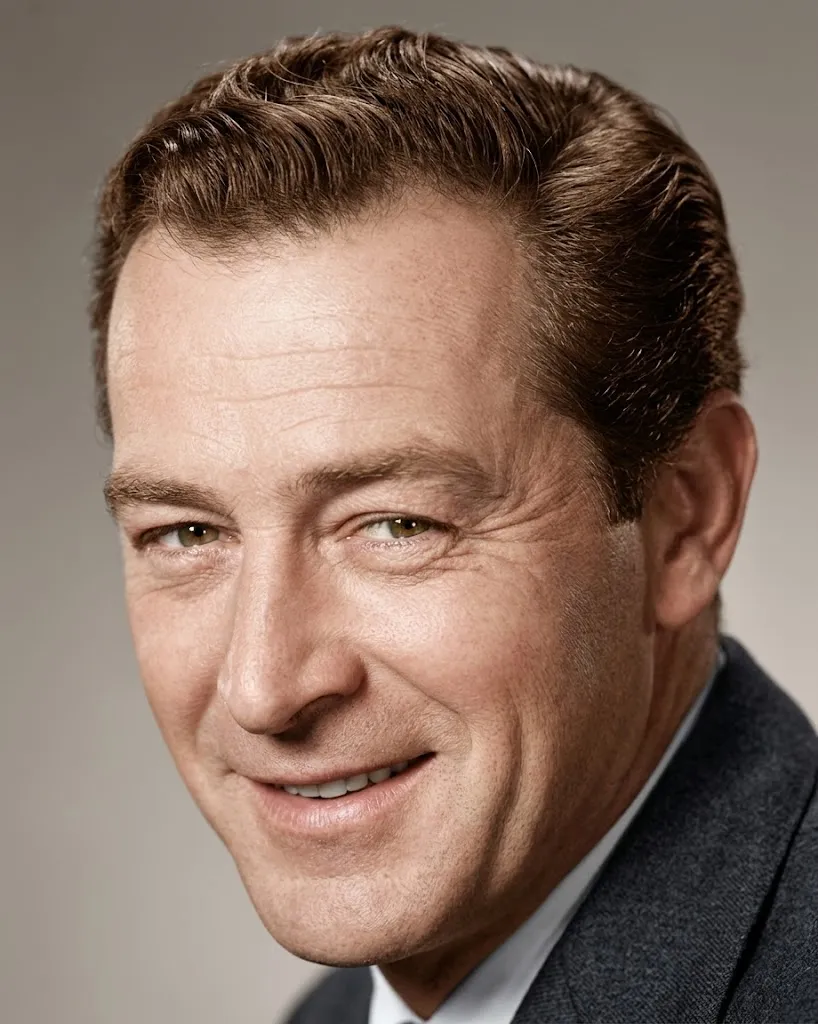
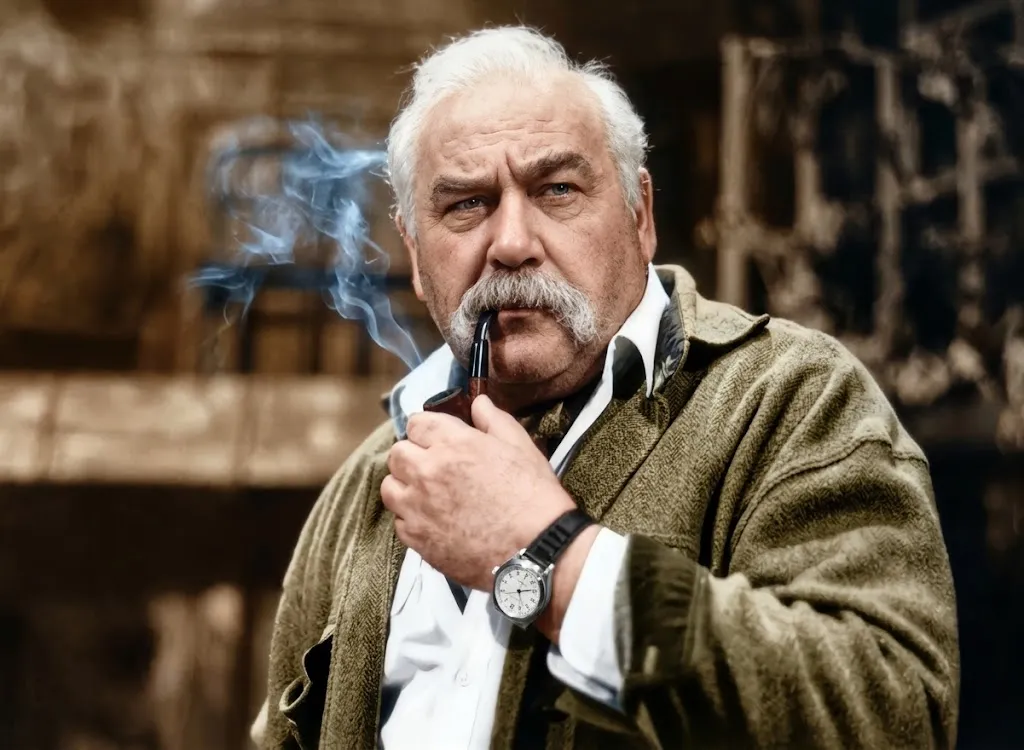
Dmytro Hnatiuk
Baritone, the voice of Song of the Towel
A boy from a church choir in Bukovyna went through the war, and after a concussion, he said, his voice changed. With that voice Dmytro Hnatiuk sang Song of the Towel and Two Colours to all of Ukraine. A baritone of the Kyiv Opera, director of more than twenty productions, Hero of Ukraine.
Key accomplishments
- Soloist of the Kyiv Theatre of Opera and Ballet (1951–1988): Ostap (Taras Bulba), the Sultan (Zaporozhian Cossack beyond the Danube), Mazepa, Onegin, Rigoletto, Figaro
- The songs Song of the Towel, Two Colours, Ash Trees and Cheremshyna; more than 30 records
- Tours of the US, Canada, Australia, New Zealand and Europe with opera classics and Ukrainian folk songs
- More than 20 opera productions; director of the Kyiv Opera (1979–1980), its chief director (1988–2011)
- Member of the Verkhovna Rada (1998–2002), deputy chair of its committee on culture and spirituality
- Shevchenko Prize (1973), Hero of Ukraine (2005); Soviet titles, including People’s Artist of the USSR (1960)
A voice changed by war
Did you know that Dmytro Hnatiuk, by his own account, brought his famous voice back from the war? He was born in 1925 into a large peasant family in Starosillia (now Mamaivtsi), a Bukovynian village that then belonged to Romania. He started singing in the church choir, where the priest taught him to read music. At eight he ran around Mamaivtsi and the neighbouring villages and collected more than two thousand Romanian lei for Ukrainians suffering in the Holodomor. During the Second World War the young man suffered a concussion and ended up in the Urals, and afterwards, the singer recalled, his voice changed.
From Chernivtsi to the Kyiv Opera
In 1945 Hnatiuk came back to Bukovyna and went on stage at the Chernivtsi music and drama theatre: one of his first parts was Mykola in Natalka Poltavka. From there the road led to the Kyiv Conservatory, to the class of the great bass Ivan Patorzhynskyi. As a student he was expelled from the Komsomol for a Cossack duma about freedom, which could have cost him the conservatory, but Patorzhynskyi and Maksym Rylskyi stood up for him. In 1951 he became a soloist of the Kyiv Opera and sang there for almost forty years: Ostap in Mykola Lysenko’s Taras Bulba, the Sultan in Semen Hulak-Artemovskyi’s Zaporozhian Cossack beyond the Danube, Mazepa, Onegin, Rigoletto, Figaro.
Songs the whole country sang
But what people loved Hnatiuk for most were his songs. Song of the Towel, Cheremshyna, and Oleksandr Bilash’s Ash Trees and Two Colours, with words by Dmytro Pavlychko, played on the radio in his voice and sold in huge numbers: he made more than thirty records. On tour in the US, Canada, Australia and New Zealand he sang Ukrainian folk songs to the world alongside the opera classics, and at Carnegie Hall in New York the ovations went on so long that they grew into a third act of the concert. In 1976, at a concert for the congress of the Communist Party of Ukraine, he sang Ukraine, My Own to words by Pavlychko. Communists wrote to the Central Committee that it was a “Banderite” song, but the party leader Volodymyr Shcherbytskyi only advised him to choose his repertoire more carefully. And he would not leave Ukraine for a career abroad: he said he couldn’t imagine life without it.
The singer who became a director
At 50 Hnatiuk went back to school: in 1975 he finished a stage-directing course, and went on to stage more than twenty productions at the Kyiv Opera, from Prince Igor to Taras Bulba and Mazepa. From 1988 he was the theatre’s chief director. All his life Hnatiuk collected Ukrainian painting: Serhii Vasylkivskyi, Mykola Pymonenko, Ivan Trush, Arkhyp Kuindzhi. He brought canvases back from abroad and gave many works to museums. At the concert for his 80th birthday he walked on stage himself and sang Two Colours, and the hall, one witness recalled, rose to its feet. In the spring of 2014 the singer said he had “prayed for the Euromaidan from its first days.” Dmytro Hnatiuk died in Kyiv on 29 April 2016.
Why it matters today
Dmytro Hnatiuk carried the Ukrainian song from the village house to the opera stage and onto records the whole country listened to. He sang it on the world’s stages on a par with Verdi and Tchaikovsky and showed that it deserved the biggest halls. The boy from a Bukovynian church choir proved that a voice that came through a war can become the voice of a whole nation. Anyone who sings in Ukrainian on a big stage today is carrying on his path.