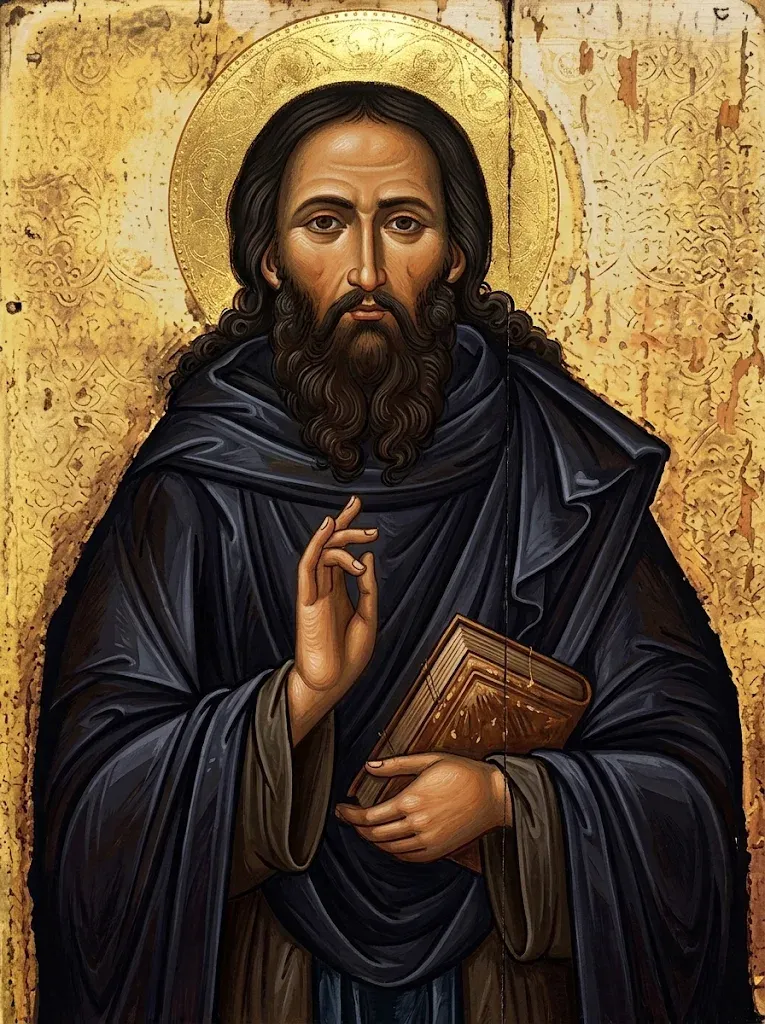
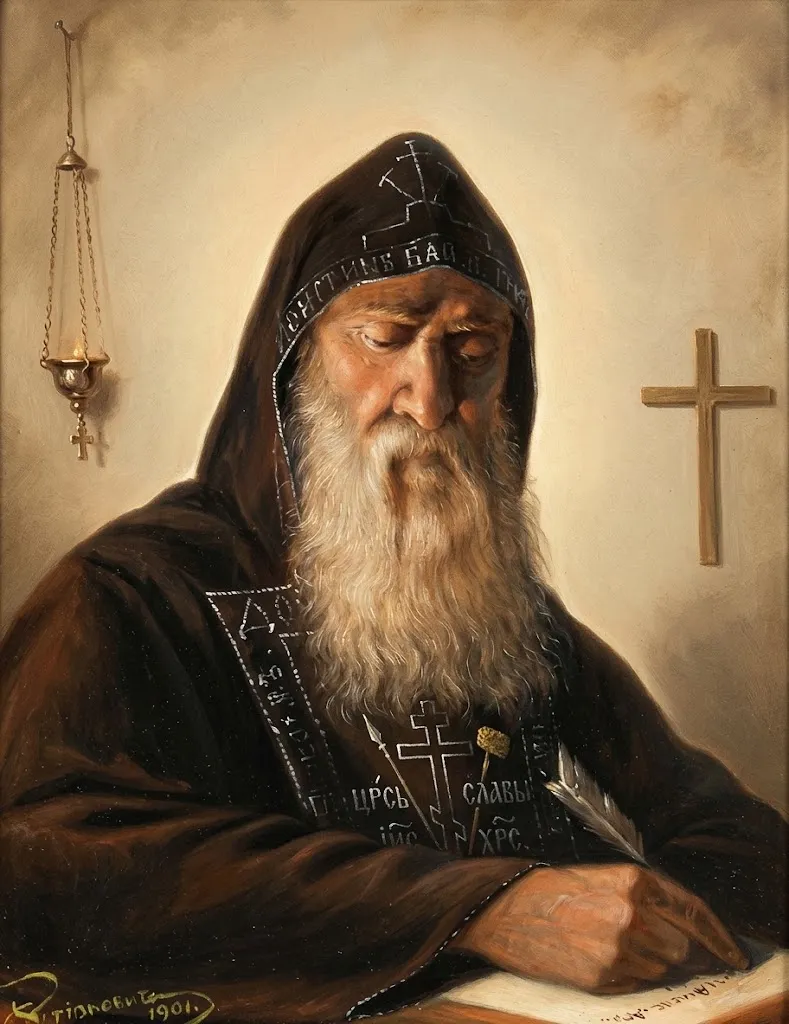
Antonii Pecherskyi
Founder of the Kyiv Cave Monastery
A monk with "neither gold nor silver" moved into someone else's little cave above the Dnipro, and the Kyiv Pechersk Lavra grew out of it. Antonii Pecherskyi, said to come from Liubech, took his vows on Mount Athos and is seen as the father of monastic life in Rus'.
Key accomplishments
- Father of monastic life in Rus'; according to the chronicle, he brought "the blessing of the Holy Mountain" of Athos to Rus'
- Founder of the Cave Monastery in Kyiv, which grew into the Kyiv Pechersk Lavra
- Began the Lavra's Near Caves, also called Antonii's Caves
- Founded the cave monastery of the Holy Mother of God in the Boldyni Hills at Chernihiv (1069)
- By tradition, founded the cave monastery of St Antonii in Liubech
A boy from Liubech on the Holy Mountain
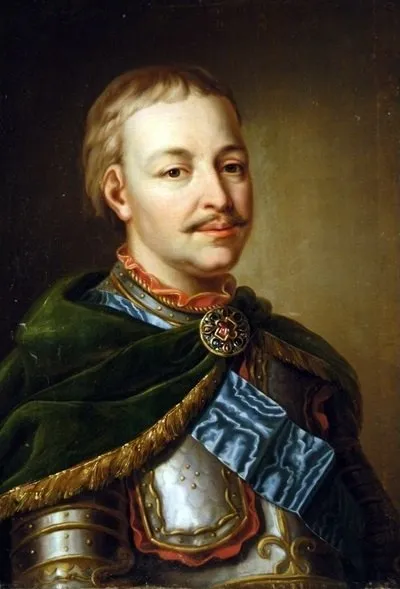
Almost everything we know of Antonii comes from the chronicle and the Kyiv Pechersk Patericon, an old collection of stories about the monks. Tradition says he was born around 983 in Liubech, in the Chernihiv region, and was called Antyp before he took his vows. As a young man he is said to have dug himself a cave on a hill near his home town; a monastery later grew there, and in the late 17th century Ivan Mazepa rebuilt it. Antyp then went to Mount Athos, the Holy Mountain of the Greeks, and became a monk there under the name Antonii. In English he is usually known as Anthony of the Caves. According to the chronicle, his abbot sent him home with the words: “many will become monks through you”.
Someone else’s cave above the Dnipro
The chronicle tells the story under the year 1051. A priest named Ilarion from the princely village of Berestove had dug a small cave on a hill above the Dnipro, where he prayed in secret. When Yaroslav the Wise made Ilarion metropolitan, the cave was left empty. Antonii, who liked none of the monasteries in Kyiv, moved into it and lived on dry bread and water. Followers began to come, and twelve brothers dug a large cave with a church and cells.
The abbot who refused to be abbot
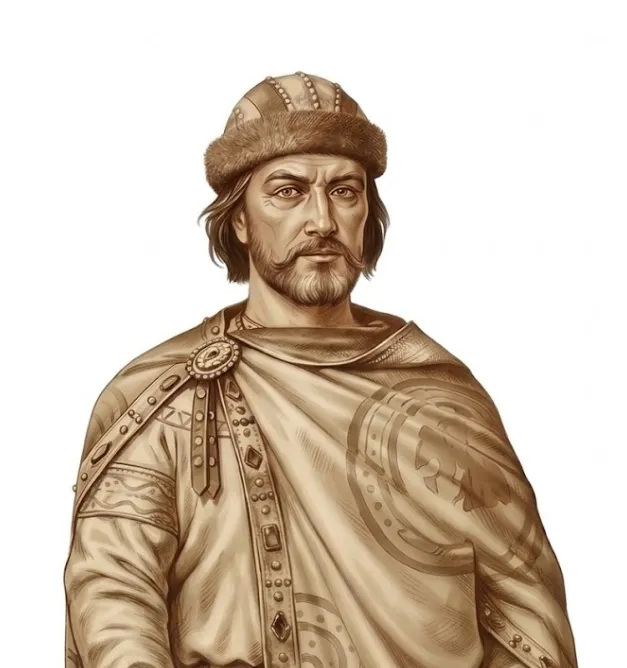
Once the community had formed, Antonii gave it an abbot, Varlaam, and went off to a neighbouring hill to dig a new cave; it is still called Antonii’s, or the Near, Cave. At his request Prince Iziaslav gave the monks the hill above the cave, and the monastery built there was named the Cave Monastery. On Antonii’s advice the next abbot was Feodosii Pecherskyi. In time Nestor the Chronicler lived and worked in this monastery.
Escape to Chernihiv
The people of Kyiv rose up in 1068, freed Prince Vseslav of Polotsk from prison and put him on the Kyiv throne, and Iziaslav fled to Poland. In the spring of 1069 he came back with a Polish army and, the chronicle says, grew angry with Antonii “because of Vseslav”. The chronicle does not say what the monk had done. Prince Sviatoslav of Chernihiv sent for Antonii by night and took him to his city. In the Boldyni Hills near Chernihiv Antonii dug another cave, and the monastery of the Holy Mother of God began there. He later returned to Kyiv and is believed to have taken part in laying the foundations of the stone Dormition Cathedral in 1073. He died that same year.
Why it matters today
Antonii started with someone else’s cave and empty hands, and left a monastery that has lived in the heart of Kyiv for more than nine centuries. Around him grew a community that wrote the chronicles, saints’ lives and books that tell us the early history of Rus’. He showed that something great can begin with one person who keeps doing their work, even without wealth or power.