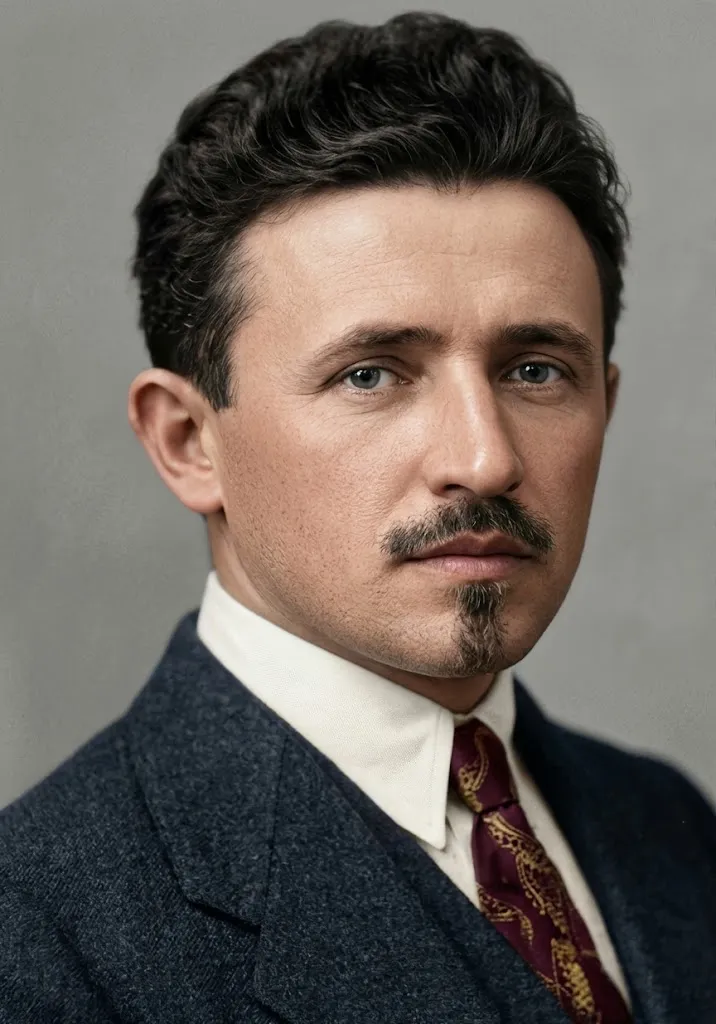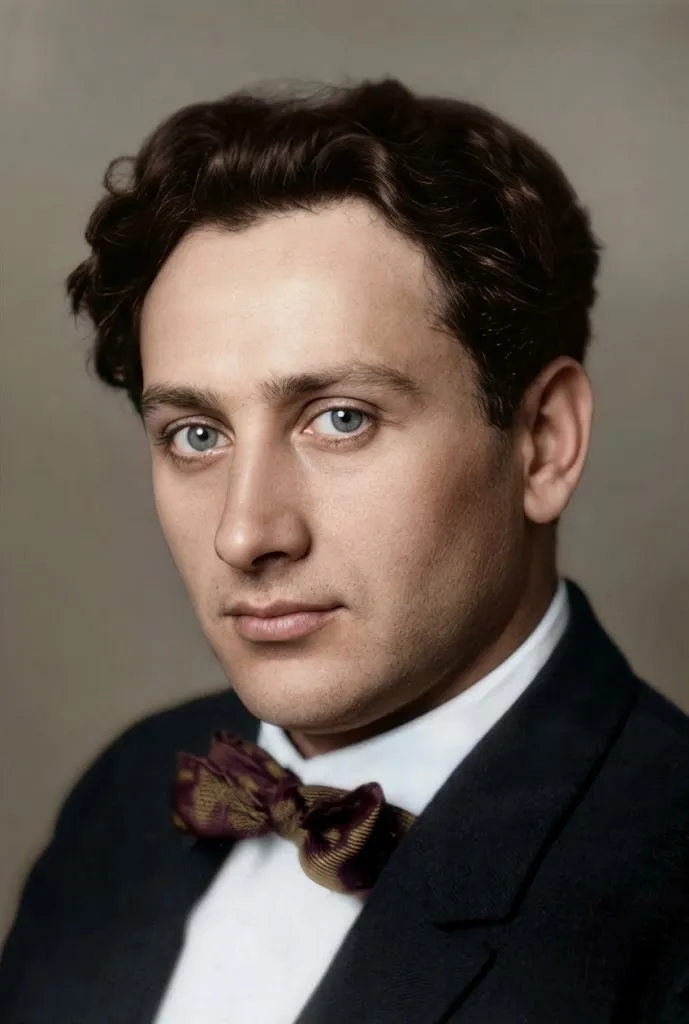
Ladia Mohylianska
Poet and folklore collector
Ladia Mohylianska documented Ukrainian speech in the Chernihiv region, published poetry in Vsesvit and Chervonyi Shliakh, and kept writing after her imprisonment in Soviet labor camps.
Key accomplishments
- Documented local folklore and speech in the Chernihiv region.
- Published poems in Vsesvit, Chervonyi Shliakh, and other magazines.
- Edited the Ukrainian-language newspaper Za Novu Liudynu.
- Published her collection Two Canals in 1935.
How Chernihiv sounded
How did people speak Ukrainian in villages near Novhorod-Siverskyi? In the early 1920s, Lidiia Mohylianska collected local folklore and documented speech, including in areas where speakers of Ukrainian and Belarusian lived alongside one another. She worked for a commission that studied the Chernihiv region’s historic sites. Her father, the writer Mykhailo Mohylianskyi, drew her into educational work. She published her poems as Ladia Mohylianska.
How a water spirit gets into a poem
An ordinary day in the fields turns into something out of a folk tale in “From Morning to Evening I Reaped.” A woman binds stalks into sheaves and searches for her fate among them. Then a water spirit appears, and by evening the willows are listening to the sun sing. Mohylianska made familiar images from folklore part of her own verse. In the 1920s her poems appeared in the Chernihiv press and in magazines such as Vsesvit and Chervonyi Shliakh.
Writing after the sentence
Soviet authorities imprisoned Mohylianska just as her work was reaching more readers. Arrested in 1929, she was accused of circulating literature the authorities considered counterrevolutionary and belonging to an invented organization. Her death sentence was commuted to ten years in labor camps. She served time on the Solovets Islands and at camps connected to the White Sea–Baltic Canal. She continued writing and publishing poetry there. One of the magazines that carried her work was published on the Solovets Islands. Later poems also appeared in collections printed at the Dmitrov camp.
A newspaper and a book in Dmitrov
After her early release in 1933, Mohylianska worked on the Moscow–Volga Canal project. She edited the Ukrainian-language newspaper Za Novu Liudynu. In 1935 the Dmitrov labor camp’s press published her collection Two Canals, which included poems in Ukrainian and russian. Some of her poems were set to music and performed at camp concerts and on the radio. She worked with composer Mark Cherniak and tried a different musical form by writing the libretto for his opera. Arrested again in May 1937, Mohylianska was executed by firing squad in Moscow on June 6. She was posthumously rehabilitated in the 1937 case in 1957 and in the 1929 case in 1990.
Why it matters today
Mohylianska began by listening to how people in the Chernihiv region spoke and told stories, and she carried their words and images into her own poems. Even in the camps she did not fall silent: she kept writing and publishing poetry and edited a Ukrainian-language newspaper. Reading her brings back one of the voices of 1920s Ukrainian literature that Soviet repression kept from readers for decades. She showed that the Ukrainian word can live on even in captivity, as long as someone keeps writing it.