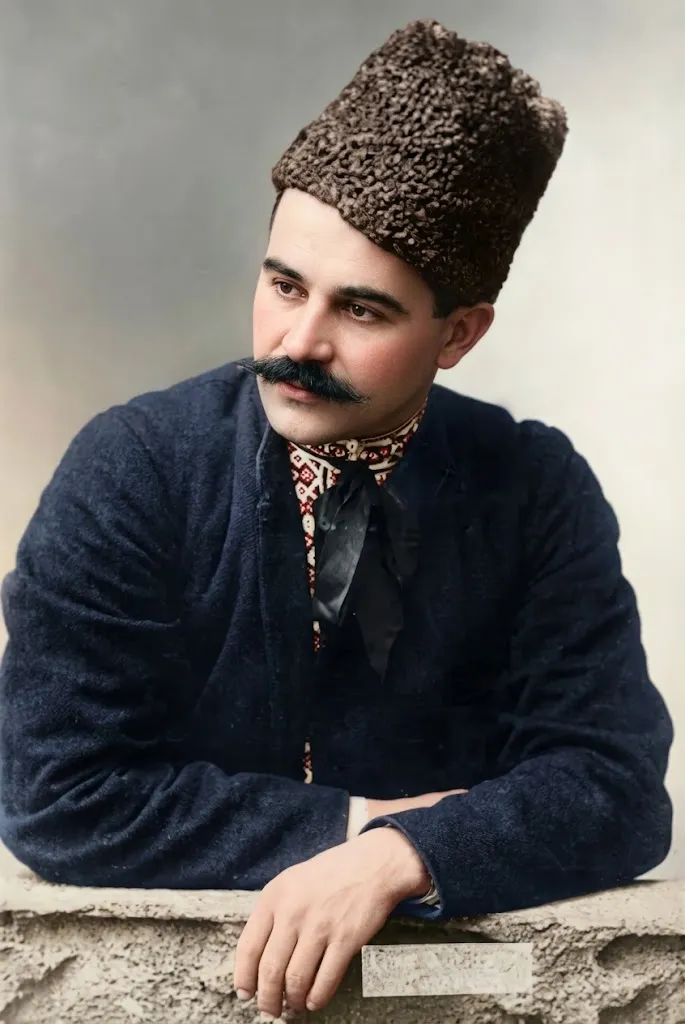
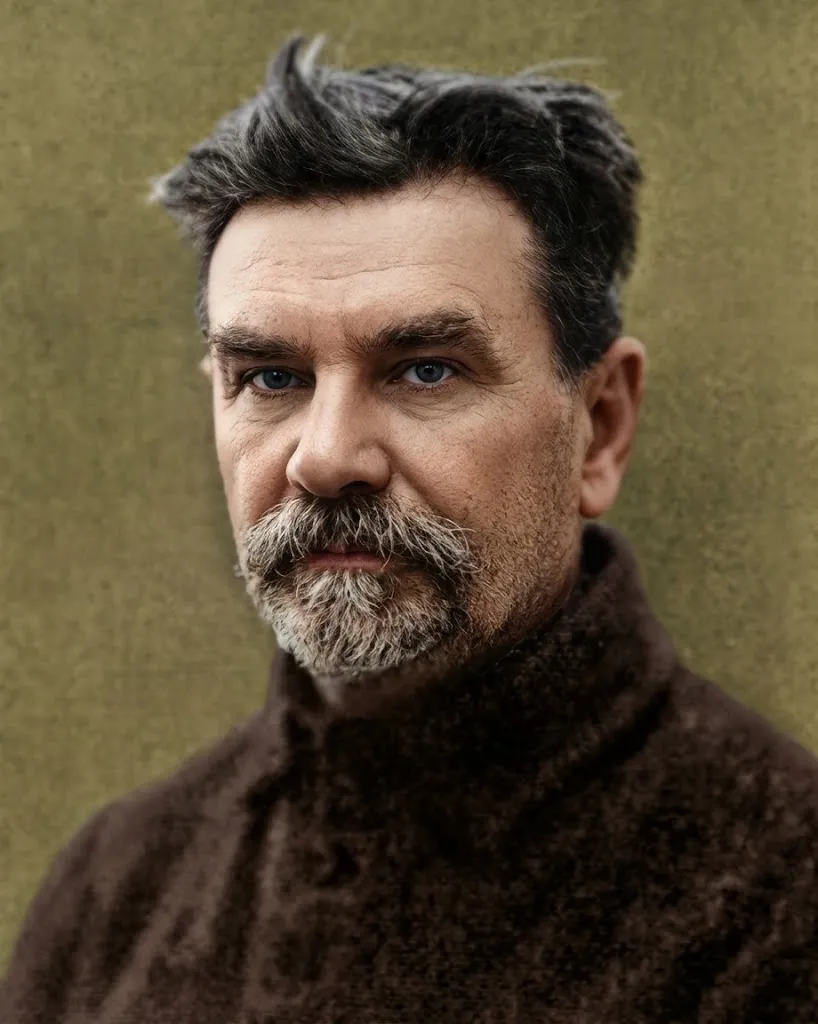
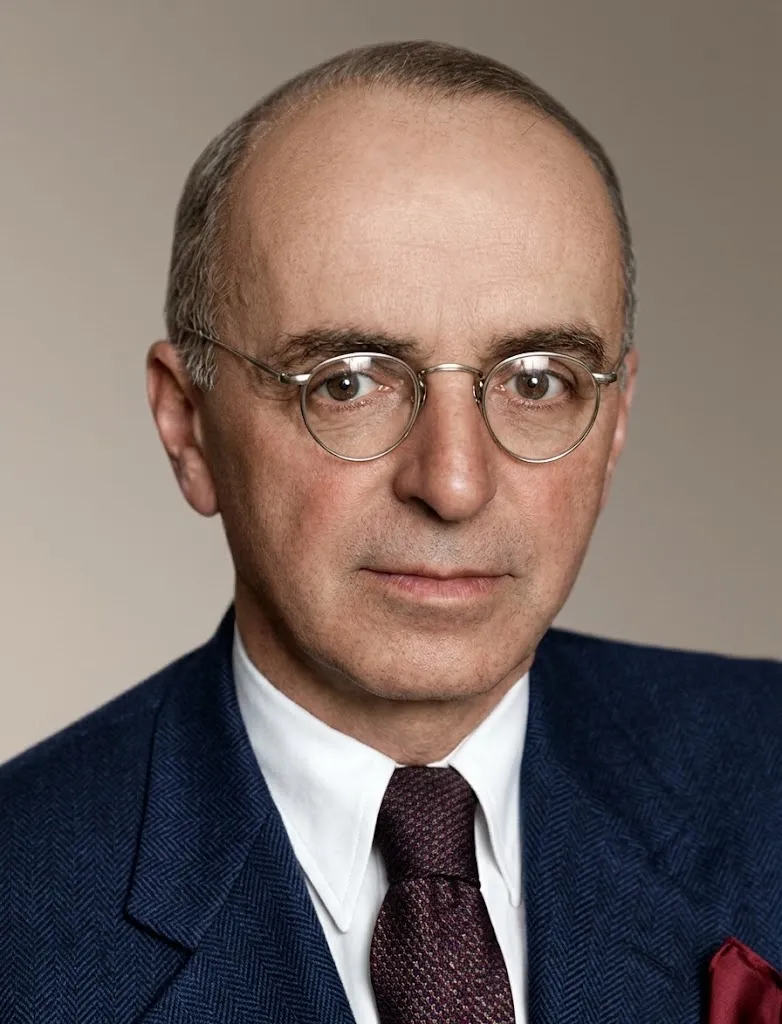
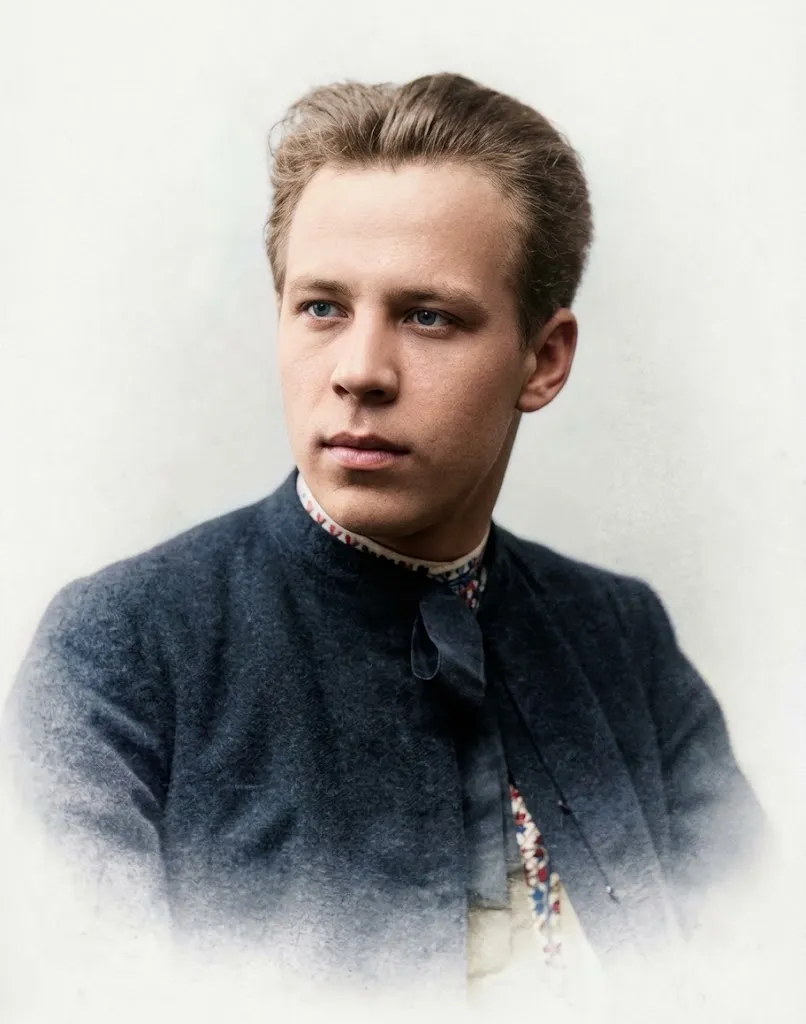
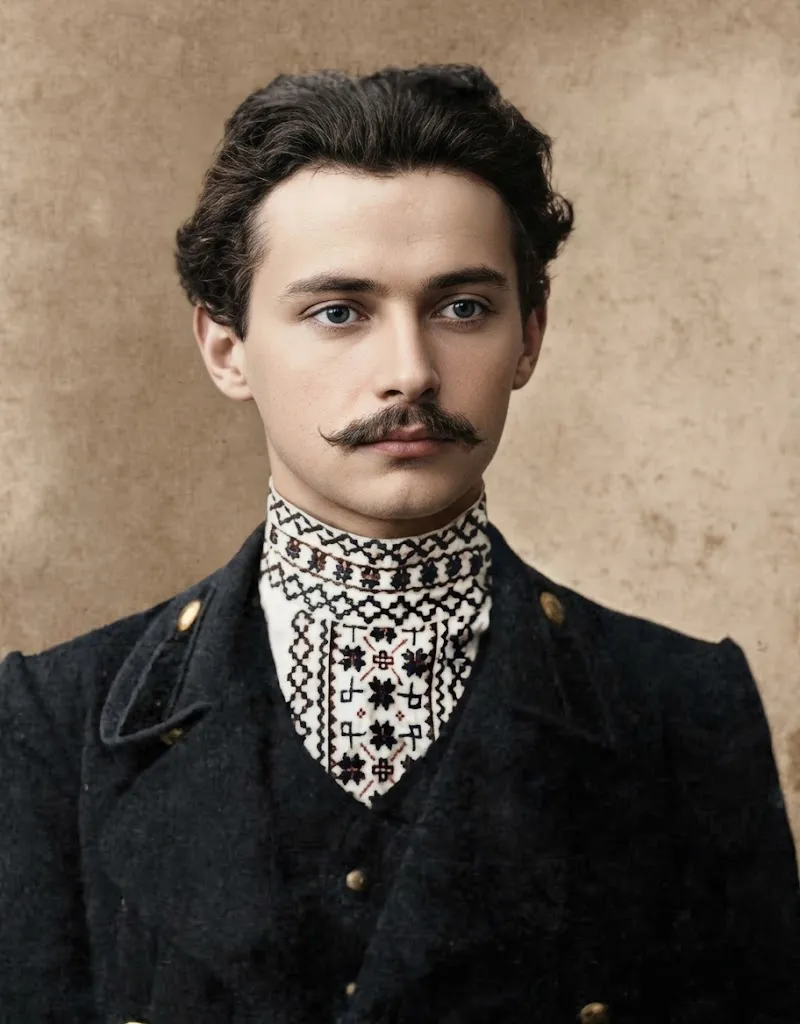
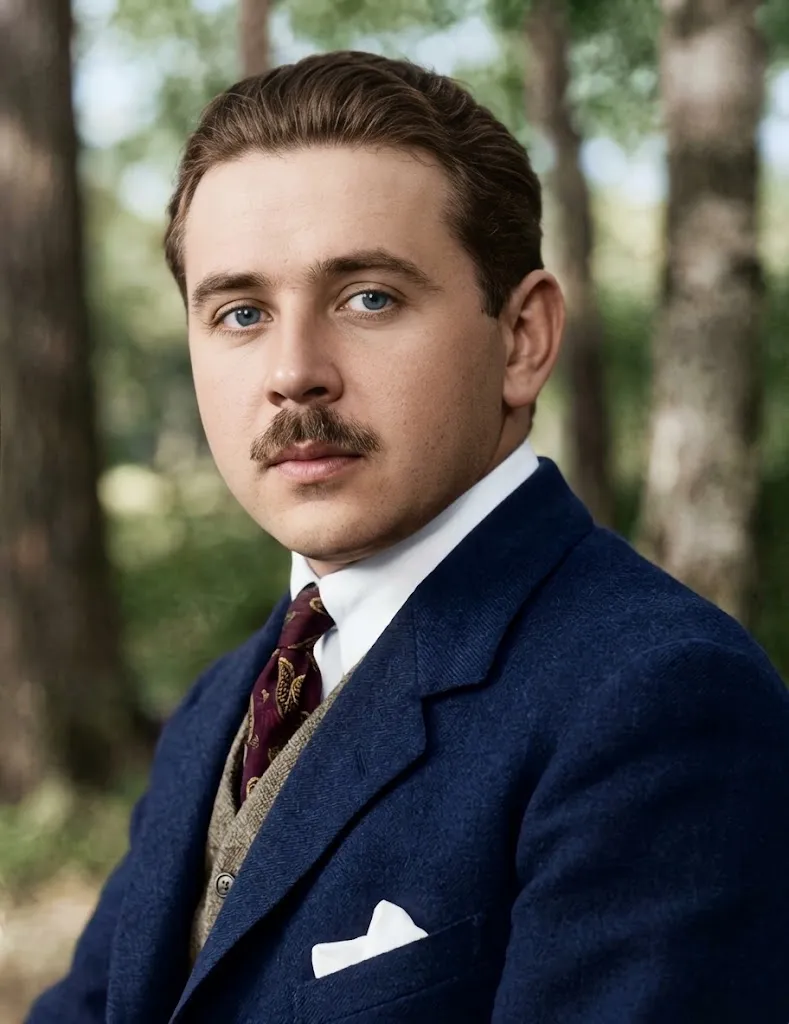
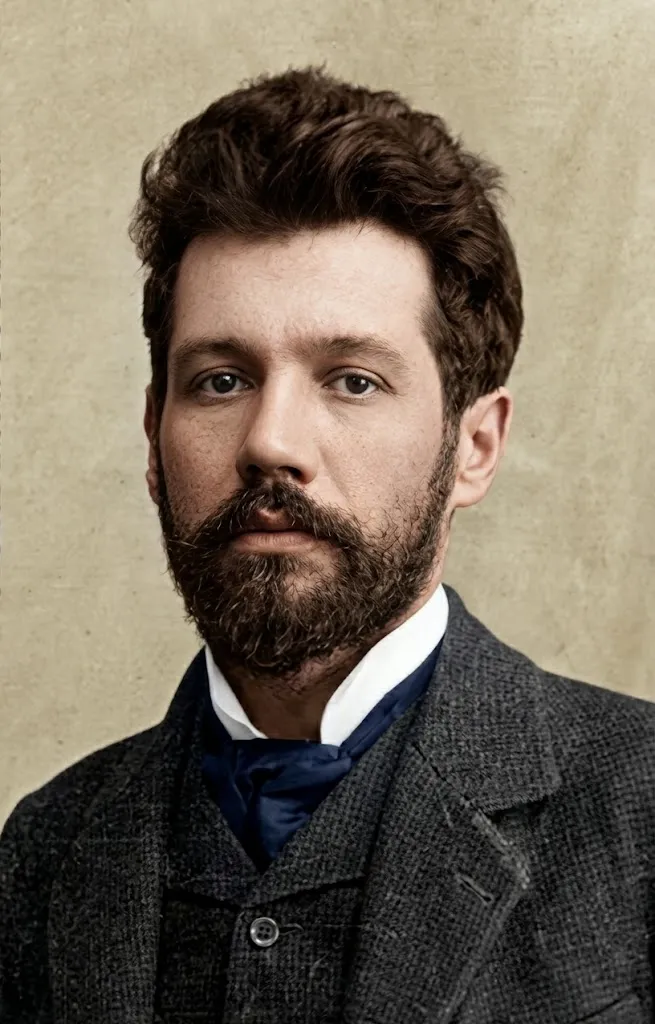
Antin Krushelnytskyi
Writer, educator, UNR education minister
In 1934 he chose to move his family from Lviv to Soviet Kharkiv, believing Ukrainian culture was flourishing there. Antin Krushelnytskyi was a writer, a compiler of school readers and the UNR's education minister. All his life he worked so Ukrainian children could learn in their own language.
Key accomplishments
- Story collections Proletari (1899) and Budennyi khlib (Daily Bread, 1920); novellas and novels about the First World War and the Ukrainian struggle for independence (Rubaiut lis, Zmahannia, Homin Halytskoi zemli)
- Minister of education of the Ukrainian People's Republic in Borys Martos's government (1919); head of the UNR's educational mission in Vienna
- School readers, anthologies and Ukrainian literature textbooks for secondary schools
- The Chaika, Zemlia and other publishing houses in Vienna; the journals Novi shliakhy (1929–1932) and Krytyka (1933) in Lviv
- Translations from German, Polish and French
A one-way ticket
Antin Krushelnytskyi left Lviv, then part of Poland, for Soviet Kharkiv on 8 May 1934. With him went his wife, his sons, a daughter-in-law and a granddaughter. He believed a great Ukrainian culture was being built in Soviet Ukraine, and he wanted to work for it. The family settled in the Slovo building, a block of flats for writers.
A pupil of Hrushevskyi and Franko
He dreamed of an independent Ukraine as a student. Krushelnytskyi was born in 1878 in the small town of Łańcut in Galicia, then part of Austria-Hungary and now in Poland, and grew up in Przemyśl. At Lviv University his mentor was Mykhailo Hrushevskyi. In Lviv he was one of the leaders of Young Ukraine, a group that dreamed of an independent Ukraine, and he helped Ivan Franko edit the journal Literaturno-naukovyi vistnyk.
Readers for Ukrainian schools
Teacher, headmaster, compiler of readers: Krushelnytskyi taught at secondary schools in Kolomyia and Stanislaviv, ran the Ukrainian school in Horodenka and compiled school readers and anthologies. He wrote stories, plays and novels about the First World War and the struggle for independence. In spring 1919 he served for a few months as the UNR’s minister of education, and that autumn he went to Vienna to publish textbooks for Ukrainian schools.
Between Poland and Kharkiv
Novi shliakhy, a journal sympathetic to Soviet Ukraine, was Krushelnytskyi’s from 1929, after he returned to Galicia in 1925. The Polish authorities persecuted him: in 1932 they jailed him and banned the journal.
A family of culture
His children also worked in culture and science: Ivan was a poet and art critic, Taras a writer, translator and Plast scout, and Volodymyra a dermatologist. On the night of 6 November 1934 the secret police in Kharkiv arrested Antin and his sons Ivan and Taras, and later his other children. Ivan and Taras were shot in Kyiv in December 1934, along with Hryhorii Kosynka and others convicted in a fabricated “terrorist” case. His wife Mariia died alone in hospital in 1935. Antin was sentenced to ten years and sent to the Solovki prison camp. On 3 November 1937 he was shot with his sons Bohdan and Ostap in the forest of Sandarmokh in Karelia. His daughter Volodymyra was shot the same year. His granddaughter Larysa, Ivan’s daughter, was brought back to Lviv in 1937, aged nine, at her mother’s request. She later became an archaeologist and director of the Vasyl Stefanyk Library in Lviv. Antin Krushelnytskyi was rehabilitated in 1957.
Debates and assessments
Some scholars stress that by the late 1920s Krushelnytskyi had become one of the leading pro-Soviet figures in Galicia and championed what he called “Soviet nationalism”. Others note that he looked to Soviet Ukraine to protect Ukrainian schools and culture from Polish pressure. His death opened the eyes of many Galician intellectuals who had believed in Soviet Ukraine.
Why it matters today
All his life Krushelnytskyi worked so that Ukrainian children could learn in their own language from good books: as a teacher, as a compiler of readers and as education minister. As a student, among the leaders of Young Ukraine, he dreamed of an independent Ukraine. His fate shows where the belief that Soviet rule would let Ukraine flourish led, and that only a free Ukrainian state, the one Ukrainians are fighting for today, can protect Ukrainian culture. Yet the family’s work was not cut short: his granddaughter Larysa, brought back to Lviv as a child, became an archaeologist and director of the Vasyl Stefanyk Library in Lviv.