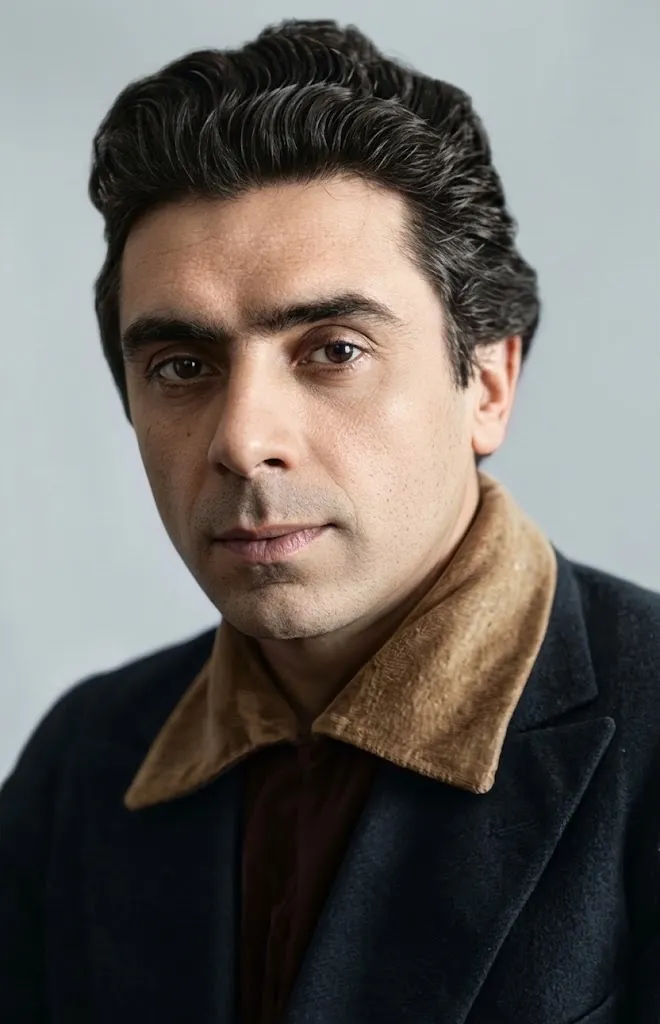
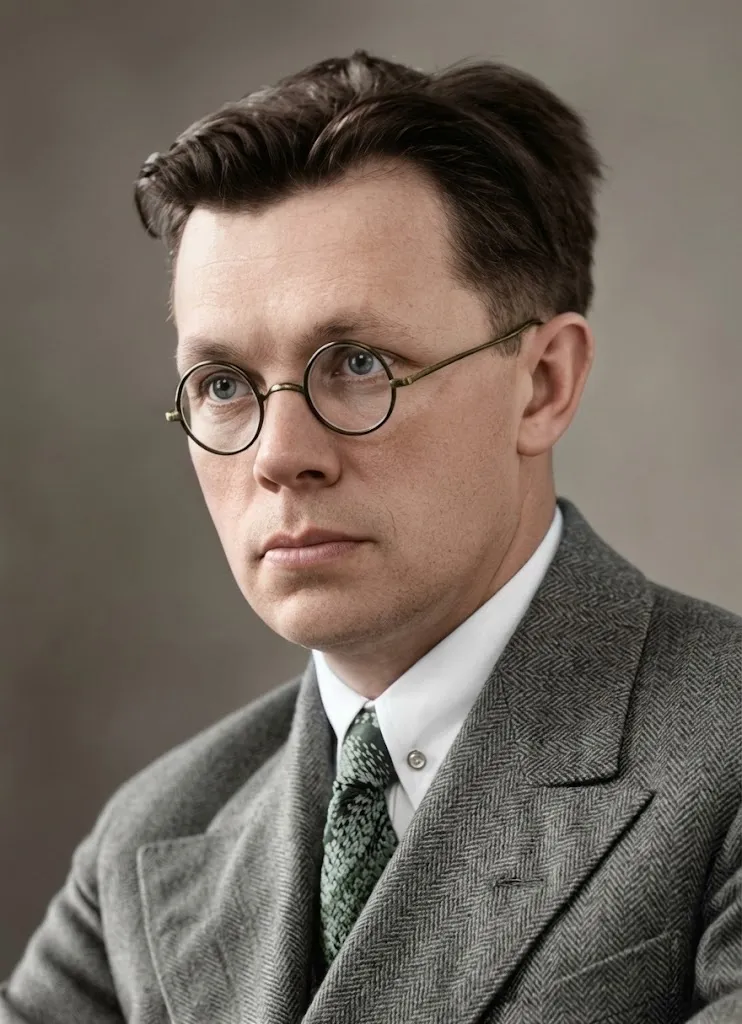
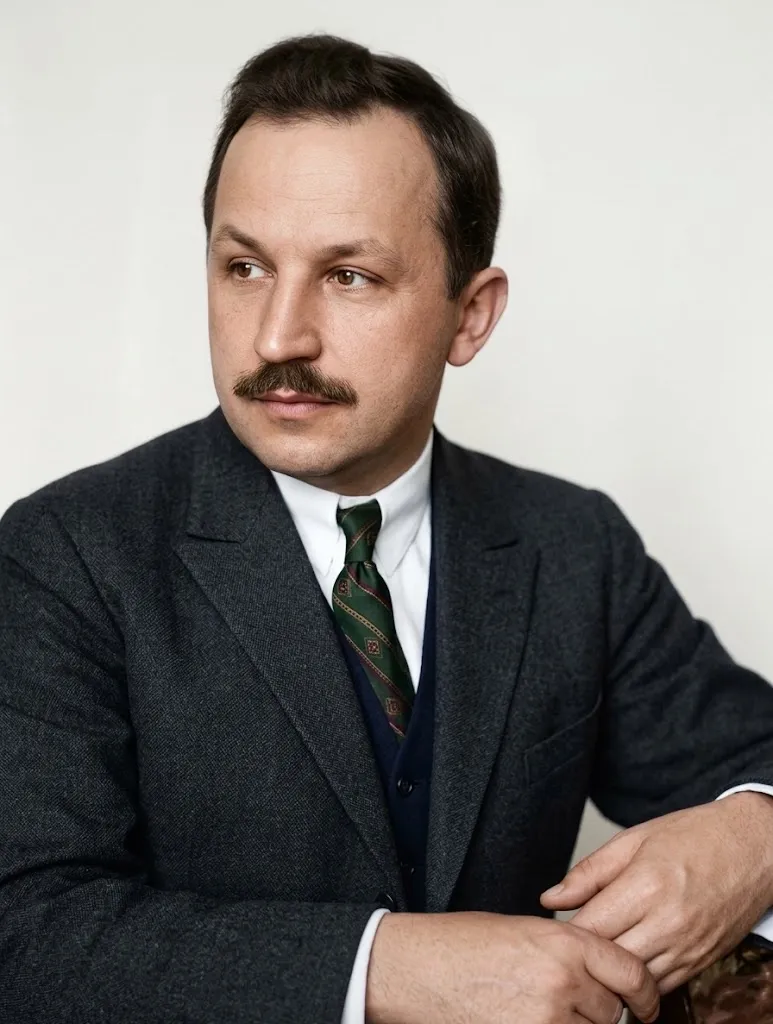
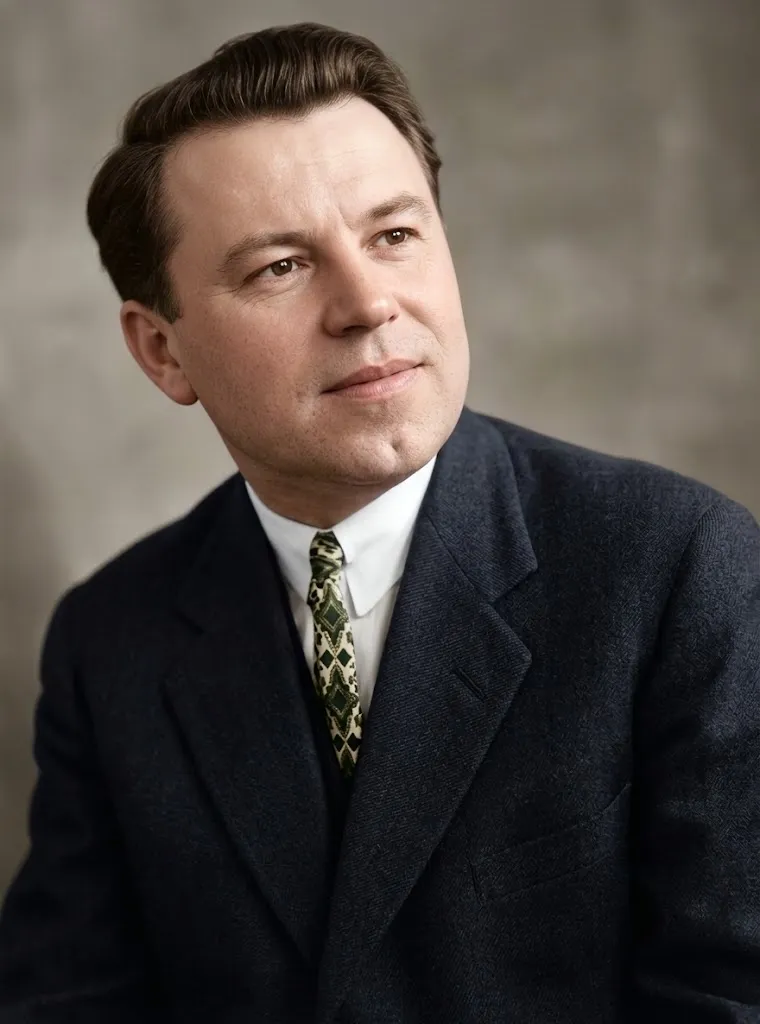
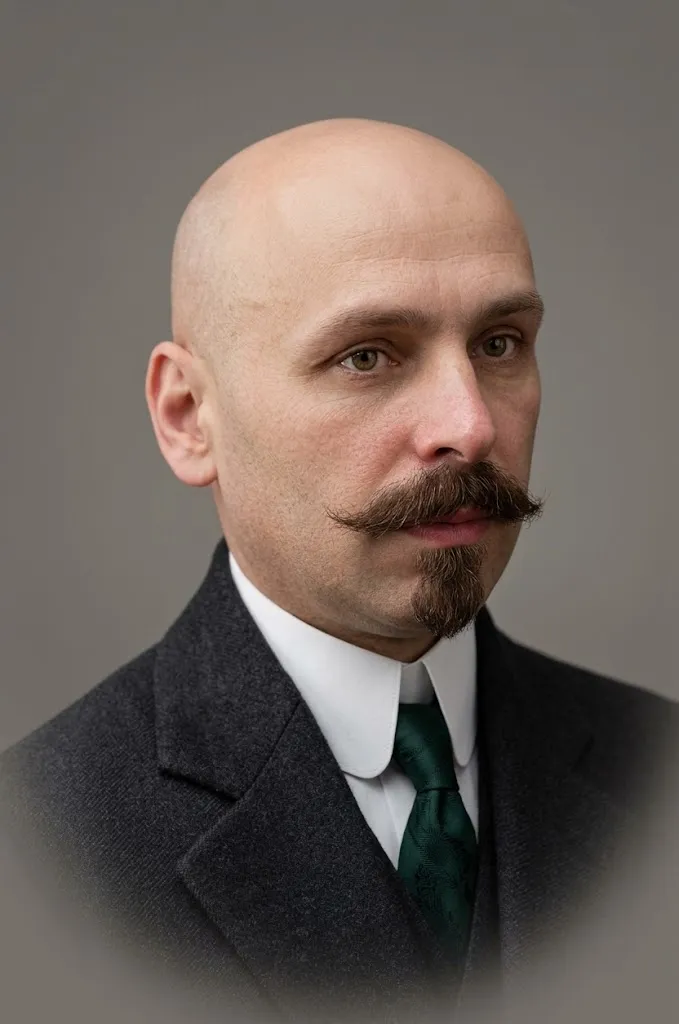
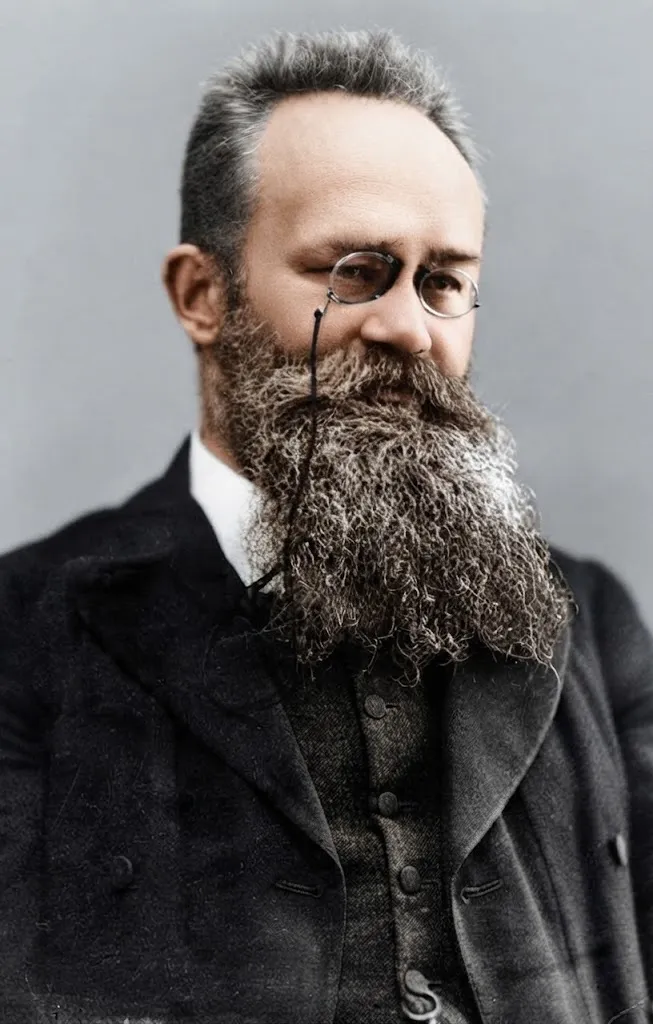
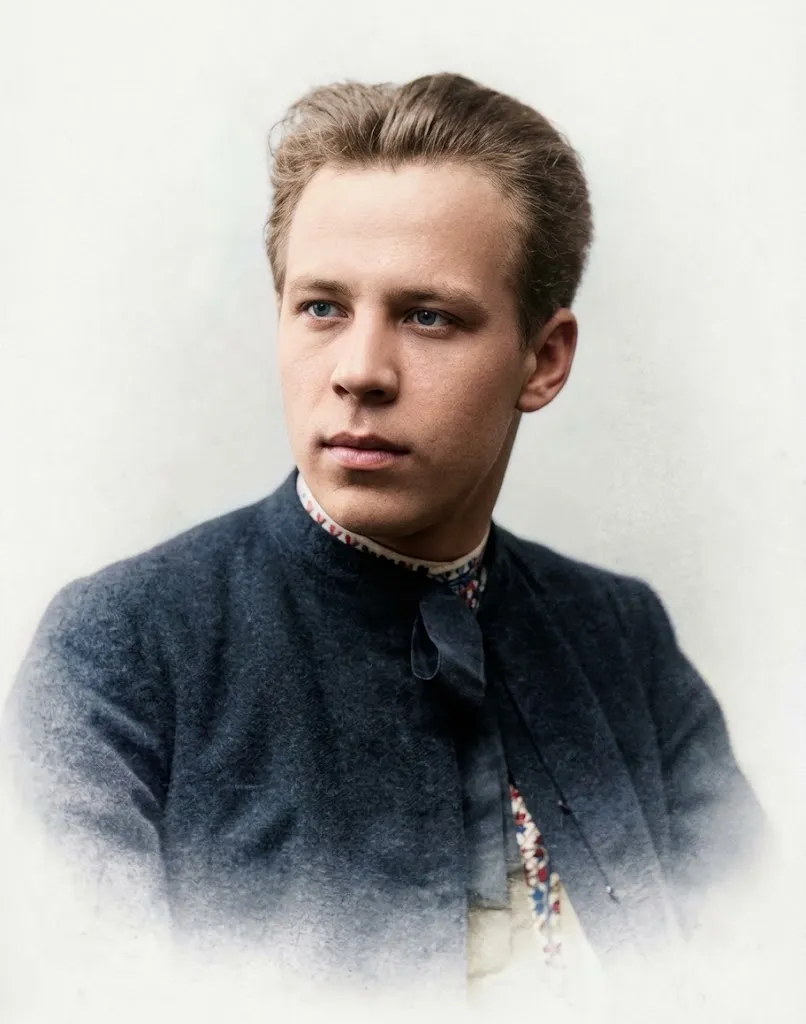
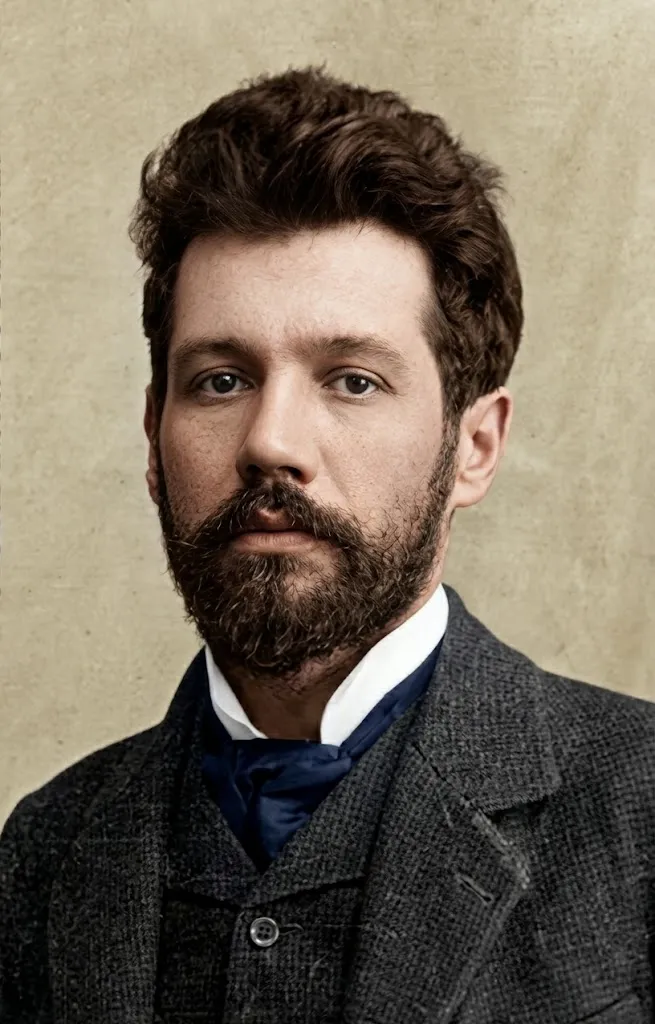
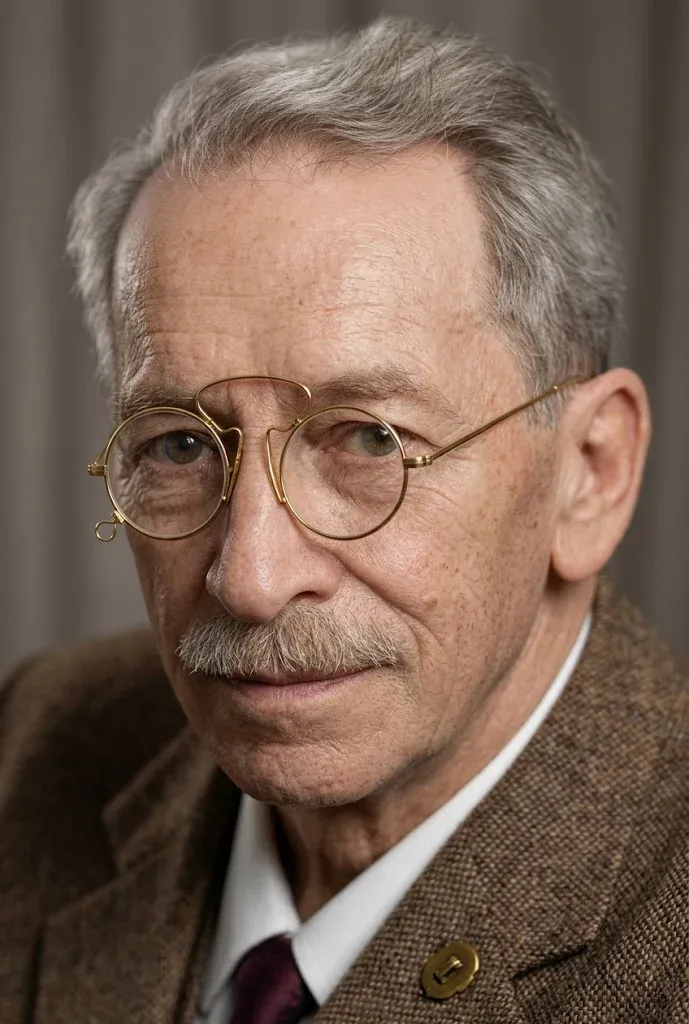
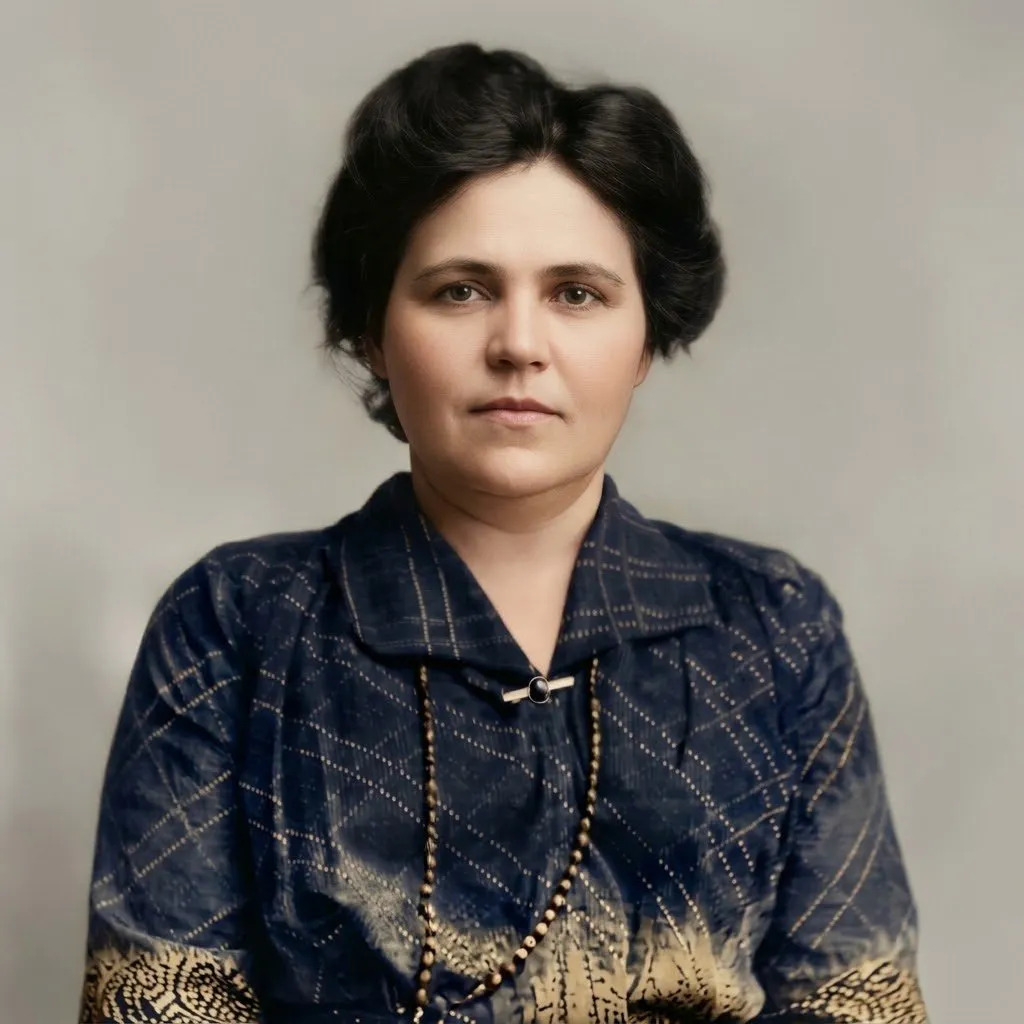
Mykhailo Mohylianskyi
Literary critic and writer
He said Khvylovy’s call to look to Europe felt like a window thrown open in a stuffy room. Mykhailo Mohylianskyi, a critic and writer, was an older friend of the Kyiv Neoclassicists. For ten years he headed the commission compiling a Biographical Dictionary of Ukrainian Figures.
Key accomplishments
- The collection Stories (1916); the novel Honour (1929, published 1990)
- Studies of Kotsiubynskyi, Franko, Lesya Ukrainka, Shevchenko, Kulish and Skovoroda
- Translations of Mykhailo Kotsiubynskyi’s stories into russian
- Head of the Academy of Sciences commission compiling the Biographical Dictionary of Ukrainian Figures (1923–1933)
- Backed the European orientation of Khvylovy and the Neoclassicists in the Literary Discussion of 1925–1928
A window in a stuffy room
Where should Ukrainian literature go? In May 1925, writers in Kyiv were arguing about exactly that. Mykola Khvylovy had urged it to learn from Europe rather than copy russian culture. The oldest speaker at the debate, the critic Mykhailo Mohylianskyi, said that Khvylovy’s article had worked like a window thrown open in a room where it was hard to breathe.
From St Petersburg to Kotsiubynskyi
Mohylianskyi did not come to Ukrainian literature straight away. He was born in 1873 in Chernihiv, into a lawyer’s family, and studied law in St Petersburg. As a student he joined Marxist circles, and in 1899 he was arrested, held in prison for several months and sent back to Chernihiv under police surveillance. After the revolution of 1905 he joined the russian Constitutional Democratic (Kadet) party.
It was Mykhailo Kotsiubynskyi who finally drew him into Ukrainian literature: the two became friends in Chernihiv, and Mohylianskyi translated his stories into russian. In 1917 he left the Kadets over their stand on the national question and founded a Ukrainian publishing house, Siverianska Dumka, in Chernihiv.
An older friend of the Neoclassicists
For ten years Mohylianskyi headed the Academy of Sciences commission compiling a Biographical Dictionary of Ukrainian Figures; he lived in Kyiv from 1923. His office became a meeting place for the Neoclassicists: Mykola Zerov, Pavlo Fylypovych, Mykhailo Drai-Khmara. At public debates he stood with Zerov and Fylypovych for high standards in literature, and the regime’s critics attacked him as hard as they attacked Zerov. He never formally belonged to the group, and in 1926, trying to escape the hounding, he even publicly distanced himself from it.
One story
The journal Chervonyi Shliakh published his story The Murder in 1926. Critics read it as condemning Mykhailo Hrushevskyi, who had returned from emigration to Soviet Ukraine in 1924. The story was branded “nationalist”, and from then on Mohylianskyi could publish only under pen names.
Without Kyiv, without the dictionary
The dictionary he had led for ten years was shut down in 1933, a year after his wife died in the famine. Mohylianskyi himself was barred from living in Kyiv. In 1937 his daughter Lidiia was shot, and a few months later his son Dmytro died in the repressions. Mykhailo Mohylianskyi died on 22 March 1942, as an evacuee, in the village of Bolshaya Murta in the Krasnoyarsk region.
Why it matters today
Mykhailo Mohylianskyi travelled from being a russian journalist in the imperial capital to being a Ukrainian writer, and he became a bridge between Kotsiubynskyi’s generation and the young Neoclassicists. In the argument of 1925 he, the oldest in the room, sided with those who called Ukrainian literature towards Europe and towards real craftsmanship. For that, and for one story, the regime took away his name in literature. Anyone who stands up for a European path for Ukrainian culture today carries on the argument in which he was not afraid to speak.