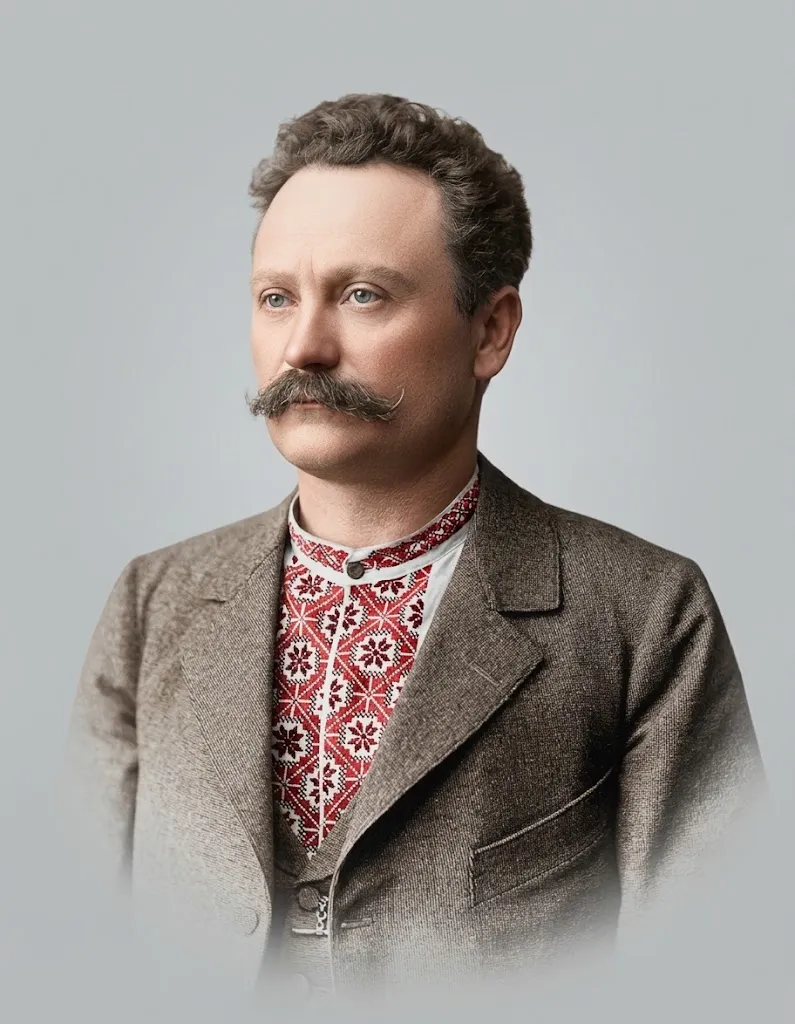
Mykhailo Kotsiubynskyi
Classic of Ukrainian prose
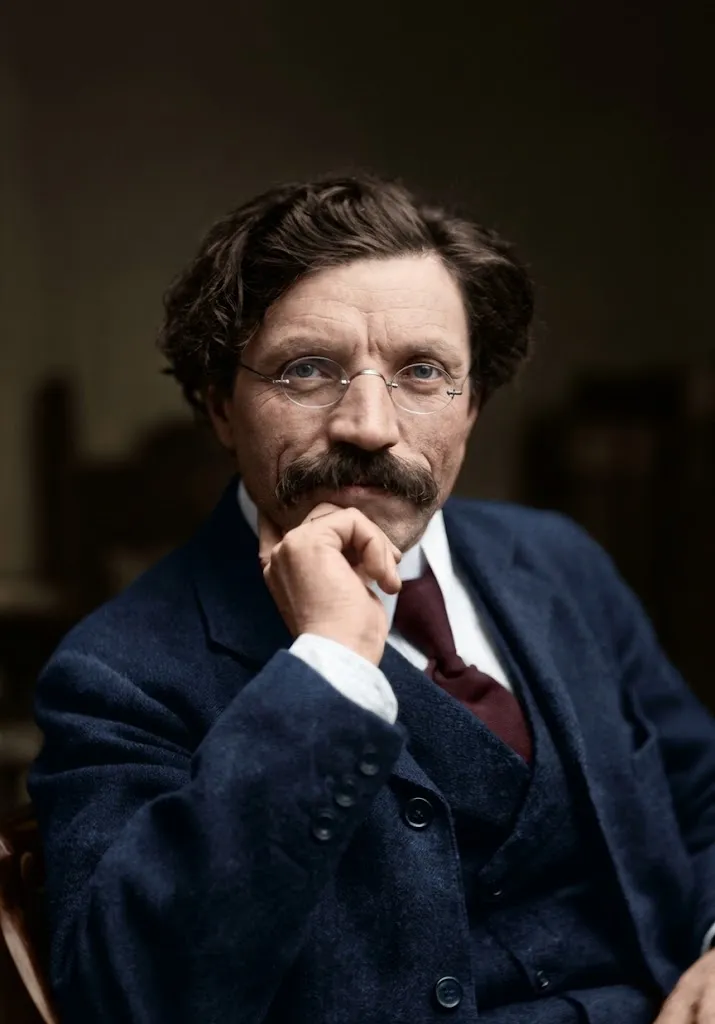
The Hutsul novella that Sergei Parajanov turned into Shadows of Forgotten Ancestors was written by a man from Vinnytsia in Podillia after a trip to the Carpathians. Mykhailo Kotsiubynskyi is one of the great masters of Ukrainian prose and a classic of Ukrainian modernism.
Key accomplishments
- The novella Shadows of Forgotten Ancestors (1911), about the life of the Hutsuls
- The novella Fata Morgana, about the Ukrainian village during the revolution of 1905–1907
- The stories “Intermezzo”, “The Apple Blossom” and “On the Rock”
- Headed the Prosvita society in Chernihiv (1906–1908)
A tutor under police watch
From his seminary years until the end of his life, Mykhailo Kotsiubynskyi was under police surveillance. He was born in 1864 in Vinnytsia, the son of a minor civil servant, and spent his childhood in various small towns of Podillia. He studied at the Sharhorod religious school and the Kamianets-Podilskyi Theological Seminary, but did not finish the seminary. To support his family he worked as a private tutor, and in 1892 he joined the secret Brotherhood of Taras.
From vineyards to Chernihiv
Kotsiubynskyi spent several years in the 1890s fighting a vineyard pest for the phylloxera commission in Bessarabia and Crimea. In 1898 he moved to Chernihiv, where he worked as a zemstvo statistician and in 1906–1908 headed the local Prosvita society. Early on he got to know Galician public figures, including Ivan Franko, and published in Galician periodicals.
Prose written in impressions
He began as a realist and grew into one of the most gifted Ukrainian modernists. His impressionist stories “On the Rock”, “The Apple Blossom” and “Intermezzo” combine subtle psychology with lyricism. The novella Fata Morgana depicts the Ukrainian village during the revolution of 1905–1907, and Shadows of Forgotten Ancestors (1911), written after a stay in the Carpathians and later illustrated by Olena Kulchytska, portrays the life of the Hutsuls with their beliefs and legends. Because of heart disease he went for treatment to the island of Capri. He died in Kyiv in 1913 and was buried in Chernihiv.
Why it matters today
Kotsiubynskyi showed how subtle and modern Ukrainian prose could be: starting as a realist, he grew into one of the most gifted Ukrainian modernists. A man from Podillia, he opened the world of the Hutsuls to readers in Shadows of Forgotten Ancestors, the novella Sergei Parajanov turned into a film. Under police watch from his seminary years until his death, he still wrote in Ukrainian and headed the Prosvita society in Chernihiv. To feel how vivid Ukrainian prose can be, start with his books.