1912–1978
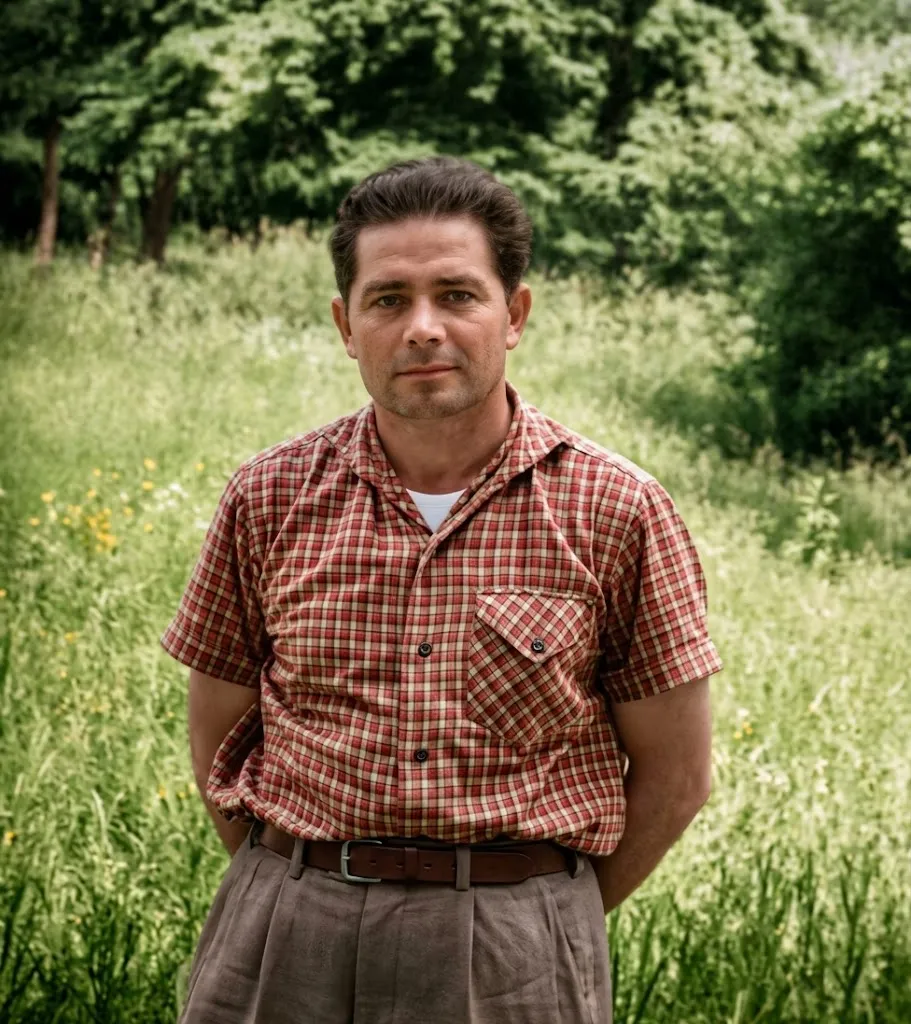
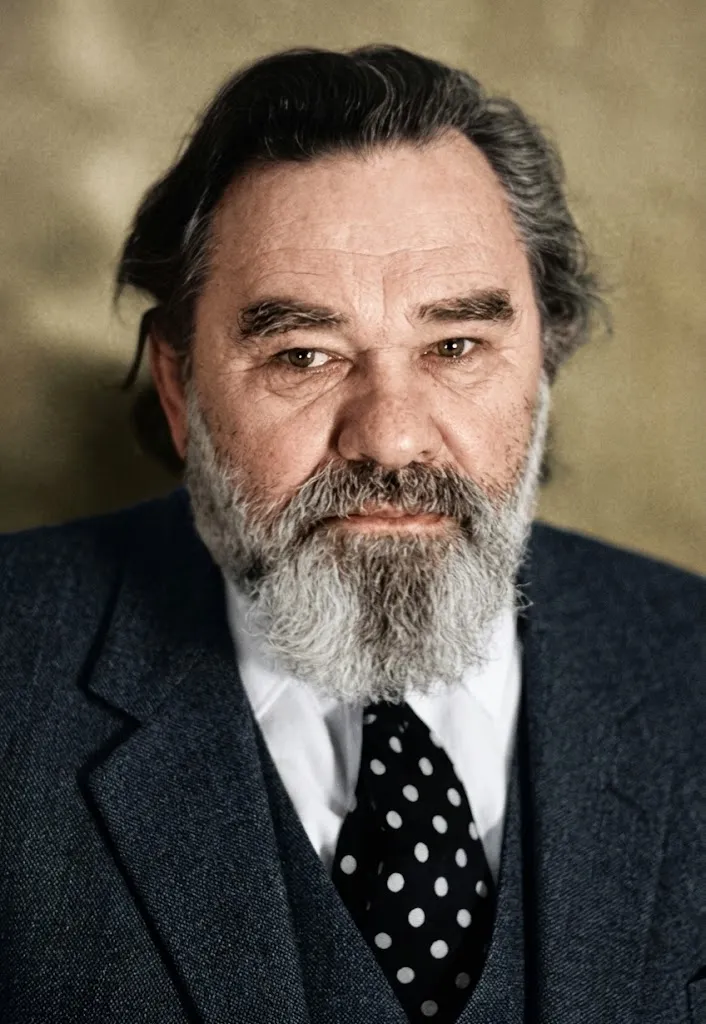
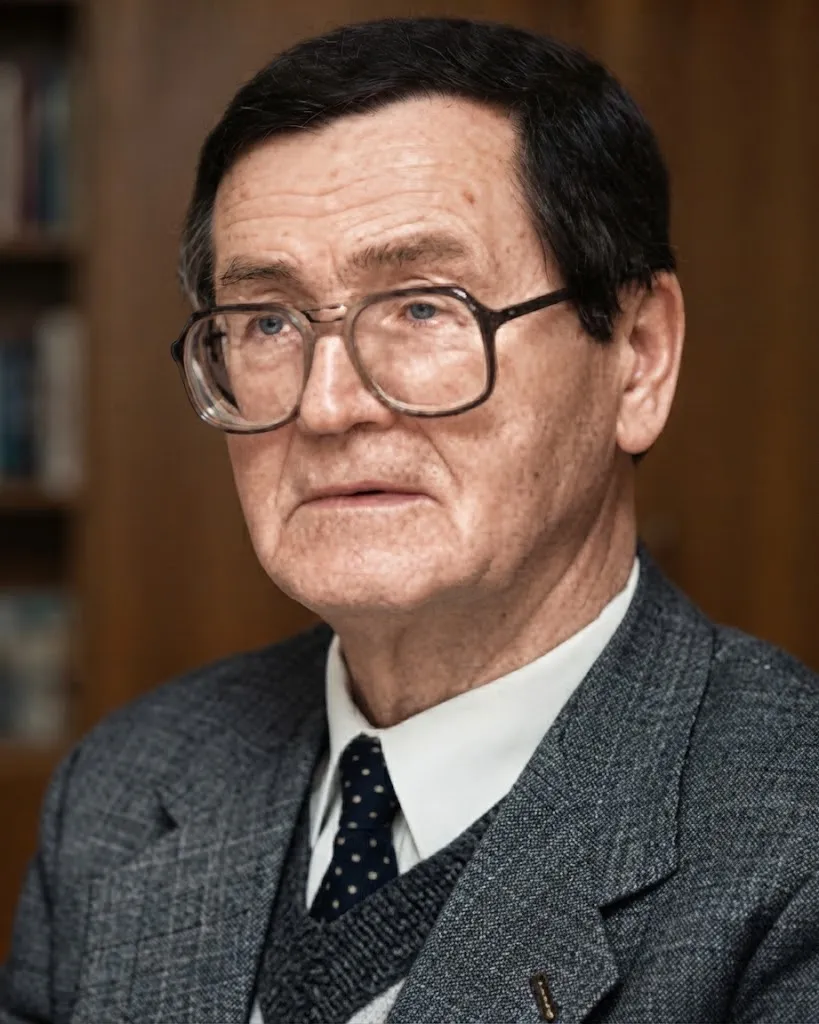
Oleksa Hirnyk
Dissident, political prisoner
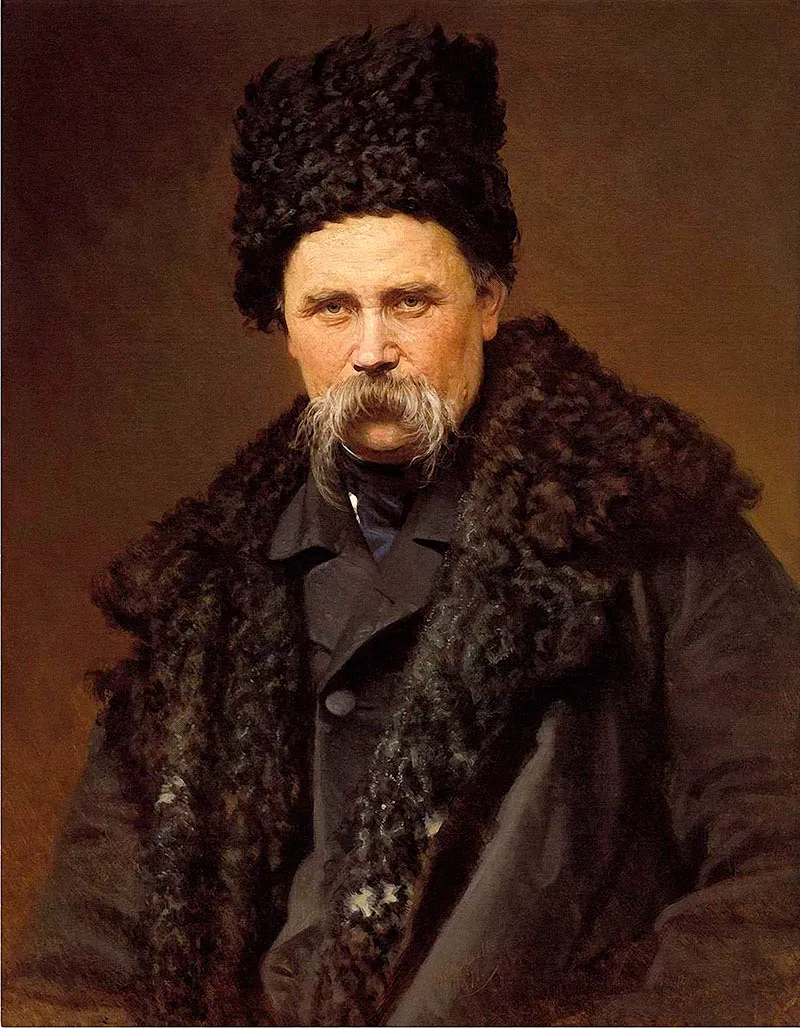
A thousand leaflets, every one written by hand. Oleksa Hirnyk, who had been held in Polish prisons and Soviet camps, scattered them by Shevchenko’s grave in Kaniv and set himself on fire in protest at Russification. Ukraine learned of it only after independence.
Key accomplishments
- Member of the OUN and active in the Prosvita and Sokil societies around Stanyslaviv (1930s)
- Held in Polish prisons (1937–1939) and Soviet camps (1940–1948)
- About a thousand handwritten leaflets against Russification, scattered on Chernecha Hill in Kaniv (1978)
- Hero of Ukraine (2007, posthumously)
A thousand leaflets by hand
Imagine a country where you can’t freely print a single word against the government. Oleksa Hirnyk, a pensioner from Kalush, spent his evenings secretly writing leaflets by hand, hidden from his family. He set up a small hidden room at home and filled about a thousand sheets: about Ukraine’s history, with quotes from Taras Shevchenko and a protest against Russification.
Two regimes, the same bars
Hirnyk was born in 1912 in Bohorodchany, in the Carpathian foothills. He finished school in Stanyslaviv (now Ivano-Frankivsk), joined the Organisation of Ukrainian Nationalists (OUN) and was active in the Prosvita and Sokil societies. While serving in the Polish army in 1937 he was convicted for nationalist activity and stayed in Polish prisons until the war of 1939.
In the autumn of 1939, in Stryi, the Soviet secret police (NKVD) arrested him. He spent eight years in Soviet camps. He came back in 1948, married, raised two sons and from 1952 lived with his family in Kalush.
A night on Chernecha Hill
The 60th anniversary of the independence of the Ukrainian People’s Republic, proclaimed on 22 January 1918, was approaching. Hirnyk told his wife he was going to Lviv. Instead he went to Kaniv. On the night of 21 January 1978 he scattered his leaflets on Chernecha Hill, by Shevchenko’s grave, and set himself on fire. The leaflets read: “A protest against the Russian occupation of Ukraine! A protest against the Russification of the Ukrainian people!” In a farewell letter to his wife he called his protest Shevchenko’s words.
The police and the KGB gathered almost 970 leaflets, but local people, and even some police officers, hid a few. Talking about it was forbidden. The family was told he had died in a car crash, and rumours were spread that he was a drunk.
Why it matters today
Two regimes kept Oleksa Hirnyk behind bars, but he did not give up what he believed in. At a time when words could send you to the camps, he reminded people of Ukraine’s history by hand and spoke out against Russification, and he gave his life for his protest, as Vasyl Makukh had before him. The authorities wanted him forgotten, but ordinary people hid a few sheets, and the truth has reached us. His act shows that one person with pen and paper can keep the truth alive.