1849–1920
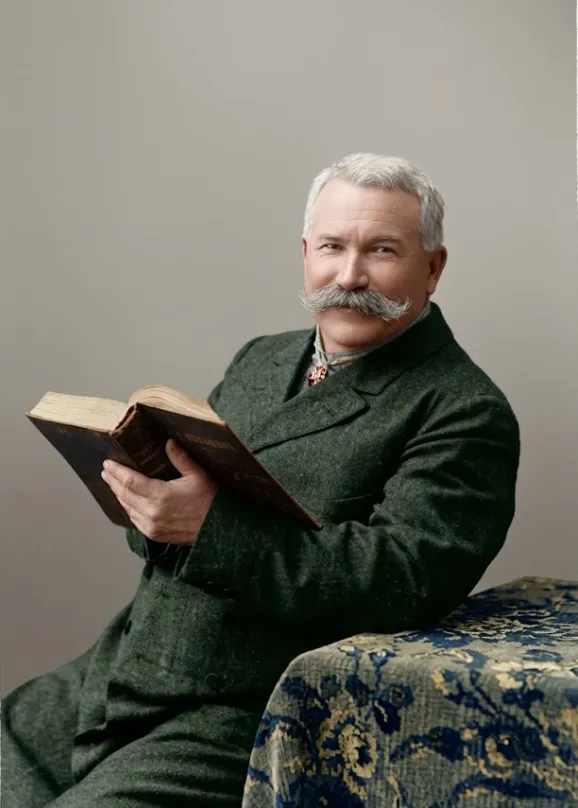
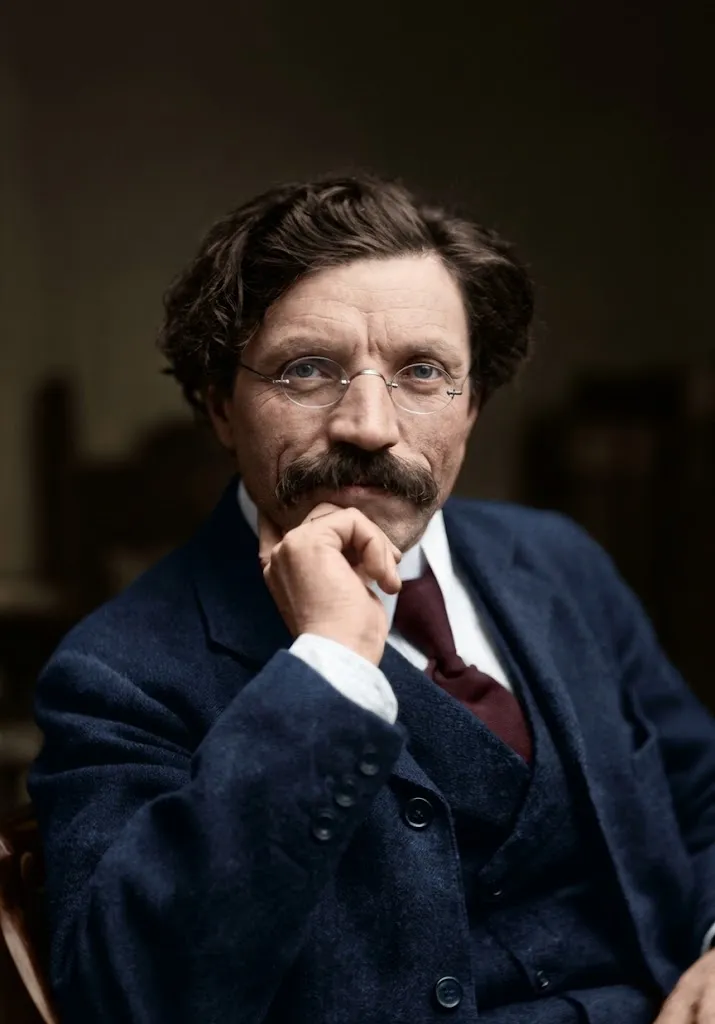
Panas Myrnyi
Writer, author of Do Oxen Low…?
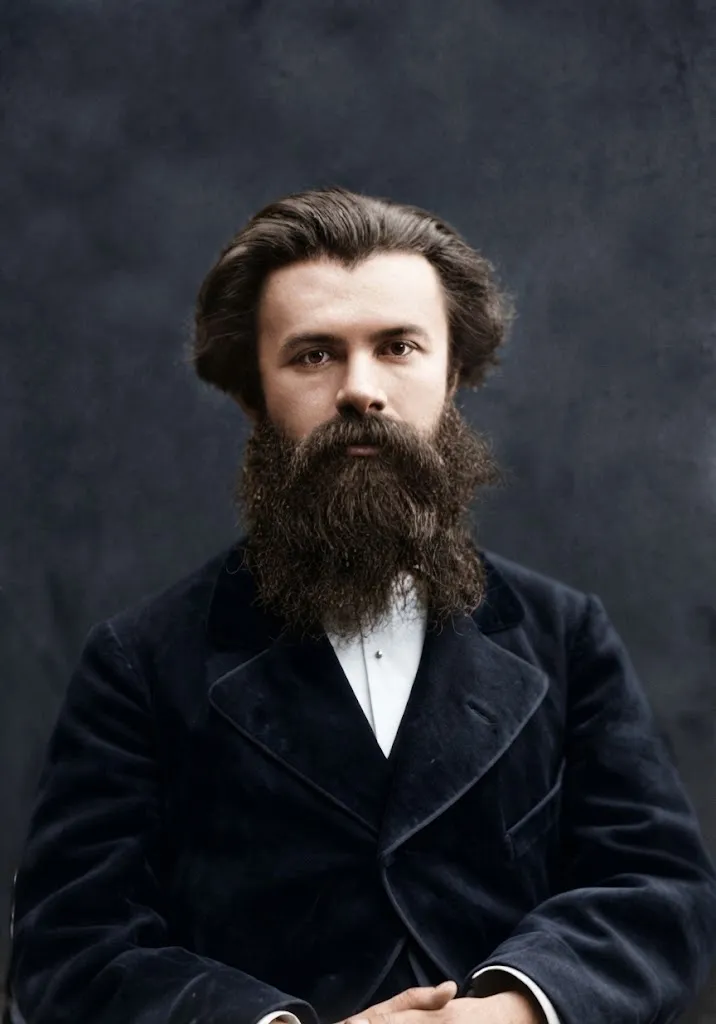
The first great realist novel in Ukrainian literature came out not in Ukraine but in Geneva. Two brothers from the Poltava region wrote it, and one of them was Panas Rudchenko, known as Panas Myrnyi. By day he was a treasury official; in literature he became a classic.
Key accomplishments
- The novel Do Oxen Low When Their Mangers Are Full? (1872–1875), with his brother Ivan Bilyk: the first great realist novel in Ukrainian literature
- The novel The Loose Woman (Poviia) and the drama Lymerivna (both 1883)
- Ukrainian translations of Shakespeare’s King Lear (1895) and Longfellow’s The Song of Hiawatha (1899–1900)
- Co-founder of the Poltava Ukrainian weekly Ridnyi krai (1905)
The official who wrote at night
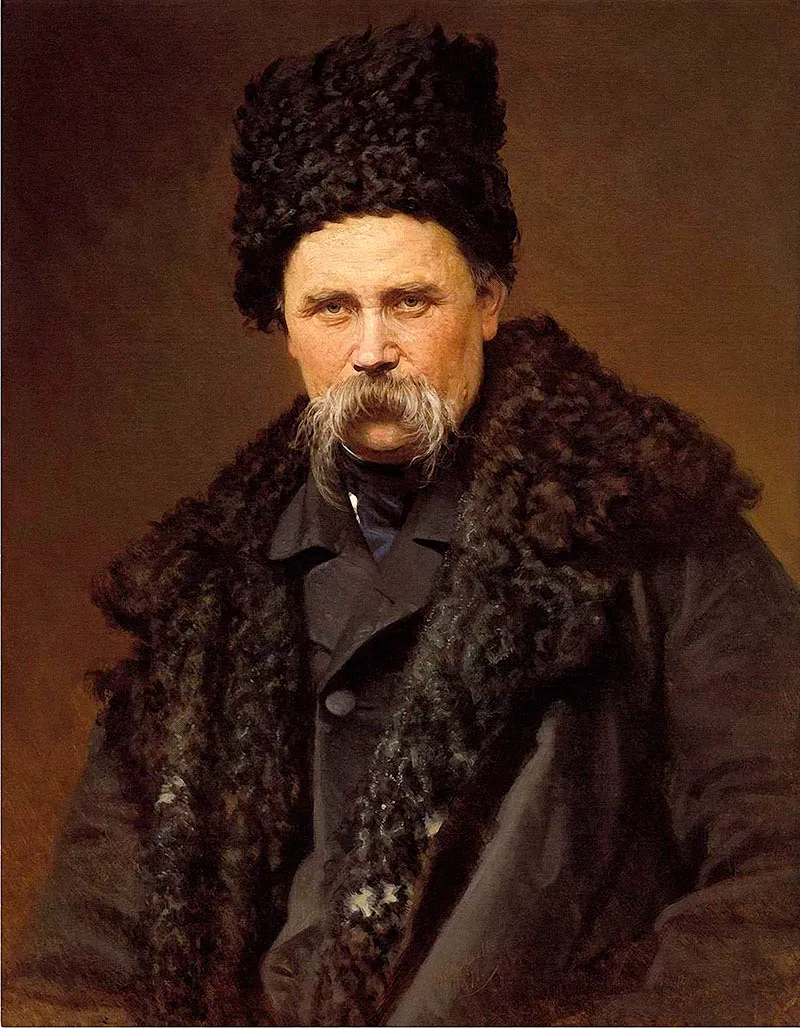
Panas Rudchenko was born in 1849 in Myrhorod, into the family of a minor official. He went to the district school in Hadiach and at 14 started work as a clerk. From 1871 he was an accountant at the treasury in Poltava, and he stayed in government service for the rest of his life. In 1914 he rose to the rank of state councillor. But Ukrainian literature knows him by another name: Panas Myrnyi. The works of Taras Shevchenko shaped his views and his style.
A novel printed in Geneva
Together with his brother Ivan Rudchenko, who wrote as Ivan Bilyk, Panas began the novel Do Oxen Low When Their Mangers Are Full? in 1872. It follows a Ukrainian village from serfdom to the years after the reform. The brothers finished it in the autumn of 1875. But in 1876 came the Ems Decree, which banned printing Ukrainian books in the russian empire, so Ivan sent the manuscript to Mykhailo Drahomanov in Geneva. The novel came out there in 1880. It is considered the first great realist novel in Ukrainian literature.
The Loose Woman and translations
In the russian empire Myrnyi was first printed only in 1883, when the almanac Rada carried the first part of his novel The Loose Woman, about the village after serfdom was abolished. That same year he wrote the drama Lymerivna, his most popular play. Myrnyi translated Shakespeare’s King Lear and Longfellow’s The Song of Hiawatha into Ukrainian.
Poltava and Ridnyi krai
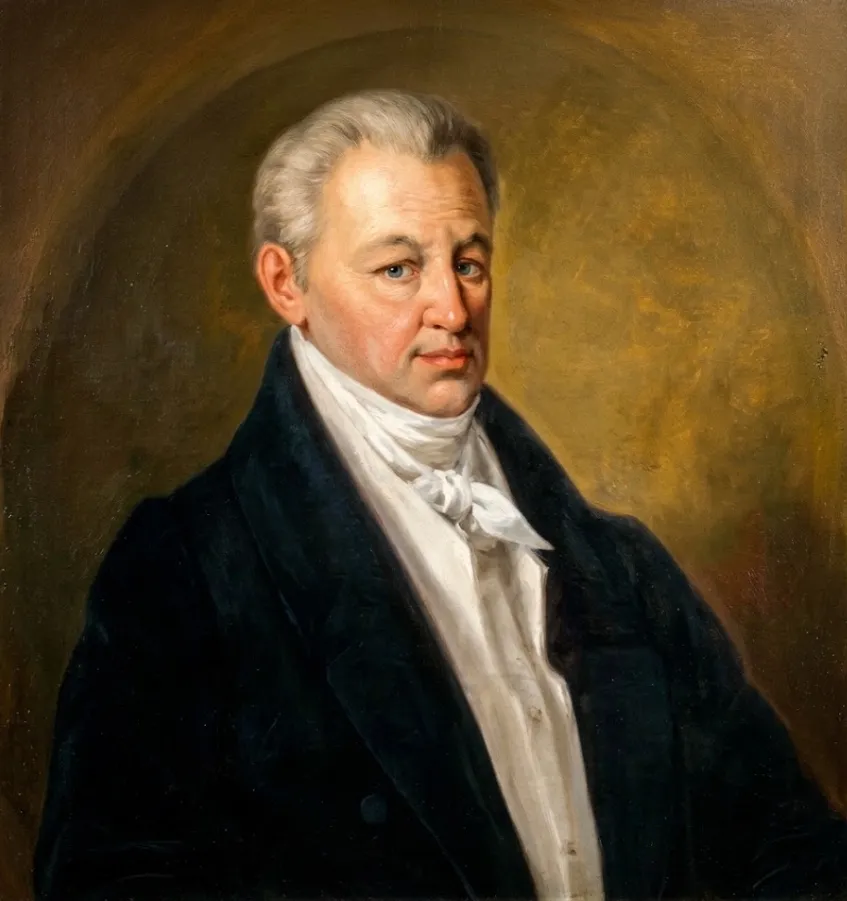
Myrnyi co-founded the Poltava Ukrainian weekly Ridnyi krai (“Native Land”) in 1905; its first issue opened with his poem. In 1918 he wrote and edited children’s books for the publisher Zirka. His last public appearance was in September 1919, at the celebration of the 150th anniversary of Ivan Kotliarevskyi. Panas Myrnyi died in Poltava on 28 January 1920.
Why it matters today
With his brother, Panas Myrnyi gave Ukrainian literature its first great realist novel, the story of a Ukrainian village from serfdom to the years after the reform. When the Ems Decree banned Ukrainian books, the novel still reached its readers, by way of Geneva. All his life he worked at the treasury and found time for literature outside his job. His path shows that great literature can be written even when your language is kept out of print.