1855–1920
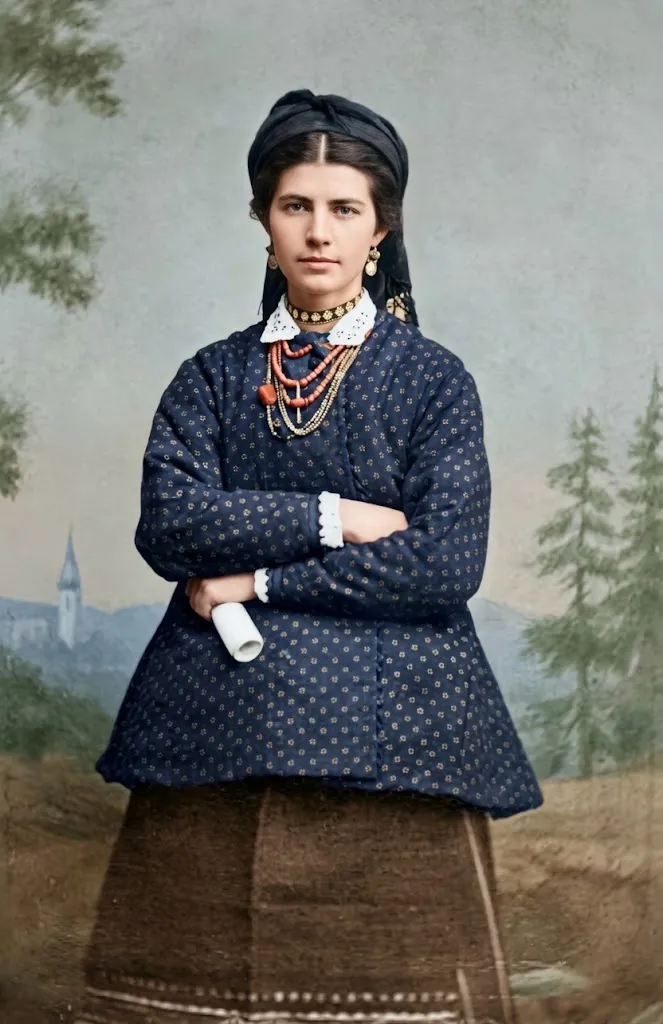
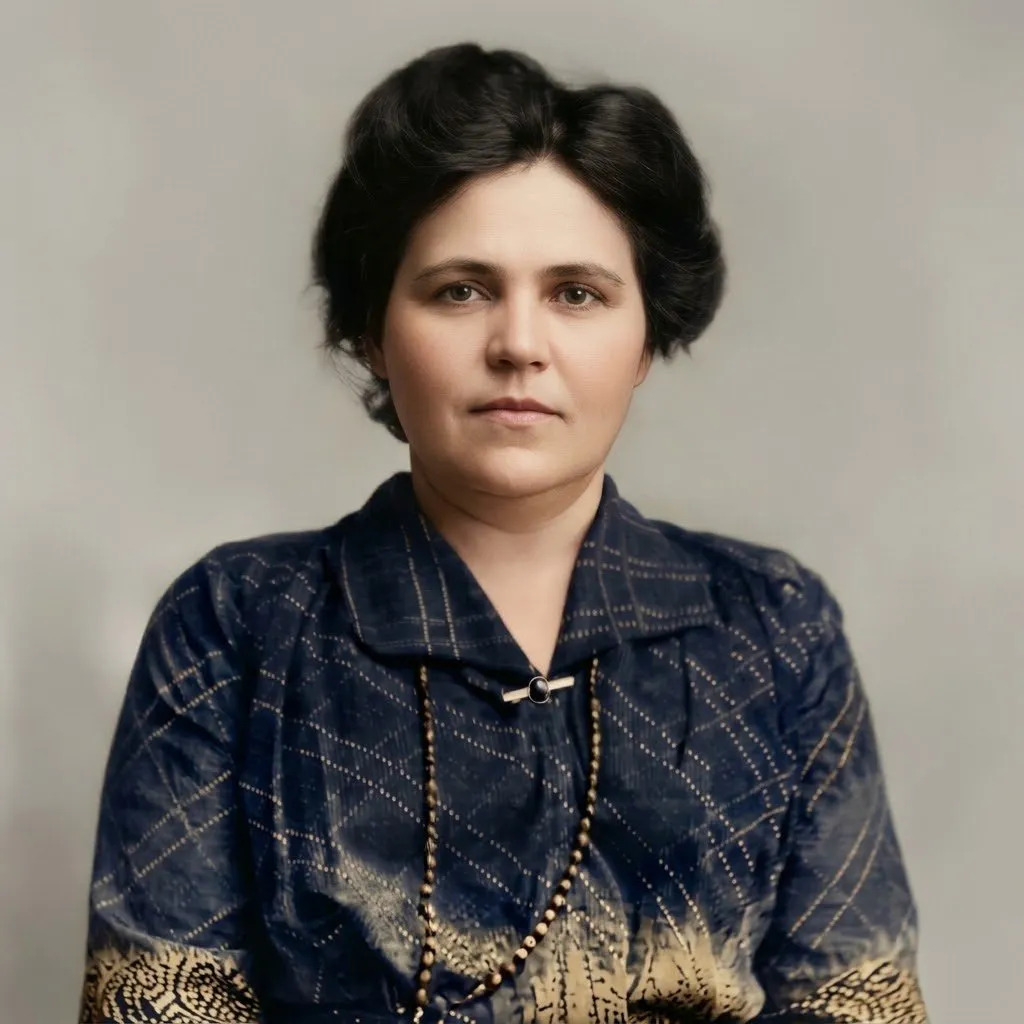
Nataliia Kobrynska
Writer, women’s movement pioneer
She married on the condition that she would not just keep house but work for her people. In 1884 Nataliia Kobrynska founded the first Ukrainian feminist organization, and with Olena Pchilka she published the first women’s almanac, The First Wreath (1887).
Key accomplishments
- Founded the Society of Ruthenian Women in Stanyslaviv (1884)
- Compiled The First Wreath (1887), the first Ukrainian women’s almanac, with Olena Pchilka
- Called the first public women’s assembly in Stryi (1891)
- Founded the Women’s Library press and published the almanacs Our Fate (1893–1896)
- The prose collections The Spirit of the Times (1898) and Fairy Tales (1904)
A marriage on special terms
Did you know Nataliia Ozarkevych married on special terms? She agreed with her fiancé, Teofil Kobrynskyi, who was to become a priest, that she would not be weighed down with housework and would work for her people instead, women’s rights included. People often made fun of the couple. Her husband stood by her. “Galicia has plenty of good housewives, but few toilers of the spirit,” he used to say.
A priest’s daughter from the Sniatyn area
She was born on 8 June 1855 in the village of Beleluia near Sniatyn (now in the Ivano-Frankivsk region), the daughter of the priest Ivan Ozarkevych, a deputy to the Galician Diet and the Austrian parliament. Other sources give her birth year as 1851. Nataliia was educated at home. Eight years after the wedding her husband died suddenly. On the day of his funeral Nataliia cut off her long braids and laid them in his coffin, and from then on she wore black every day, which earned her the nickname “the lady in black”. The young widow went back to her parents and travelled with her father to Vienna, where she met Ukrainian students. Soon she began to write: her first story, “Mrs Shuminska” (later retitled “The Spirit of the Times”), came out in 1883, followed in 1884 by the novella “For a Piece of Bread”.
The day a movement began
On 8 December 1884 the Society of Ruthenian Women, founded by Kobrynska, held its first meeting in Stanyslaviv (now Ivano-Frankivsk). That date is seen as the start of the Ukrainian women’s movement. The society set out to shape “the growth of the female spirit” through literature and cared about education for village women. In 1891 Kobrynska called the first public women’s assembly in Stryi. She collected signatures for a petition to the Austrian government for women’s right to education. Kobrynska was convinced that women’s lives would change only through national awareness and a sound education. That is why she argued with the German socialist Clara Zetkin, who held that the women’s question would be solved by changing the capitalist system.
The First Wreath
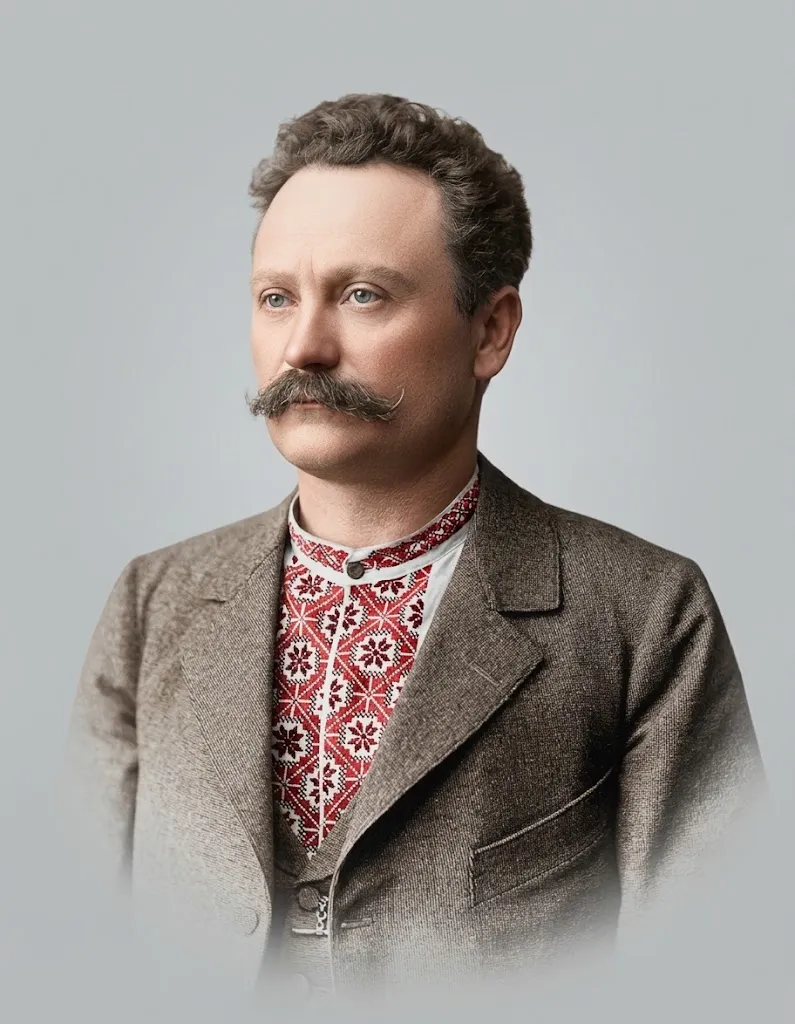
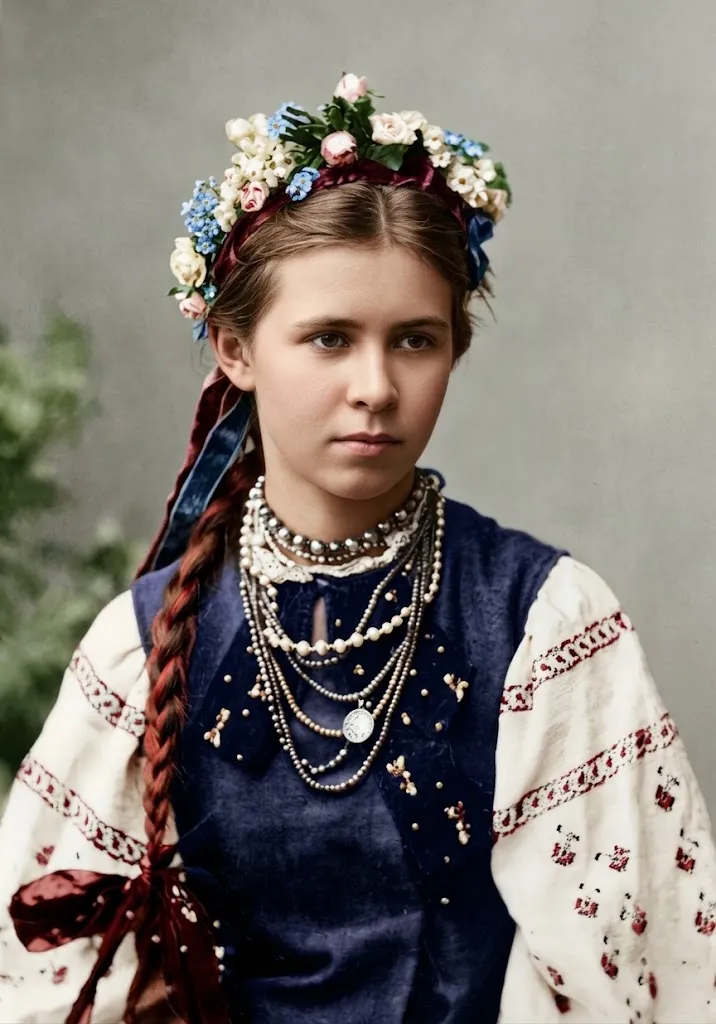
In 1887, with Olena Pchilka and with the support of Ivan Franko, Kobrynska published the almanac The First Wreath in Lviv. It brought together work by 17 Ukrainian women writers from different lands, Lesya Ukrainka among them, along with Kobrynska’s own essays on the women’s movement. Later she founded the Women’s Library press and published the almanacs Our Fate. Her own prose moved from realistic sketches of Galician life to symbolist “psychograms” about the subtlest human feelings. Her contemporaries did not accept these experiments.
Day nurseries for village children
At the women’s assembly in Stryi in 1891, Kobrynska raised the idea of day nurseries, then called zakhoronky. She argued to village communities that looking after children together during field work was not a “lordly amusement” but a necessity for children’s health and for women’s development. She wanted to make life easier for working mothers and set about putting the idea into practice herself: she is seen as one of the first in Galicia to start organizing kindergartens.
The last winter
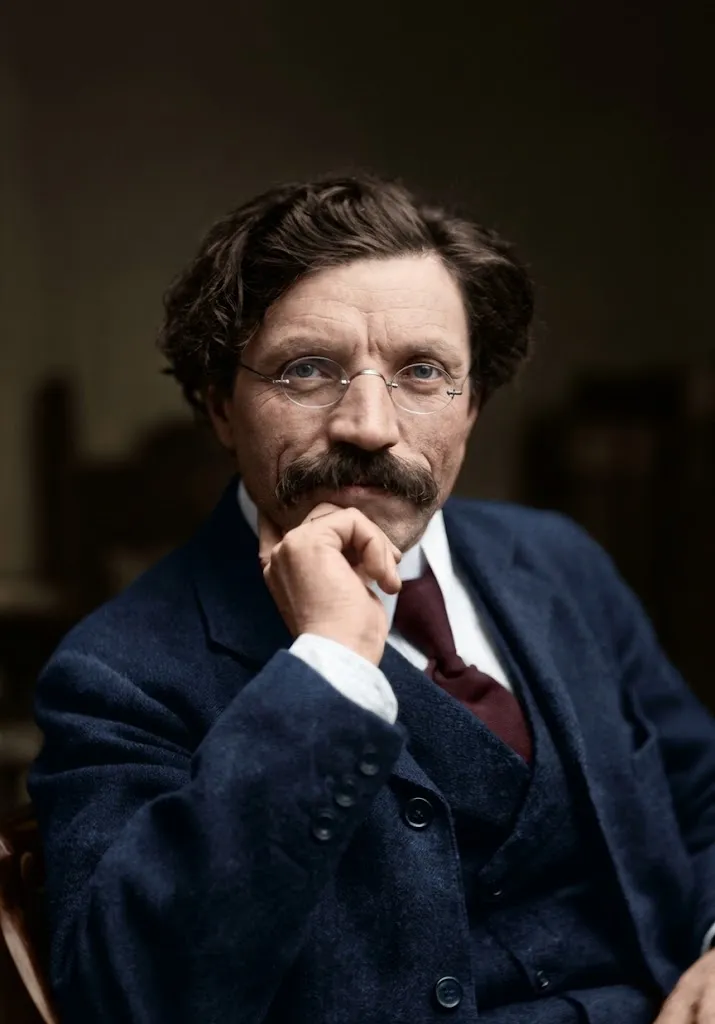
During the First World War, in 1915, Kobrynska was arrested and accused of spying; the lawyer and writer Andrii Chaikovskyi saved her from a camp. In her home in Bolekhiv she welcomed the Ukrainian Sich Riflemen. In the winter of 1920 she caught typhus and died alone in Bolekhiv; she was found dead on 22 January. As she had asked, her gravestone reads: “My heart no longer aches.”
Why it matters today
Nataliia Kobrynska started the women’s movement in Galicia: she said out loud that a Ukrainian woman has a right to education, work and a voice of her own, and she turned those words into a society, an assembly and a book. She tied women’s rights to the cause of the whole nation. The First Wreath gave Ukrainian women writers from different lands their first shared book. Every girl who studies today, chooses a profession and takes part in public life is using what Kobrynska fought for.