1845–1907
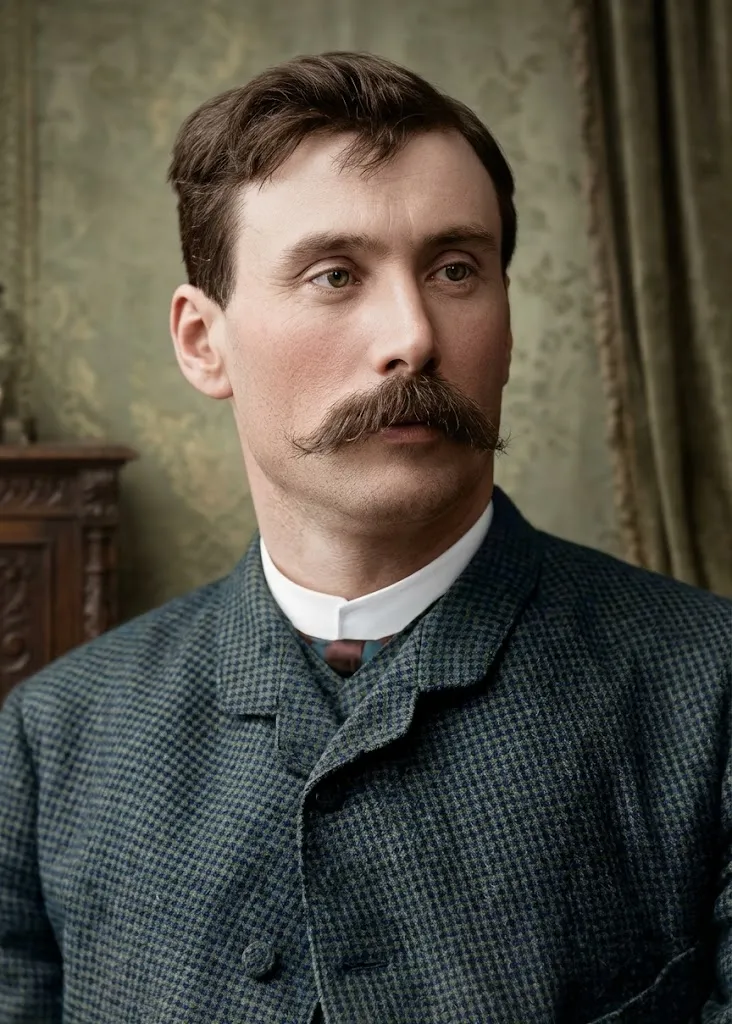
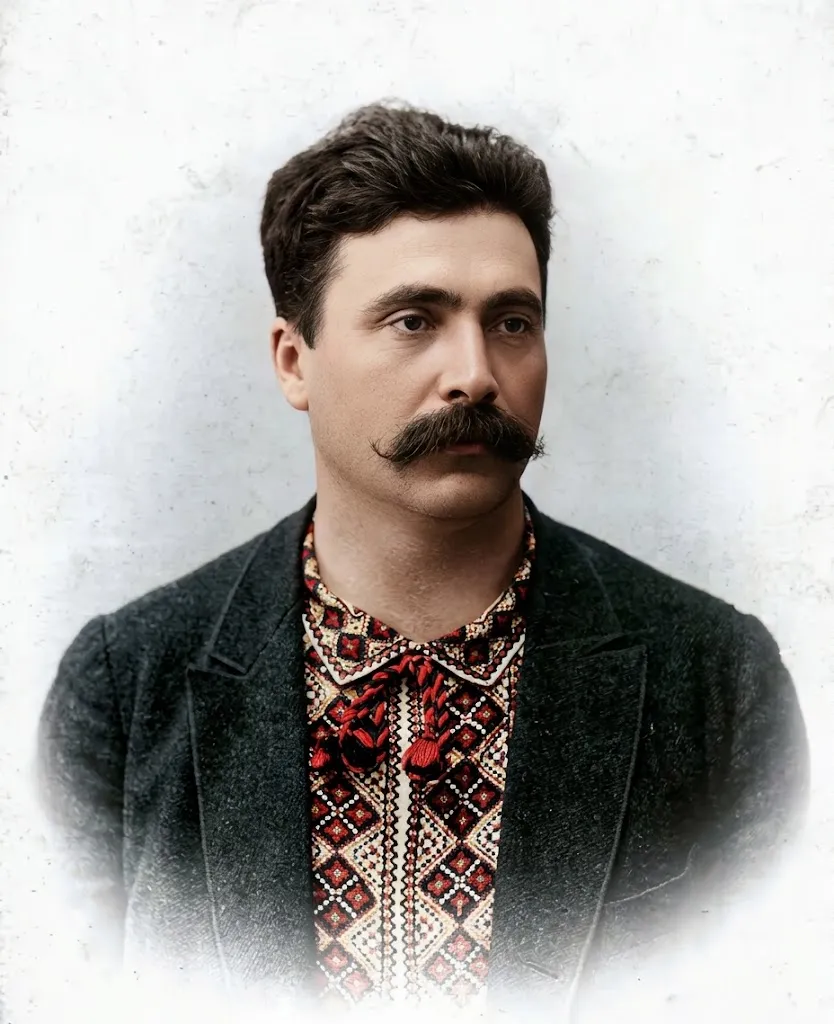
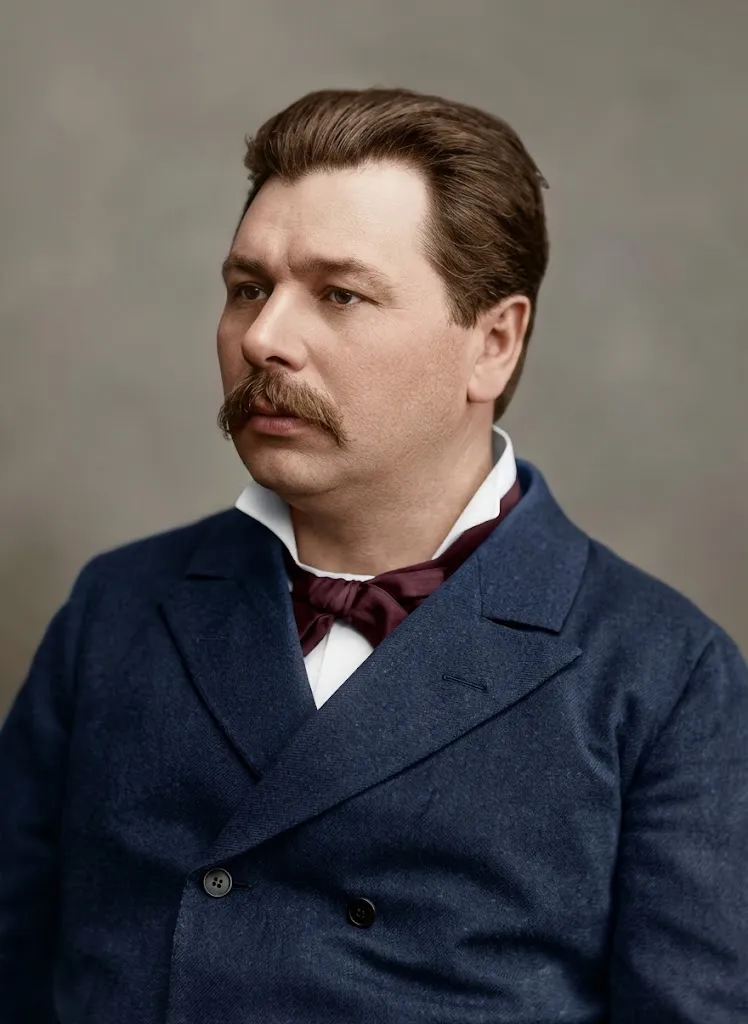
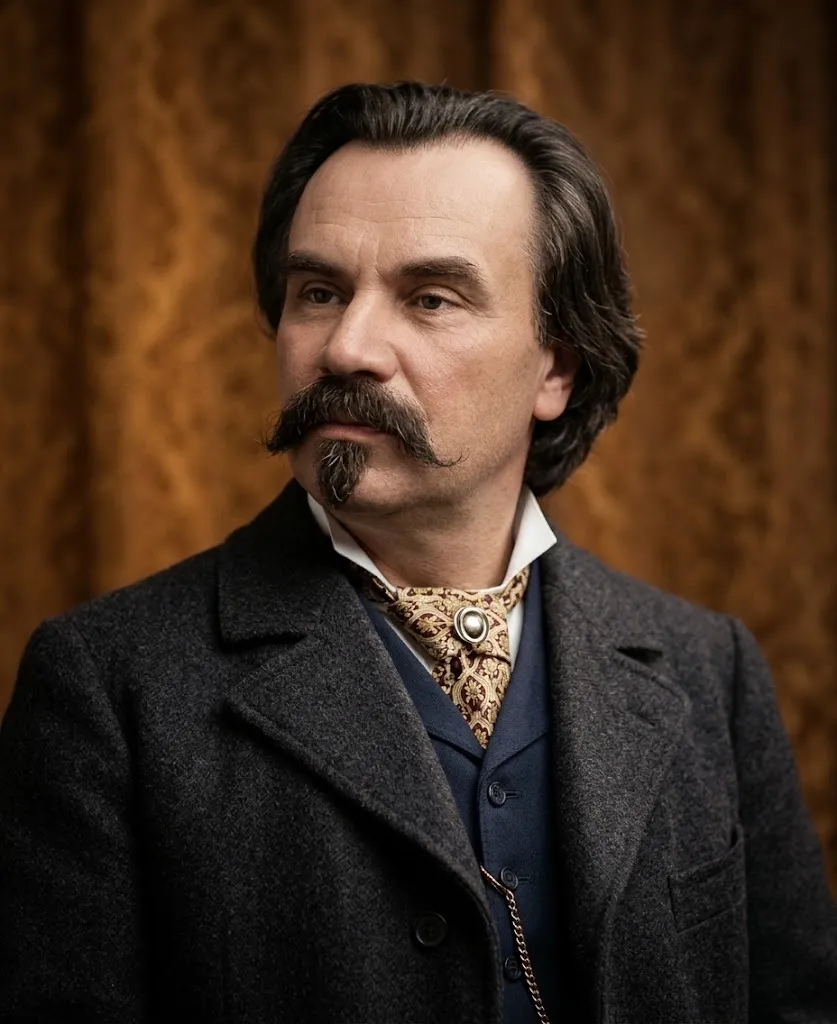
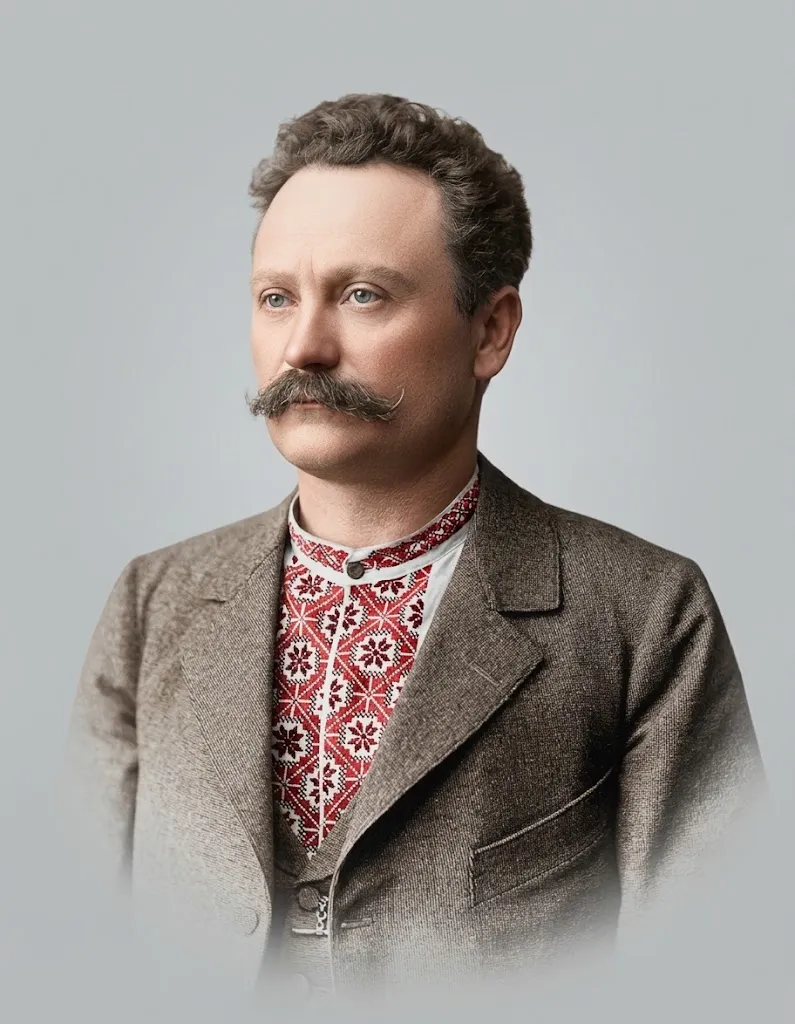
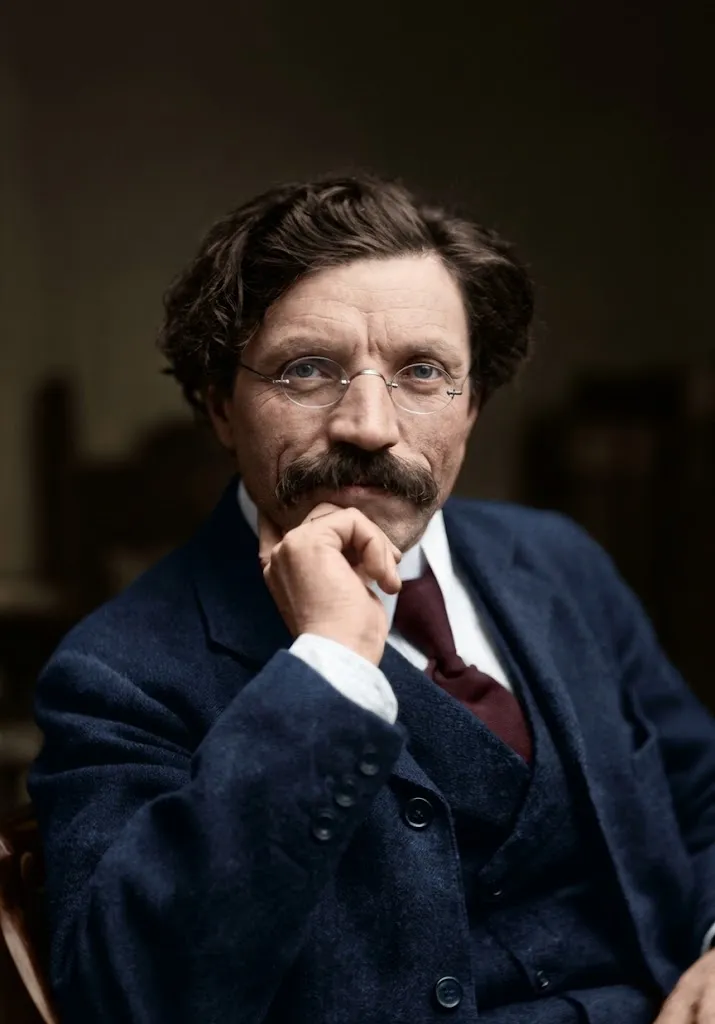
Ivan Karpenko-Karyi
Playwright, Ukrainian theatre coryphaeus
His father's noble rank was turned down because old and new papers spelled the family name differently. The son made it a comedy, Martyn Borulia. Exiled from Ukraine, police secretary Ivan Karpenko-Karyi finished his first drama; his 18 plays laid the foundations of modern Ukrainian theatre.
Key accomplishments
- 18 plays, among them the comedies Martyn Borulia (1886), One Hundred Thousand (1889) and The Master (1900)
- The tragedy Sava Chalyi (1899) and the dramas Burlaka, The Servant Girl and The Hapless Girl
- The Khutir Nadiia farmstead, where he wrote 11 of his 18 plays
- In 1890, with his brother Panas Saksahanskyi, founded the troupe that became the best Ukrainian theatre company
- His 1897 memorandum to the congress of stage workers in Moscow on the persecution of Ukrainian theatre
- Actor and director of the Theatre of Coryphaei, playing leading roles in his own plays
Noble rank lost in the paperwork
Imagine years of petitions, money and piles of documents, all wasted because the family name was spelled differently on different papers. That is what happened to the playwright’s father, Karpo Tobilevych, a member of the impoverished gentry. In 1856 he was finally recognised as a nobleman, but the capital refused to confirm it: the old documents spelled the surname one way, the new ones another.
His son Ivan was born in 1845 in the village of Arsenivka in the Kherson region (now Kirovohrad Oblast). Their mother, born a serf, passed her love of theatre on to the children: four of them went on the stage, among them Ivan’s younger brothers Mykola Sadovskyi and Panas Saksahanskyi.
Half a month’s pay for Othello
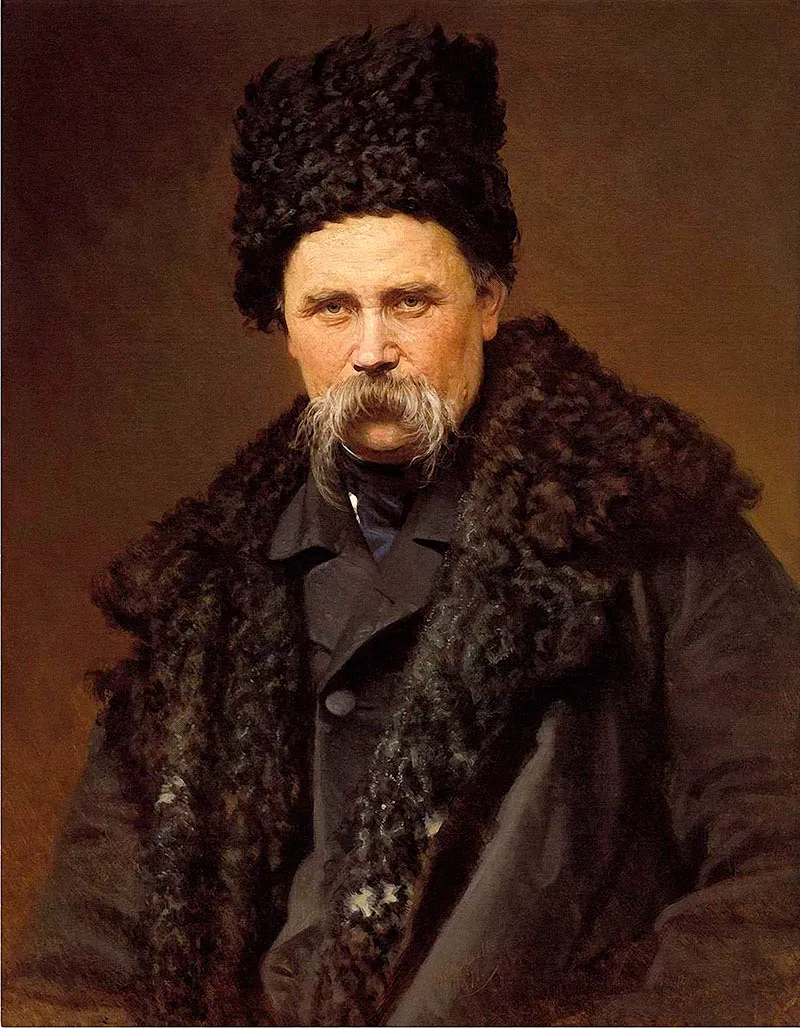
Money was short, so Ivan only finished the district school and started work as a clerk at 14. To see the famous tragedian Ira Aldridge play Othello, he walked some fifty kilometres to Yelysavethrad and spent half a month’s pay on the ticket. In an amateur drama group where Marko Kropyvnytskyi also acted, Ivan played Nazar in Taras Shevchenko’s play Nazar Stodolia. That is where his pen name comes from: Hnat Karyi, another hero of the same play, plus his father’s first name.
The policeman whose office stopped taking bribes
Ivan rose to police secretary in Yelysavethrad. It is said that under him the clerks stopped taking bribes and cases were handled in turn. At the same time he was spreading banned books, and in 1883 he was dismissed: he had been helping revolutionaries get passports. He managed to join Mykhailo Starytskyi’s troupe, but in 1884 he was exiled for three years to Novocherkassk, now in russia. There he worked at a forge, then bound books, and wrote. In exile he finished his first drama, Burlaka, followed by Bondarivna and The Servant Girl.
An oasis in the steppe
In 1887 he was allowed to move to his farmstead, which he named after his first wife, Nadiia, who had died young. He wanted to turn it into “an oasis in the steppe”. He wrote 11 of his 18 plays there, among them One Hundred Thousand, The Master and Sava Chalyi.
Comedies where laughter turns to drama
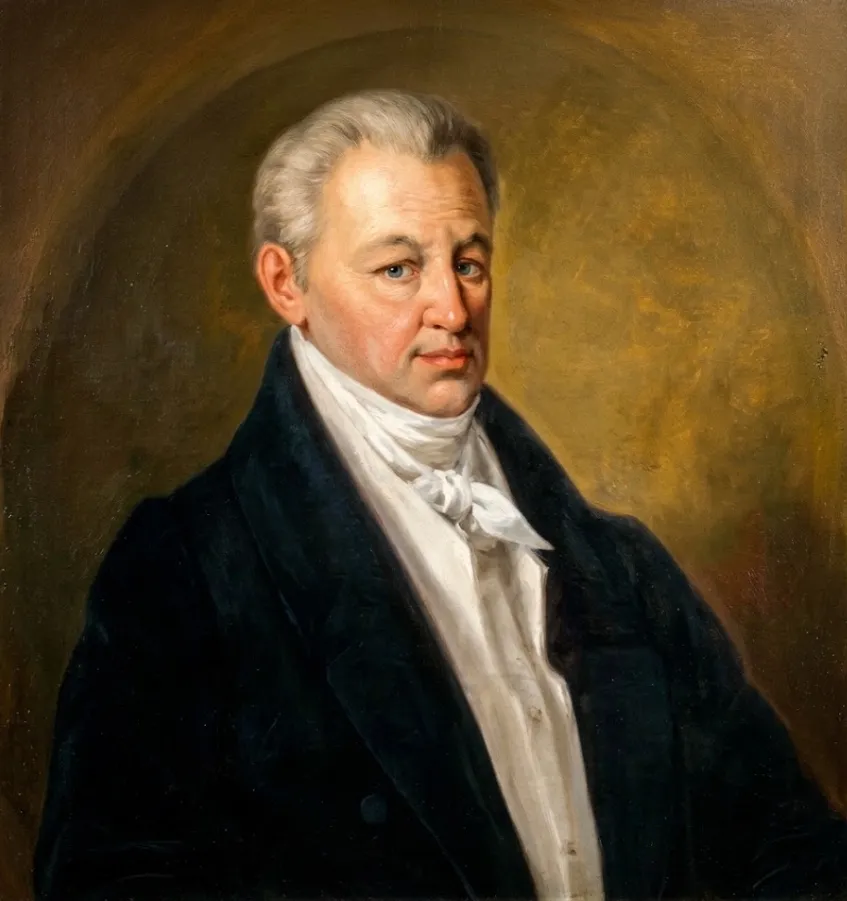
He gave his father’s story to Martyn Borulia, a man undone by a single letter: on the new papers he is Borulia, on the old ones Berulia. Kalytka in One Hundred Thousand dreams of grabbing ever more land, and rich Puzyr in The Master begrudges even a donation for a monument to Ivan Kotliarevskyi. In 1890 he and Panas set up a company considered the best Ukrainian troupe of its day, and he played his own heroes. In 1907 Burlaka became the first Ukrainian play staged in Winnipeg, Canada.
A memorandum read by his brother
In 1897 he wrote a memorandum for the congress of stage workers in Moscow on how the authorities were stifling Ukrainian theatre; Panas read it out from the platform. Karpenko-Karyi died in 1907 in a Berlin clinic. As he had asked, he was buried near Khutir Nadiia.
Why it matters today
Karpenko-Karyi showed that a Ukrainian play could be more than songs and dances: it could be a serious conversation about greed, power and dignity. His characters, who measure a person by papers and acres, are still recognisable, which is why his plays are staged all over Ukraine. Ivan Franko called him one of the fathers of modern Ukrainian theatre. He kept writing even in exile, under police watch, and anyone who stages or acts Ukrainian classics today carries on his work.