1839–1884
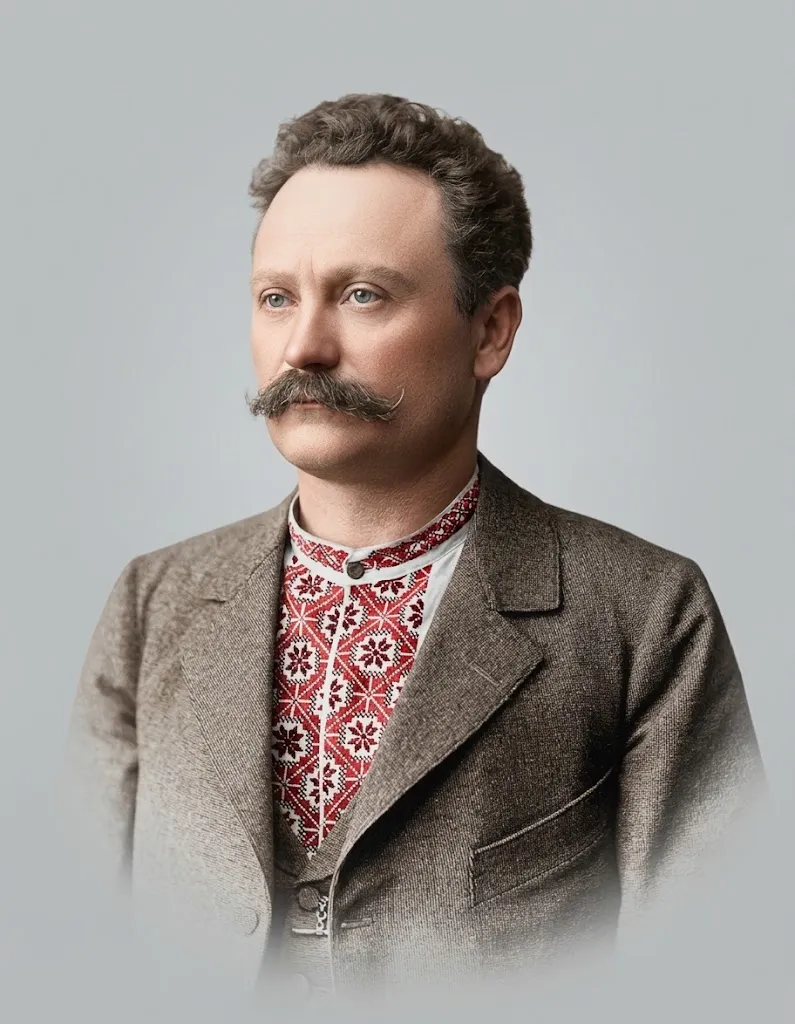
Pavlo Chubynskyi
Author of the words of Ukraine’s anthem
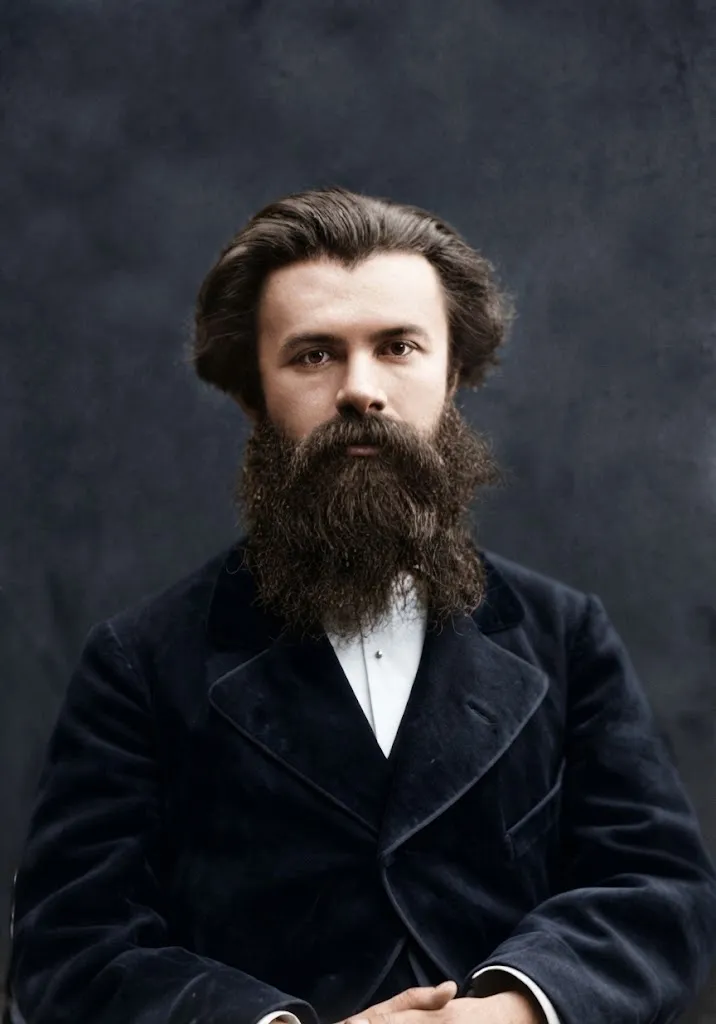
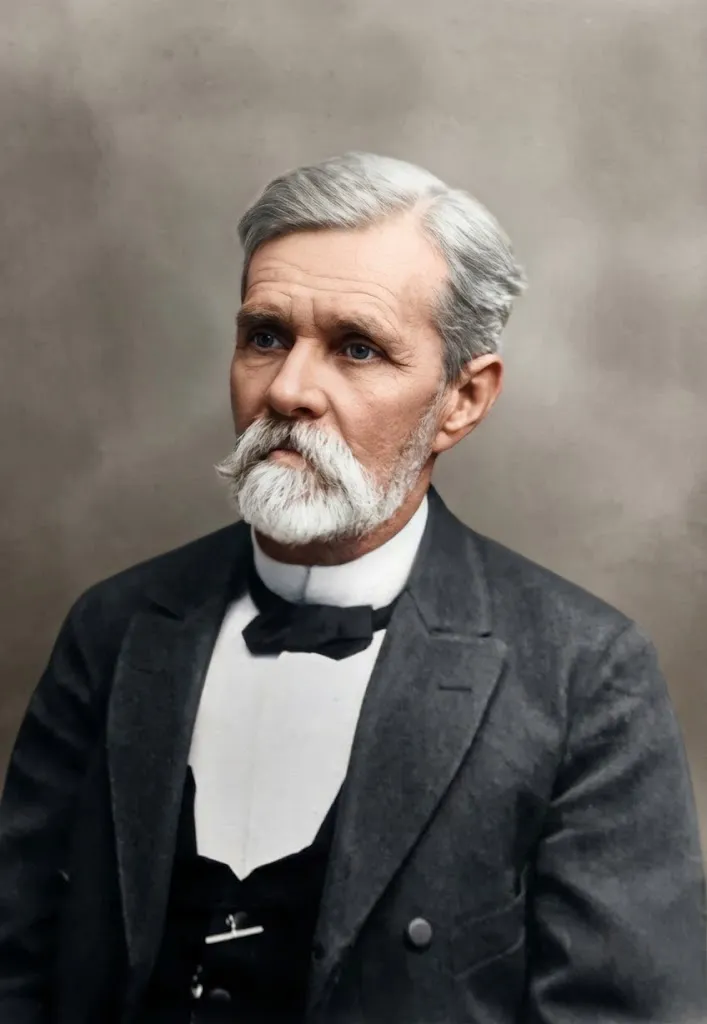
How long does it take to write an anthem? For 23-year-old Pavlo Chubynskyi, one evening in 1862. An ethnographer, lawyer and poet, he wrote Shche ne vmerla Ukrainy, compiled seven volumes of Ukrainian folk culture, and was twice banished from Ukraine by the tsarist authorities.
Key accomplishments
- The poem Shche ne vmerla Ukrainy (1862); its first verse and refrain are the text of Ukraine’s state anthem (law of 2003)
- Led an ethnographic and statistical expedition to the Kyiv, Volhynia and Podillia regions (1869)
- Seven volumes of the expedition’s Proceedings (1872–1878), a key source on Ukrainian folk culture
- Gold medals of the russian Geographical Society (1873) and of an international congress in Paris (1875); the Uvarov Prize (1879)
- A founder of the Southwestern Branch of the Geographical Society in Kyiv (1873)
A poem in one evening
On Velyka Vasylkivska Street in Kyiv, one autumn evening in 1862, Ukrainian activists met with Serbian students. The Serbs sang a patriotic song of their own. According to a contemporary, 23-year-old Pavlo Chubynskyi stepped into another room and came back with a finished poem: Shche ne vmerla Ukrainy i slava, i volia (“Ukraine’s glory and freedom have not yet perished”). He was already publishing verse as “Pavlus”, and together with Mykhailo Drahomanov and others he was at the core of the Kyiv Hromada, a circle of the Ukrainian intelligentsia.
Exile to the North
Chubynskyi was born in 1839 on a farmstead near Boryspil and studied law in St Petersburg. By the autumn of 1862 the gendarmes had marked him as “unreliable”: he was arrested without any investigation and sent under police watch to the Arkhangelsk Governorate, in russia’s far north. He didn’t sit idle there. He worked for the statistics committee, edited a newspaper and wrote studies.
Seven volumes of folk memory
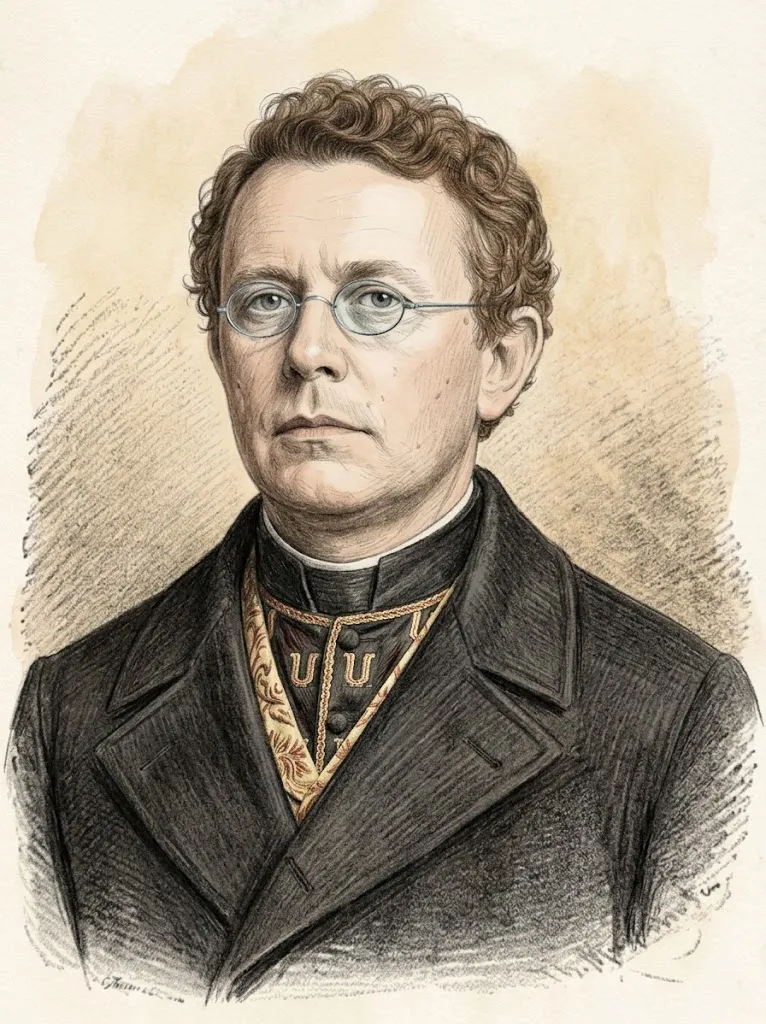
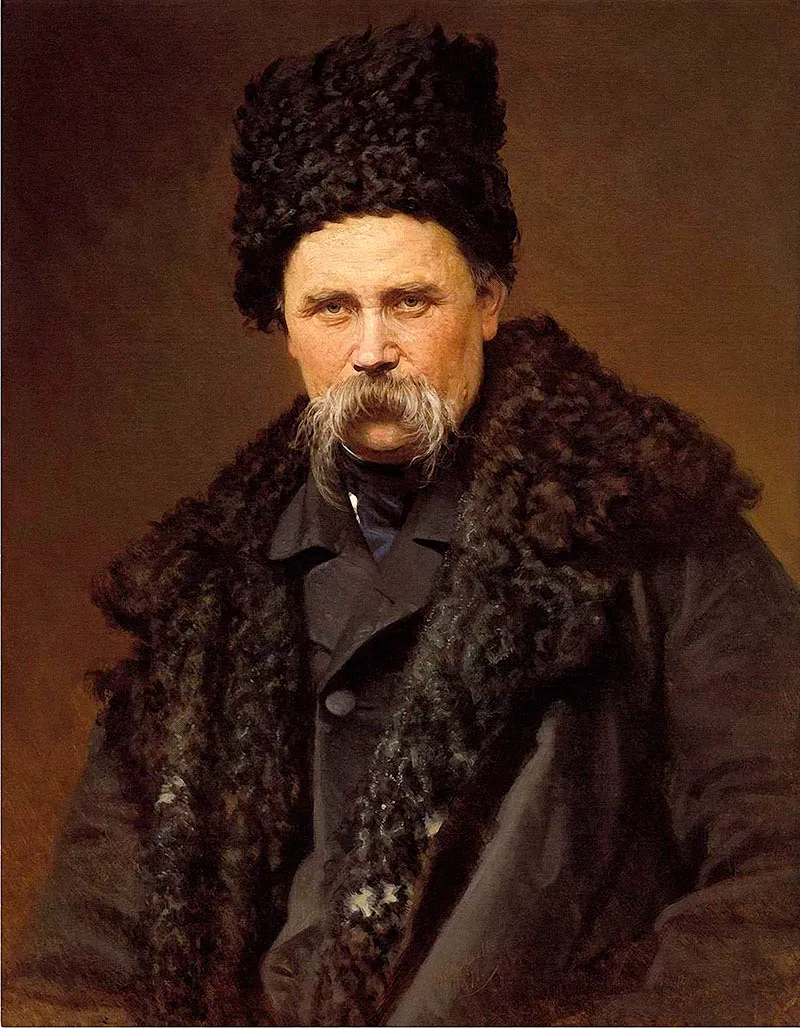
Meanwhile the poem lived a life of its own. In 1863 it was printed in Lviv without a signature, next to poems by Taras Shevchenko, and a Galician priest, Mykhailo Verbytskyi, set it to music. In 1869 Chubynskyi led an expedition to the Kyiv, Volhynia and Podillia regions. Its members wrote down songs, tales, customs and village court rulings. The seven volumes of the expedition’s Proceedings (1872–1878) won him gold medals in St Petersburg and Paris.
Banished again
Chubynskyi helped found a branch of the Geographical Society in Kyiv in 1873; historians see it as a forerunner of the Ukrainian Academy of Sciences. But a denunciation for “Ukrainophilism” led to the Ems Decree of 1876: the branch was shut down, and Chubynskyi and Drahomanov were forbidden to live in Ukraine. In 1879, already ill, he came home. He died in Kyiv in 1884 and was buried in Boryspil.
Why it matters today
Since 2003, by law, the first verse and refrain of Chubynskyi’s poem, set to the music of Mykhailo Verbytskyi, have been the words of Ukraine’s state anthem. A poem written in a single evening outlived its author’s exile: it was printed without his name and set to music while Chubynskyi himself was in the far north. The seven volumes of his expedition’s Proceedings preserved the songs, tales and customs of the Kyiv, Volhynia and Podillia regions and remain a key source on Ukrainian folk culture. So every time we sing the anthem, we repeat the words of a man twice banished from Ukraine for “Ukrainophilism”.