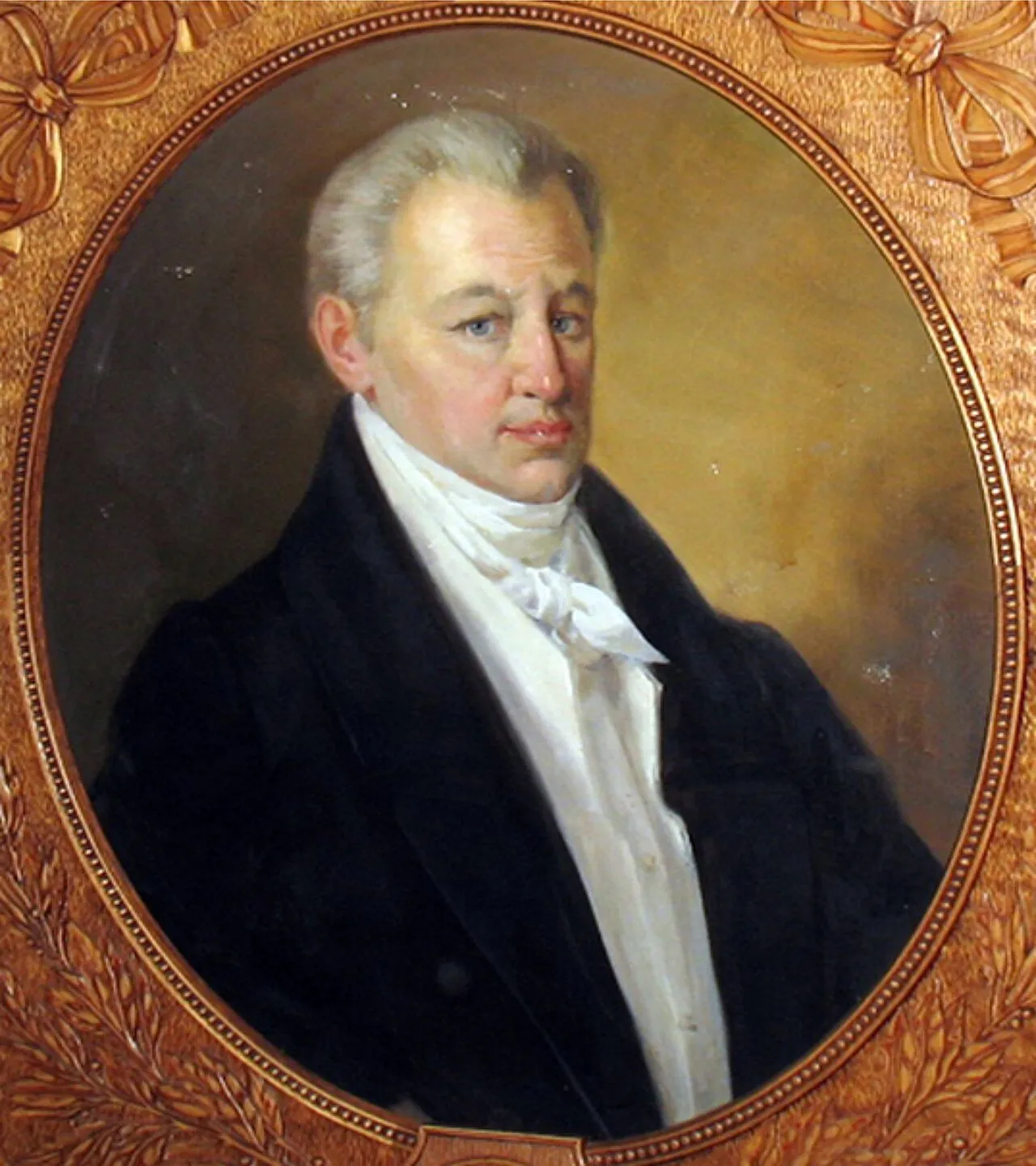
1833–1907
Marko Vovchok
Writer, a classic of Ukrainian prose
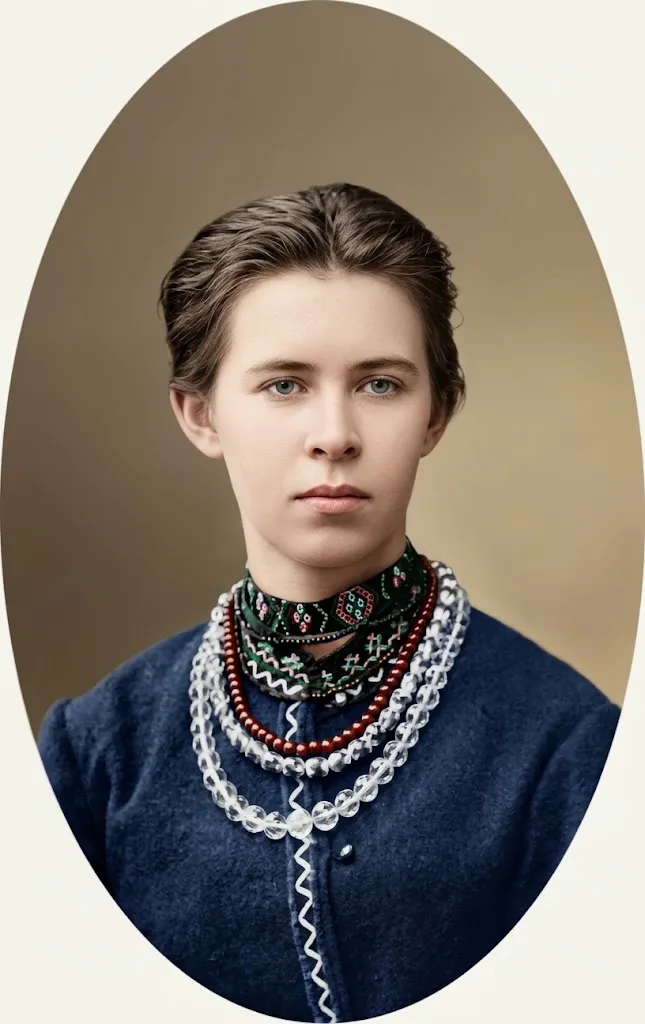
Behind the male pen name Marko Vovchok was Mariia Vilinska. Her Folk Stories (1857) about the lives of serf women were a landmark in Ukrainian literature; Shevchenko called her his “daughter”; and she was the first to translate 15 Jules Verne novels into Russian.
Key accomplishments
- The collection Folk Stories (1857; a second volume followed in 1862) about the lives of serf peasants
- The novellas The Boarding-School Girl, Marusia and other works that opened new genres in Ukrainian literature, including prose for children
- Translated 15 Jules Verne novels into Russian, as well as works by Charles Darwin and other authors
- Edited the journal Translations of the Best Foreign Writers
Why did Mariia sign herself “Marko”?
In 1857 Folk Stories by Marko Vovchok came out in Saint Petersburg. Behind that name was a young woman, Mariia Vilinska. The male pen name had been invented for her by the book’s publisher, Panteleimon Kulish. Her stories about the fate of serfs, told in the voices of peasant women, were at once a landmark in Ukrainian literature.
How a Russian-raised girl became a Ukrainian writer
Mariia was born in 1833 on an estate in the Oryol province (now Lipetsk Oblast in Russia) and grew up among Russian speakers. In 1851 she married the ethnographer Opanas Markovych and lived with him in Chernihiv, Kyiv and Nemyriv in Podillia. There she collected folklore and came to know the Ukrainian language and way of life in depth.
Shevchenko read her book. In early 1859 they met in person in Saint Petersburg, and he dedicated the poem “To Marko Vovchok” to her, calling her his “daughter”. That same year her stories came out in Russian, translated under the editorship of Ivan Turgenev.
Jules Verne in Russian
From 1859 to 1867 Marko Vovchok lived abroad, longest of all in Paris. Back in Russia she edited the journal Translations of the Best Foreign Writers and was the first to translate 15 Jules Verne novels into Russian, as well as works by Charles Darwin. She married a second time, to Mykhailo Lobach-Zhuchenko, spent her last years in the Caucasus and died in 1907 on the Dolinsk farmstead (now part of Nalchik).
Why it matters today
Marko Vovchok was one of the first to show serfdom through a woman’s eyes, and she wrote for children too. Her story shows how someone who grew up outside the Ukrainian-speaking world could consciously choose Ukrainian as the language of her work.