1819–1897
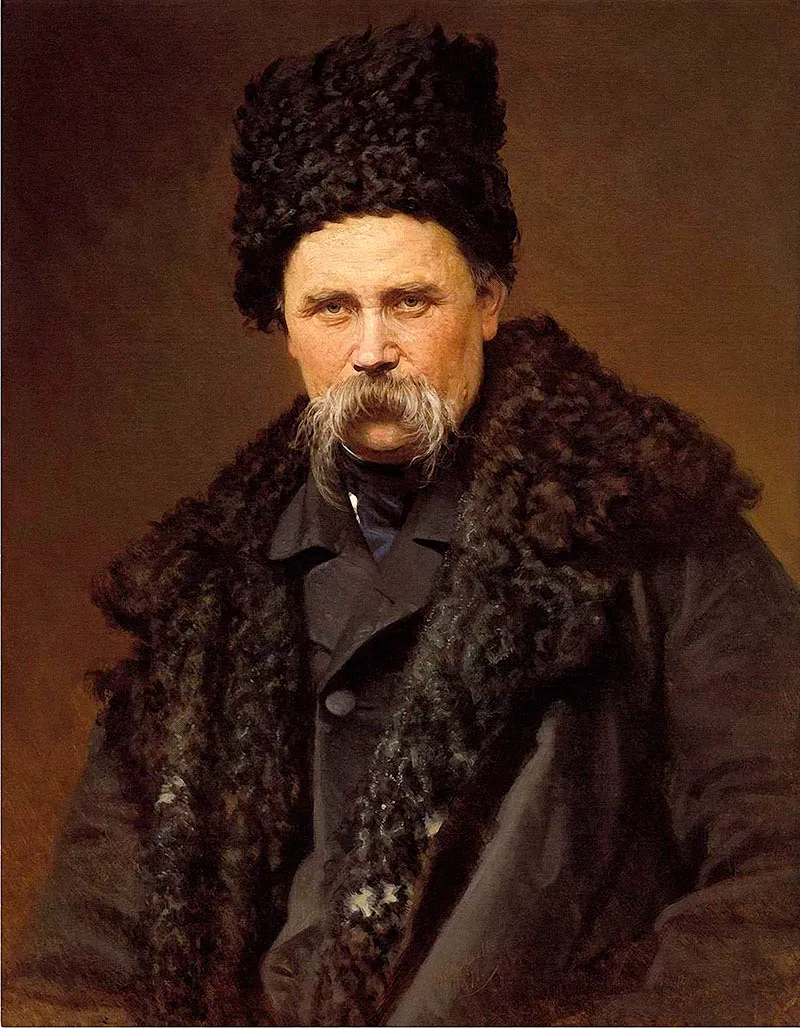
Panteleimon Kulish
Writer who devised Kulishivka spelling
The way Ukrainian is spelled today grew out of a system one man made up in the 1850s. Panteleimon Kulish wrote The Black Council, the first Ukrainian historical novel, translated Shakespeare and the Bible, and was a friend of Taras Shevchenko.
Key accomplishments
- The novel The Black Council (in full, 1857), the first Ukrainian historical novel
- The phonetic Kulishivka spelling, the basis of modern Ukrainian orthography
- Hramatka (1857), the first Ukrainian-language primer in the russian empire
- A founder of the Brotherhood of Saints Cyril and Methodius (1845)
- Translations of Shakespeare, Schiller, Goethe and Byron; a Ukrainian translation of the Bible
The spelling you are reading
For his Notes on Southern Rus (1856–1857), Panteleimon Kulish invented a spelling of his own: write words the way they are pronounced. The 1860 Kobzar of Taras Shevchenko and the journal Osnova were printed in it, so it came to be called Kulishivka. It became the basis of modern Ukrainian spelling.
A boy with no money and no papers
Kulish was born in 1819 in the small town of Voronizh in the Chernihiv region (now the Sumy region). He left the gymnasium in Novhorod-Siverskyi after the fifth form because he had no money. He got into Kyiv University as an auditing student, but in 1840 he was expelled: he had no papers proving noble birth.
The brotherhood and exile
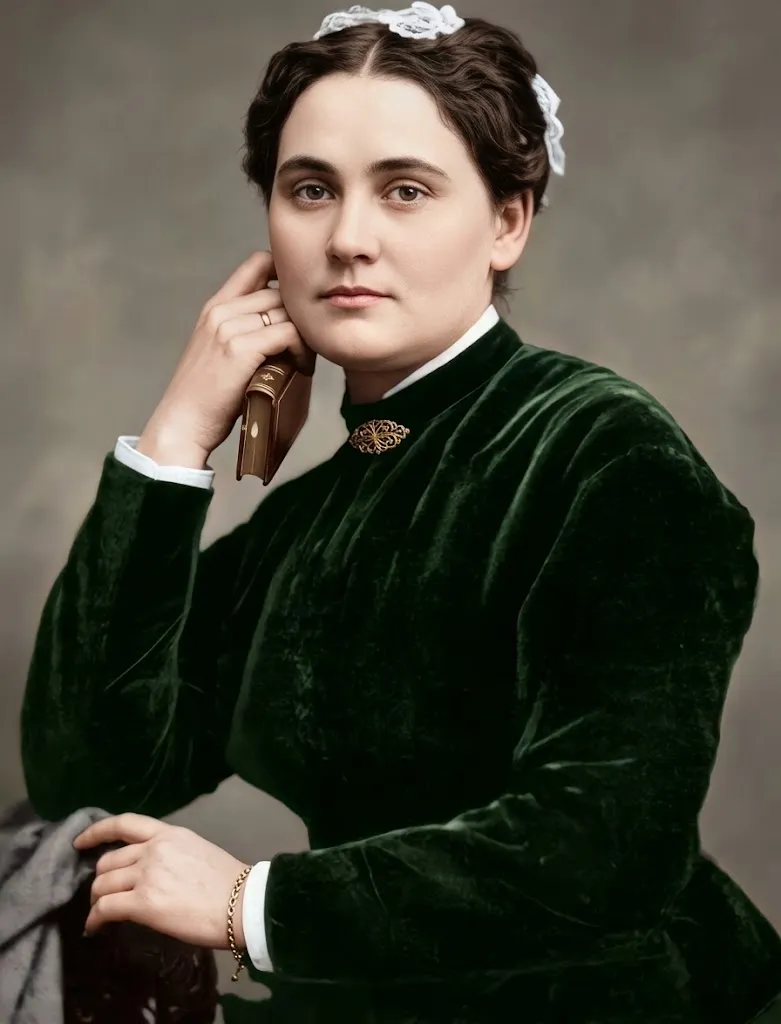
In Kyiv Kulish grew close to Shevchenko and Mykola Kostomarov, and at the end of 1845 he became one of the founders of the secret Brotherhood of Saints Cyril and Methodius. In 1847 he married Oleksandra Bilozerska, who later wrote as Hanna Barvinok. That same year he was arrested in Warsaw and exiled to Tula for three years, banned from writing.
The first historical novel
In 1857 The Black Council came out in full, the first Ukrainian historical novel, in Ukrainian and in russian. In the russian edition Kulish argued for the political unity of Ukraine and russia, while stressing that Ukrainians were a distinct people. The same year he published Hramatka, the first Ukrainian-language primer in the russian empire. At his own press in St Petersburg he printed Shevchenko and edited the works of Marko Vovchok.
Shakespeare and the Bible in Ukrainian
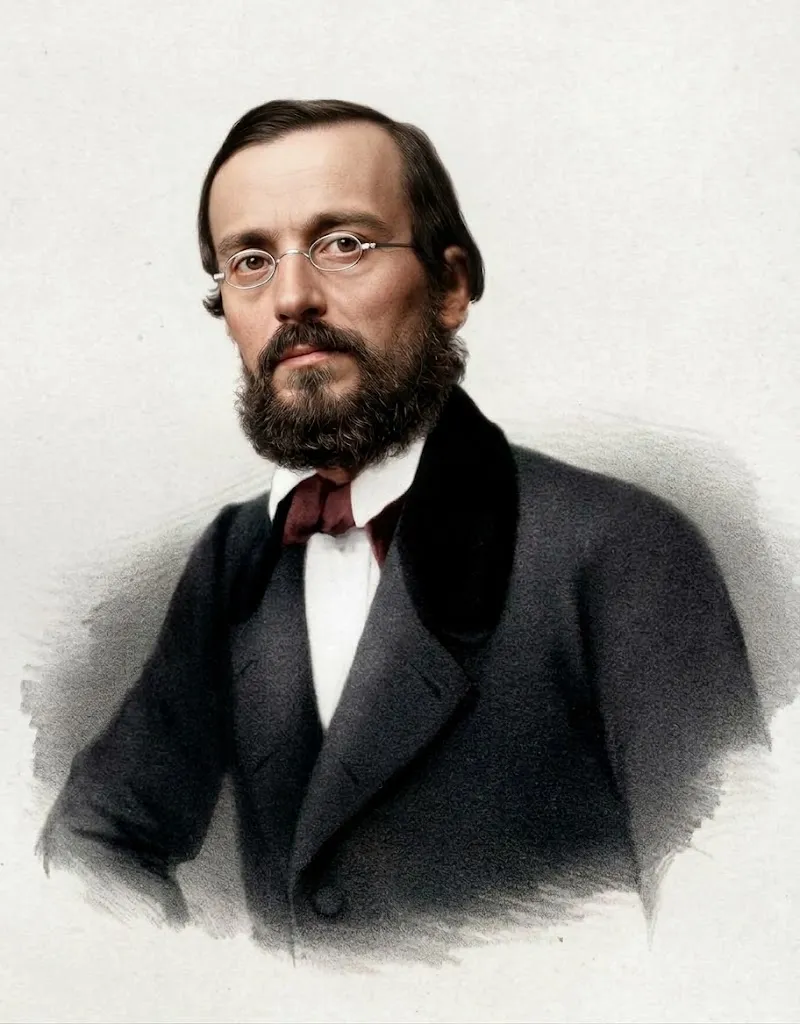
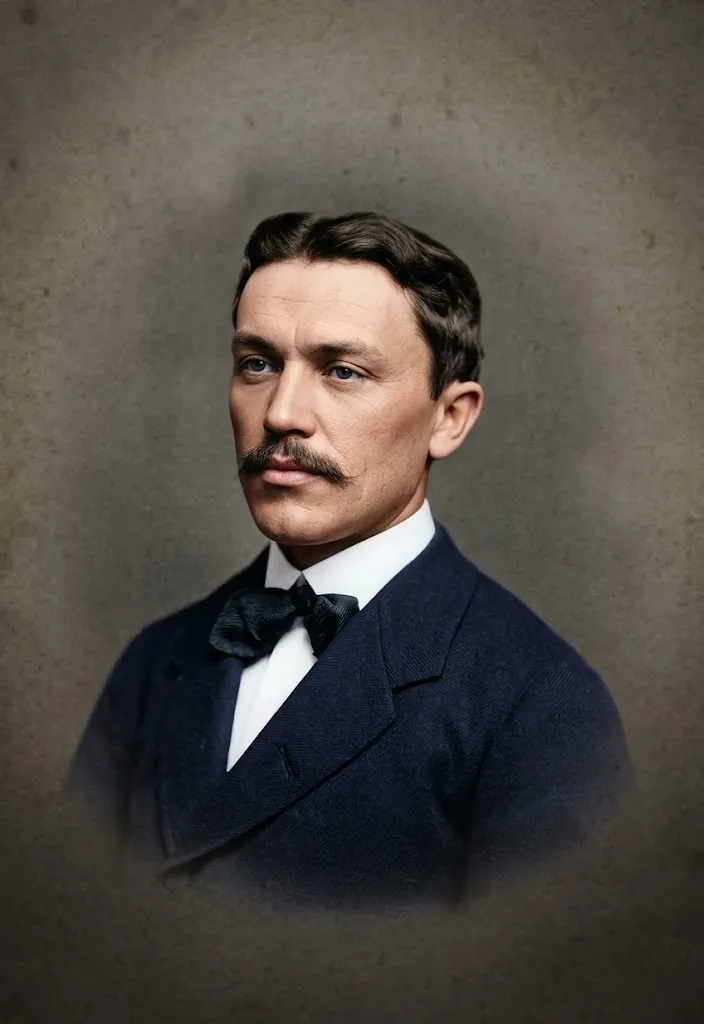
Kulish translated Othello and other Shakespeare plays, as well as Schiller, Goethe and Byron; he is considered the father of Ukrainian literary translation. He brought Ivan Puliui into his translation of the Bible, and late in life he learned Hebrew for the Old Testament. The translation was finished after his death by Puliui and Ivan Nechui-Levytskyi.
Kulish spent his last years on the Motronivka homestead in the Chernihiv region, where he died in 1897 and is buried.
Why it matters today
Every time you write in Ukrainian, you use something Panteleimon Kulish started: a spelling that writes words the way they are said. He gave the language the tools of a modern culture: a spelling system, a primer, a historical novel and translations of world classics. Thanks to him Shakespeare, Schiller and Byron spoke Ukrainian, and it became clear the language could carry the world’s great books. He did it without the money even to finish school, and through arrest and a ban on writing. Anyone who writes in Ukrainian or translates into it today carries on his work.