Ivan Lypa
Physician, Taras brother, UNR minister
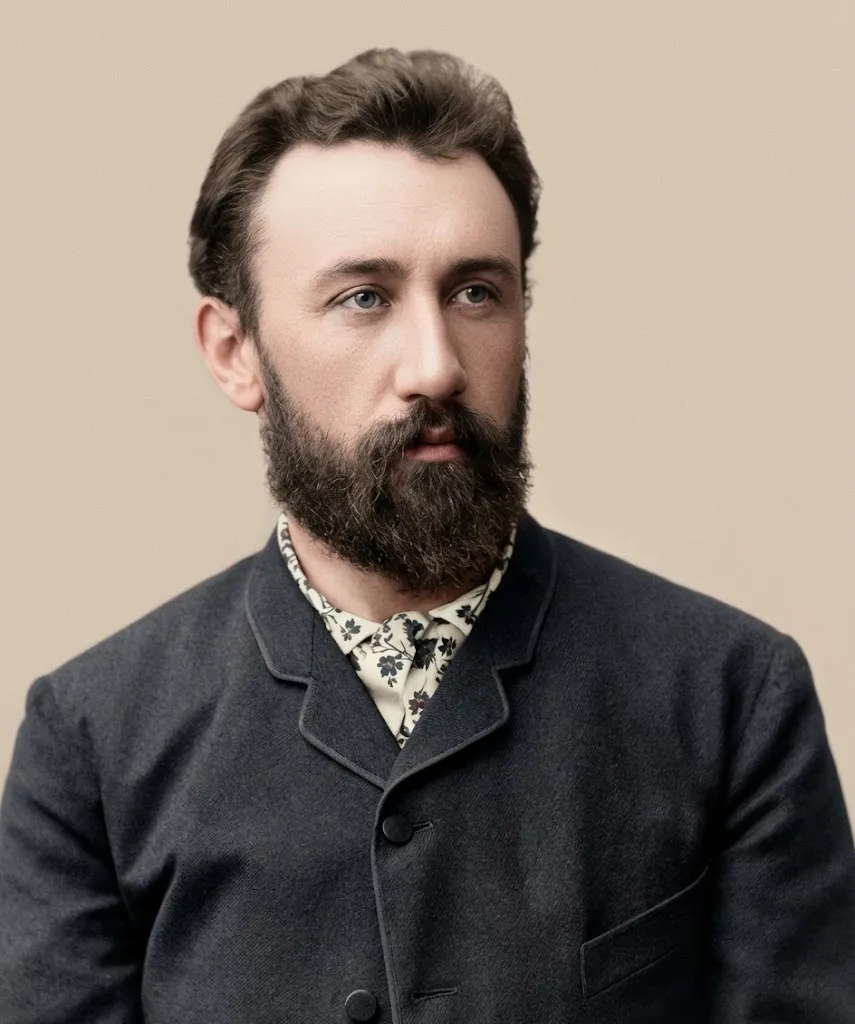
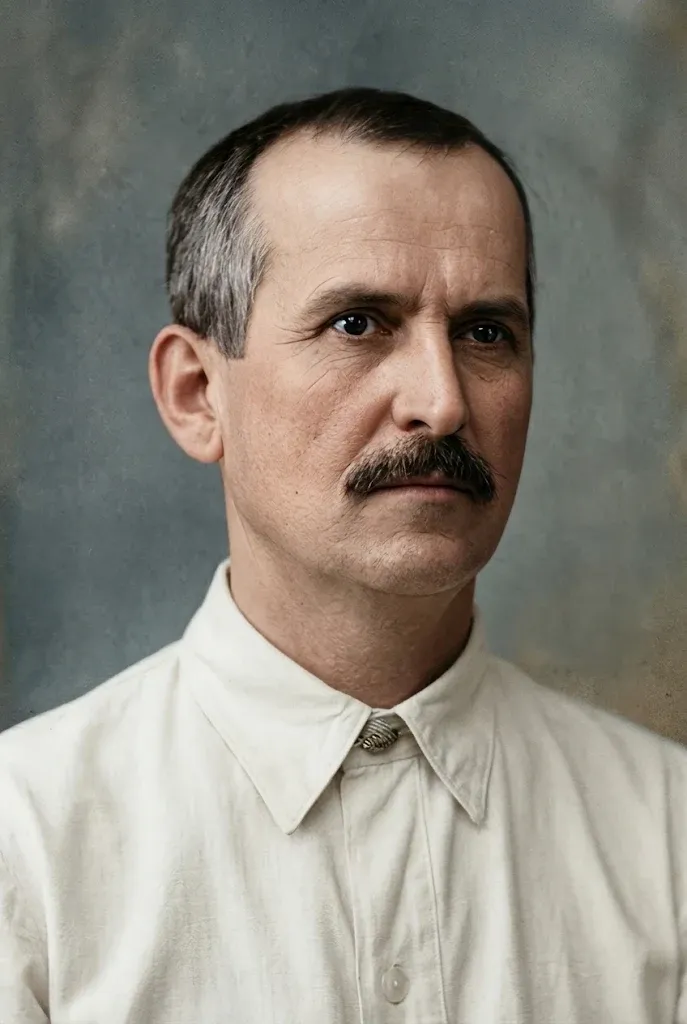
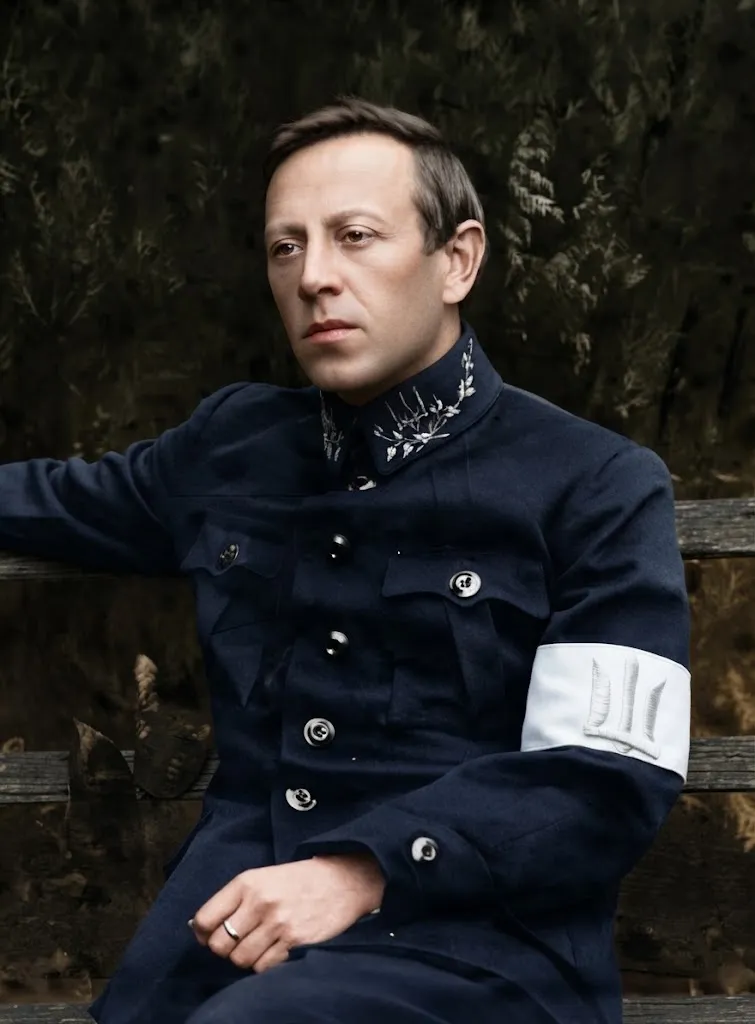
In the summer of 1891 four young men swore at Shevchenko's grave to serve no one but their own people. One of them was Ivan Lypa: a doctor for the poor, a writer, a founder of the Brotherhood of Taras, commissar of Odesa and a minister of the Ukrainian People's Republic.
Key accomplishments
- One of the founders of the Brotherhood of Taras (1891)
- Author of the talk printed in the Lviv journal Pravda in 1893 as the "Profession de foi of Young Ukrainians"
- Built a hospital in Dalnyk near Odesa with his own money (1904–1905)
- Co-founder of the Odesa Literary Union; compiler of the almanacs Z-nad khmar i z dolyn (1903) and Bahattia (1905)
- Ukrainian commissar of Odesa (1917–1918)
- Minister of Confessions of the Ukrainian People's Republic (1919): saw through the formal autocephaly of the Ukrainian Autocephalous Orthodox Church and the calling of its Synod
- Minister of Health of the UNR government in exile (1921)
An oath on Monk’s Hill
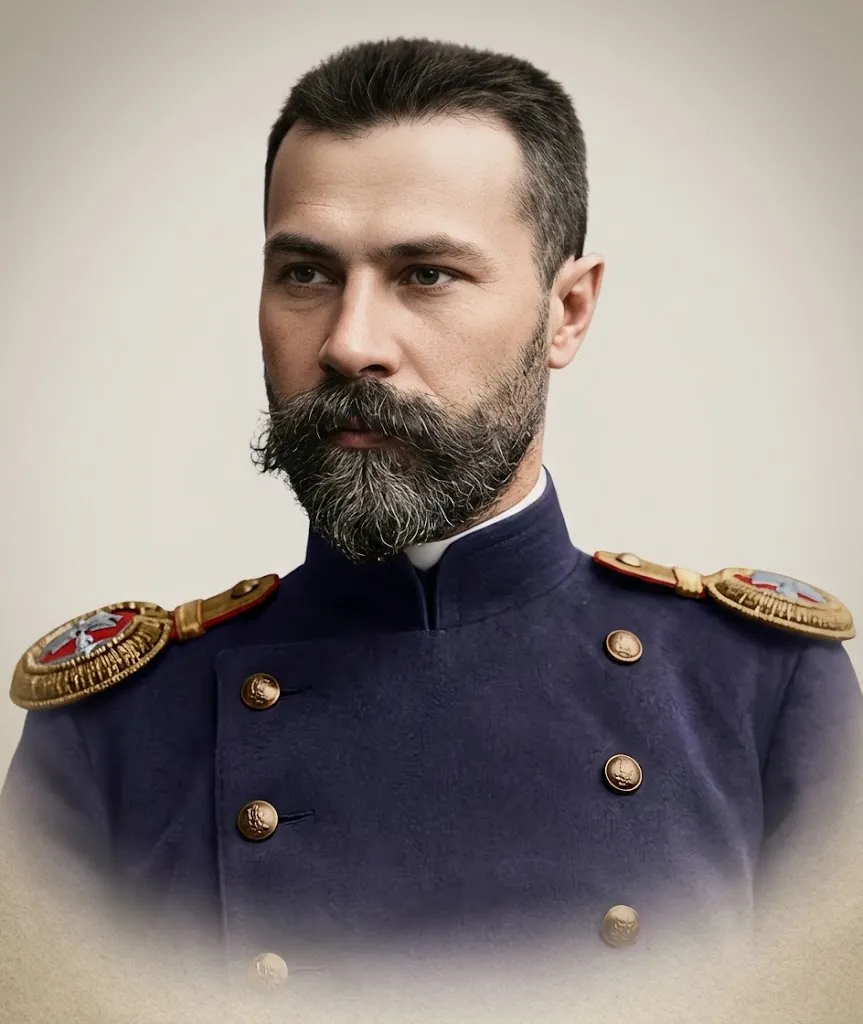
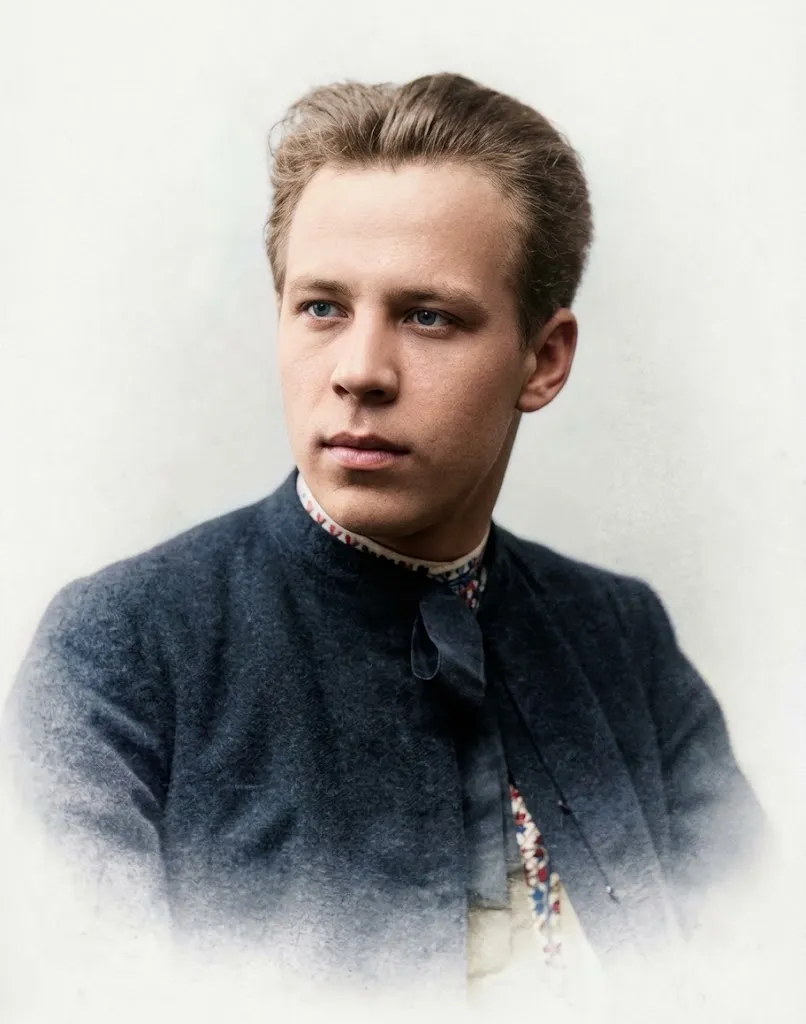
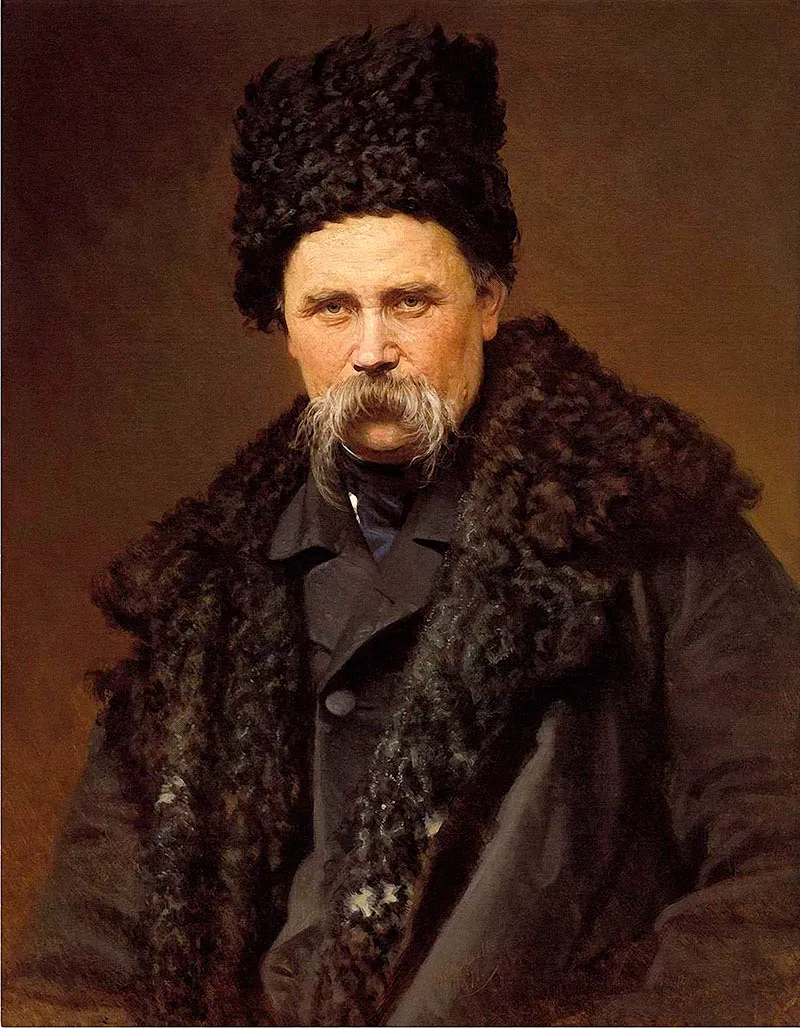
Which words did a son choose for his father’s tombstone? In 1937 a monument went up on Ivan Lypa’s grave in Vynnyky, its inscription made at Yurii Lypa’s request: “Ivan Lypa, Taras brother, writer, physician.” The first word after his name leads back to the summer of 1891. That was when four young men, Ivan Lypa, Vitalii Borovyk, Mykhailo Bazkevych and Mykola Baizdrenko, came to the grave of Taras Shevchenko near Kaniv. There they swore to stay true to the poet’s testament and to work for their own people alone. That was the start of the secret Brotherhood of Taras.
A student who read “sedition”
Lypa was born on 24 February 1865 in Kerch, into a family of townspeople. In 1888 he entered the medical faculty of Kharkiv University, and it was among the students there that he found his Ukrainian identity. The members of the brotherhood also included Borys Hrinchenko and Mykola Mikhnovskyi. In February 1893, at a Shevchenko evening, Lypa gave a talk on what “conscious Ukrainians” should be. The same year it was printed unsigned in Lviv as the “Profession de foi of Young Ukrainians”.
The Taras brothers smuggled banned books in from Galicia, among them Shevchenko’s Kobzar. In the summer of 1893 the police arrested Lypa. He spent more than a year in prison and then three years in Kerch under police surveillance. But he did not give up: he won permission to finish his studies and qualified as a doctor at Kazan University.
A doctor for the poor
Lypa worked as a rural doctor in the Poltava region, and in 1902 moved to Odesa. In 1904–1905 he built a hospital in Dalnyk near Odesa with his own money. He was active in the Odesa Prosvita society, and with Mykola Voronyi he founded the Odesa Literary Union, which published the almanac From Above the Clouds and From the Valleys. In 1910 he adopted his godson, the future poet Yurii Lypa, whom researchers believe to have been his own son.
Commissar and minister
Lypa became the Ukrainian commissar of Odesa in 1917, and on 1 January 1919 Minister of Confessions of the Ukrainian People’s Republic. In Kyiv he saw through the formal autocephaly of the Ukrainian Autocephalous Orthodox Church and the calling of its Synod. In exile in Tarnów, Poland, in 1921 he opened the first session of the Council of the Republic, the UNR’s interim parliament, became Minister of Health and treated interned soldiers. In 1922 he settled in Vynnyky near Lviv, where he practised medicine without a Polish permit. Ivan Lypa died of cancer on 13 November 1923, aged 58.
Debates and assessments
The Brotherhood of Taras is often called the first pro-independence organisation in Dnieper Ukraine. Other scholars note that its known demands spoke rather of autonomy for Ukrainians and other peoples within a democratic federal russia, and that the idea of full independence was developed later by other authors.
Why it matters today
Ivan Lypa belonged to the generation that said out loud that Ukrainians had to be a political nation, not just lovers of songs and old times. The oath at Shevchenko’s grave became his programme for life: he treated the poor, published Ukrainian books and, when the time came, helped build a state and its church. From Shevchenko through the Taras brothers to those who defend Ukraine today runs the same thread: serving your own people. Anyone who does honest work for people and for their country carries on the oath of the Taras brothers.