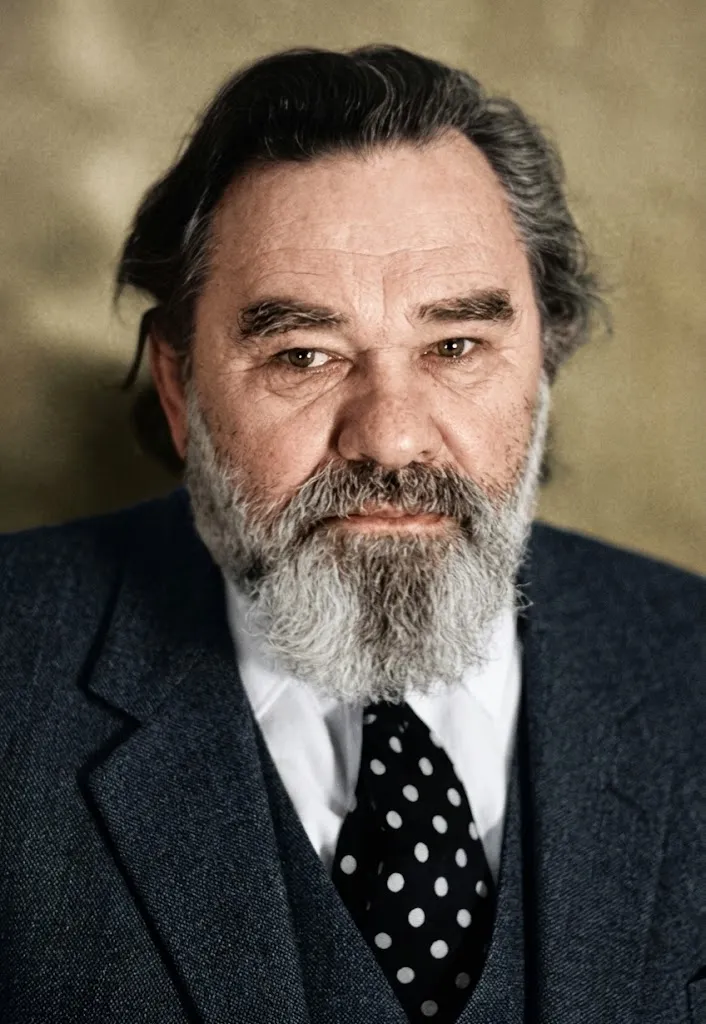
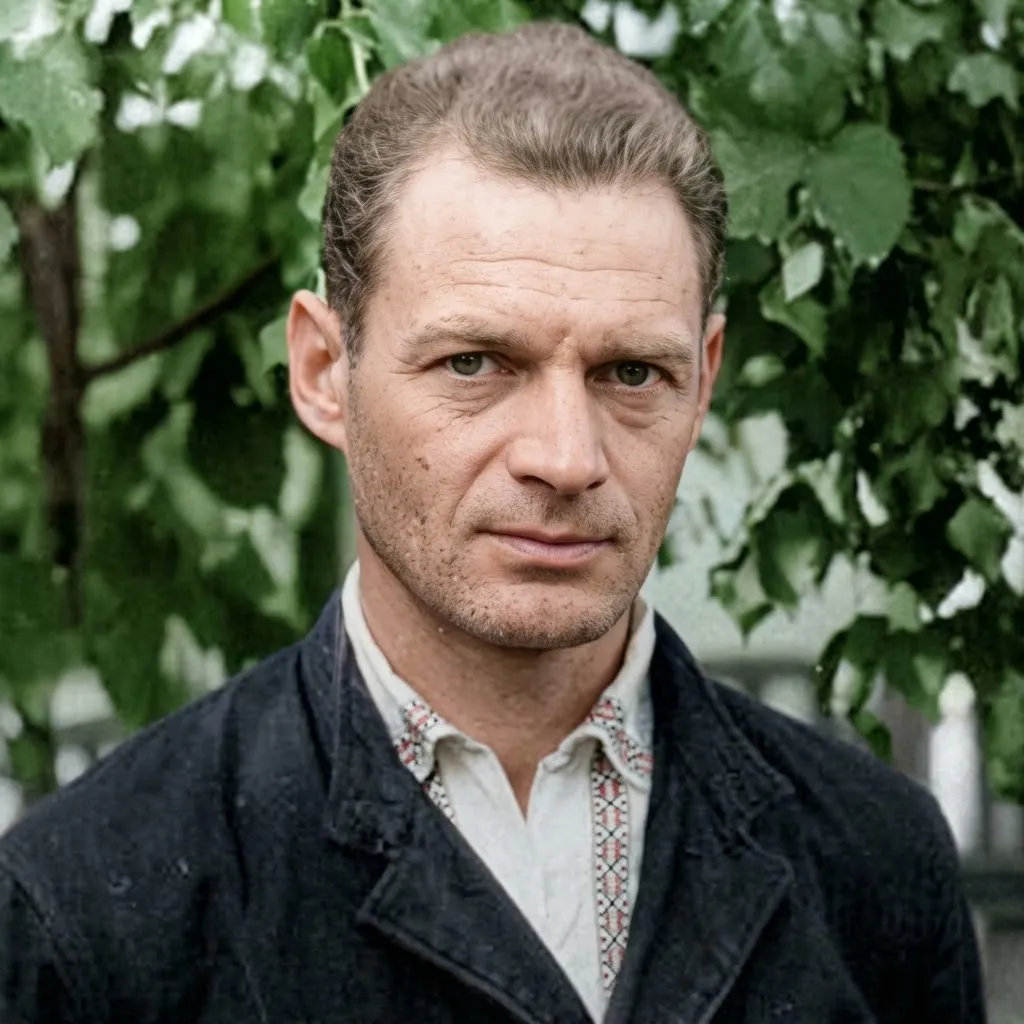
Danylo Shumuk
Human rights defender and memoirist
His manuscripts were confiscated, but he kept writing. Danylo Shumuk moved from communist underground politics to human rights work, helped organize the Norilsk uprising and left testimony about Soviet prison camps.
Key accomplishments
- Helped organize the Norilsk political prisoners’ uprising (1953)
- Memoirs Beyond the Eastern Horizon (1974) and My Life and Thoughts in Retrospect (1983)
- Joined the Ukrainian Helsinki Group in 1979
- Took part in protests defending political prisoners’ rights
A manuscript they could not stop
Searches uncovered Danylo Shumuk’s memoirs and officials confiscated them. He returned to writing. His account of prison-camp life crossed borders and appeared through the Smoloskyp publishing house in 1974 as Beyond the Eastern Horizon. A man whom the authorities tried to silence left his own testimony.
Shumuk spent more than forty years in prisons, camps and exile under different regimes. Yet his biography is more than a succession of sentences. It also traces changing beliefs, organized resistance and a refusal to stay silent about abuses, whoever committed them.
Beliefs meet experience
The communist underground was his first political school. Born in Boremshchyna in Volyn in 1914, Shumuk joined the Communist Party of Western Ukraine as a young man, when the region belonged to interwar Poland. Polish authorities imprisoned him for underground activity. An amnesty brought his release in 1939.
Experience of Soviet rule destroyed his hopes for communism. During the German-Soviet war he served in the Red Army, became a German prisoner of war and escaped. He joined the Ukrainian Insurgent Army, or UPA, in 1943 and worked as an instructor. He also disputed the underground leadership’s methods and rejected brutality.
Prisoners agree to act together
Mutual aid could become the basis of organized resistance. After another arrest, Shumuk received a death sentence in 1945, commuted to twenty years of hard labour. In Norilsk he helped build a network of support among prisoners. It played a part in the 1953 protest known as the Norilsk uprising.
Political prisoners demanded changes to camp conditions and reviews of their cases. Shumuk helped organize resistance in the third camp division. After the authorities suppressed the protest, he was transferred to prison. He later described these events in his memoirs.
The right to refuse informing
An offer to work for the KGB did not change his decision. Released in 1956, Shumuk refused to become an informer and was soon arrested again. He spent the next decade in camps, continuing to record his experiences.
After his release in 1967 he met Ivan Svitlychnyi and Nadiia Svitlychna, who helped type his manuscript. During the arrests of 1972, the memoirs again became evidence against him. Another sentence brought ten years in camps followed by five in exile.
He defended others’ rights while imprisoned, signing protests and joining hunger strikes. In 1979 he joined the Ukrainian Helsinki Group. After completing his exile in 1987, he was permitted to move to Canada. He returned to Ukraine in 2002 and died in Pokrovsk on 21 May 2004.
Debates and assessments
Commitment to freedom did not mean unchanging beliefs. A young communist, then a member of the UPA and later a human rights defender, Shumuk criticized both Soviet rule and practices within the nationalist underground. His memoirs provoked controversy. They are personal testimony to be compared with other sources.
Biographical details also differ: sources give either 42 or 44 years in captivity and exile, and either 28 or 30 December as his birthday. This profile avoids an exact total and uses 28 December in its dates, following newer Ukrainian reference materials.
Why it matters today
Shumuk preserved the experiences of people whom the state tried to deprive of a voice. His resistance and writing show that defending human dignity requires independence from any party doctrine. Revising one’s own beliefs and speaking about uncomfortable truths can also help build a free Ukraine.