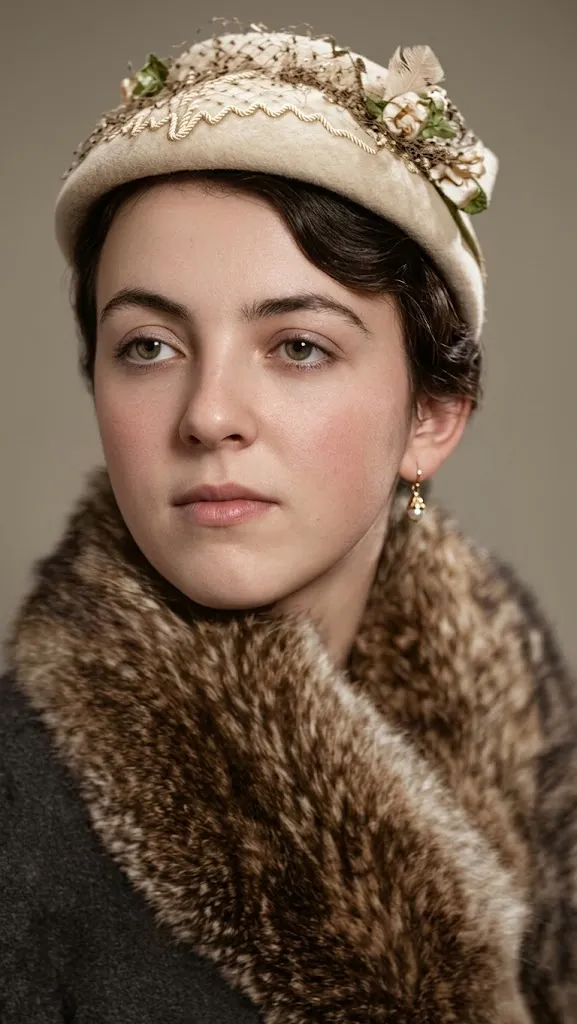
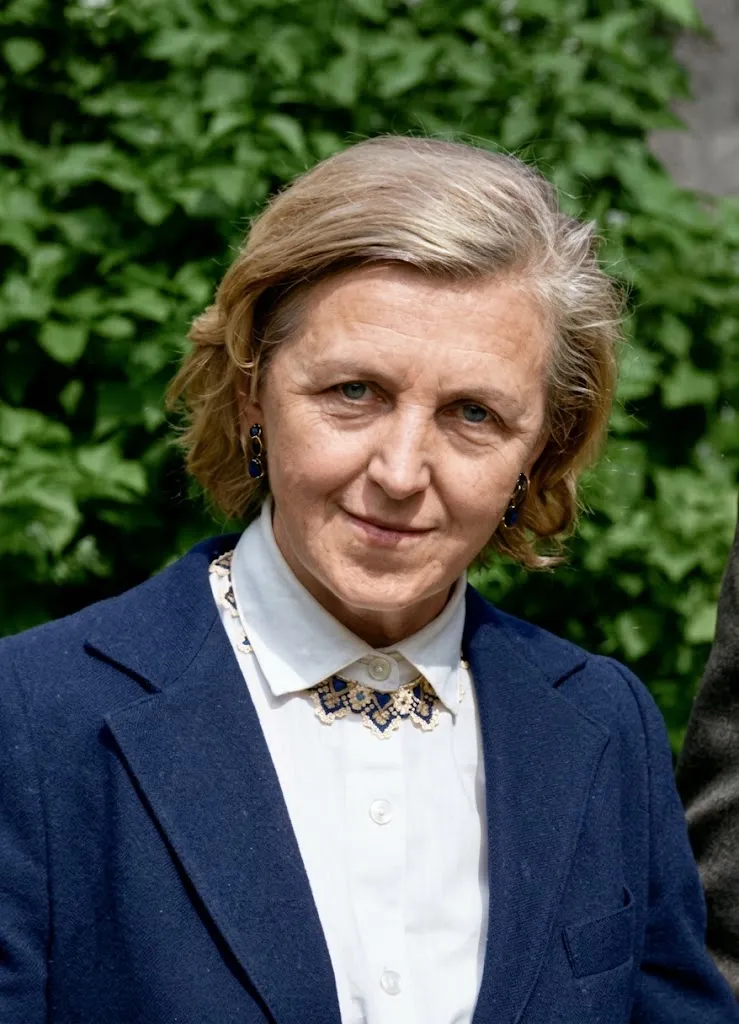
Nina Strokata-Karavanska
Microbiologist, human rights activist
American microbiologists made her a member of their society while she was in a Soviet camp. Odesa doctor Nina Strokata-Karavanska refused to disown her imprisoned husband, served four years herself and became one of the founders of the Ukrainian Helsinki Group.
Key accomplishments
- Founding member of the Ukrainian Helsinki Group (1976), later a member of its Foreign Representation
- Microbiologist and immunologist, author of more than 20 scientific papers; member of the American Society for Microbiology (1974, elected while imprisoned)
- Books on persecuted Ukrainian women: Ukrainian Women in the Soviet Union: Documented Persecution (1980) and A Family Torn Apart (1981)
- Order for Courage, 1st class (2006, posthumously)
A scientist behind barbed wire
Did you know that in 1974 the American Society for Microbiology admitted a scientist who was serving time in a Soviet camp? Her American colleagues demanded that Nina Strokata be freed. She had been locked up for refusing to turn her back on her husband and on Ukraine.
A doctor from Odesa
Nina Strokata spoke five languages and wrote more than 20 scientific papers. She was born in Odesa in 1926, graduated from the Odesa Medical Institute, worked as a doctor in Tatarbunary, then returned to the institute as a microbiologist and immunologist.
A political prisoner’s wife
She was pressed to disown her husband and refused. Nina married Sviatoslav Karavanskyi in 1961; he had just come back from the camps. In 1965 he was arrested again, and their flat in Odesa became a place where people read samizdat and spoke Ukrainian. In 1966, in despair, she wrote to Brezhnev: if they would not stop tormenting her husband, they should rather shoot him. In 1971 she was fired from the institute.
The first committee in her defence
What is considered the first openly working human rights organisation in Soviet Ukraine was set up to defend Nina Strokata. She was arrested in December 1971 for spreading samizdat, including the Ukrainian Herald. In Lviv, on Viacheslav Chornovil’s initiative, a Public Committee in her defence was formed, and Vasyl Stus joined it. The court gave Strokata four years in a strict-regime camp.
Mordovia and Tarusa
In the camp in Mordovia she went on hunger strike with Iryna Kalynets and other prisoners, though she was seriously ill. She was released at the end of 1975 but barred from Ukraine, and she renounced her Soviet citizenship. She had to live under police supervision in the small town of Tarusa.
From there to the Helsinki Group
Strokata helped draft and signed almost all of the documents of the Ukrainian Helsinki Group. On 9 November 1976 she became one of its ten founders, alongside Mykola Rudenko and Oksana Meshko.
A voice from across the ocean
From across the ocean Strokata told the world about Ukrainian political prisoners, women above all, published books about them and raised help for their families. The couple had been stripped of Soviet citizenship in 1979, after Karavanskyi was released, and in December they arrived in the United States. Strokata lived in Texas and died in 1998.
Why it matters today
Nina Strokata showed that loyalty to someone you love can itself be resistance: she chose her imprisoned husband over a career and paid for it with her freedom. Her arrest gave rise to Ukraine’s first open human rights committee, and later she helped found the Helsinki Group, which told the world how Ukrainians were persecuted. That put her beside Chornovil, Stus and Rudenko in the fight for Ukraine’s freedom. Her story shows that human rights are defended not only by politicians but by doctors and scientists too. And the solidarity of colleagues across the ocean is a reminder that the truth about injustice crosses any border.