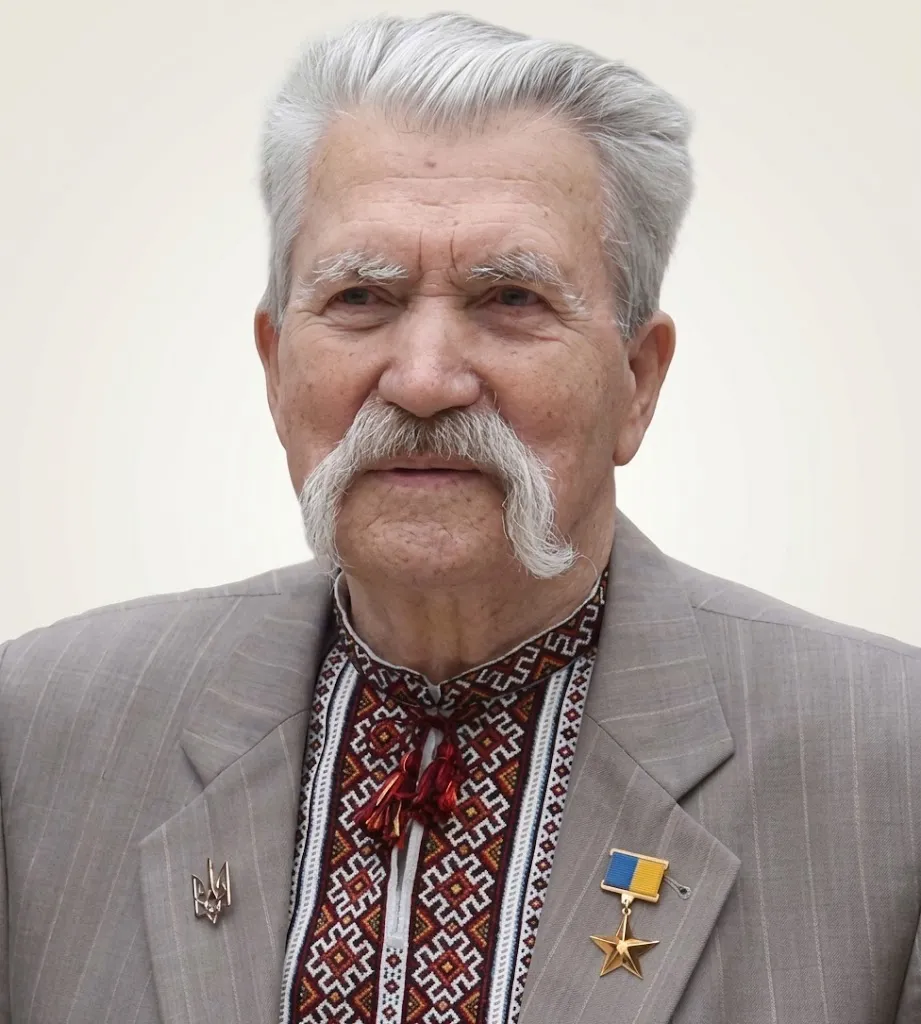
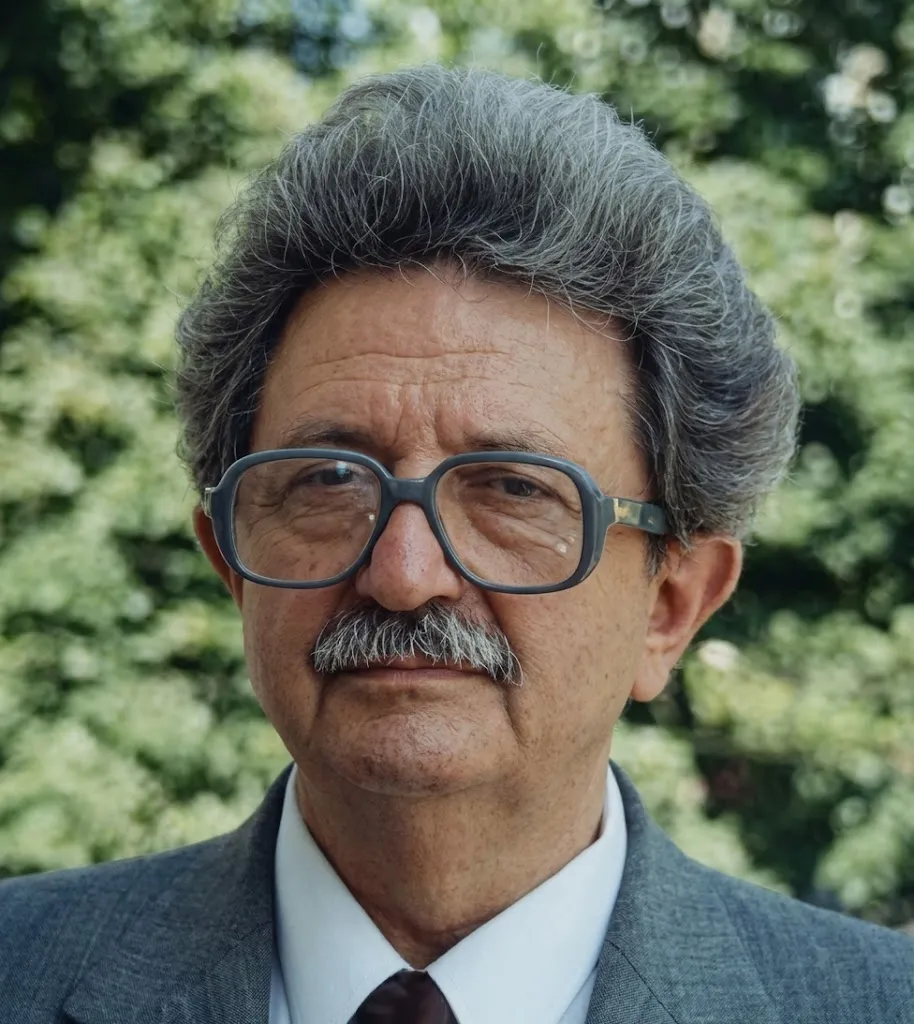
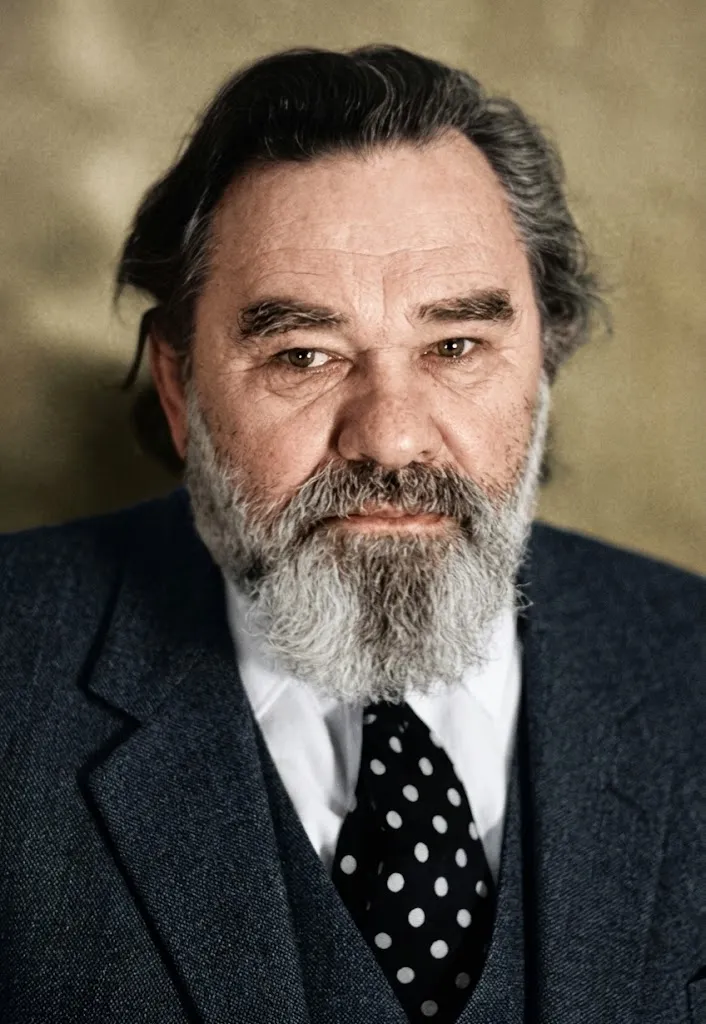
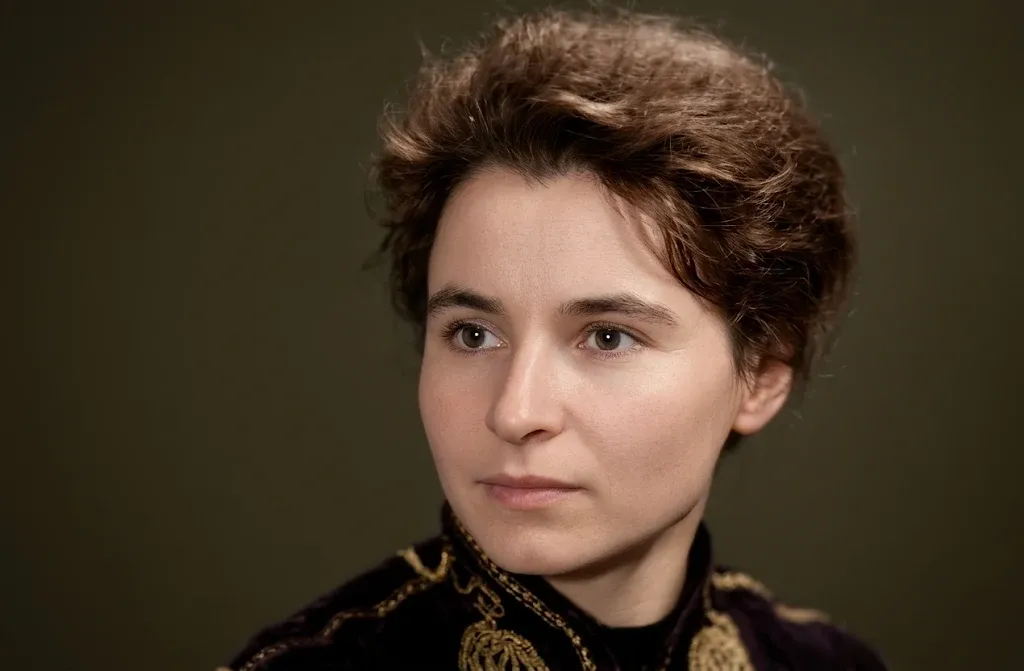
Ivan Kandyba
Lawyer and human rights defender
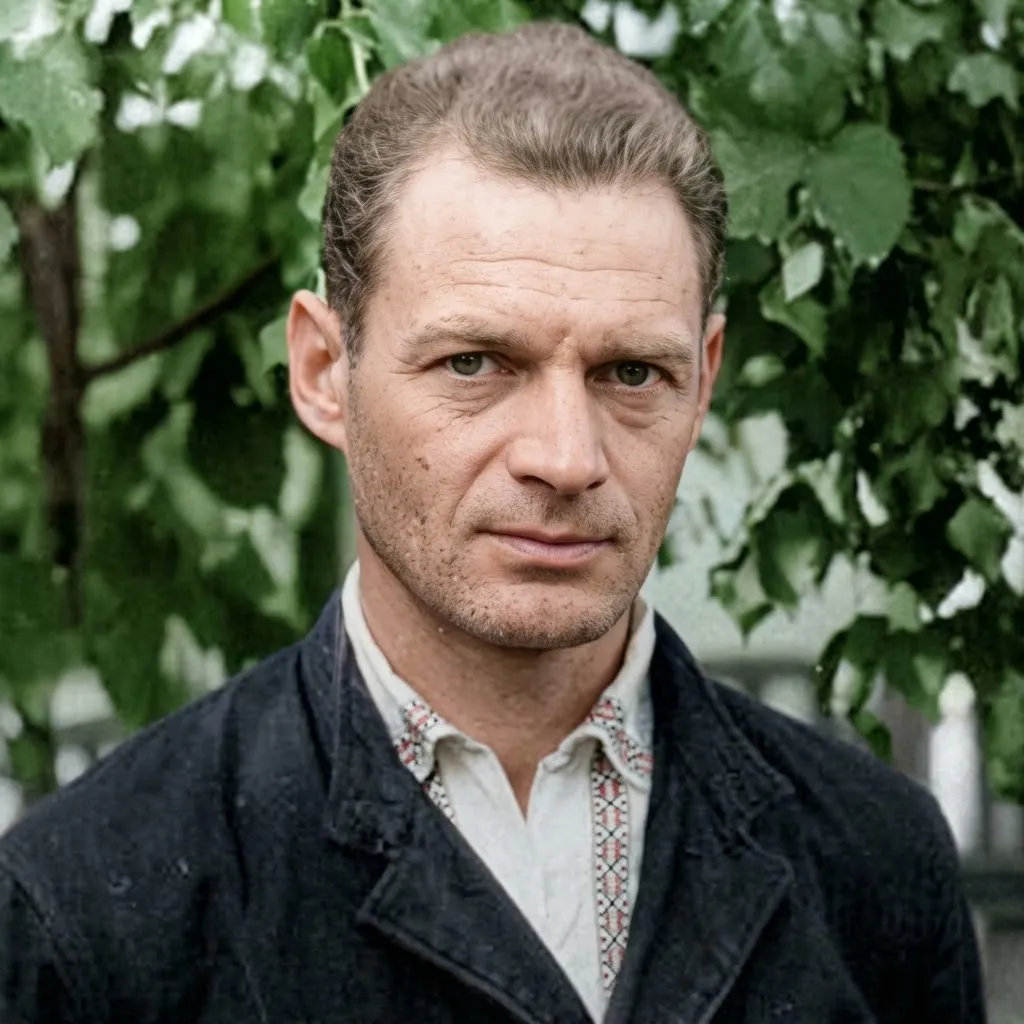
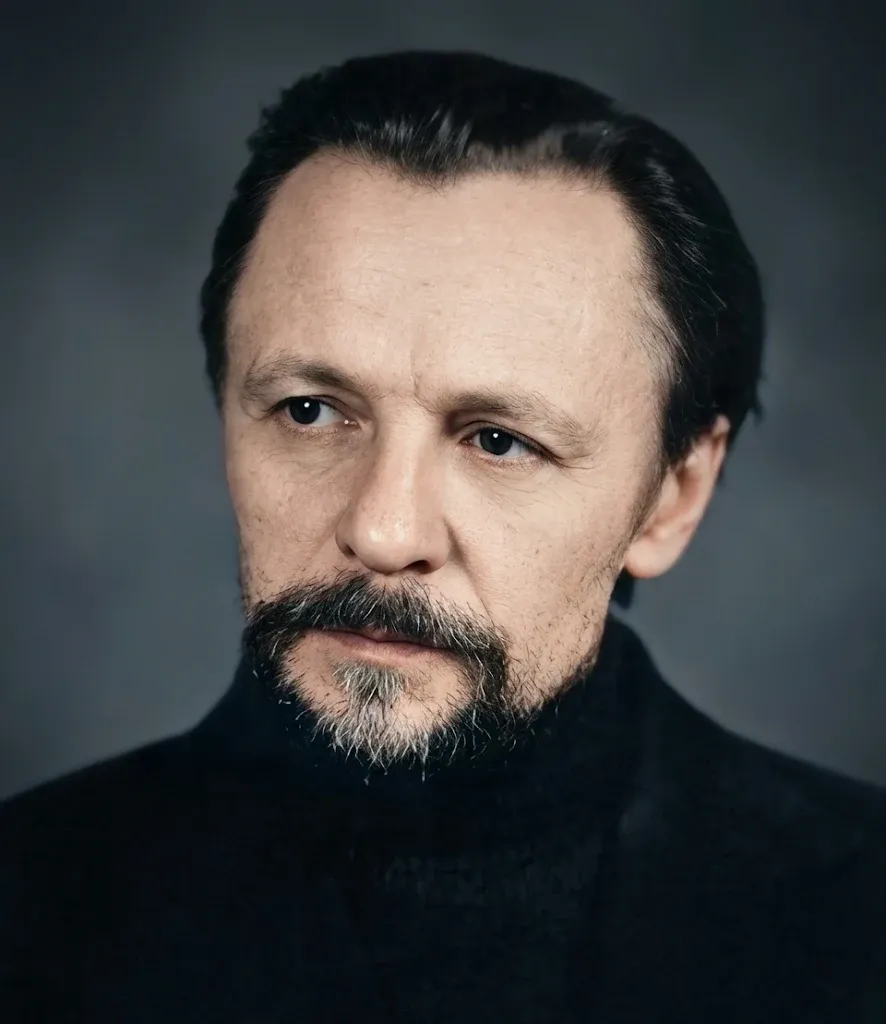
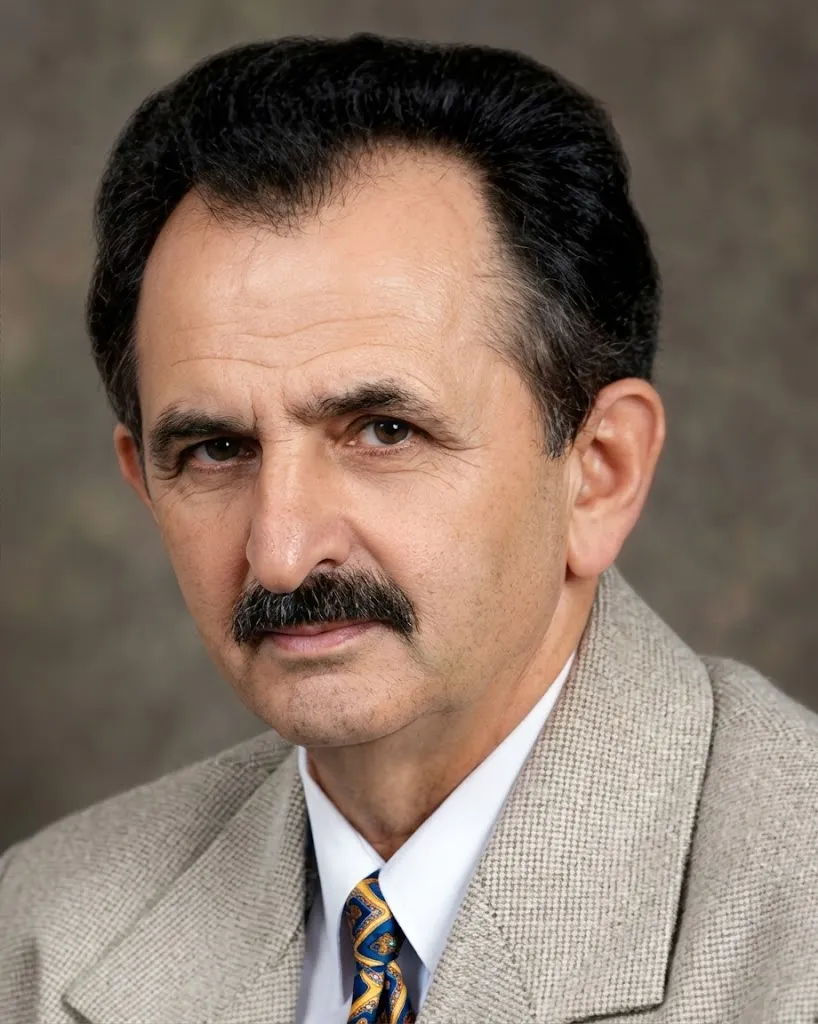
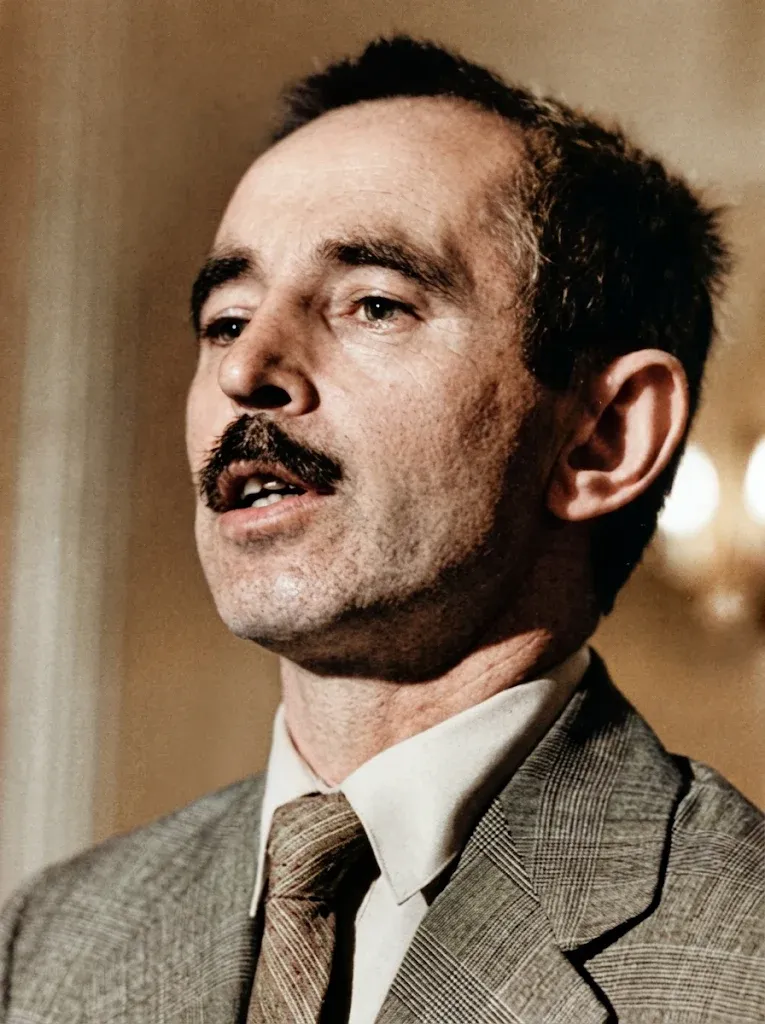
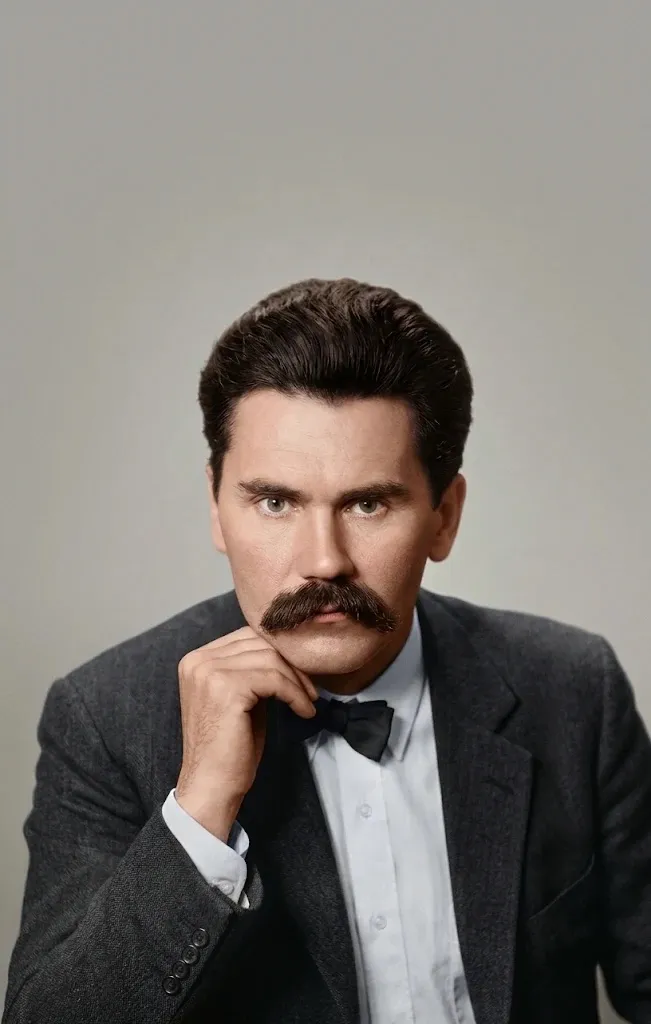
He was the first of his comrades arrested in 1961, and the last founder of the Ukrainian Helsinki Group arrested, in 1981. Lawyer Ivan Kandyba spent over 22 years in Soviet captivity and never gave up his dream of an independent Ukraine.
Key accomplishments
- With Levko Lukianenko, founded the underground Ukrainian Workers’ and Peasants’ Union (1960)
- A founding member of the Ukrainian Helsinki Group (1976)
- With Lukianenko and Mykhailo Horyn, smuggled out an appeal to the UN Commission on Human Rights about the treatment of political prisoners (1969)
- Founder and first chair of the association State Independence of Ukraine (1990); founder and editor of the newspaper Neskorena Natsiia
- Posthumously awarded the Order for Courage, 1st class (2006)
Why did he turn down a flat in Lviv?
After 15 years in captivity, Ivan Kandyba was offered a deal by the KGB: the right to live in Lviv and a job as a lawyer. All he had to do was renounce his views in public. Kandyba refused, so he stayed under police supervision in the small town of Pustomyty, where he worked as a stoker and repaired electrical appliances. He was born on 7 June 1930 in the village of Stulno in the Kholm region, now in Poland, into a peasant family. In 1945, when Ukrainians were being moved out of Poland into Soviet Ukraine, the family went to the Mykolaiv region and later to the Rivne region. In 1953 Ivan graduated in law from Lviv University.
A lawyer looking for a lawful road to freedom
Kandyba worked as a notary, a people’s judge and a defence lawyer in the Lviv region. In 1960, in Hlyniany, he met a fellow lawyer, Levko Lukianenko, and together they set up the underground Ukrainian Workers’ and Peasants’ Union. The union wanted to take Ukraine out of the USSR peacefully, by referendum, relying on the right to secede written into the Soviet constitution itself. On 20 January 1961 Kandyba became the first member of the union to be arrested; Lukianenko was taken the next day. A court in Lviv sentenced Kandyba to 15 years in strict-regime camps.
Fifteen years to the day
Kandyba served his whole term in the camps of Mordovia and the Perm region, and for his protests he was twice thrown into Vladimir prison as well. There he shared a cell for a while with Lukianenko and Mykhailo Horyn. In 1969 the three of them smuggled an appeal to the UN Commission on Human Rights out to the West: harmful drugs were being mixed into political prisoners’ food. Kandyba wrote statements to international bodies, went on hunger strikes and was sent to the punishment cell again and again. They never broke him: he walked free on 20 January 1976, fifteen years to the day after his arrest.
“I agree to be a member of your organization”
The writer Mykola Rudenko came to see Kandyba in early November 1976 and invited him to join a human rights group. Kandyba suspected his visitor was a KGB plant and asked Nadiia Svitlychna to check him out. Then he heard on Radio Liberty that the Ukrainian Helsinki Group had been founded, and he phoned Rudenko: “I agree to be a member of your organization.” That made him one of its ten founders. Under constant watch, he wrote and circulated the group’s documents and stood up for jailed comrades: Rudenko, Oleksa Tykhyi, Myroslav Marynovych, Lukianenko. Twice he asked permission to join his sister in the United States, and twice he was refused.
The last founder standing
The last of the group’s founders to be taken, Kandyba was arrested on 24 March 1981. He was charged with writing and circulating 18 of its documents. Mykhailo Horyn, in whose home a statement in defence of the group had been found during a search, refused to testify against him. The court gave Kandyba 10 years in special-regime camps and 5 years of exile as a “particularly dangerous repeat offender”. In the special camp at Kuchino in the Urals he shared a cell with Horyn and Yurii Lytvyn. Even in 1988, when political prisoners were already being let go, Kandyba refused to work and demanded political-prisoner status, and got 65 days in the punishment cell for it. He was pardoned in September 1988, but he walked out of a Lviv prison only after a hunger strike and a demand from US President Ronald Reagan. In all, he spent more than 22 years in captivity.
Back in the fight
Once free, Kandyba joined the Ukrainian Helsinki Union, but he found it too moderate. On 8 April 1990 he and other former political prisoners founded the association State Independence of Ukraine, which he led, and he founded and edited its newspaper, Neskorena Natsiia (“The Unconquered Nation”). In 1992 he joined the Organization of Ukrainian Nationalists, and in 1996 he became head of its leadership in Ukraine. Ivan Kandyba died in Lviv on 8 November 2002, at the age of 72, and is buried there. In 2006 he was posthumously awarded the Order for Courage, 1st class.
Debates and assessments
Kandyba’s work after 1990 is judged in different ways. Some scholars describe the groups he founded as radical nationalist and call his newspaper Neskorena Natsiia often xenophobic. They also note that most of his colleagues did not back his plans, and that the organizations claiming to continue the prewar OUN were pushed to the margins of politics over time. Kandyba himself and his supporters saw this work as a continuation of the fight for an independent Ukrainian state that he had been waging since 1960.
Why it matters today
Ivan Kandyba was a lawyer who believed Ukraine could win its freedom by law, through a referendum, and he looked for that road when even the thought of it meant prison. Neither prisons nor punishment cells nor the promise of a comfortable life in exchange for repentance could make him back down. After fifteen years inside he did not go quiet: he became one of the founders of the Ukrainian Helsinki Group. Kandyba is one link in the long chain of Ukrainians who would not accept captivity, a chain carried on today by those who defend Ukraine. His story is a reminder that giving up the truth for a quiet life is a choice too, and he always chose otherwise.