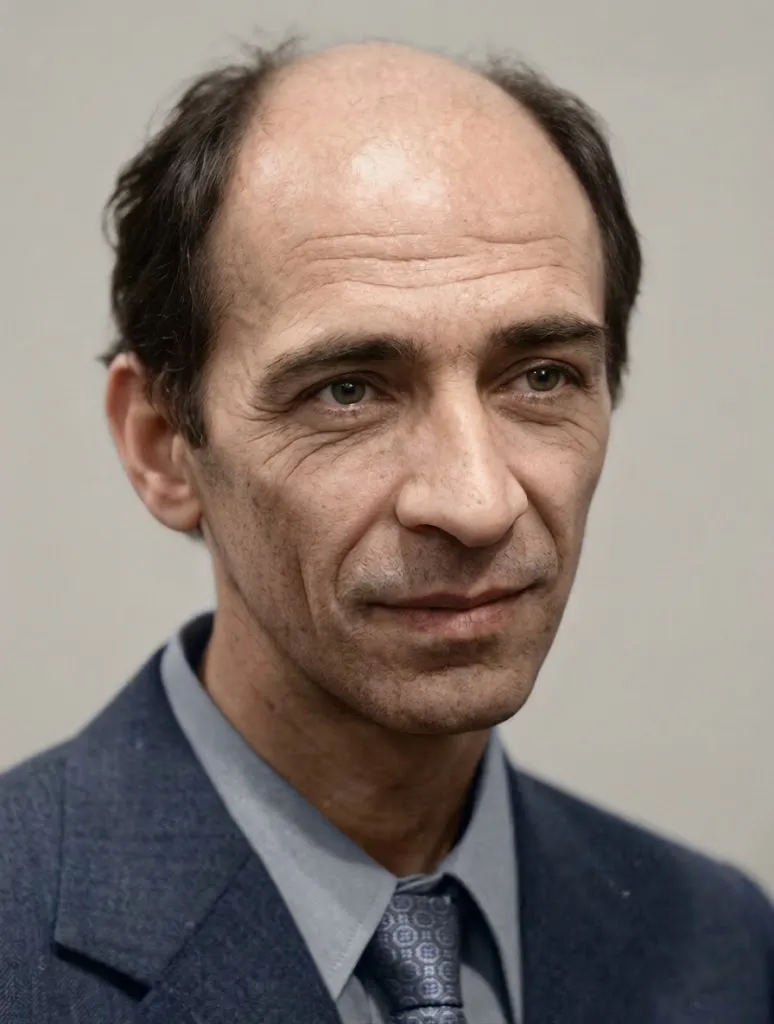
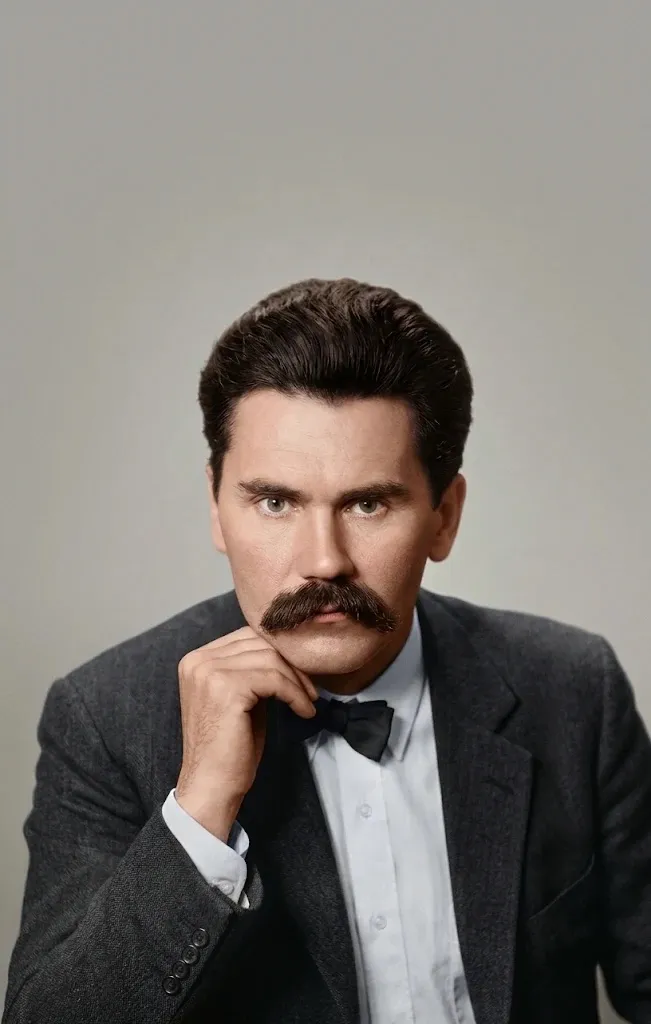
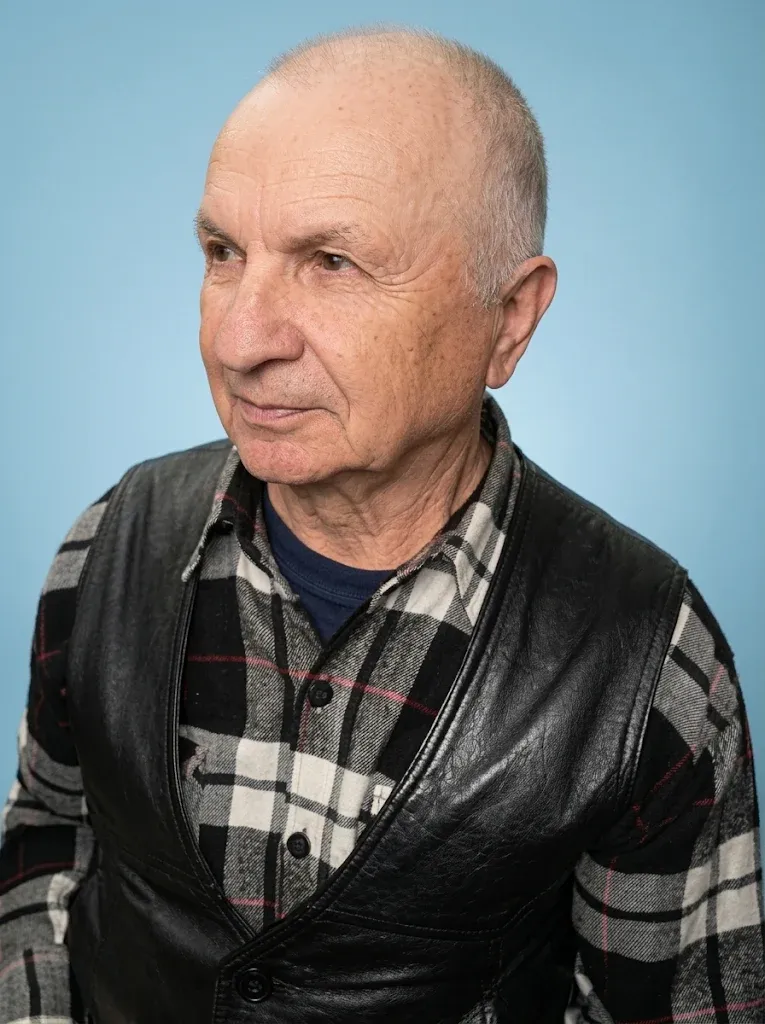
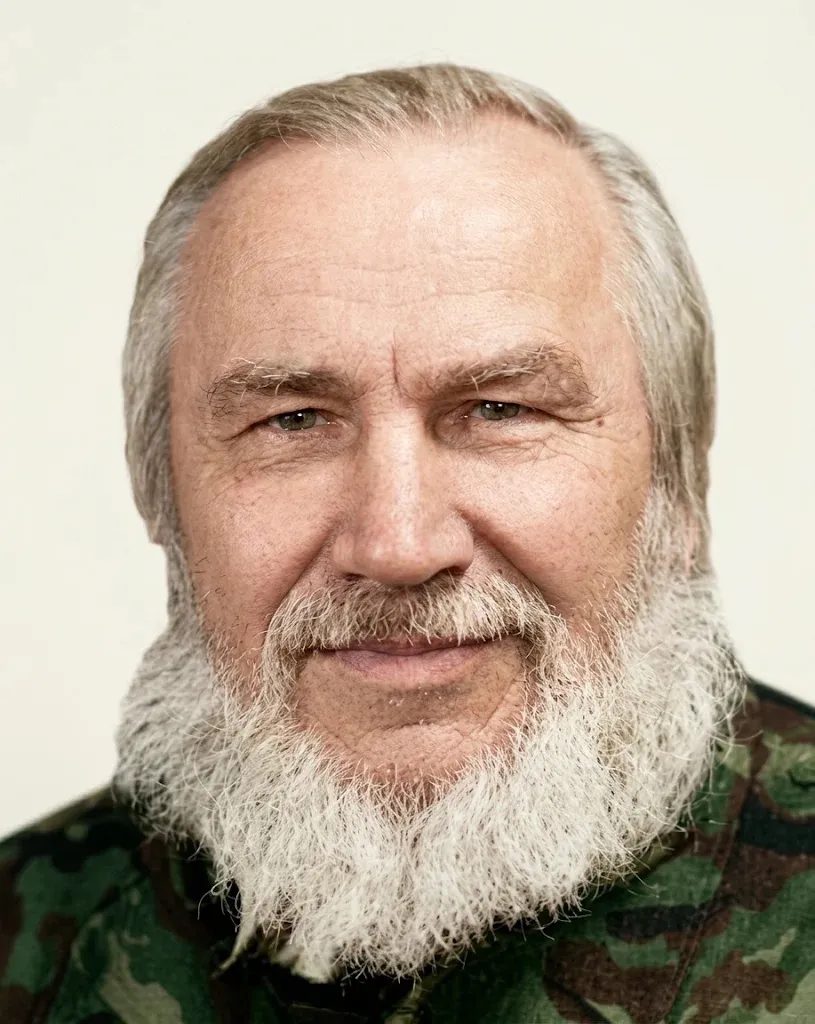
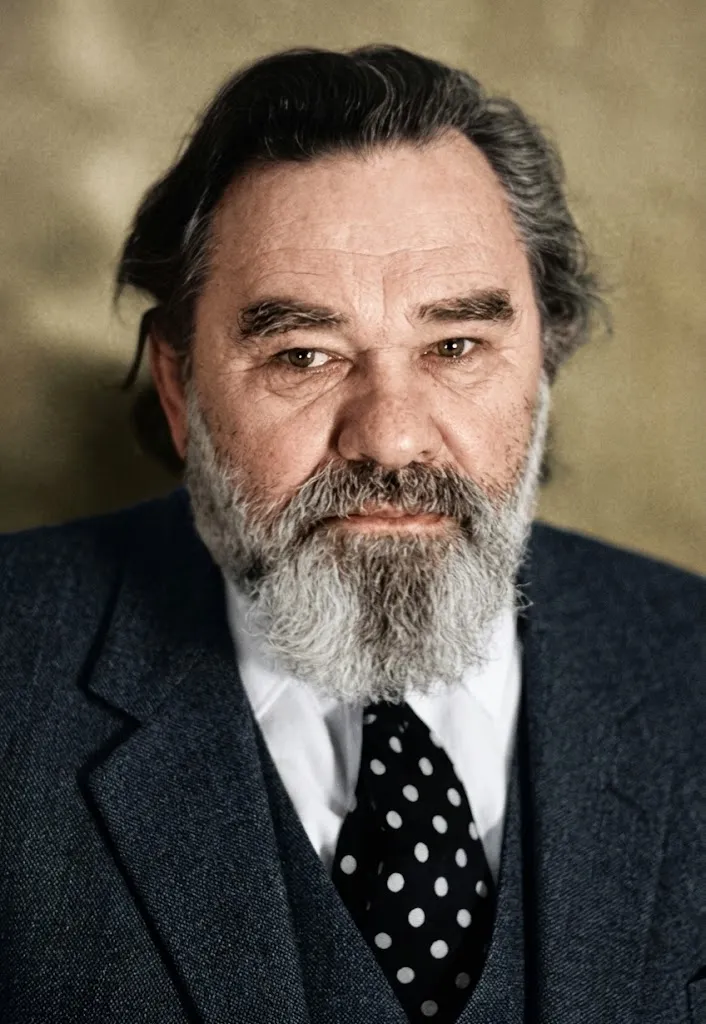
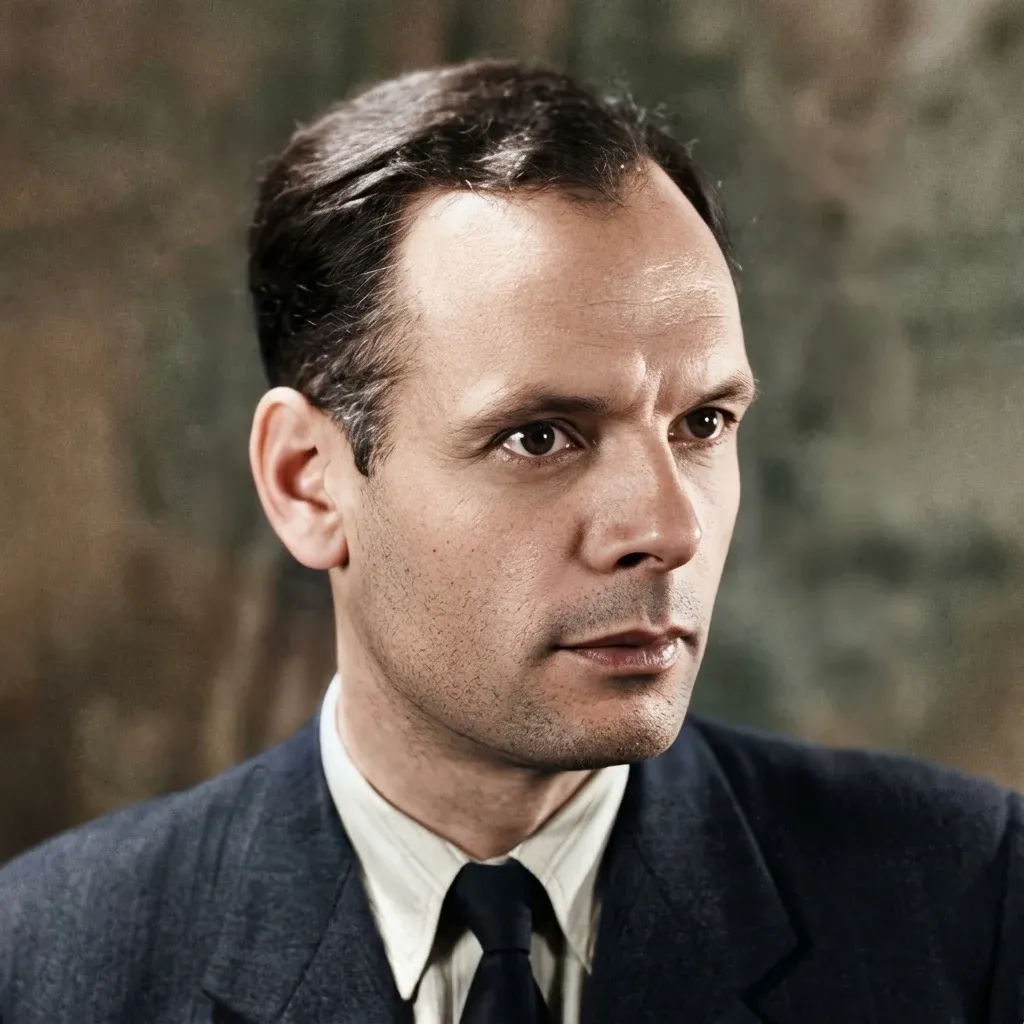
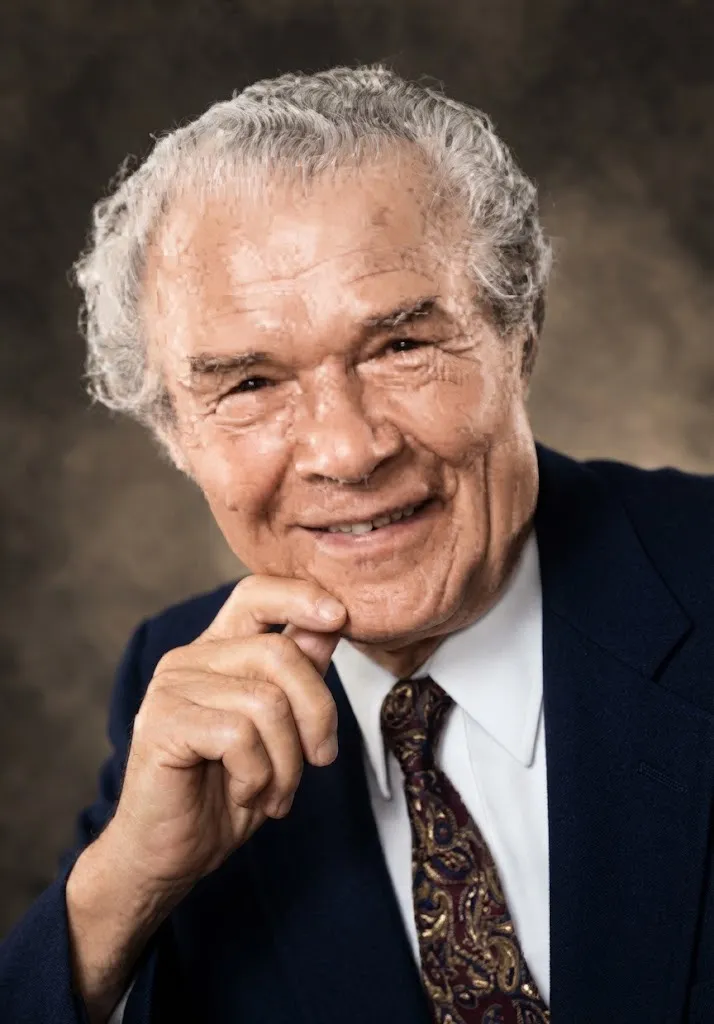
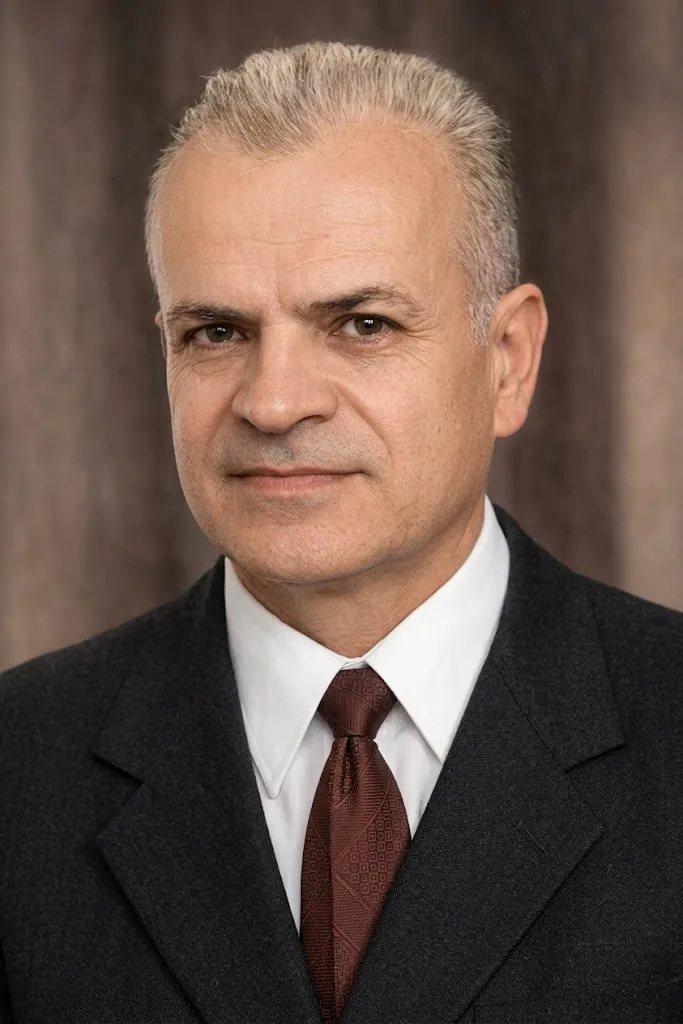
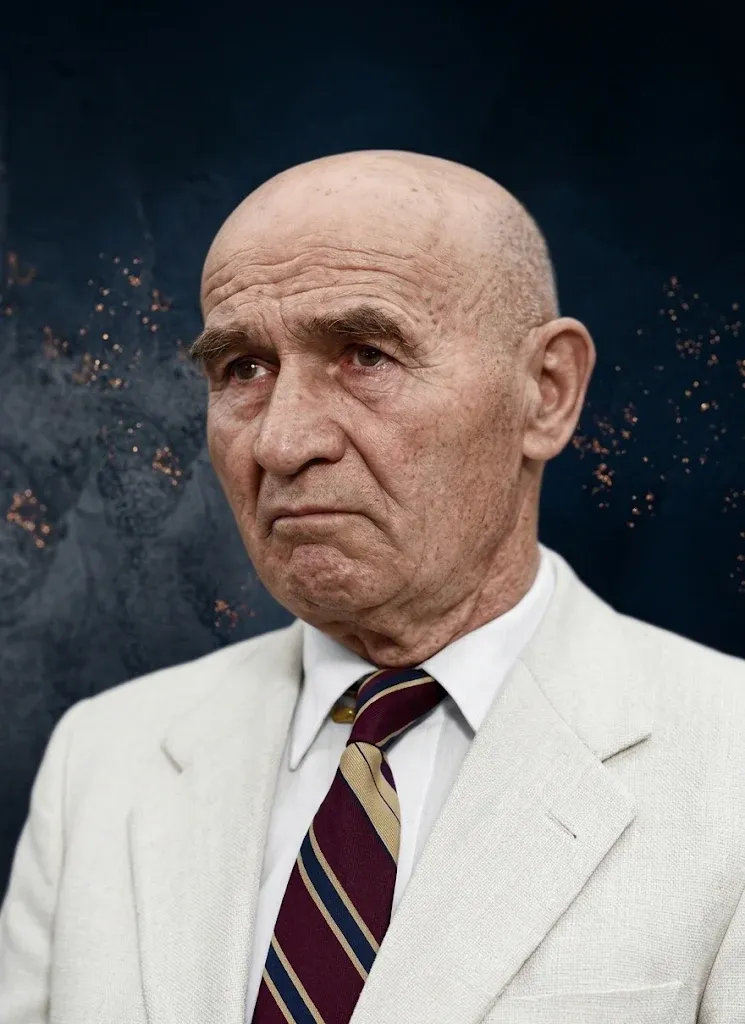
Viktor Rafalskyi
Writer held in psychiatric prisons
He wrote historical plays, poems and novels about an independent Ukraine, and Soviet psychiatrists listed even that among his "symptoms". Teacher and writer Viktor Rafalskyi (Rafalsky) spent over twenty years in prison psychiatric hospitals, escaped twice and described them in A Report from Nowhere.
Key accomplishments
- The novel-poem "Scream and Fury" (Zoik i liut, 1952) about a young man broken by the Soviet system who comes to the Ukrainian national idea
- The satire "The Unusual Adventures of Three Good-for-Nothings in Wonderland", confiscated at his 1967 arrest
- The memoir "A Report from Nowhere" (Reportazh nizvidkillia) about prison psychiatric hospitals
- More than two decades in the special psychiatric hospitals of Leningrad, Kazan, Dnipropetrovsk and Sychovka for his writing and views
- Spoke out publicly in 1989 about the abuse of psychiatry and the silence of most psychiatrists
A diagnosis for a playwright
“He wrote many historical plays and could not get them staged. This made him indignant.” That line comes not from a theatre review but from a forensic psychiatric report: it was one of the reasons given for declaring Viktor Rafalskyi, often spelled Rafalsky, a schizophrenic. He was born in 1918 or 1919; sources differ. He was first declared ill as early as 1939, when he left the Soviet army.
A teacher who wrote the wrong things
After World War II Rafalskyi taught in the Carpathian foothills of western Ukraine and was headmaster of the school in the village of Bili Oslavy. In 1952 he wrote a novel-poem, “Scream and Fury”, about a young man broken by the Soviet system who finally comes to the Ukrainian national idea. In October 1954 he was arrested for “anti-Soviet agitation”, and many of his poems were seized. Experts at the Serbsky Institute in Moscow declared him not responsible, and he was sent to the special psychiatric hospital in Leningrad.
Escape and new arrests
Rafalskyi escaped from the hospital in 1956, but he was caught and sent back to Leningrad. In 1962 he was arrested in Kyiv and held in psychiatric hospitals, Kazan among them, until 1964. In September 1967 he was arrested again, in the Ternopil region. Among the manuscripts taken was a satire about three Africans’ adventures in the USSR, and in “Scream and Fury” the investigators saw propaganda for “an independent Ukraine”.
Eight years in Dnipropetrovsk
A court sent him to the Dnipropetrovsk special psychiatric hospital, where he was held from July 1968 to September 1976. Other Ukrainian dissidents were locked up there too, among them Leonid Pliushch, Mykola Plakhotniuk and Vasyl Ruban. In 1971 the doctors recommended releasing Rafalskyi, but the court refused: he had no relatives, so there was no one to take him into their care. He was then moved to the special psychiatric hospital in Sychovka, in the Smolensk region. In all, sources say he spent 23 to 24 years in psychiatric hospitals, and more than 27 counting prisons.
This was not chance but a system. For the regime, psychiatric hospitals became prisons with no end date. The USSR no longer dared to shoot its opponents as it had under Stalin: it told the West there were no political prisoners in the country and branded discontent with the regime as madness. Moscow’s Serbsky Institute gave dissidents an invented diagnosis, “sluggish schizophrenia”, and KGB chief Yuri Andropov pushed through an expansion of the network of special psychiatric hospitals. The case files held in the SBU archive alone cover about a thousand such “patients”.
A report from nowhere
Rafalskyi escaped from the Lviv regional psychiatric hospital in 1983, but that summer he was arrested again in Moscow, and in 1984 a court in Stryi sent him back to the Dnipropetrovsk special psychiatric hospital. That same year a letter of his to the UN Commission on Human Rights reached the West: he asked for help to be freed, for the return of the literary archive the KGB had seized, and for such hospitals to be declared criminal. Rafalskyi was finally released only in 1987, yet even in 1988 the head of the Ukrainian KGB was still calling him mentally ill in reports to the Party’s Central Committee. He described his years behind hospital bars in the memoir “A Report from Nowhere”: “In prison psychiatric hospitals you have the right only to stare at the ceiling.” In it he also told the story of Anatolii Lupynis. In 1989 Rafalskyi publicly thanked honest psychiatrists and lamented that most of their colleagues still kept silent about the crimes of punitive psychiatry. He was one of the writers of the Stryi literary circle “Khvyli Stryia” (Waves of Stryi), and he died in 1997. And in 1990 in Stryi, Rafalskyi and other patriots raised the blue-and-yellow flag over the city council building while Ukraine was still part of the USSR.
Why it matters today
Rafalskyi kept writing in Ukrainian about a person who longs to be free, even though, for what he wrote and thought, he was never tried but declared ill. The regime wanted people like him to vanish without a sentence and without a voice, but his letter to the UN reached the West, and his memoir reached readers. His memoir still shows how a totalitarian state hid dissenters behind hospital doors and turned freedom of thought into a diagnosis. Anyone who writes and speaks freely today uses a right that people like him paid for with decades of their lives.