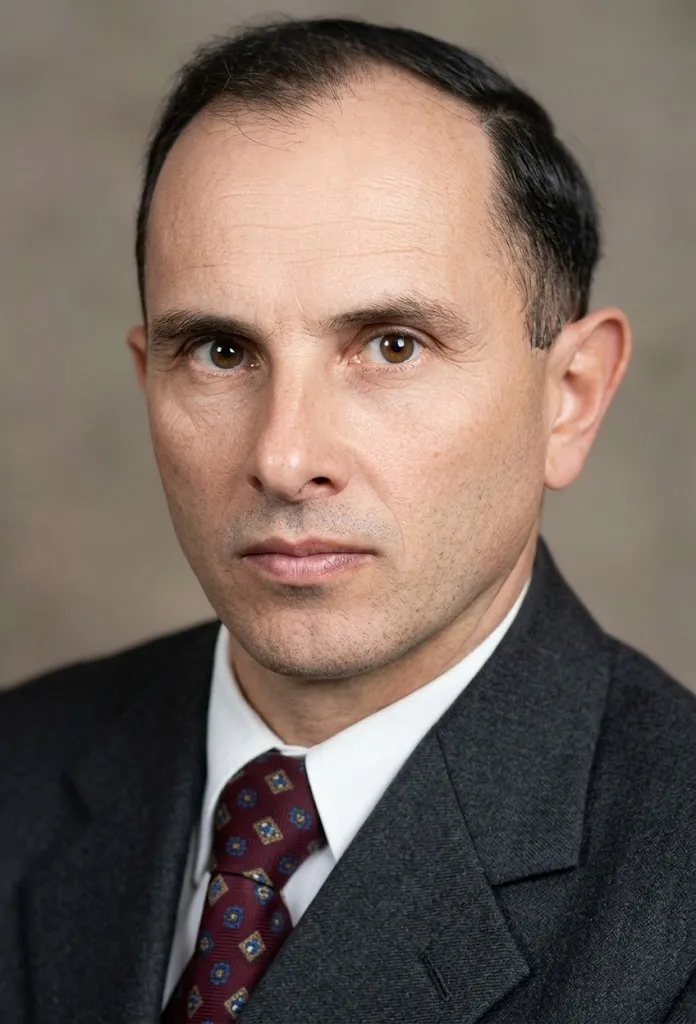
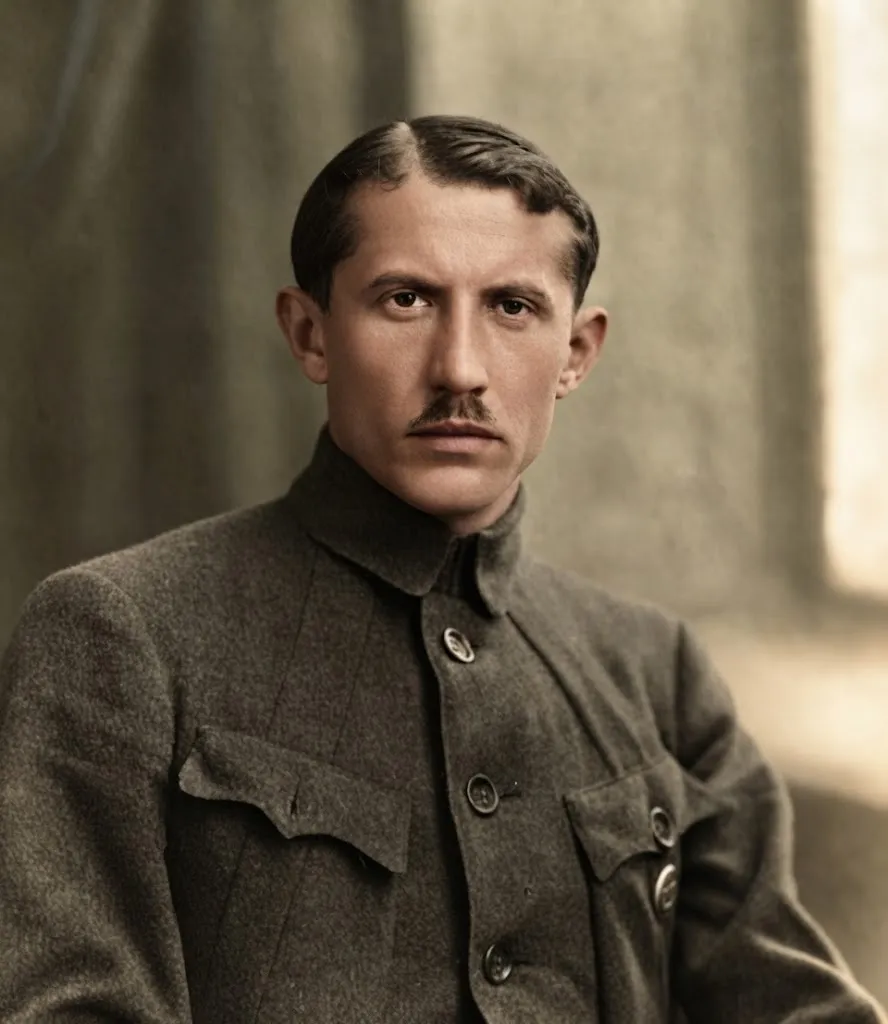
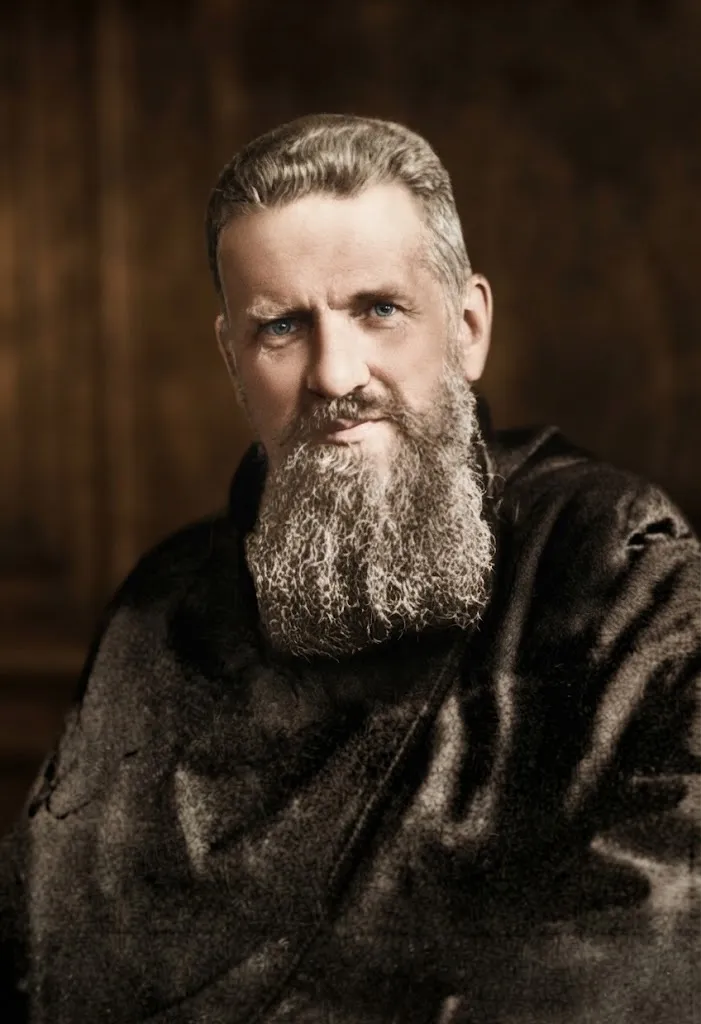
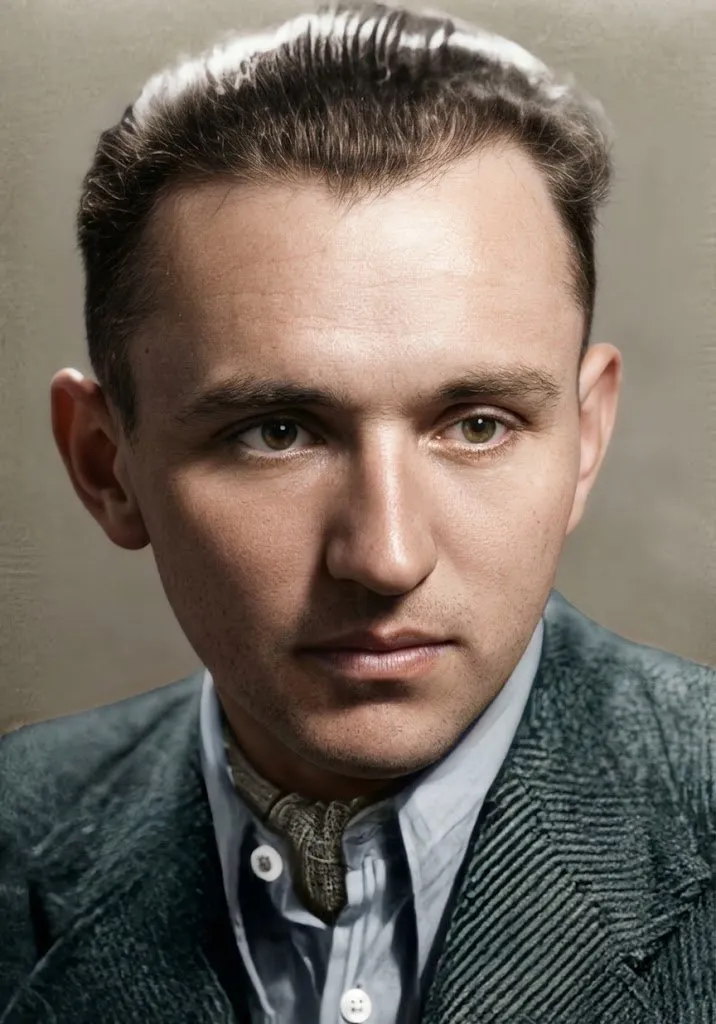
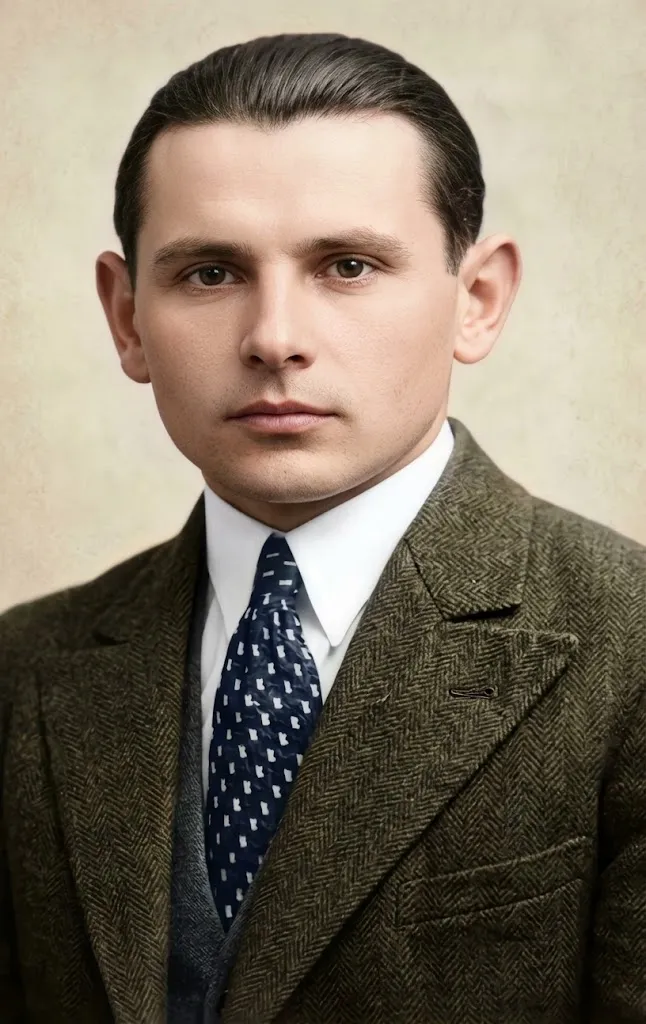
Yaroslav Stetsko
Head of Ukrainian State Administration
He led a Ukrainian government for less than two weeks, and for refusing to revoke the Act of 30 June 1941 spent over three years in Nazi captivity. Yaroslav Stetsko, Bandera’s deputy, went on to lead the Anti-Bolshevik Bloc of Nations for forty years. He remains a contested figure.
Key accomplishments
- OUN ideologist and member of its regional executive in western Ukraine (from 1932)
- Proclaimed the Act of Restoration of the Ukrainian State in Lviv on 30 June 1941 and headed the Ukrainian State Administration
- President of the Anti-Bolshevik Bloc of Nations (1946–1986) and leader of the OUN-B (1968–1986)
A government that lasted under two weeks
Can you become head of a government one evening and be under arrest a few days later for refusing to back down? That is what happened to Yaroslav Stetsko in the summer of 1941. The government he led lasted less than two weeks. Stetsko himself spent more than three years in Nazi captivity.
An ideologist from Ternopil
A Greek Catholic priest’s son from Ternopil became the ideologist of the underground OUN. Yaroslav Stetsko was born there in 1912. He finished the Ukrainian gymnasium in his home town and studied law and philosophy at the universities of Kraków and Lviv. In 1929 he joined the Organization of Ukrainian Nationalists, which Yevhen Konovalets had just begun to lead. From 1932 he sat on the OUN’s regional executive in western Ukraine, in charge of ideology, and edited underground publications. In 1936, at the Lviv trial, a Polish court sentenced him to five years in prison. He was freed under an amnesty in 1937 and went abroad.
The Act of 30 June 1941
When the OUN split in 1940, Stetsko became deputy to Stepan Bandera in the OUN-B. After Germany attacked the USSR, he reached Lviv with an OUN task force on 30 June 1941. He went first to Metropolitan Andrei Sheptytskyi and received his blessing. Together with Vasyl Kuk and Father Yosyf Slipyi, he insisted on proclaiming the Act at once instead of waiting for Kyiv. That evening, in the Prosvita building on Rynok Square, the Ukrainian National Assembly adopted the Act of Restoration of the Ukrainian State, and Stetsko read it out from the balcony. An order from Bandera, read out at the same meeting, made Stetsko head of the government, the Ukrainian State Administration.
Berlin refused to recognize the Act. When Stetsko would not revoke it, he was arrested in July 1941. He was held in Berlin and then in Sachsenhausen concentration camp until the autumn of 1944.
From Munich to Taiwan
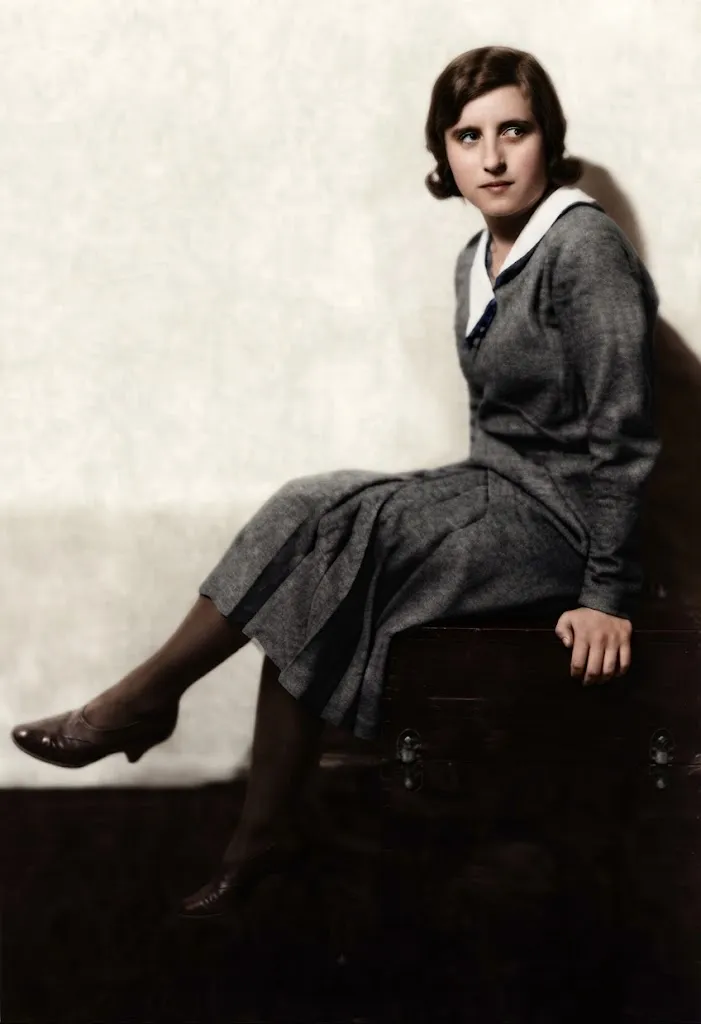
For forty years Stetsko led the Anti-Bolshevik Bloc of Nations (ABN), from 1946 to the end of his life. After his release he was badly wounded while making his way to the American occupation zone. He settled in Munich and married Hanna Muzyka, a fellow member of the underground, known as Yaroslava (Slava) Stetsko. The ABN brought together anti-communist organizations of nations under the USSR and communist regimes, and in 1968 Stetsko also became leader of the OUN-B. He sat on the executive of the World Anti-Communist League, and in 1955 signed a cooperation agreement with the Chinese Anti-Communist League in Taiwan; an ABN office later opened in Taipei. Soviet intelligence kept watch on him for decades. Yaroslav Stetsko died in Munich on 5 July 1986.
Debates and assessments
The text of the Act of 30 June declared cooperation with Nazi Germany. Some historians explain this as pragmatism: in the summer of 1941 only Germany could stand up to the USSR. Others see it as a sign of the OUN-B’s collaboration with the Nazis. The proclamation was accompanied by a pogrom against Lviv’s Jews in early July 1941. Some historians write that the militia set up by the OUN-B took part in the violence. Others place the main responsibility on the German death squads. The sources do not report any personal part played by Stetsko in the violence.
The sharpest debate is over the “Zhyttiepys”, an autobiography Stetsko allegedly wrote in the summer of 1941 for the Germans who had arrested him. It contains a passage supporting the extermination of Jews and bringing German methods to Ukraine. Some scholars consider the document genuine. Others doubt it: its text was made public by Soviet publications, and for decades the KGB ran campaigns to link the OUN with antisemitism and to discredit Stetsko. In his book “30 June 1941”, published in 1967, Stetsko himself denied that his government took part in anti-Jewish actions. The ABN’s Cold War work is also judged in different ways: supporters see it as a voice for the nations held captive by the USSR, while Soviet intelligence ran smear campaigns against Stetsko and the ABN, including fake leaflets.
Why it matters today
The Act of 30 June 1941, proclaimed by Stetsko, showed that even caught between two totalitarian regimes, Ukrainians claimed the right to a state of their own. Refusing to revoke it cost Stetsko more than three years in Nazi captivity. In exile he spent decades reminding the West that the USSR held whole nations captive, Ukraine among them. At the same time, his story teaches us to tell apart facts, historians’ assessments and the propaganda that worked against him for years.