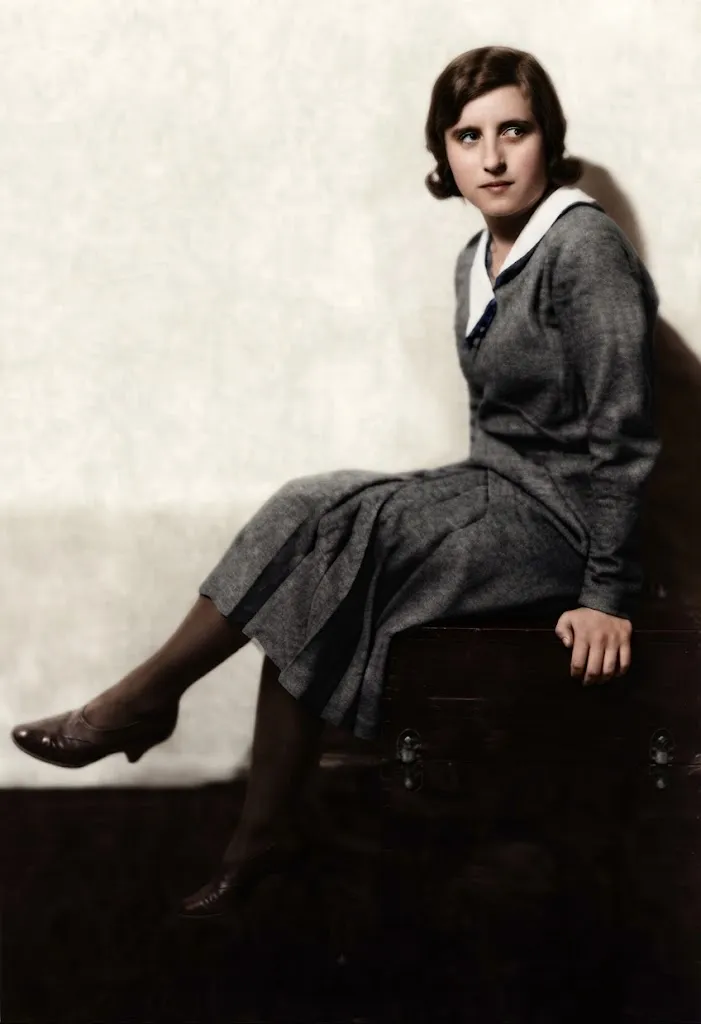
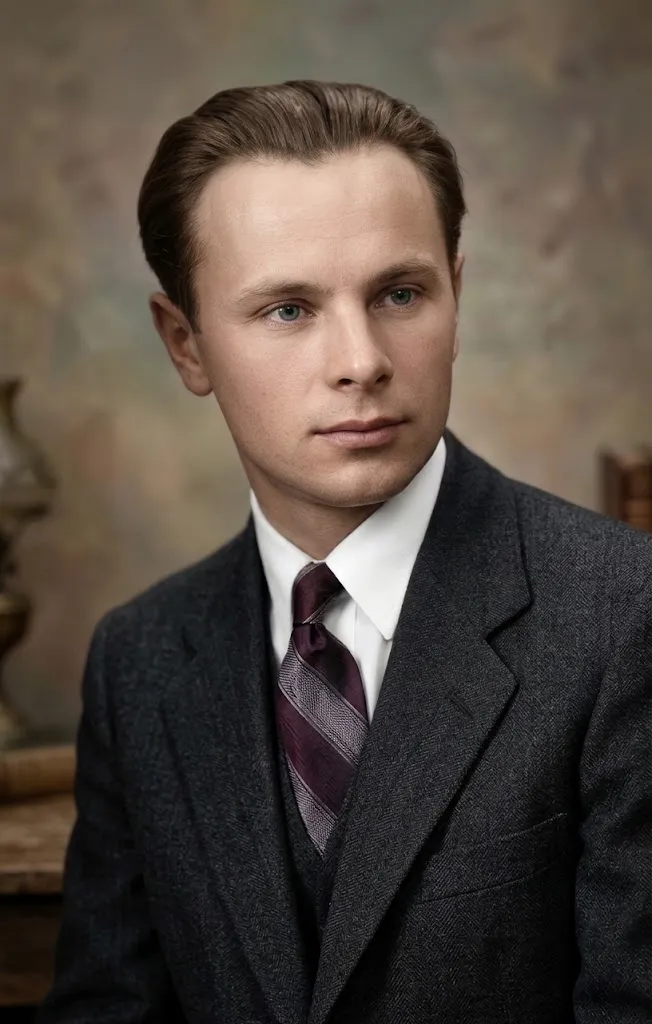
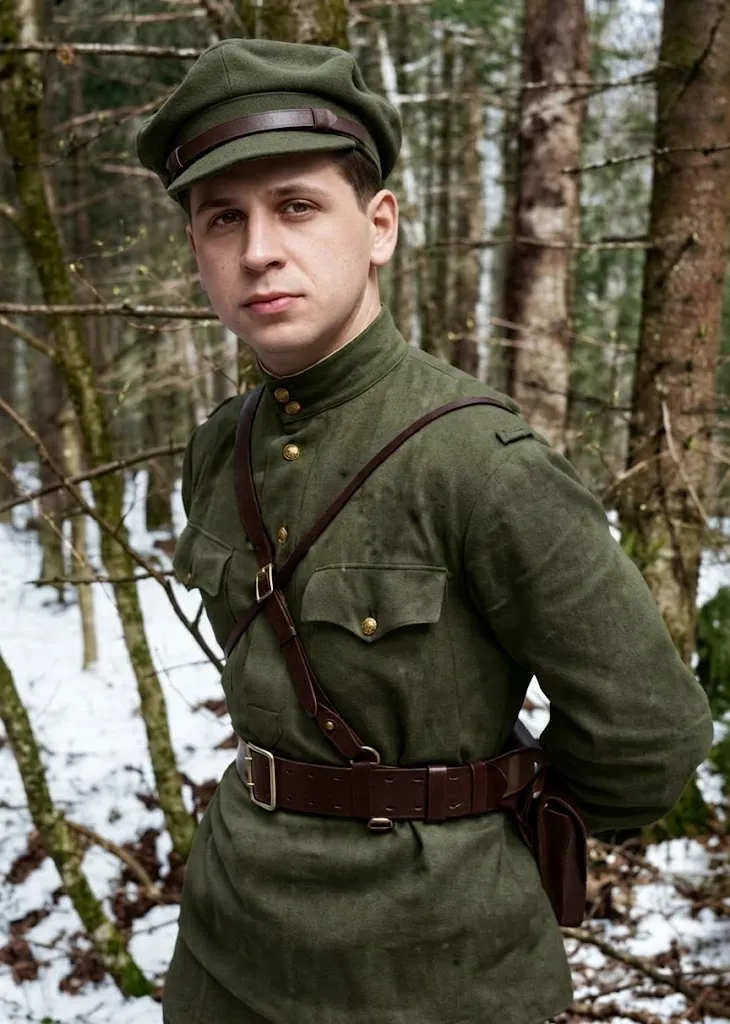
Mariia Kos
Head of the OUN girls' intelligence cell
Why did a young woman's name keep coming up at Stepan Bandera's trial when she wasn't there? Mariia Kos, sister of the composer Anatolii Kos-Anatolskyi, led the OUN girls' combat and intelligence cell in Lviv, where Kateryna Zarytska also served. She died in 1934, before the trial.
Key accomplishments
- Led the girls' combat and intelligence cell of the OUN Regional Executive in Lviv (from 1931–1932)
- Directed the cell's intelligence tasks together with Roman Myhal in 1934
- Her cell included Kateryna Zarytska, Dariia Hnatkivska and Vira Svientsitska
A name heard in court
Polish courts in Warsaw and then Lviv tried Stepan Bandera and other members of the Organization of Ukrainian Nationalists (OUN) in 1935–1936. Defendants and witnesses kept mentioning Mariia Kos. Yet she was not in the dock: she had died in 1934, very young.
The composer’s sister
Mariia’s brother was the composer Anatolii Kos-Anatolskyi. She studied in Lviv and had been friends with Kateryna Zarytska since school.
The girls’ cell
The OUN fought Polish rule underground in the early 1930s, including through political killings. In 1931–1932 a girls’ combat and intelligence cell of five was set up in Lviv, and Mariia Kos led it. It answered to the Regional Executive, the OUN leadership in western Ukraine. Its members were Kateryna Zarytska, Dariia Hnatkivska, Vira Svientsitska and Halyna Nedzvetska.
The cell was most active after Bandera took over the Regional Executive. The girls watched people the organization planned to kill: a deputy commissioner of Lviv’s Brygidky prison, suspected of brutality towards Ukrainian political prisoners, and a student, Yakiv Bachynskyi, believed to be a police informer. Mariia and her superior, Roman Myhal, told Zarytska to bring Bachynskyi to an agreed spot. He was killed in June 1934. Historians believe the cell did mostly intelligence work, though it had combat tasks too.
An early death
Mariia Kos died of severe pneumonia in the second half of 1934. Around the same time, after the killing of Poland’s interior minister Bronisław Pieracki, the police arrested many OUN members, and later her friends as well.
Debates and assessments
The OUN’s actions in the 1930s are judged in different ways. For its members and many Ukrainians in Galicia, it was a fight against Polish policy towards Ukrainians. The Polish authorities and courts saw it as terrorism, and Mariia Kos’s cell gathered information precisely for attacks. The victims included not only Polish officials but also Ukrainians suspected of working with the police.
Why it matters today
Mariia Kos’s story shows that in the Ukrainian underground of the 1930s young women did more than help: they ran intelligence work and led cells themselves. Kateryna Zarytska, who later headed the underground Red Cross and became Roman Shukhevych’s courier, started out in her cell, as did Dariia Hnatkivska, sentenced to 15 years in prison at the Warsaw trial. Mariia did not live to see the trial, so we know her story mostly from other people’s testimony. She is a reminder of how many who fought for Ukraine remain in the shadow of better-known names.