Sandarmokh
Sandarmokh forest, Karelia
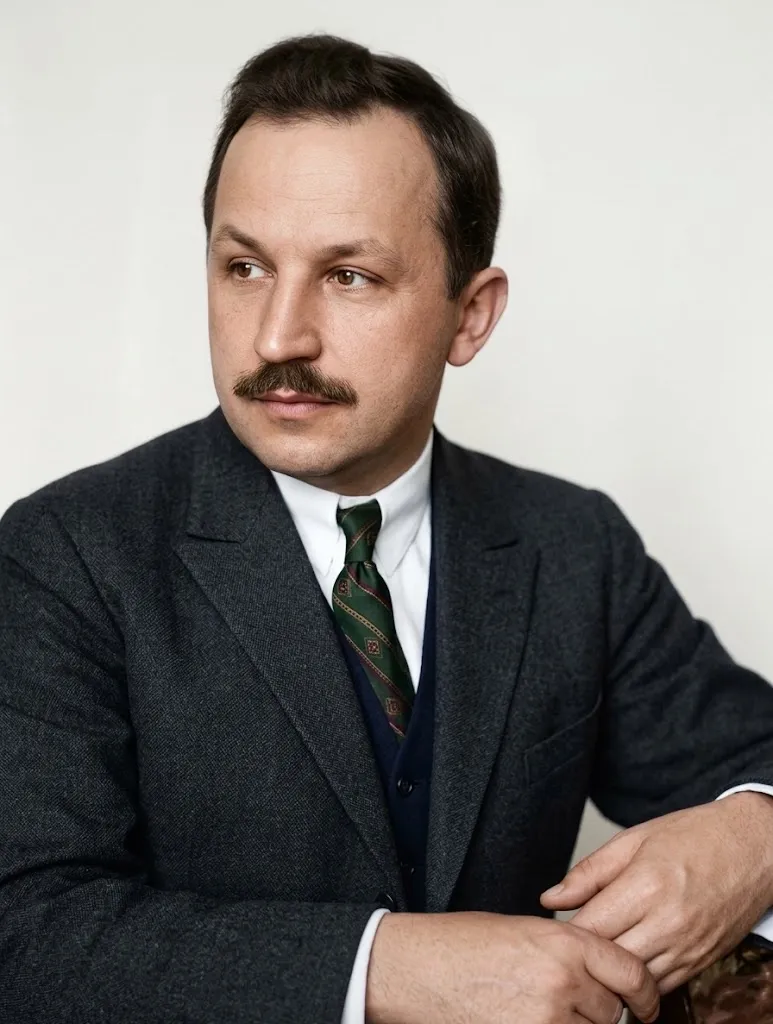
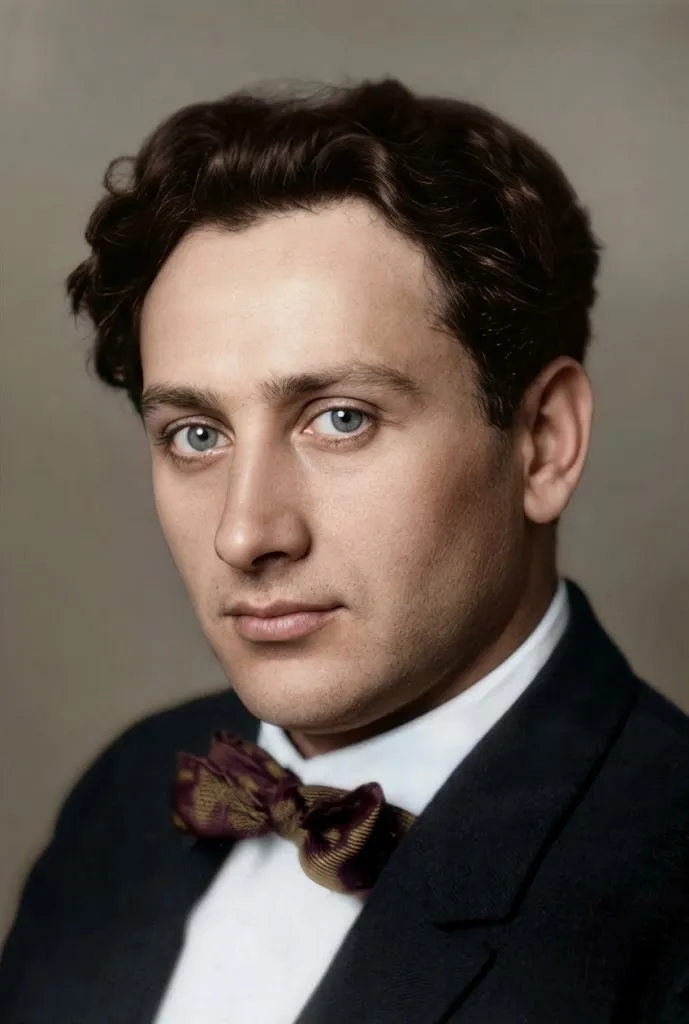
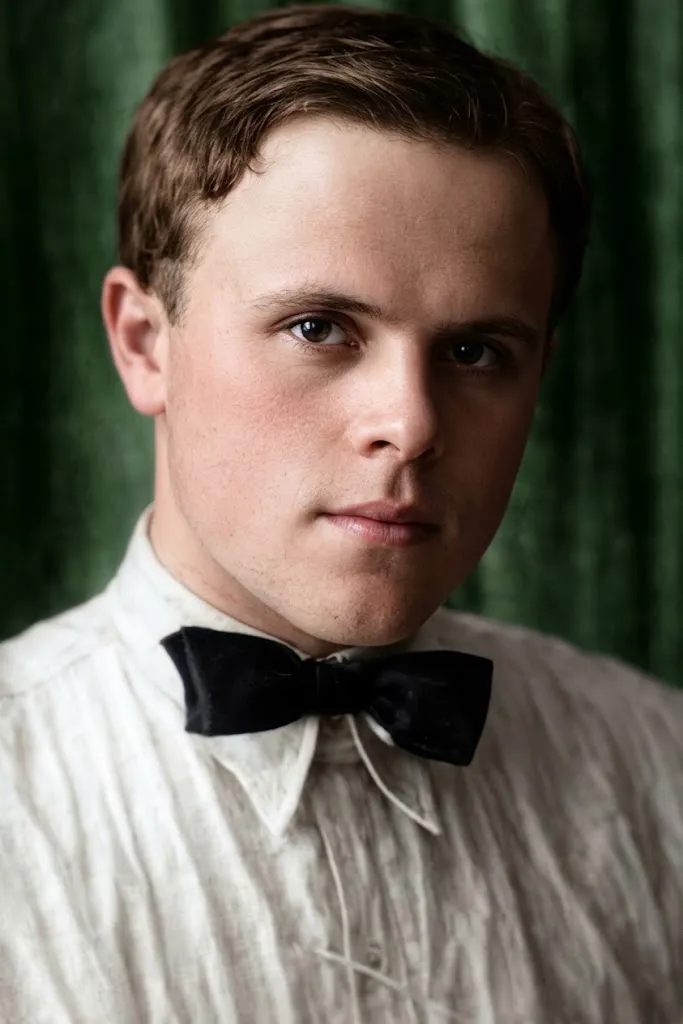
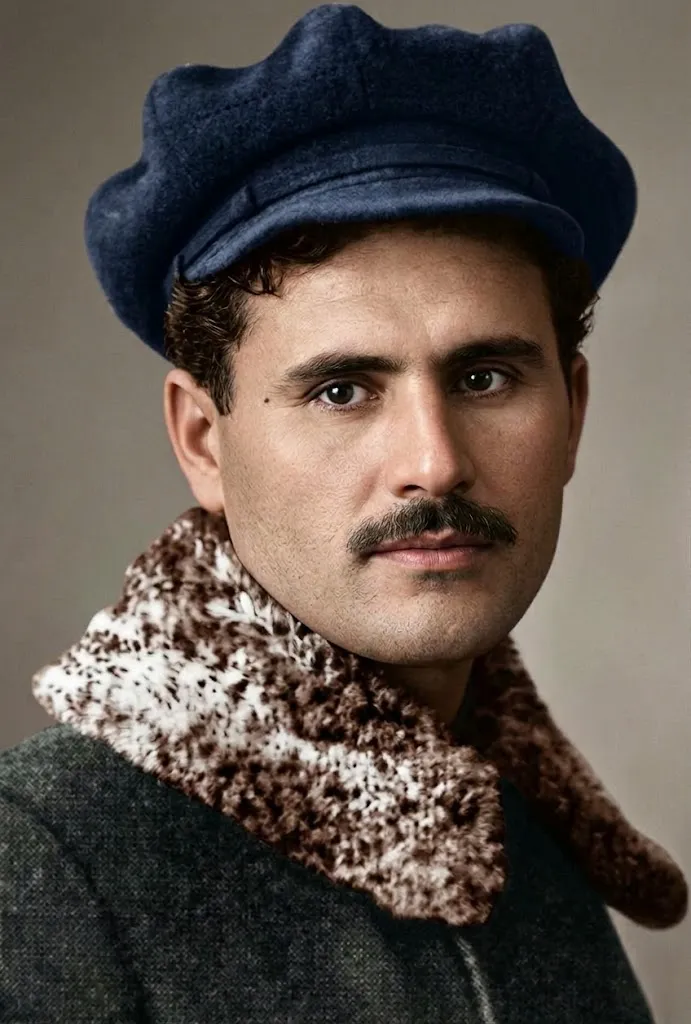
For almost 60 years no one knew where the Solovki prisoners taken away in the autumn of 1937 had gone. They were shot in Sandarmokh, a forest in Karelia: 1,111 people in a few days, about 290 of them Ukrainians, among them Les Kurbas, Mykola Kulish and Mykola Zerov.
Timeline
- 5 August 1937 The NKVD’s mass operation under Order No. 00447, with “limits” on executions, begins
- 16 August 1937 Nikolai Yezhov sets a limit for the Solovki prison: 1,200 prisoners to be shot
- 9–14 October 1937 A troika of the Leningrad NKVD sentences 1,116 Solovki prisoners to death
- 27 October – 4 November 1937 1,111 prisoners of the Solovki transport are shot at Sandarmokh
- 3 November 1937 Les Kurbas, Mykola Kulish, Mykola Zerov, Valerian Pidmohylnyi and many other Ukrainians are shot
- 1 July 1997 The first excavations begin: 236 execution pits are found in the forest
- 27 October 1997 The first Days of Remembrance at Sandarmokh, with a delegation from Ukraine
- 2004 A granite Cossack cross, “To the murdered sons of Ukraine”, is put up
What happened to the prisoners secretly taken off the Solovetsky Islands in the autumn of 1937? For almost sixty years nobody knew, and some believed they had been drowned in the White Sea. The truth was found in 1997 in Sandarmokh, a forest in Karelia 19 kilometres from the town of Medvezhyegorsk. Here, between 27 October and 4 November 1937, the Soviet secret police (NKVD) shot 1,111 prisoners of the Solovki prison. Sources give between 287 and about 300 of them as Ukrainians or people whose lives were tied to Ukraine.
Why it happened
In the summer of 1937 the Great Terror began across the USSR. On 5 August a mass operation started under NKVD Order No. 00447: every region was given “limits”, quotas for how many people to shoot and how many to send to the camps. That same August Moscow decided to “unload” the camps, and on 16 August the NKVD chief Nikolai Yezhov set a limit for the Solovki prison: 1,200 prisoners to be shot.
In 1933–1935 Ukrainian writers, scholars, theatre directors and former leaders of the Ukrainian People’s Republic had been arrested in invented cases about “nationalist” and “terrorist” organizations and sentenced to years in prison. On Solovki they were kept on a separate register as the “Ukrainian nationalist counter-revolution”. In 1937 new cases were drawn up against them, often from informers’ reports alone, and on 9–14 October a “troika”, an extrajudicial board of the Leningrad NKVD, sentenced 1,116 Solovki prisoners to death.
What happened
At the end of October the prisoners were secretly shipped to the mainland, then taken by train to Medvezhya Gora, today’s Medvezhyegorsk. They were driven into the forest in groups and shot there; most of the sentences were carried out by an NKVD captain, Mikhail Matveyev. One of the condemned had died in hospital, and four were shot later elsewhere.
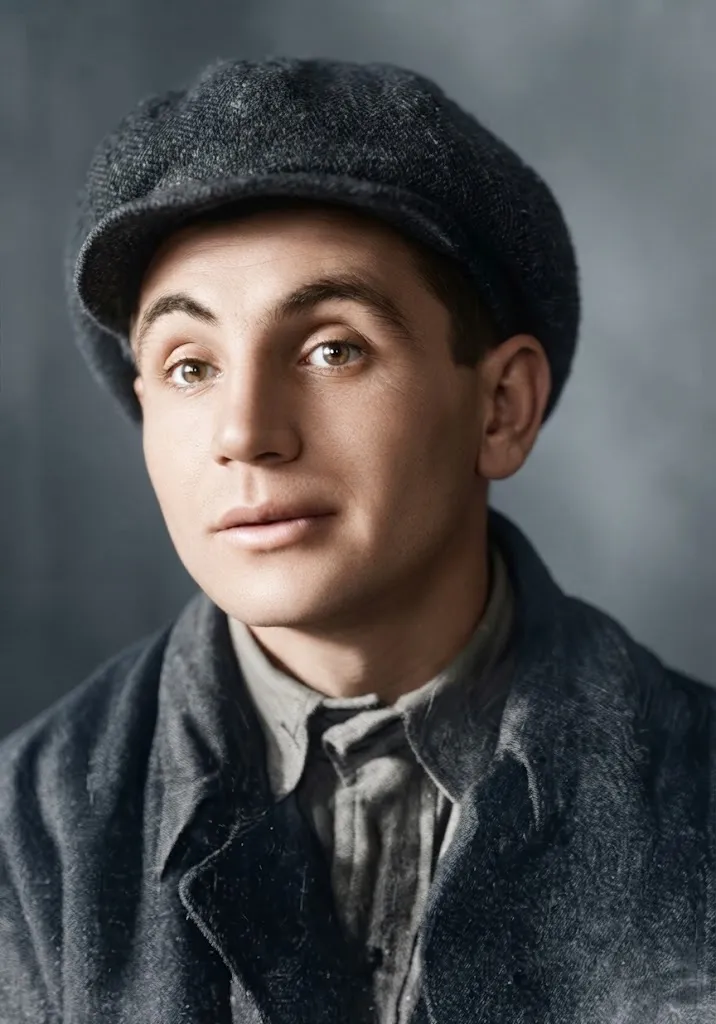
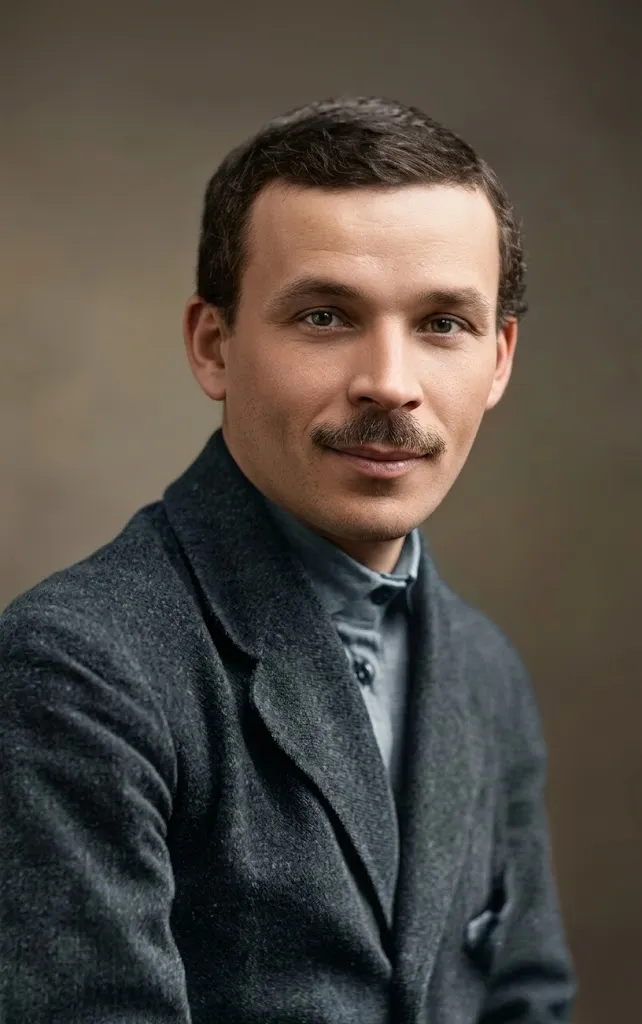
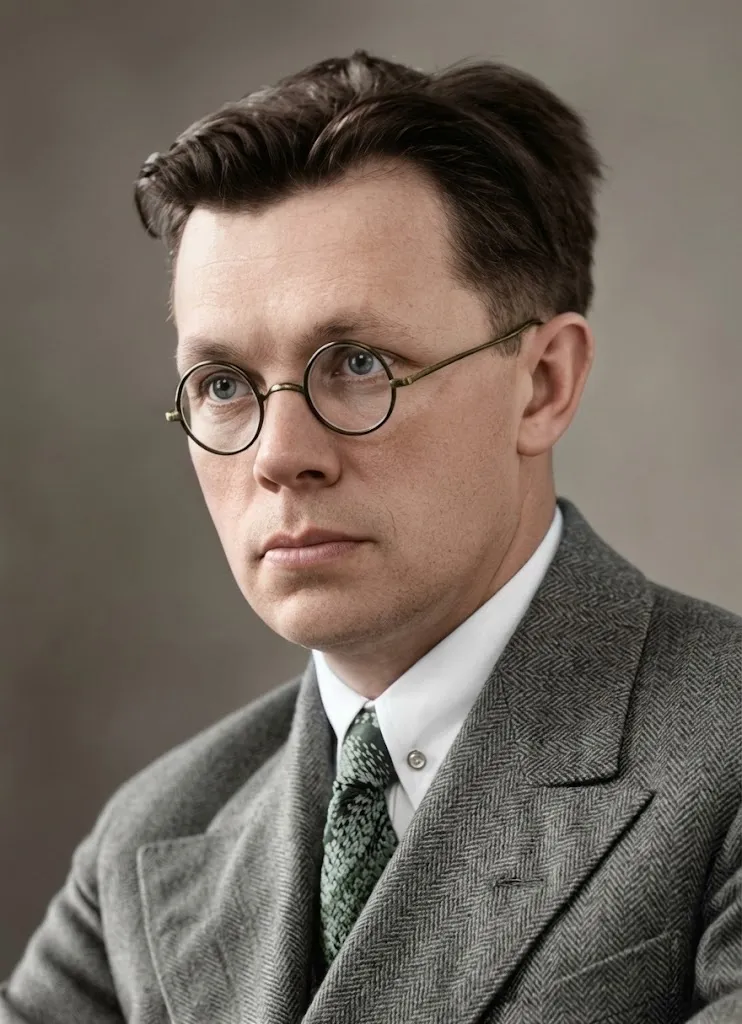
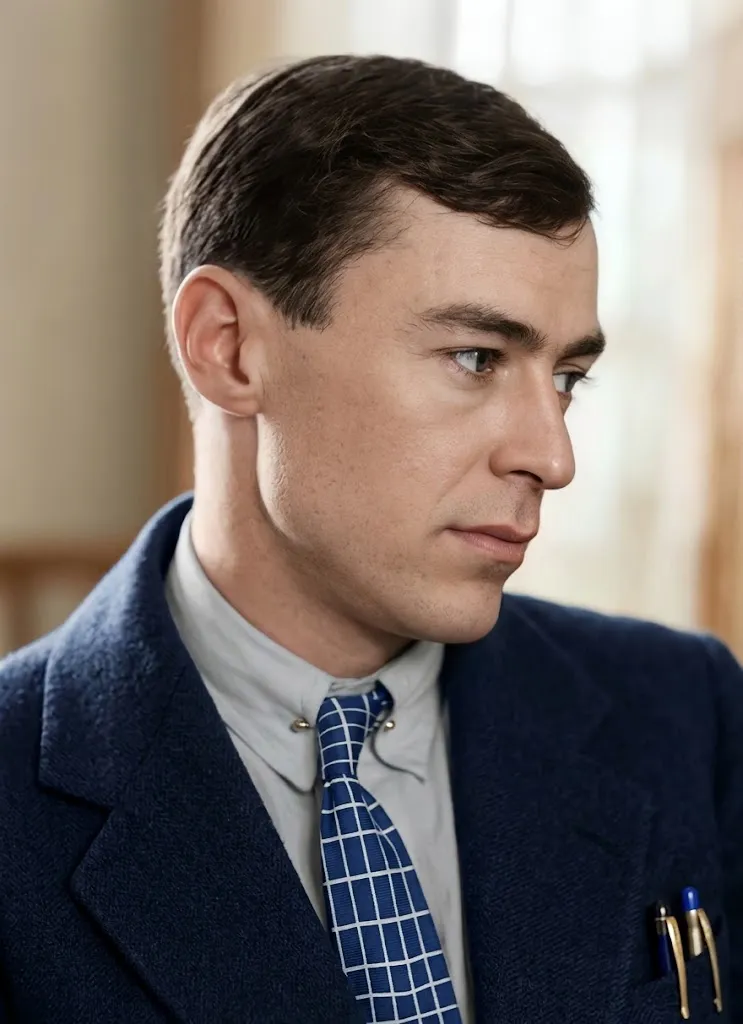
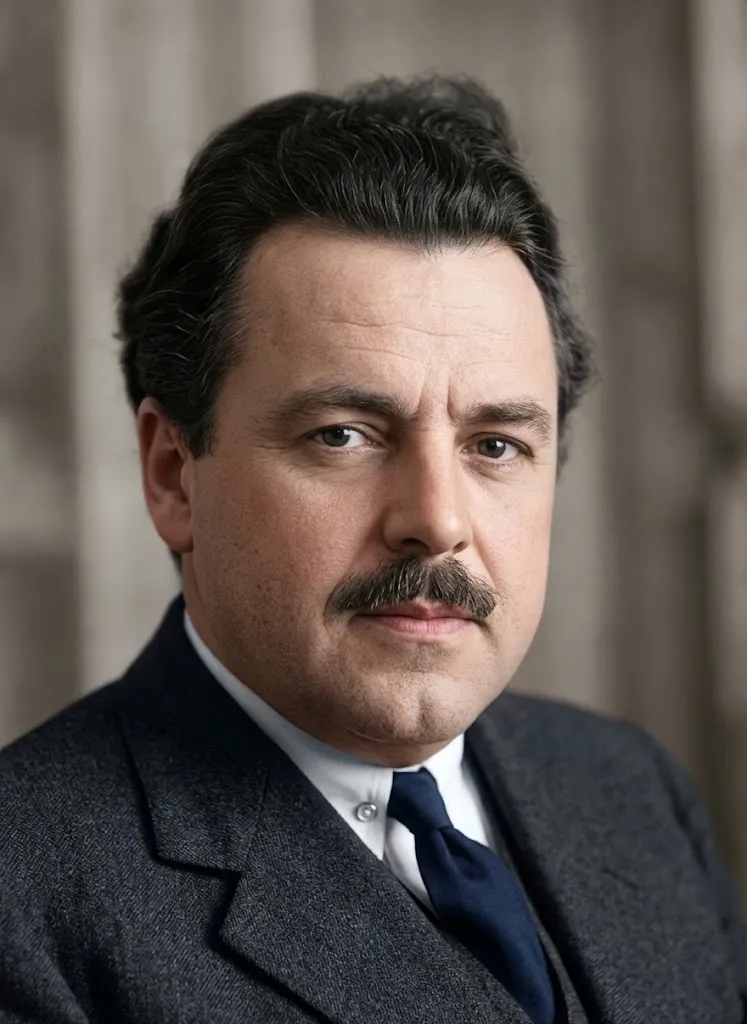
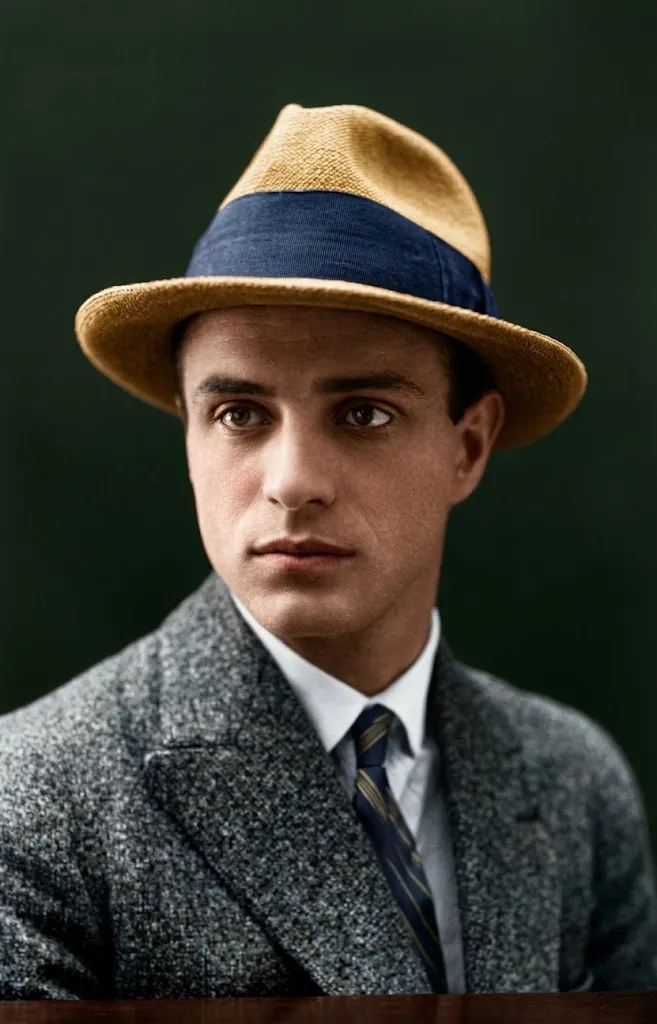
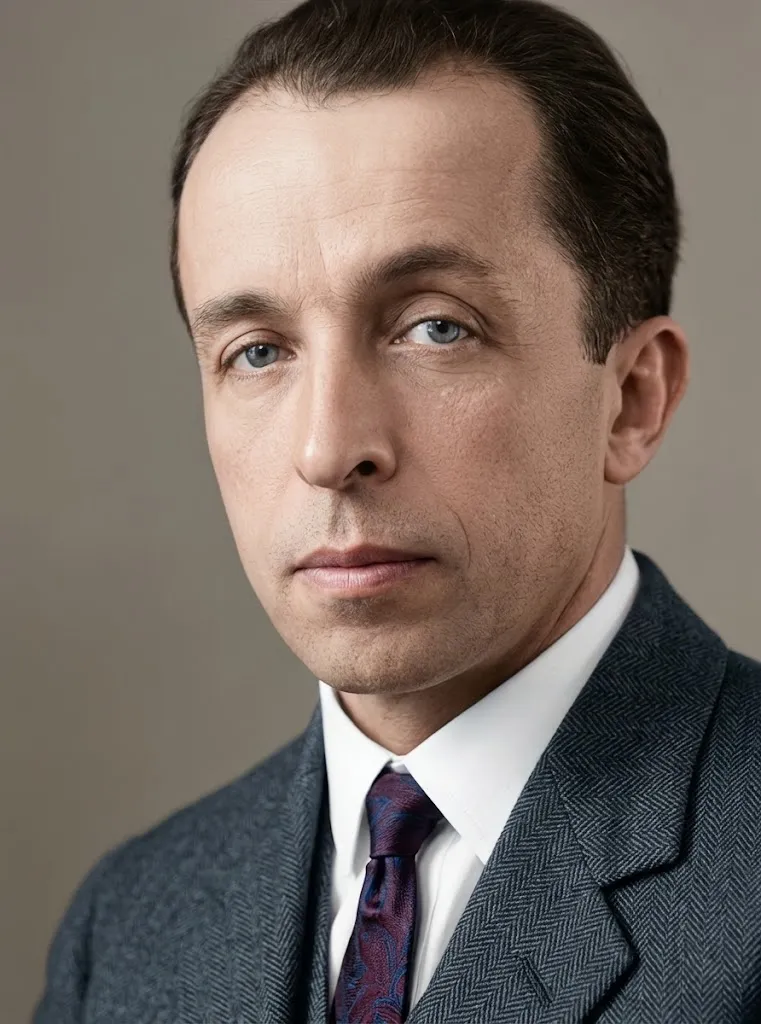
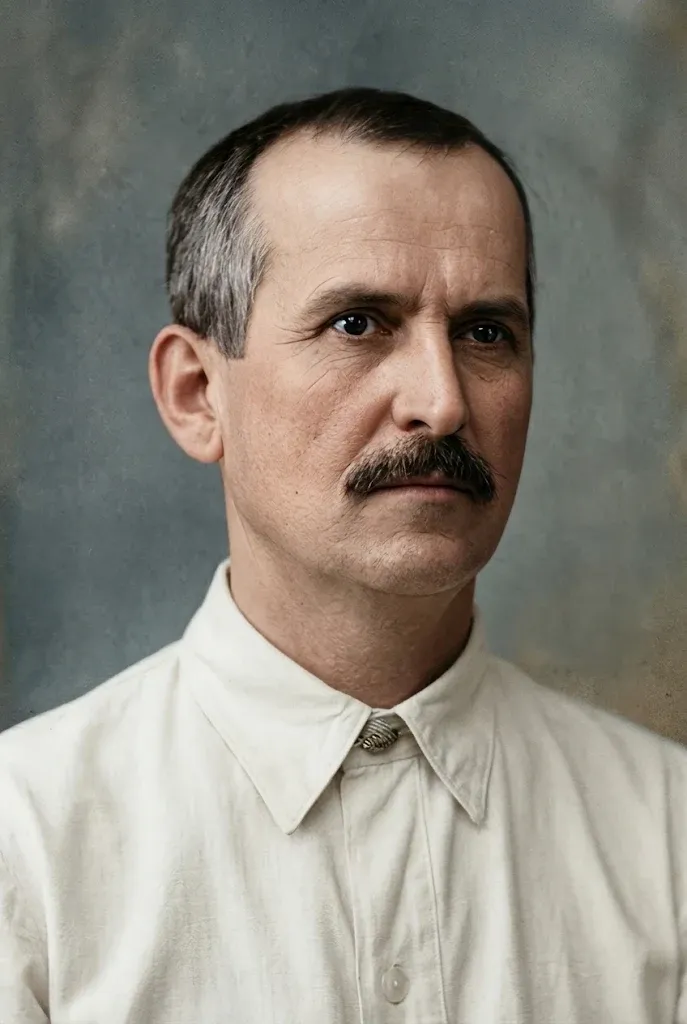
On 3 November 1937 the theatre director Les Kurbas, the playwright Mykola Kulish, the poet Mykola Zerov, the novelist Valerian Pidmohylnyi, the poets Pavlo Fylypovych, Valerian Polishchuk and Marko Voronyi, the writers Hryhorii Epik, Oleksa Slisarenko and Myroslav Irchan and the geographer Stepan Rudnytskyi were shot here. The historians Matvii Yavorskyi and Serhii Hrushevskyi, the former head of the Ukrainian People’s Republic’s government Volodymyr Chekhivskyi and the former minister Antin Krushelnytskyi also died here.
How the forest gave up its secret
In the mid-1990s researchers from Memorial led by Veniamin Iofe found the execution lists of the Solovki transport in the archives. On 1 July 1997 an expedition led by the Karelian historian Yuri Dmitriev began digging at Sandarmokh and found 236 execution pits. In all, sources put the number shot here in 1937–1938 at between 6,000 and almost 10,000 people of dozens of nationalities.
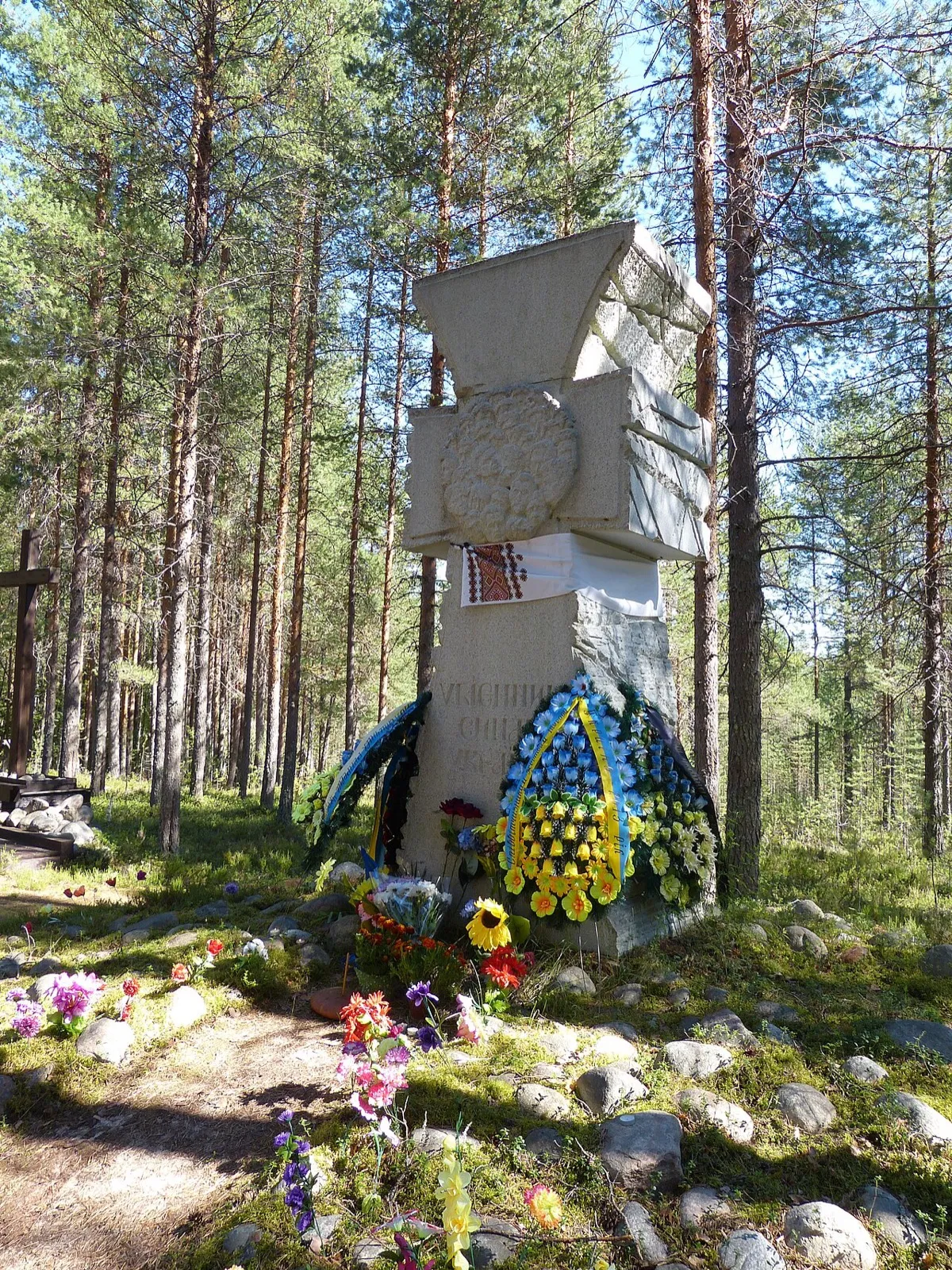
On 27 October 1997 the first Days of Remembrance were held here, and a delegation from Ukraine put up a wooden cross. In 2004 a granite Cossack cross, “To the murdered sons of Ukraine”, paid for by Ukrainians around the world, joined it. International Days of Remembrance were later held here every 5 August, the anniversary of the start of the Great Terror, but after 2014 Ukrainian delegations could no longer come. In 2018 a russian military history society began digging at the site, looking for proof of a theory that the forest holds Soviet prisoners of war shot by the Finns; critics called it an attempt to cast a shadow over Sandarmokh as a place of memory of the Great Terror. Dmitriev was jailed in russia; he says the case against him was brought to discredit his research. In Ukraine, 27 October is the day to remember the victims of Sandarmokh.
Why it matters today
The people of Sandarmokh were killed not for anything they did, but for who they were: for the Ukrainian word, theatre and scholarship, and for the memory of their own state. In a few days Ukraine lost many of the artists and scholars who had shaped its culture in the 1920s, which is why that generation is called the Executed Renaissance. That russia is still trying to rewrite the story of this forest shows that memory, too, has to be defended. Anyone who reads Zerov, Pidmohylnyi or Kulish gives back to them what the regime tried to take away.