c. 1025–c. 1075
Anna of Kyiv
Kyivan princess, Queen of France
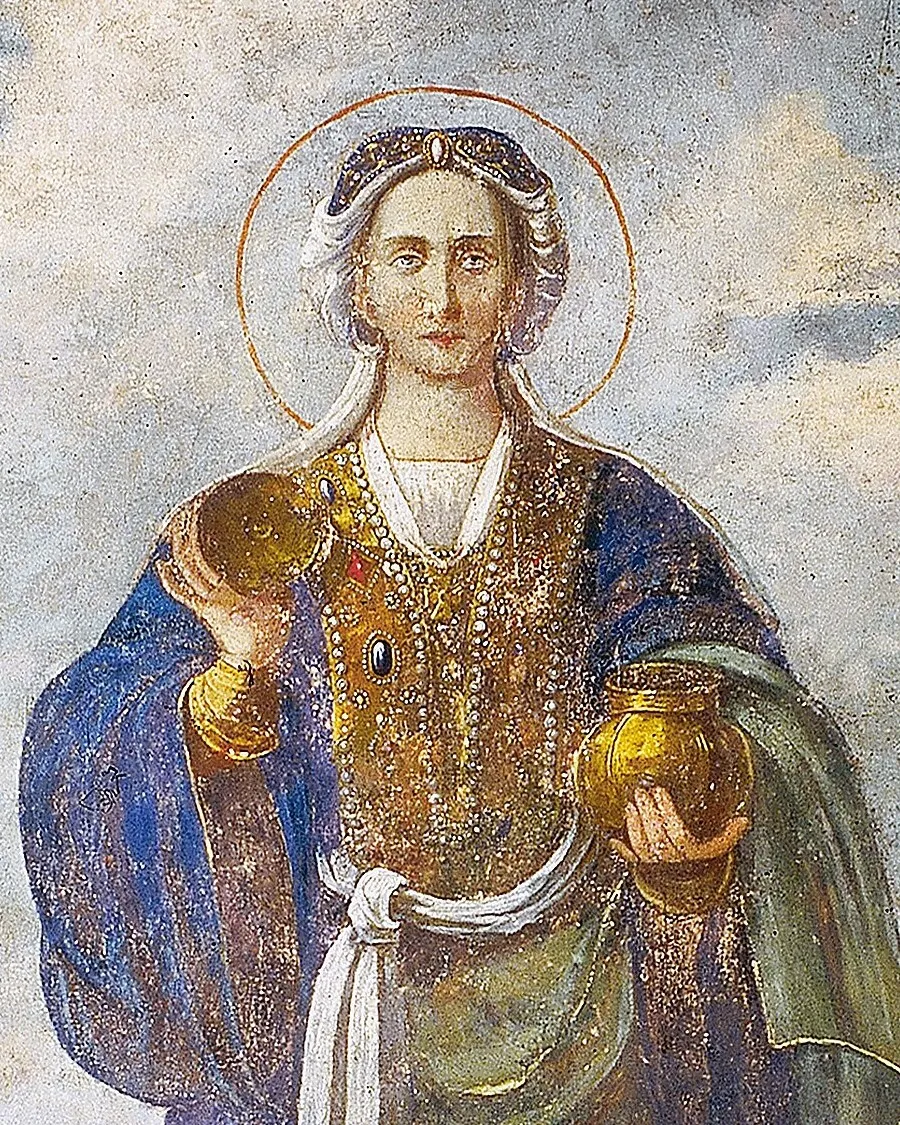
A French king went all the way to Kyiv for a bride. In 1051 Anna, daughter of Yaroslav the Wise, became Queen of France, sat on the royal council and raised a future king, Philip I. Today she is a symbol of the old ties between Rus’ and Europe.
Key accomplishments
- Queen of France from 1051, wife of King Henry I
- Mother of King Philip I of France
- Took part in meetings of the royal council; 28 documents issued in her name or with her participation are known
- Founded (or restored) the Monastery of Saint Vincent in Senlis (between 1065 and 1069)
Why would a French king look for a bride in Kyiv?
King Henry I of France had lost his wife and still had no heir. So he sent an embassy all the way to Rus’, to Grand Prince Yaroslav the Wise of Kyiv, and the envoys arranged his marriage to Yaroslav’s daughter Anna. On 19 May 1051 (the date proposed by the scholar Marcel Prou), in the cathedral of Reims, Anna married Henry and was crowned Queen of France.
Nobody knows exactly when she was born, and she was probably born in Kyiv. The couple had three sons. The eldest, Philip, went on to become King of France himself.
“Ana Ryina”: a queen on the council
That is how Anna signed her name: a garbled form of the Latin Anna Regina, “Queen Anna”. Twenty-eight documents issued in her name or with her participation are known, and they show that she regularly sat in on the royal council. In 1059 Pope Nicholas II wrote to her, praising her piety and her generosity to the Church.
After Henry died in 1060, Anna became the de facto, but not official, wife of Count Raoul of Valois, one of the most powerful lords of northern France. Historians suggest the union protected the queen and her young sons. Between 1065 and 1069 Anna founded (or restored) the Monastery of Saint Vincent in Senlis. She died between 1075 and 1079.
Why two countries remember her
Anna’s story shows that Kyivan Rus’ was part of the political life of medieval Europe. That is why she stands today as a symbol of Ukraine’s old ties with Europe. Several monuments to her stand in France and Ukraine; the first went up in Senlis in 2005. The popular story linking Anna to the Reims Gospel, though, is a myth, historians say.