Nestor the Chronicler
Chronicler of Kyivan Rus’
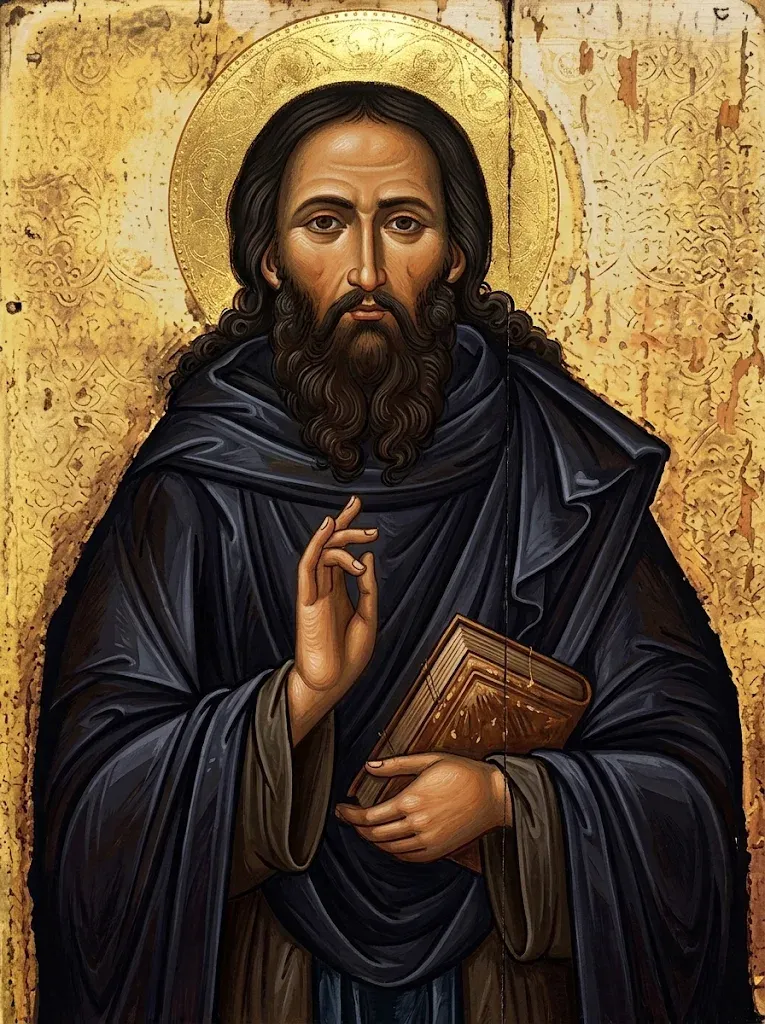
“Where did the land of Rus’ come from?” The Tale of Bygone Years opens with that question, and it is the chronicle that tells us about Kyi, Princess Olha and the Christianization of Rus’. Tradition attributes it to Nestor, a monk of the Kyiv Cave Monastery.
Key accomplishments
- The Lives of Borys and Hlib and of Theodosius of the Caves, works considered beyond doubt to be his
- Traditionally, the compiler of the Tale of Bygone Years (c. 1113), the chronicle’s first redaction
- The Tale became the basis of most later chronicles, including the Kyiv and the Galician-Volhynian Chronicles
A night in the cave with a hoe
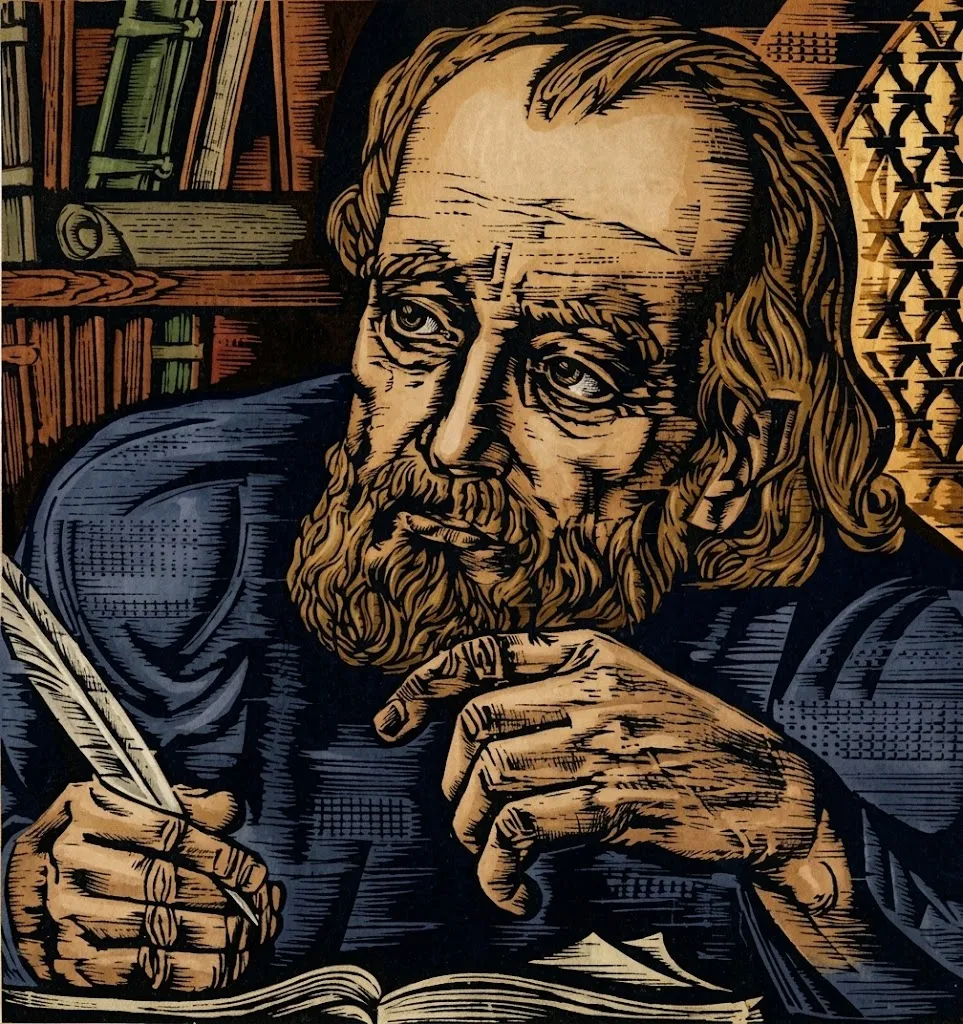
The hegumen of the Cave Monastery in Kyiv secretly asks a monk, in August 1091, to find the remains of Theodosius, one of the monastery’s founders, in a cave. The monk digs with a hoe until midnight with another brother, and while the other rests, he breaks through to the grave on his own. The chronicle tells this story in the first person: “I did not hear it from others, but I alone began it.” Elsewhere the chronicler writes that he came to the monastery at 17 and was taken in by Theodosius himself. The Kyiv Cave Patericon, an old collection of stories about the monks of the Caves, attributes the account to Nestor.
A monk who wrote about saints
Little is known about Nestor himself. He was tonsured as a monk and ordained a deacon by Hegumen Stefan, who led the monastery in 1074–1078. Nestor knew Greek and wrote lives of saints. One tells of Borys and Hlib, sons of Volodymyr the Great, who were killed by their brother Sviatopolk. The other is about Theodosius of the Caves, and it is valued for its lively, free style. That Nestor wrote these two works is considered beyond doubt.
Where the land of Rus’ came from
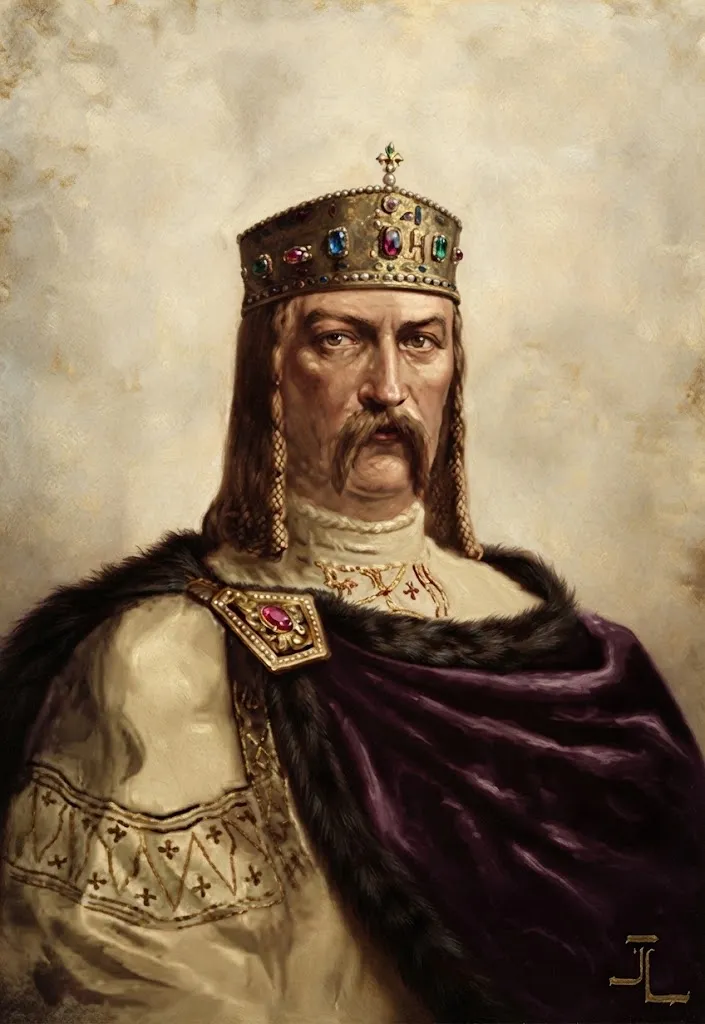
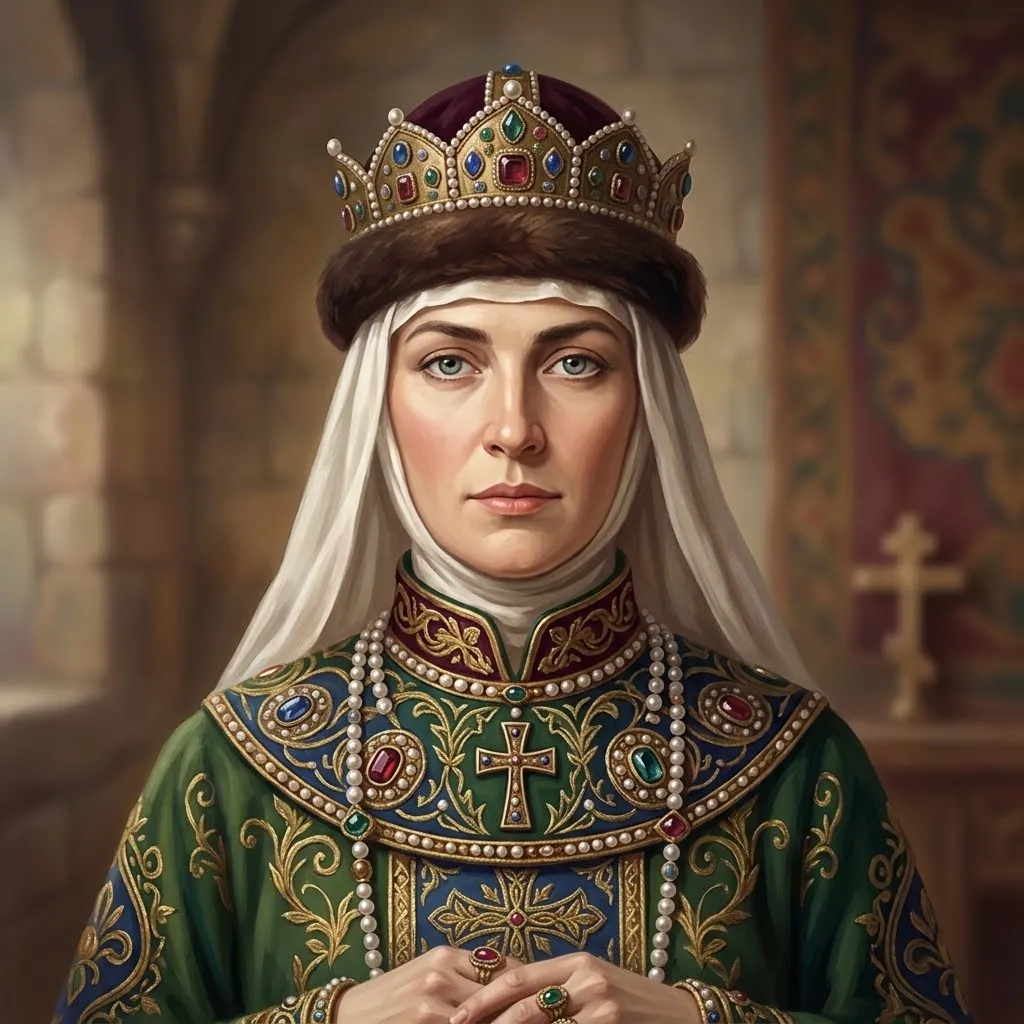
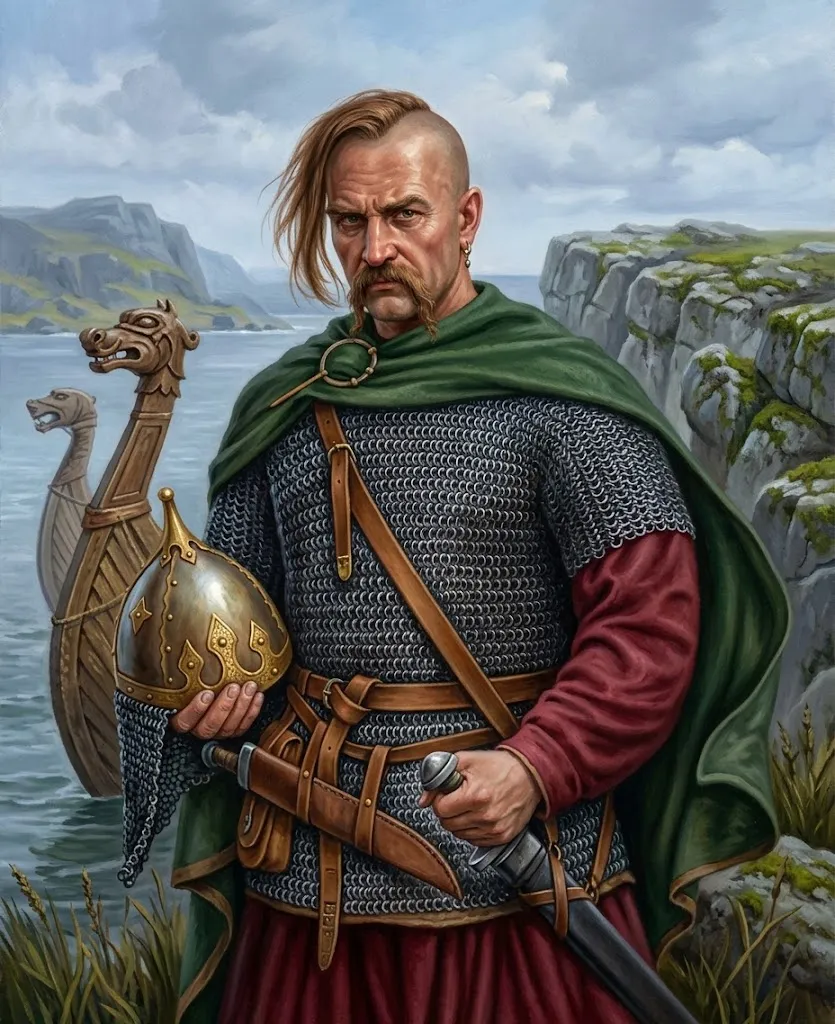
The Tale of Bygone Years begins with the Flood and the spread of the Slavs, and carries the story up to 1110. Its author gathered earlier Kyivan and Novgorodian chronicles, Byzantine chronicles, Rus’ treaties with the Greeks and folk legends, and heard many stories from the commander Yan Vyshatych, who died in 1106 at the age of 90. It is from the Tale that we know of Princess Olha’s revenge on the Derevlianians, of how Sviatoslav warned his neighbours, “I mean to march on you,” and of how Yaroslav the Wise read books “often by day and by night.” The legend of Kozhumiaka comes from it too: a young tanner beat a Pecheneg giant, and Volodymyr founded Pereiaslav at that ford, because there the youth had taken the glory (in Ukrainian, “pereiav slavu”).
The chronicler didn’t write down everything he heard. Some said that Kyi, the founder of Kyiv, had been a ferryman on the Dnipro. The chronicler objects: if Kyi had been a ferryman, he would not have gone to Constantinople.
He was a witness, too. In 1096 the Polovtsians burst into the Cave Monastery “when we were in our cells, resting after matins,” and the monks fled out through the back of the grounds.
Nestor is believed to have finished his redaction around 1113. By 1116, at the request of Volodymyr Monomakh, Hegumen Sylvestr of the Vydubychi Monastery had prepared a new one. The original is lost: the Tale has come down to us in later copies.
Debates and assessments
Whether Nestor really compiled the Tale is still debated. His name appears in the title of one copy of the chronicle, and the Kyiv Cave Patericon mentions Nestor “who wrote the chronicle.” Yet the oldest copies give no compiler’s name, and the Laurentian copy ends with a note by Hegumen Sylvestr saying that he wrote “these books, the chronicle.” Differences in style and in facts between Nestor’s Lives and the chronicle lead some scholars to doubt his authorship. Most scholars, however, consider Nestor the compiler of the Tale’s first redaction.
Why it matters today
Whoever held the pen, the monks of Kyiv wrote down a history of Rus’ that most later chronicles then began with. Without the Tale of Bygone Years we would know far less about the first princes, about Kyiv and about how Rus’ became Christian. The chronicler did more than copy: he compared sources and argued with rumours. That habit, to check rather than take things on trust, is still needed today by anyone who reads the news. Little wonder his feast day became the Day of Ukrainian Writing and Language.