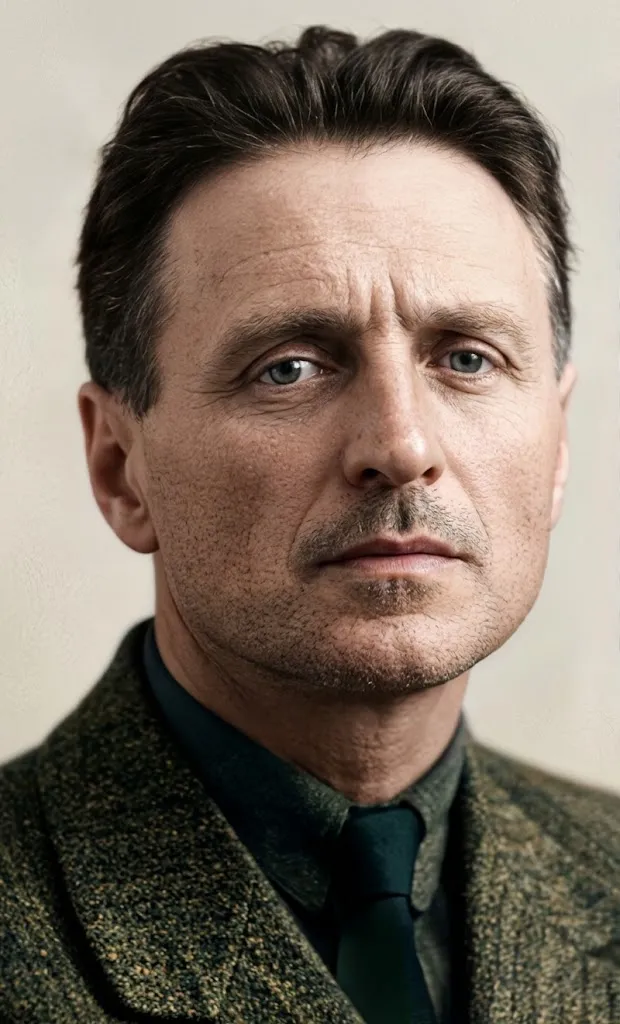
Ivan Trush
Painter of landscapes and portraits
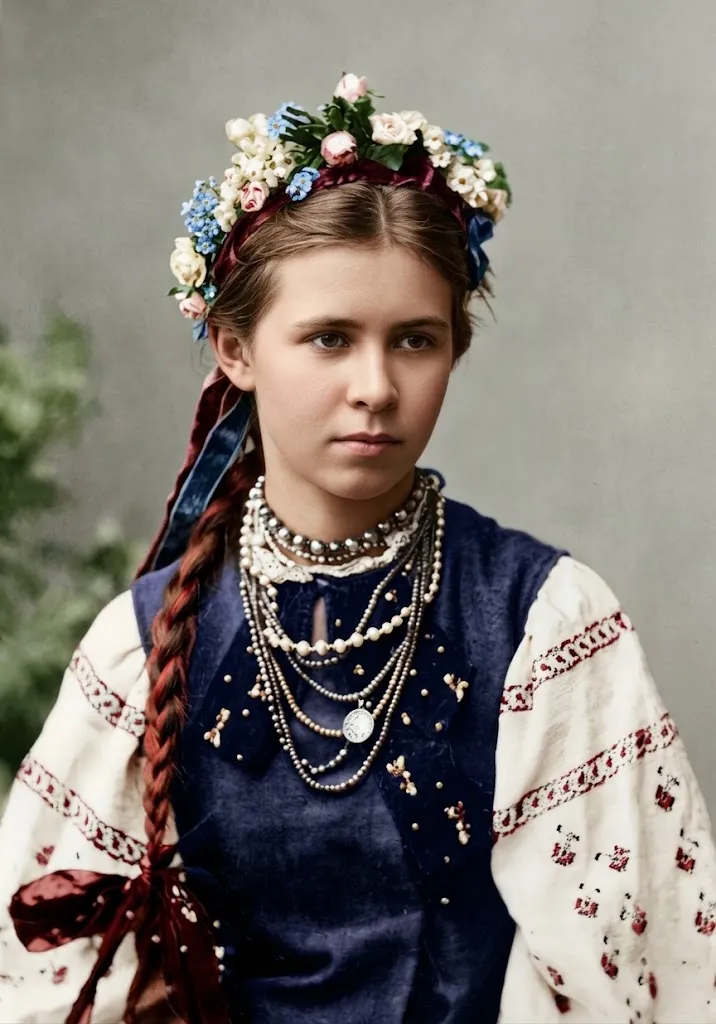
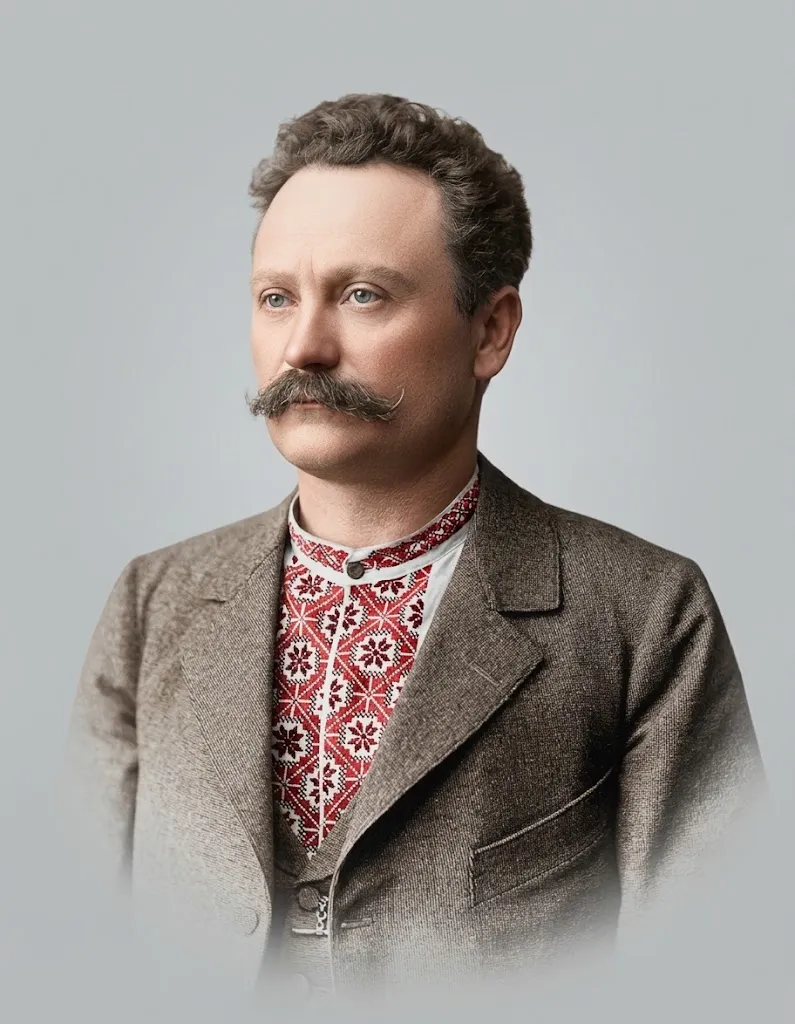
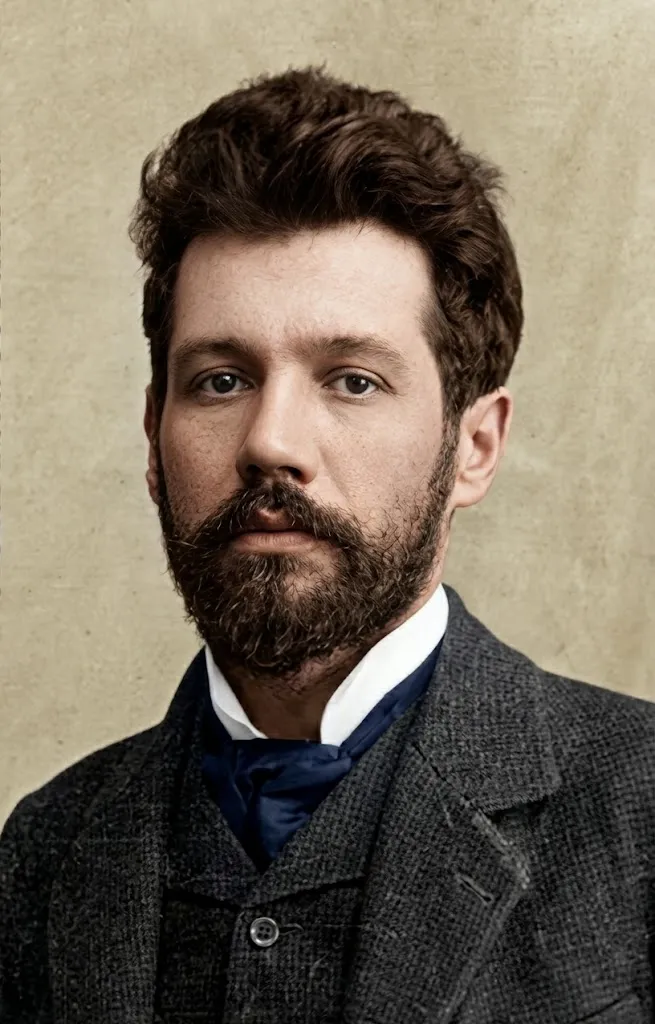
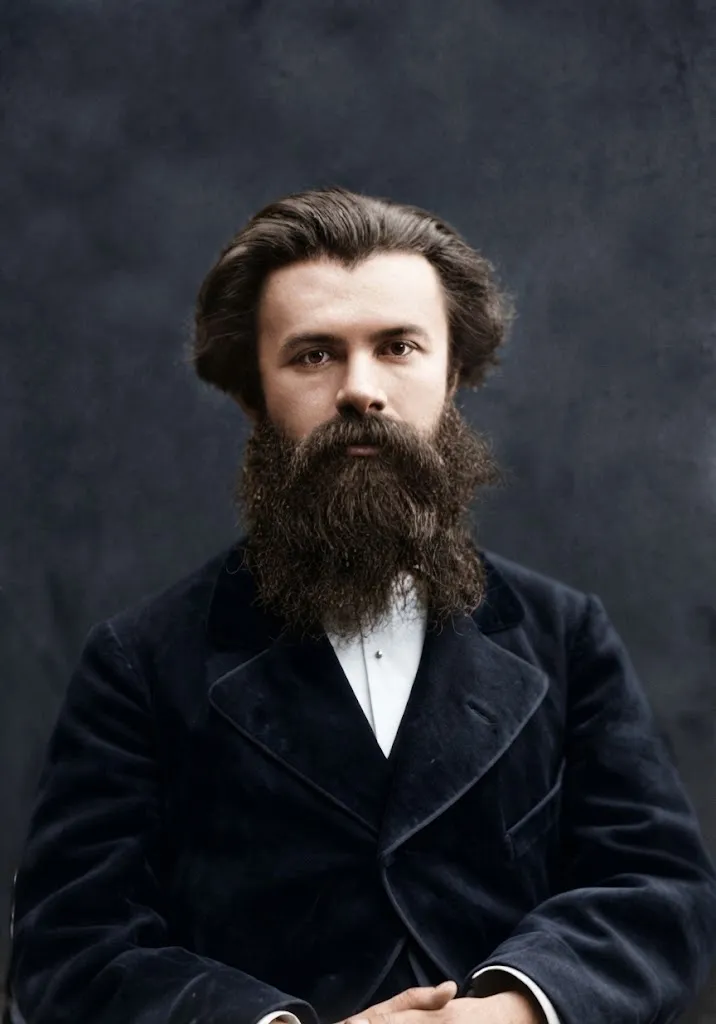
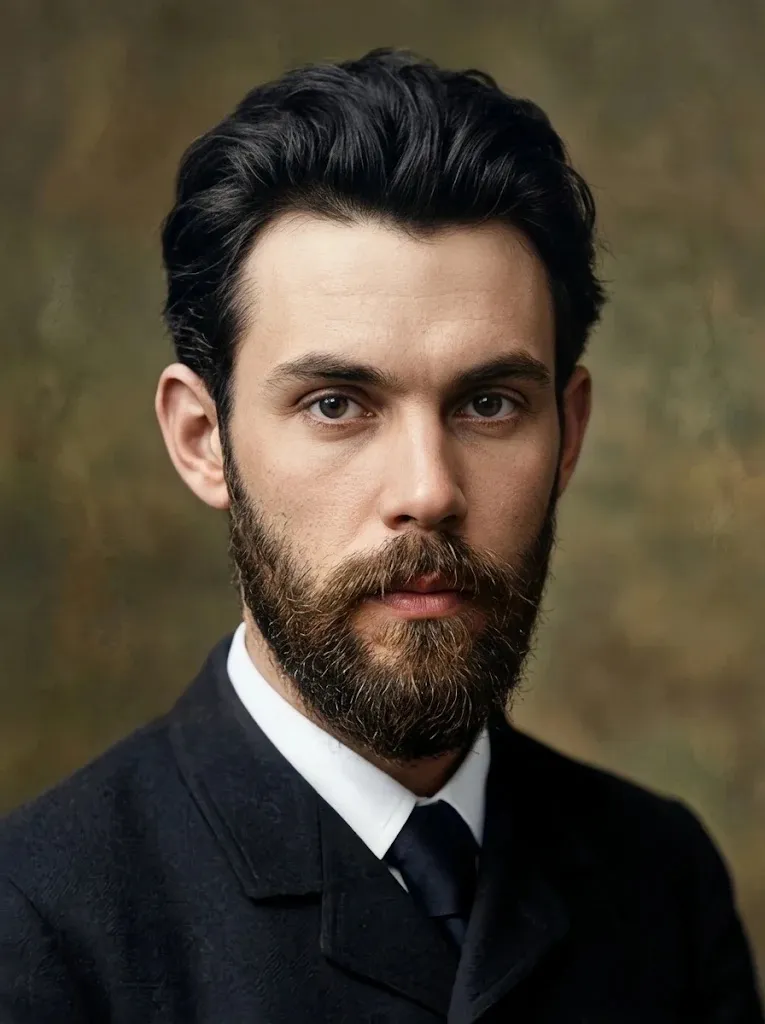
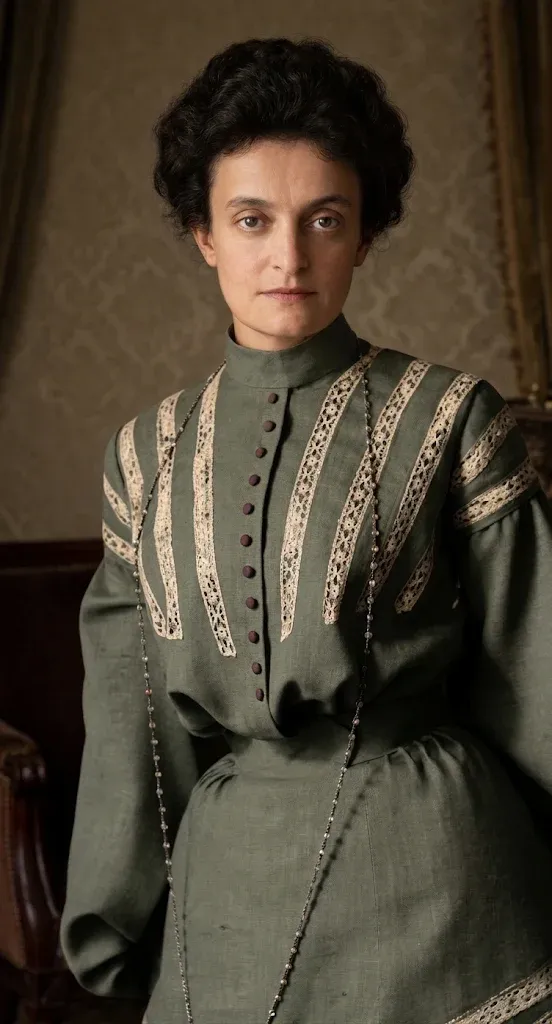
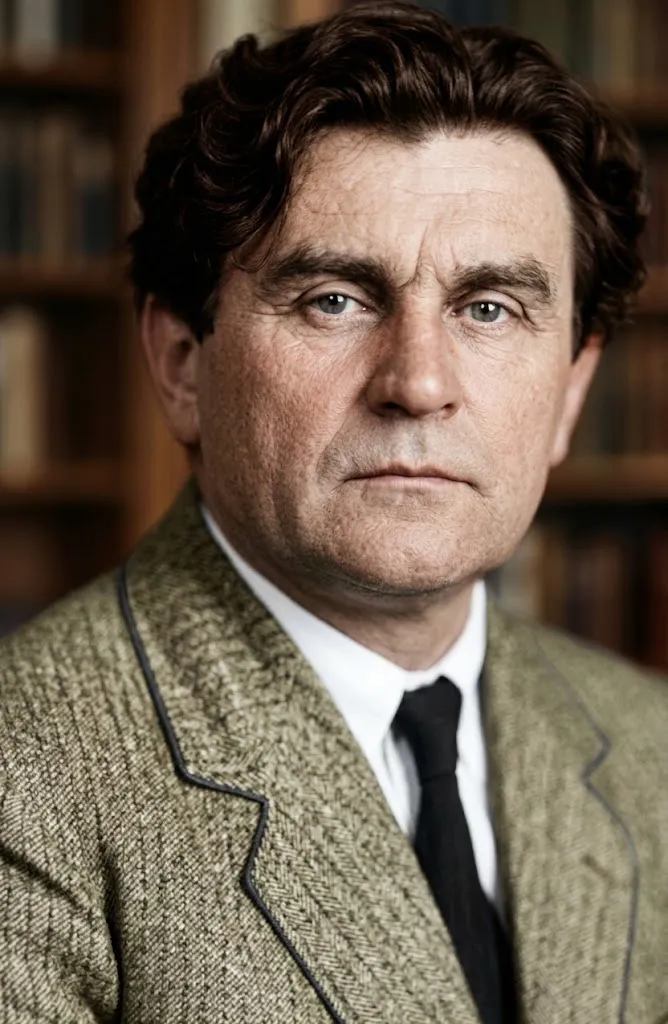
Lesia Ukrainka broke off their friendship over a portrait he painted of her. Ivan Trush, a peasant's son from near Brody and Mykhailo Drahomanov's son-in-law, painted Franko, Lesia and Stefanyk, left about 6,000 works and, with Stanyslav Liudkevych, published the first Ukrainian art magazine.
Key accomplishments
- About 6,000 works, mostly landscapes, and about 350 portraits
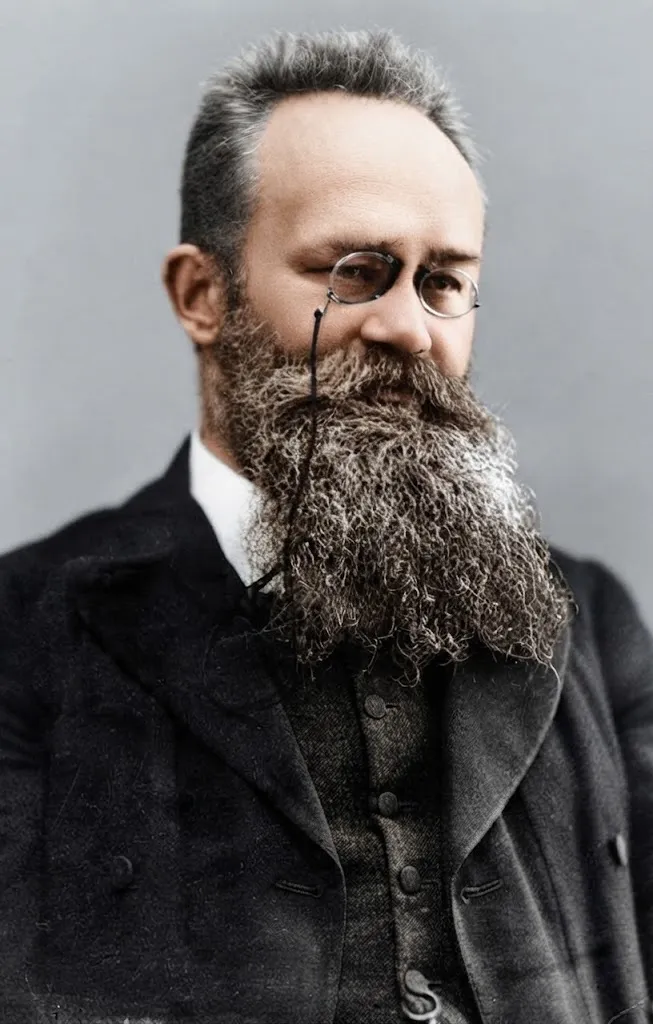
- Portraits of Lesia Ukrainka (1900), Ivan Franko (1897, 1940), Vasyl Stefanyk, Mykola Lysenko (1900), Mykhailo Hrushevskyi (1900) and Metropolitan Andrei Sheptytskyi (1917)
- Landscapes and cycles: Solitary Pine, the Pine triptych, Venice. San Giorgio Maggiore (1908), Trembita Players (1930s)
- One of the organizers of the Society for the Advancement of Ruthenian Art (1898) and co-founder of the Society of Friends of Ukrainian Literature, Science and Art (1904)
- Published Artystychnyi vistnyk (1905–1907), the first Ukrainian art magazine, with Stanyslav Liudkevych
The portrait that ended a friendship
Did you know that Lesia Ukrainka broke off a friendship with a painter because of one portrait? The Shevchenko Scientific Society in Lviv was putting together a gallery of portraits of eminent Ukrainians, and Ivan Franko suggested giving the job to his friend Ivan Trush. In 1900 Trush came to Kyiv, and Lesia Ukrainka sat for him in two-hour sessions at the city museum. He painted two almost identical portraits and sold one of them to a Polish count, Leon Piniński. Lesia did not want her likeness to end up in a private collection and was furious. Both portraits now hang in museums in Kyiv and Lviv, and no one knows for sure which is the replica.
A peasant’s son from near Brody
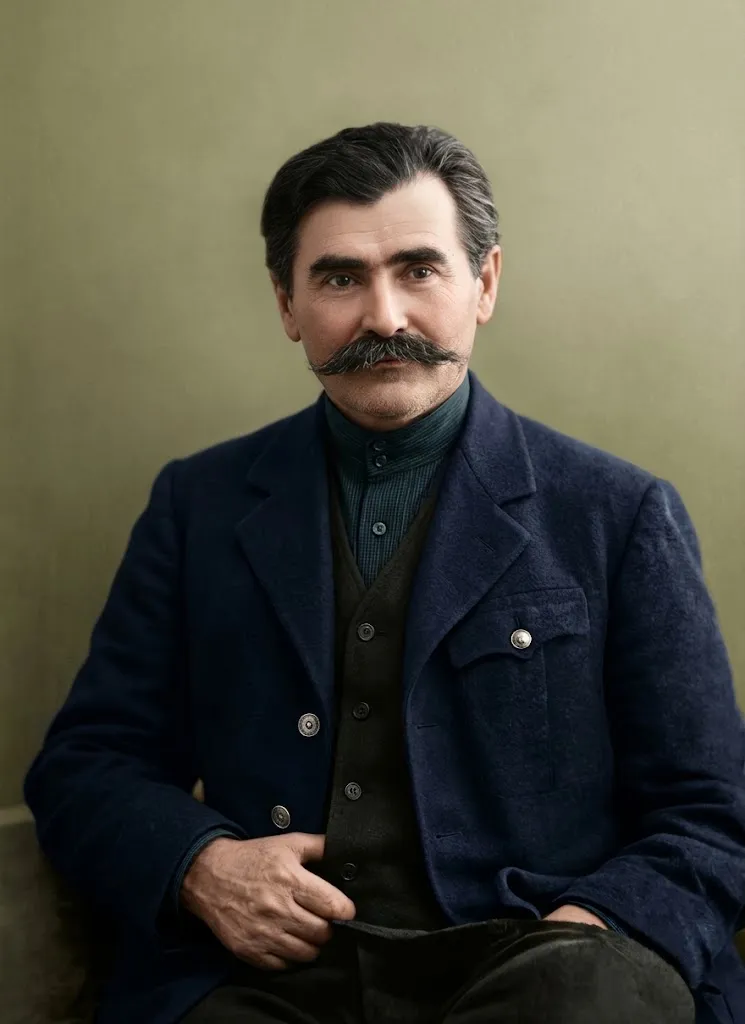
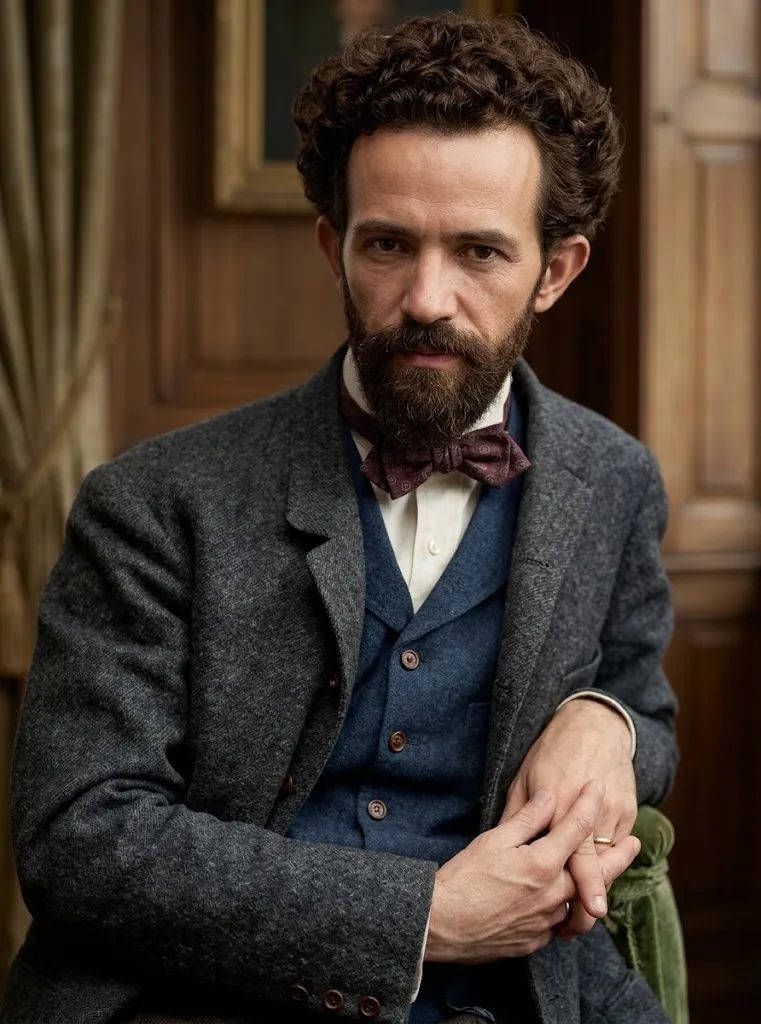
Trush was born on 18 January 1869 in the village of Vysotsko near Brody, into a peasant family. From 1891 to 1897 he studied at the Kraków School of Fine Arts under Leon Wyczółkowski and Jan Stanisławski. There he was drawn to impressionism and became friends with Vasyl Stefanyk, whom he painted at the time. Stefanyk thought Trush one of the most talented people he knew.
Franko, the Drahomanovs and Lviv
Trush settled in Lviv in 1898, helped organize the first association of Galician artists and grew close to Franko. The next year he held his first solo exhibition in Lviv, and Franko wrote warmly about it. Trush painted the writer about ten times, the last in 1940. In 1900, at the Drahomanov estate near Hadiach, he met Ariadna, daughter of Mykhailo Drahomanov and Lesia’s cousin. They married in 1904.
The first art magazine
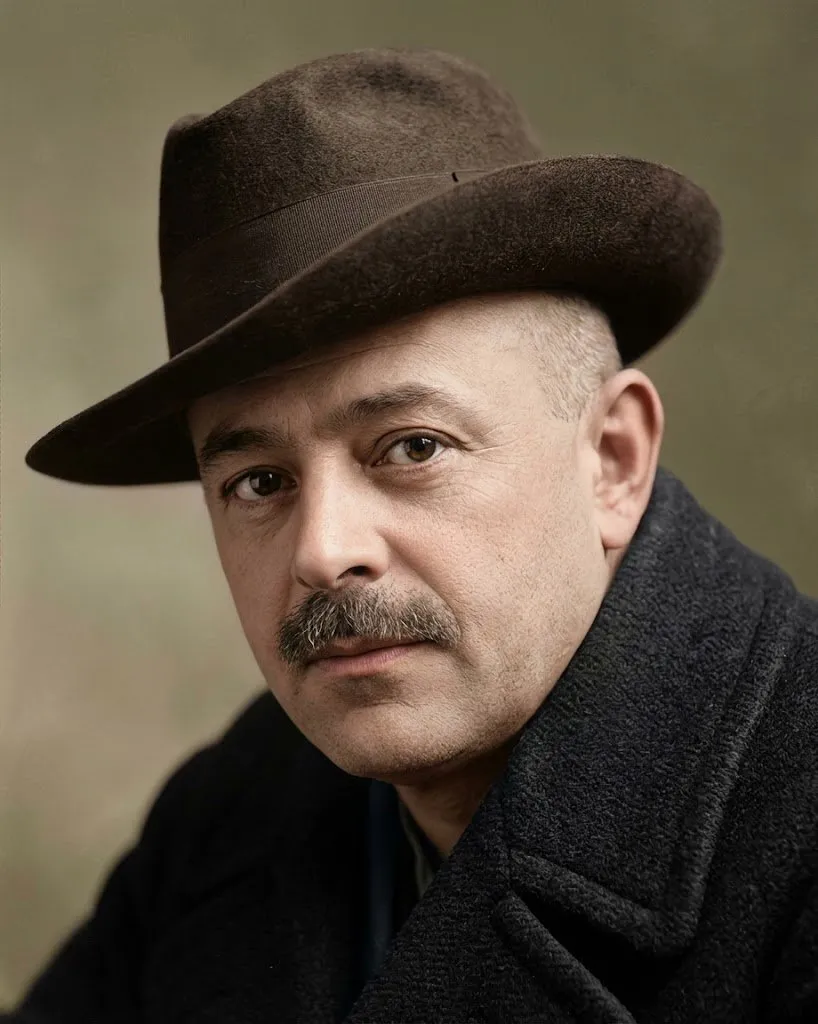
Trush, together with Mykhailo Hrushevskyi and Franko, founded the Society of Friends of Ukrainian Literature, Science and Art in 1904. In January 1905 it opened the first all-Ukrainian art exhibition in Lviv, which drew more than 3,000 visitors. That same year Trush and the composer Stanyslav Liudkevych began publishing Artystychnyi vistnyk, the first Ukrainian art magazine.
Sun, pines and silence
Trush travelled through the Hutsul region, Crimea and Italy, and in 1912 to Egypt and Palestine. He left about 6,000 works, mostly landscapes, and about 350 portraits. He kept working on his Pine triptych until the end of his life. In his last ten years he could hardly hear anything. He died in Lviv on 21 March 1941, and the day before he was still working on a Crimean landscape.
Why it matters today
Ivan Trush, the son of Galician peasants, proved that a Ukrainian painter could train in Europe and work at the level of European art. Thanks to his brush we see Lesia Ukrainka, Franko and Stefanyk as they looked in life. The magazine, the exhibition and the societies he built with his friends gave Ukrainian artists in Galicia a home of their own. Anyone who builds a community around their work carries on what Trush did.