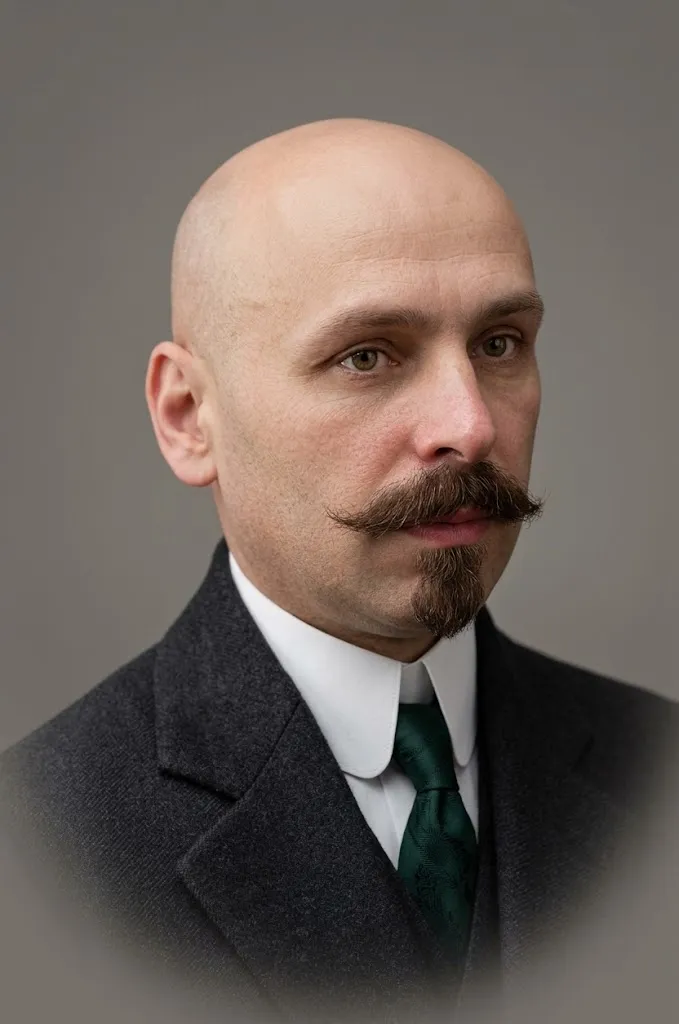
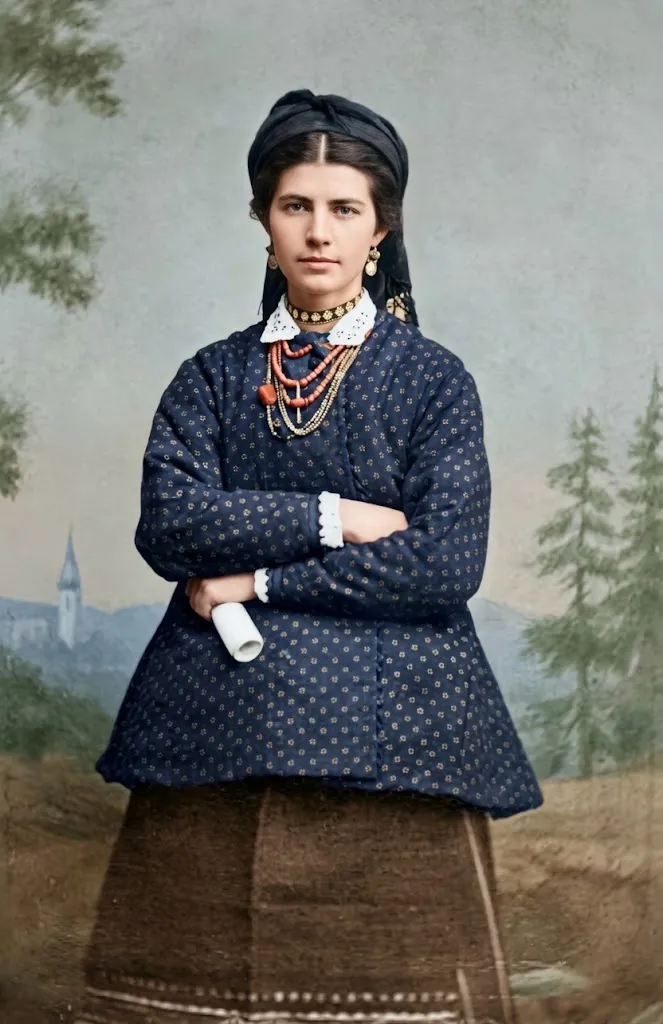
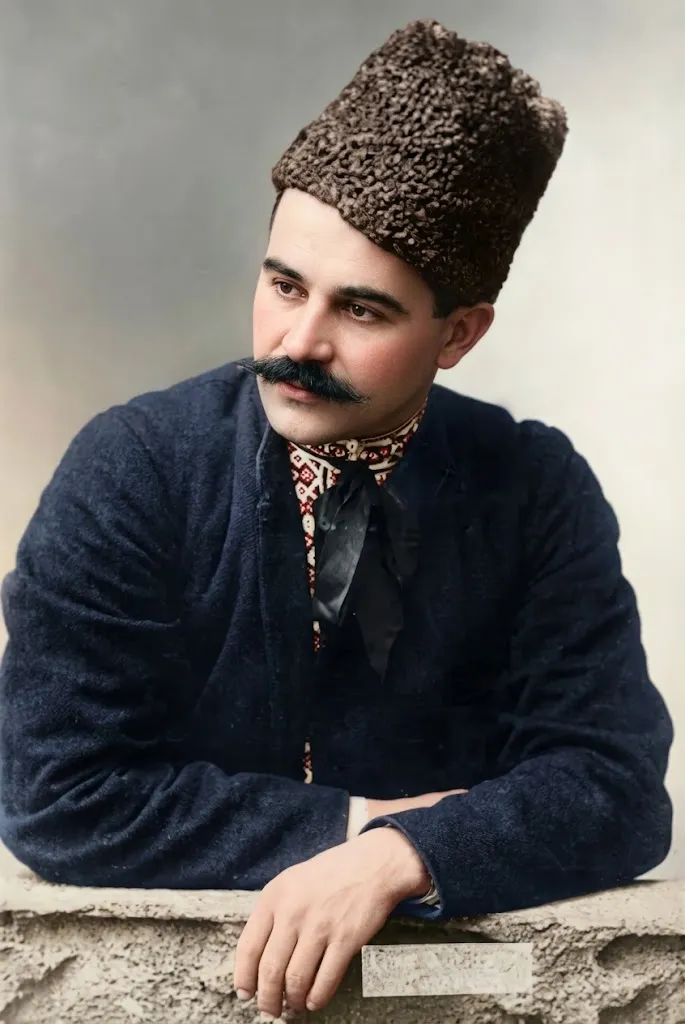
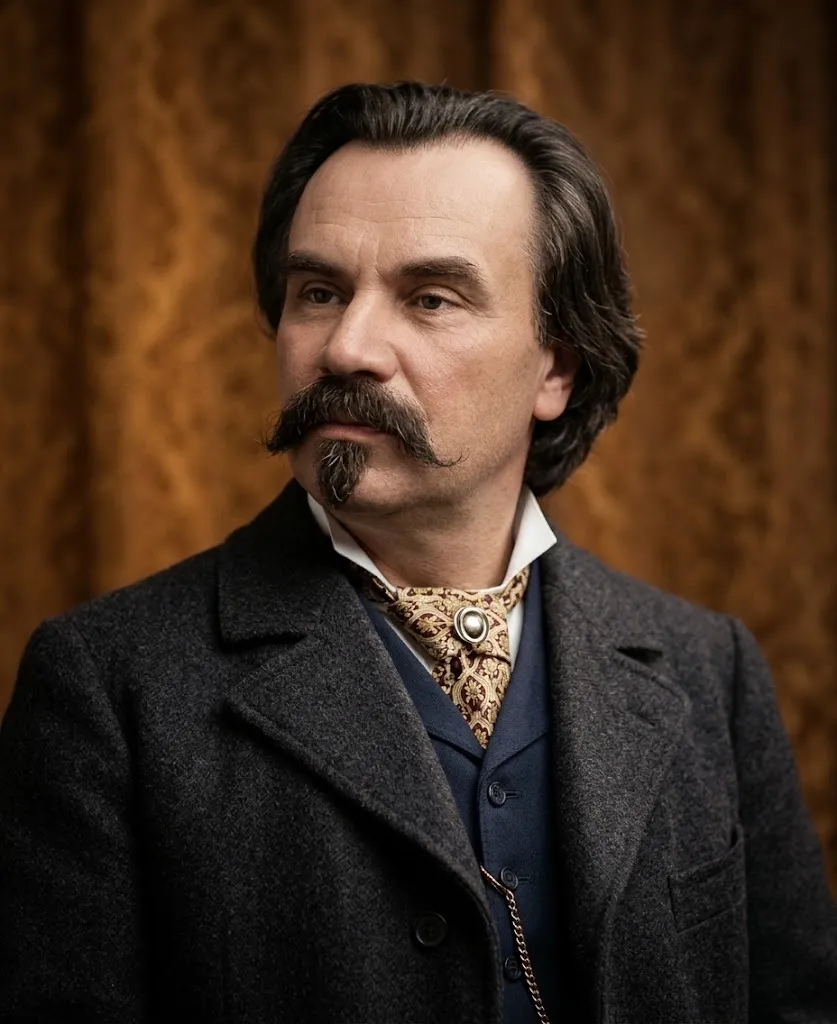
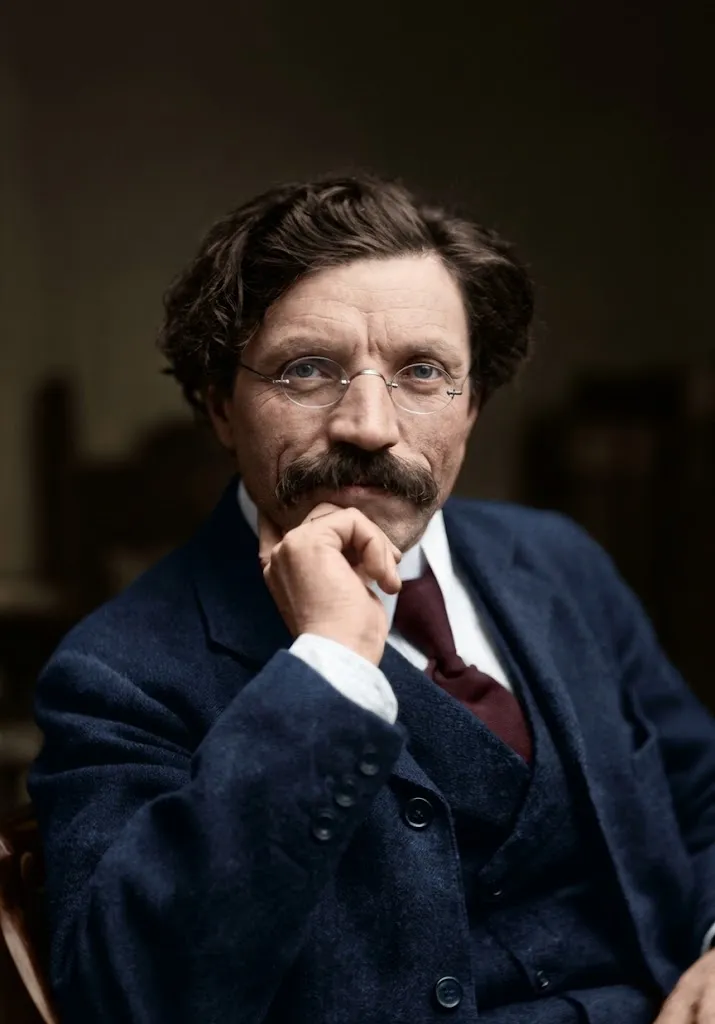
Vasyl Stefanyk
Master of the short story, MP
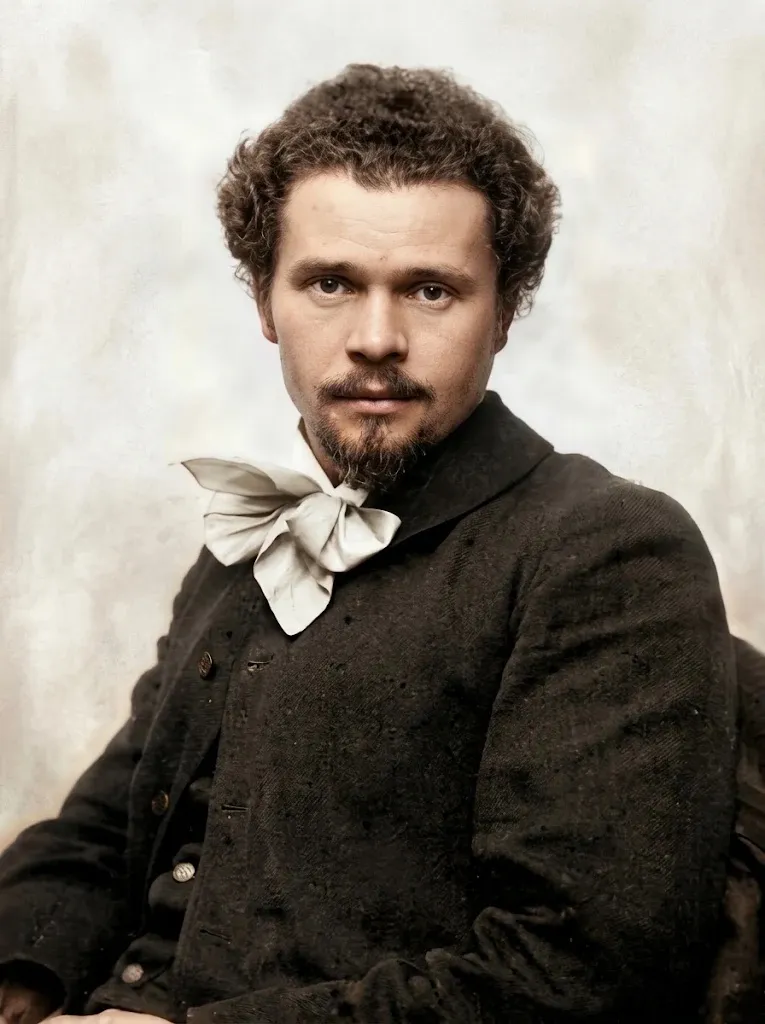
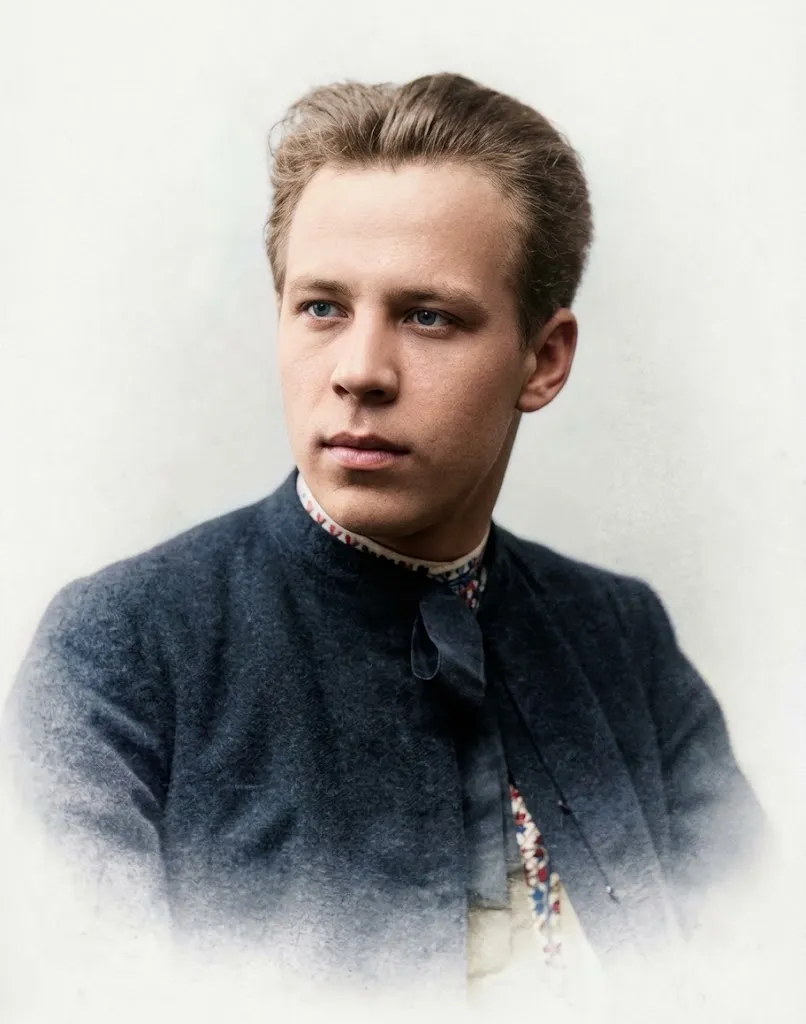
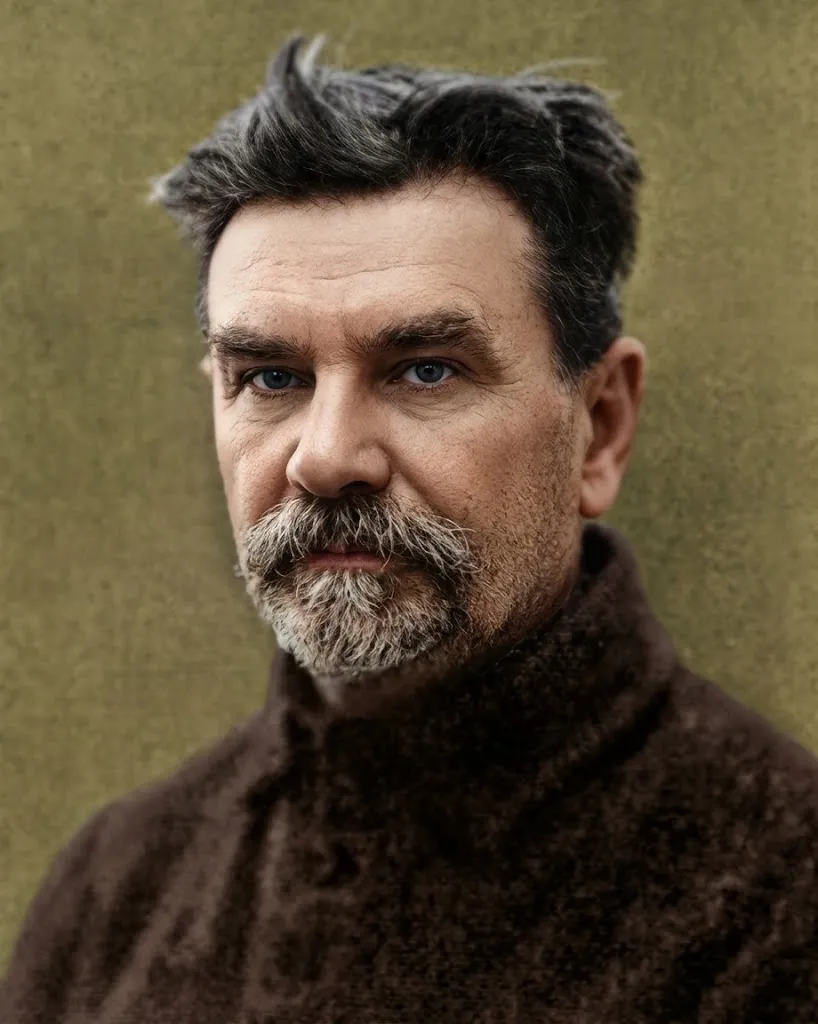
He turned down a pension from the government that was starving Ukraine, and gave the money a metropolitan sent him to beggars, in copper coins. Vasyl Stefanyk was a master of the short story, called by Franko an “absolute master of form”, and an Austrian MP who stood up for peasants.
Key accomplishments
- The story collections The Blue Book (1899), The Stone Cross (1900), The Road (1901), My Word (1905) and Earth (1926)
- Member of the Austrian parliament for the Ukrainian Radical Party (1908–1918)
- Vice-president of the Ukrainian National Rada of the West Ukrainian People’s Republic; part of its delegation to Kyiv for the Act of Union (1919)
- Turned down a Soviet personal pension in protest against the Holodomor (1933)
A pension handed out in coppers
News of the Holodomor in Soviet Ukraine reached Galicia, which was then part of Poland, in 1933. The writer Vasyl Stefanyk at once gave up the personal pension of 150 złoty a month that the Soviet government had granted him in 1928. He ended his letter with the words: “And a supporter of Greater Ukraine I always was and always will be.” When he heard of it, Metropolitan Andrei Sheptytskyi gave him the same pension from the Ukrainian Greek Catholic Church. Stefanyk asked the cashier to pay the whole sum in small coins, walked out onto the square and handed them out to beggars, asking them to pray for the Ukrainians starved to death by the famine.
The Pokuttia Trinity
In the Kolomyia school district only one Ukrainian in 1,329 got into a gymnasium. Stefanyk, born in 1871 in the village of Rusiv in Pokuttia to a well-off farmer, did. But at the Polish gymnasium in Kolomyia teachers and classmates alike mocked the small village boy. With Les Martovych and Marko Cheremshyna he joined a secret circle of students who did educational work among the villagers and set up reading rooms. The three friends from Pokuttia would later be called the “Pokuttia Trinity”. In 1890 Stefanyk was expelled for the circle and moved to the gymnasium in Drohobych, where Ivan Franko had once studied. There he met Franko, and they stayed friends for years. In 1895 Stefanyk was arrested for speaking at peasant rallies.
The medical student who became a storyteller
At his father’s wish he enrolled in medicine at Kraków University, but, as he admitted, medicine “came to nothing”. Instead, in Kraków he grew close to Polish modernist writers, became friends with the painter Ivan Trush and often visited Stanisław Przybyszewski. He first gave his prose poem My Word (1905) the same title as Przybyszewski’s manifesto: “Confiteor” (“I confess”). In 1897 his first stories came out in the Chernivtsi newspaper Pratsia, and in 1899 the collection The Blue Book, which critics praised highly. In all he published 59 stories, most no longer than a couple of pages: each one catches a single, hardest moment in a villager’s life. The Stone Cross (1900) is about a family saying goodbye to its village before leaving for Canada. His characters speak the Pokuttia dialect, which makes their pain sound even more alive. Franko called him an “absolute master of form”.
In 1903, at the unveiling of the monument to Ivan Kotliarevskyi in Poltava, Stefanyk met Lesya Ukrainka, Mykhailo Kotsiubynskyi, Olena Pchilka, Mykhailo Starytskyi and Hnat Khotkevych in person.
A deputy for the villagers
Stefanyk threw himself into public and political life in the early 1900s and fell silent as a writer for about 15 years. From 1908 until Austria-Hungary broke up, he sat in the Austrian parliament for the Ukrainian Radical Party and stood up there for the rights of Galician peasants. The horrors of the First World War brought him back to writing: from 1916 new stories appeared, collected in Earth (1926).
When the empire fell, Stefanyk became vice-president of the Ukrainian National Rada of the West Ukrainian People’s Republic. In January 1919 he was part of its delegation to Kyiv for the proclamation of the Act of Union, which joined the western and eastern Ukrainian lands into one state. His stories are thought to have influenced Hryhorii Kosynka, Oles Honchar and Hryhir Tiutiunnyk. Stefanyk died in 1936 in his native Rusiv.
Why it matters today
Stefanyk showed that a few pages about an ordinary villager can hold a whole human tragedy, and proved that a short story can be great literature. He gave a voice to people who were rarely heard: the villagers of Pokuttia and those forced to leave their land. His choices in 1919 and in 1933 show that a united Ukraine mattered more to him than money or safety, and place him beside the generation that proclaimed the Act of Union. Anyone who writes briefly and powerfully about their own people’s pain walks a road he laid.