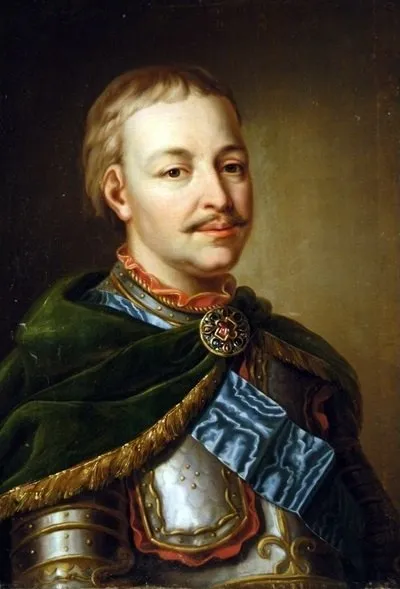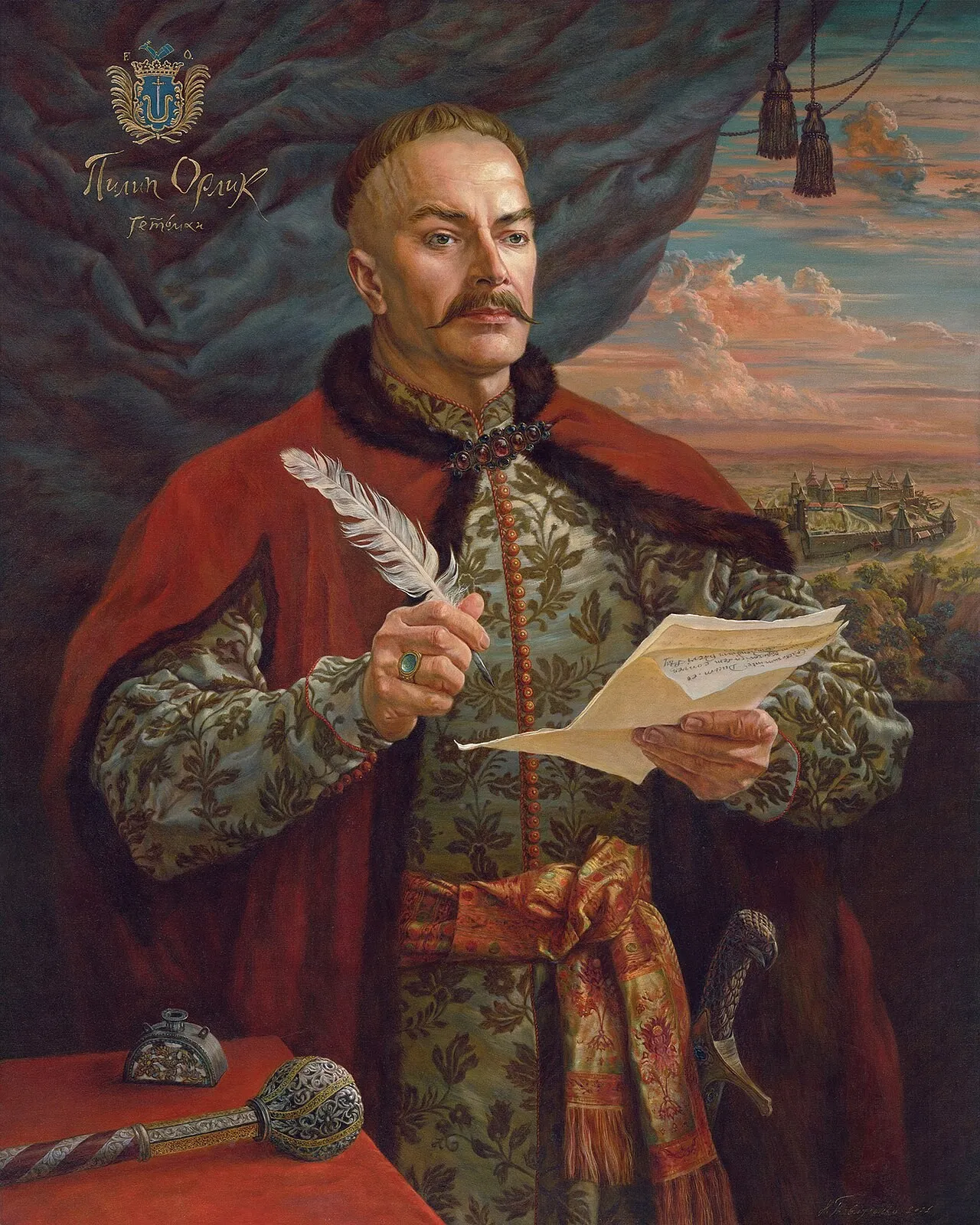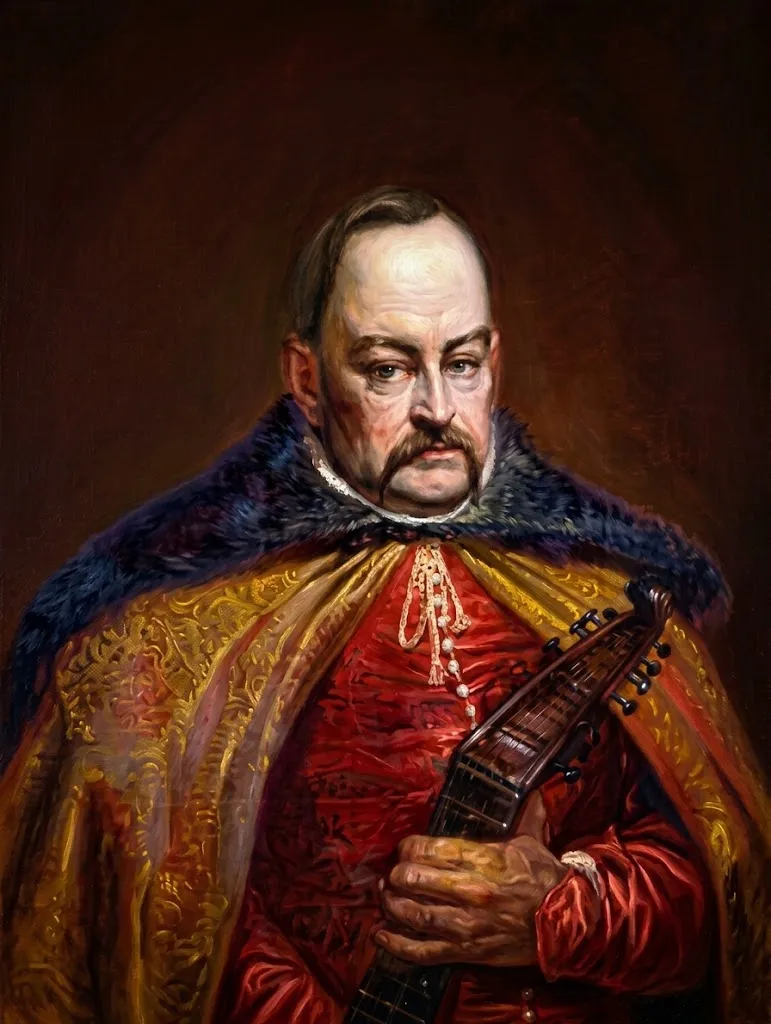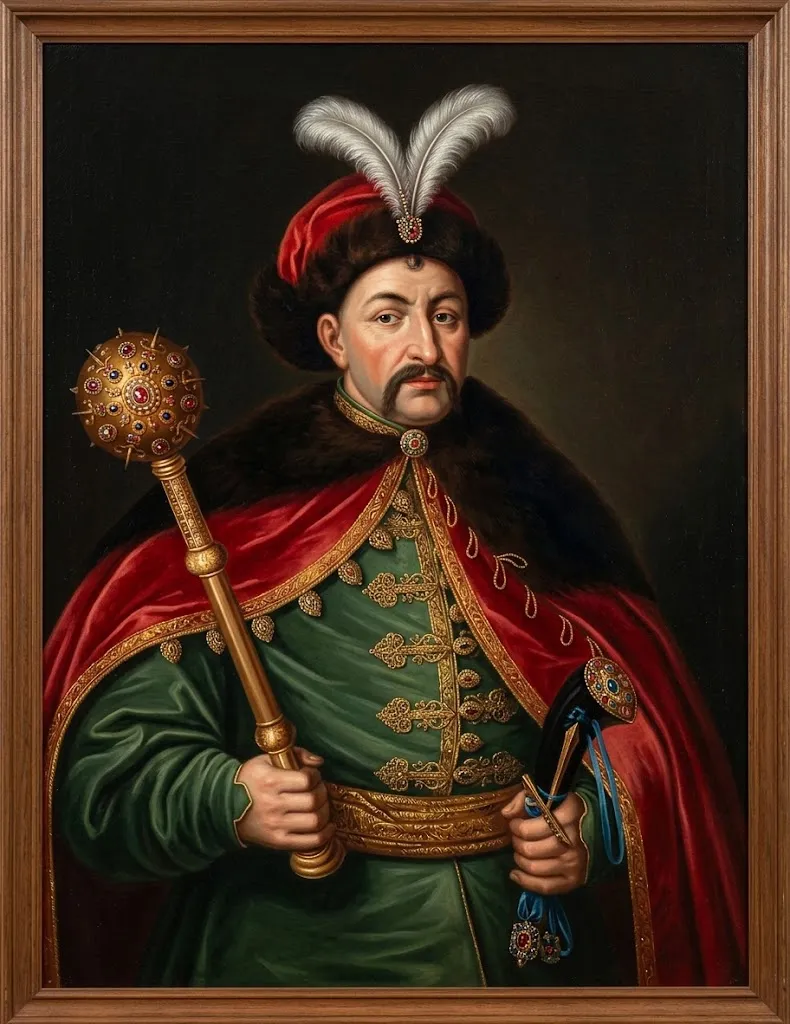
Kost Hordiienko
Kish otaman of the Zaporozhian Sich
Kost Hordiienko clashed with Mazepa for years over the rights of the Sich. When the hetman turned against Moscow, Hordiienko brought the Zaporozhians into his Swedish alliance. After Poltava, he helped preserve their self-government under the Crimean khan's protection.
Key accomplishments
- First elected kish otaman in 1702. Accounts put the total at 11 or 12 elections
- Secured an agreement with Charles XII to protect the Zaporozhians and fight Moscow together (1709)
- Represented the Zaporozhians when they made their pact with Hetman Pylyp Orlyk (1710)
From student to kish otaman
Kost Hordiienko opposed Muscovite forts and garrisons on Zaporozhian land. For years that put him at odds with Ivan Mazepa, who was then the tsar’s ally. Hordiienko probably came from the Poltava region. After studying at the Kyiv-Mohyla Collegium, he joined the Platnyrivskyi kurin, a unit of the Sich. The Zaporozhians repeatedly elected him kish otaman, their chief commander.
A speech before the king
When Mazepa turned against Moscow, defending Cossack rights became their common cause. In the spring of 1709 Hordiienko brought about 8,000 Zaporozhians to the allies, according to one estimate. The former collegium student addressed Sweden’s King Charles XII in Latin. The Slovak traveller Daniel Krman recorded that the king answered through an interpreter.
In early April at Velyki Budyshcha, Hordiienko reached an agreement with the Swedish king through Mazepa. The Zaporozhians fought the tsar’s forces near Tsarychanka and between the Oril and Vorskla rivers. In May 1709 the tsar’s troops destroyed the Chortomlyk Sich.
A Sich in exile
After the Battle of Poltava, Hordiienko helped the allies cross the Dnipro near Perevolochna and withdrew to Bender. There he represented the Zaporozhians as they made their 1710 pact with the newly elected hetman, Pylyp Orlyk. The following year Hordiienko joined Orlyk’s unsuccessful campaign into Right-Bank Ukraine.
Hordiienko parted ways with Orlyk in 1712 and later led the Oleshky Sich under the Crimean khan’s protection. Until 1728 he opposed a return to Moscow’s rule. He died at the Kamianka Sich in May 1733. He was buried in its Cossack cemetery near what is now the village of Respublikanets in the Kherson region.
Why it matters today
Hordiienko sought allies so the Zaporozhians could keep choosing their own leaders. The 57th Separate Motorized Infantry Brigade bears his name, and its recruits have taken their oath at the Kamianka Sich.