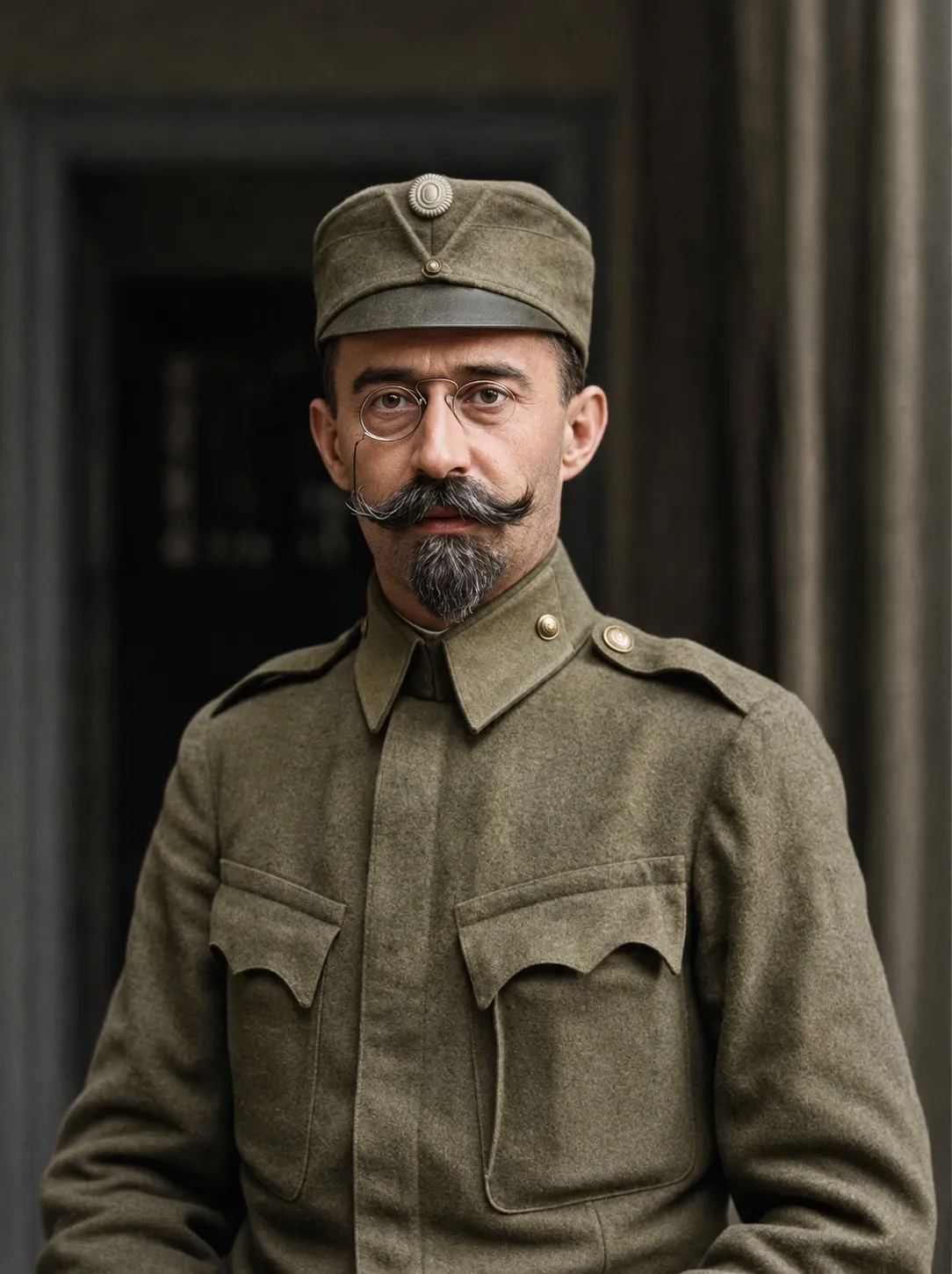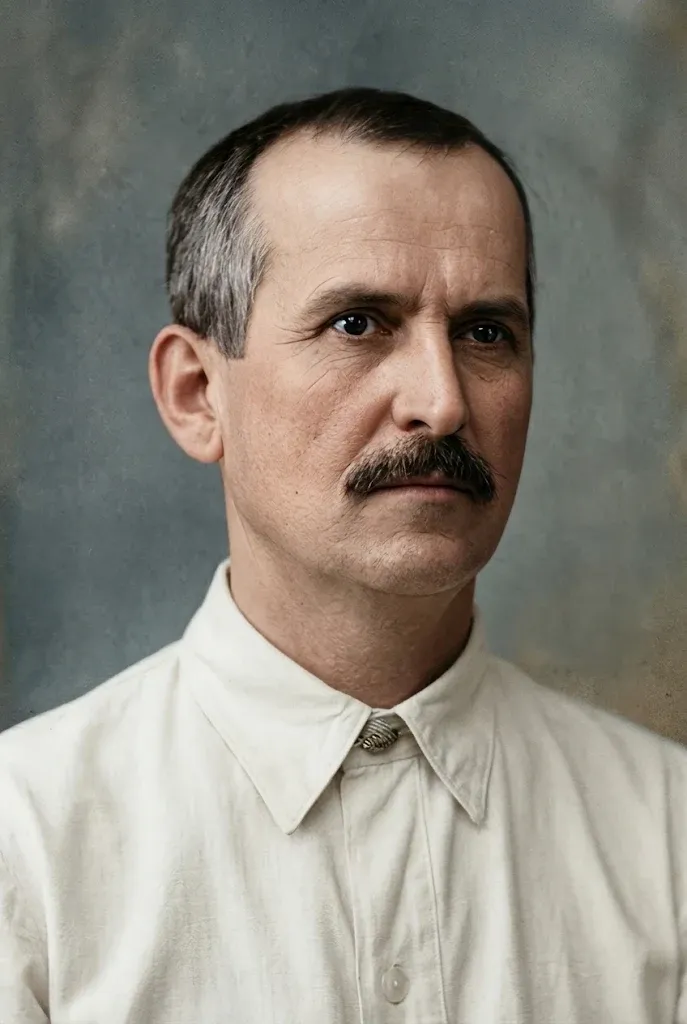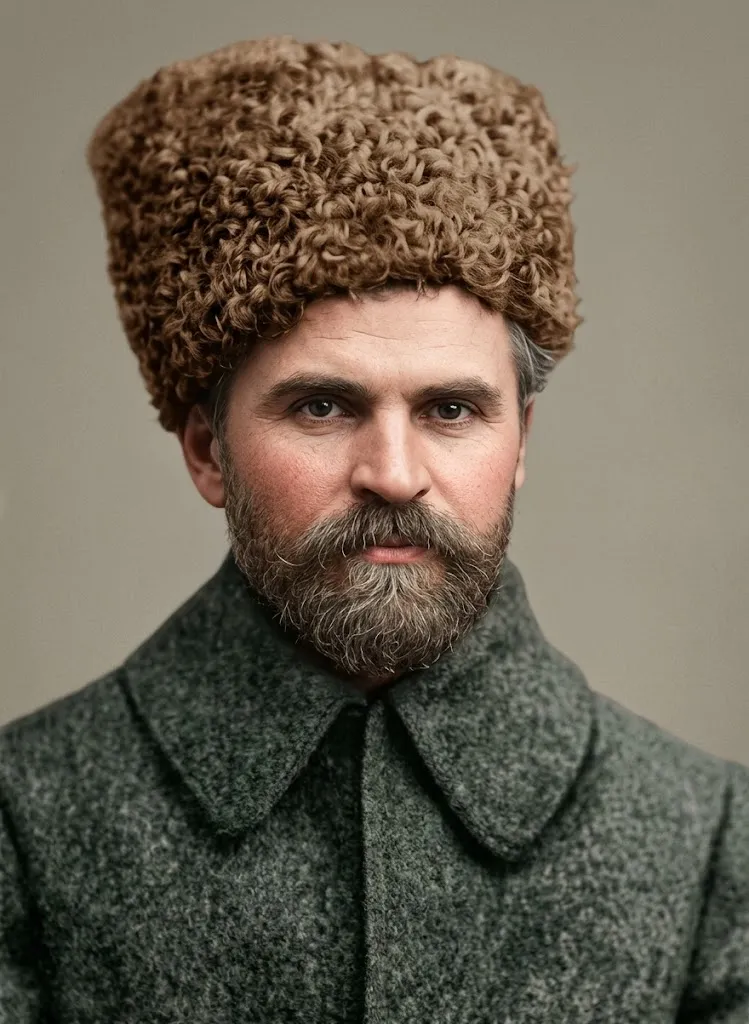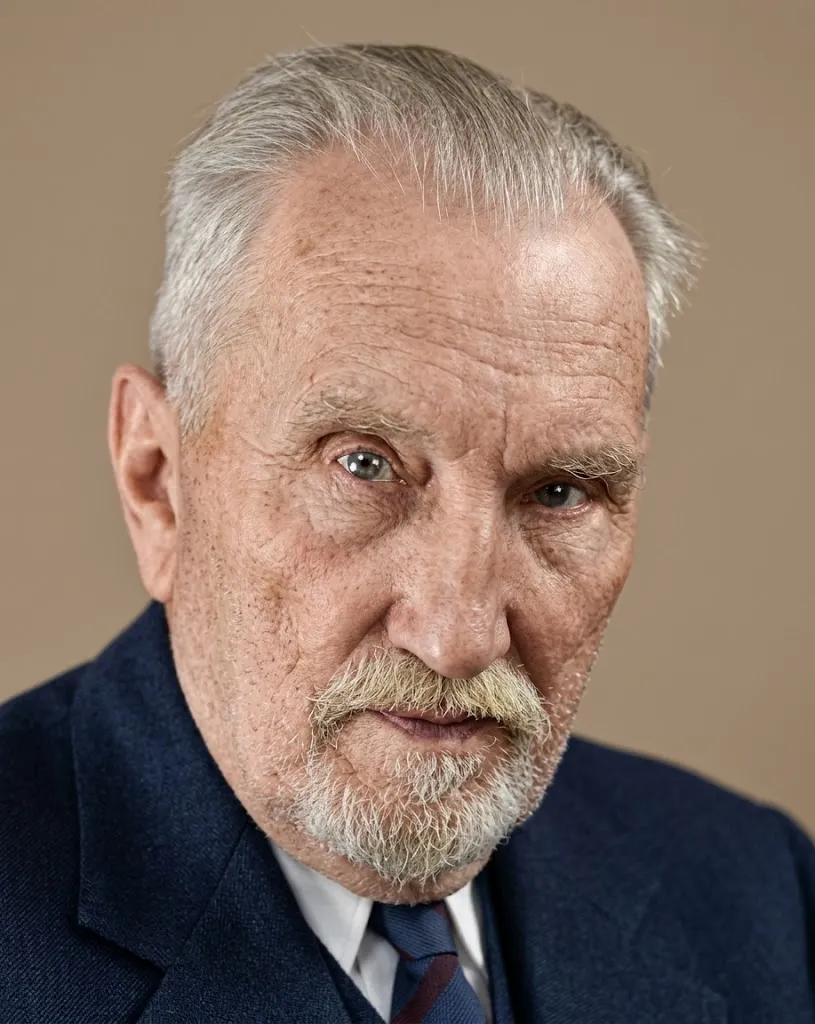
Kost Levytskyi
First head of the ZUNR government
The lawyer Kost Levytskyi was among the first to write to the courts in Ukrainian, and later headed the first government of the Western Ukrainian People’s Republic. Even at 80, just out of Moscow’s Lubyanka prison, he again led the Ukrainians of Galicia.
Key accomplishments
- First head of the State Secretariat (government) of the Western Ukrainian People’s Republic and its secretary of finance (November 1918)
- Head of the Main Ukrainian Council in Lviv (from 1 August 1914), which set about organizing the Legion of Ukrainian Sich Riflemen
- Co-founder of the National Democratic Party (1899), later its leader; headed the Ukrainian parliamentary club in Vienna
- Co-founder of Ukrainian co-operative and financial institutions, including Narodna Torhivlia and Dnister; wrote the new statute of Prosvita
- Head of the Union of Ukrainian Advocates; author of A History of the Political Thought of Galician Ukrainians, 1848–1914 and The Great Upheaval
- Head of the Ukrainian National Council in Lviv (1941)
The lawyer who wrote to the courts in Ukrainian
What can a lawyer do for his people? Kost Levytskyi showed it can be a lot. He was born in 1859 in Tysmenytsia in the Carpathian foothills, the son of a priest, studied law in Vienna and Lviv, and took his doctorate in 1884. In 1890 he opened a law office in Lviv and was among the first to file complaints and petitions to the courts in Ukrainian.
Banks, co-operatives and a party
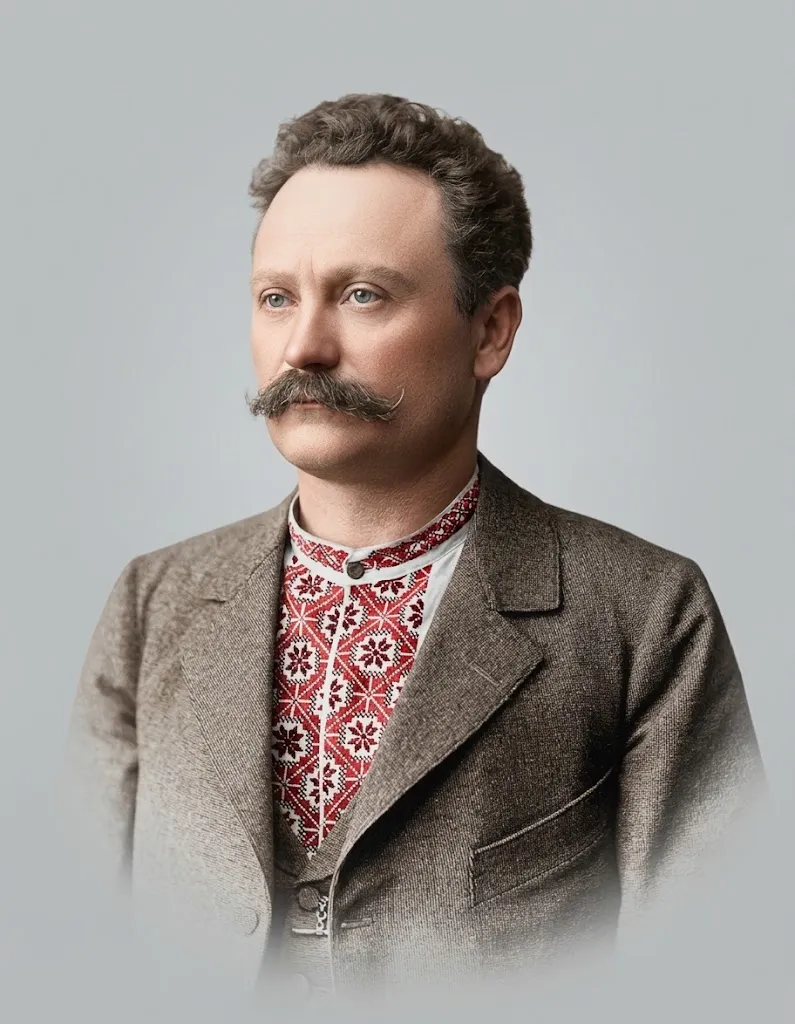
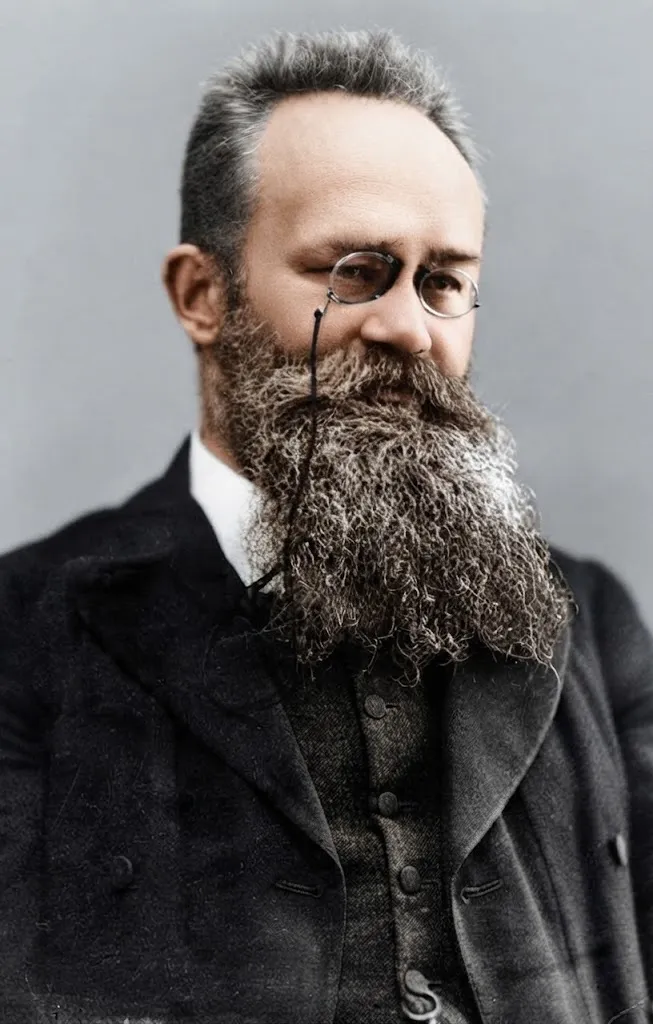
Levytskyi was among the founders of the Ukrainian consumer co-operative Narodna Torhivlia, the Dnister insurance society and the Regional Credit Union, which later became the Tsentrobank; he ran the union, with breaks, for more than forty years. In 1899 he was one of the founders of the National Democratic Party, whose leading figures included Mykhailo Hrushevskyi, and which Ivan Franko soon joined. Levytskyi later led the party, and in 1907 he was elected to the Austrian parliament in Vienna, where he headed the Ukrainian parliamentary club.
From the Main Council to a state of their own
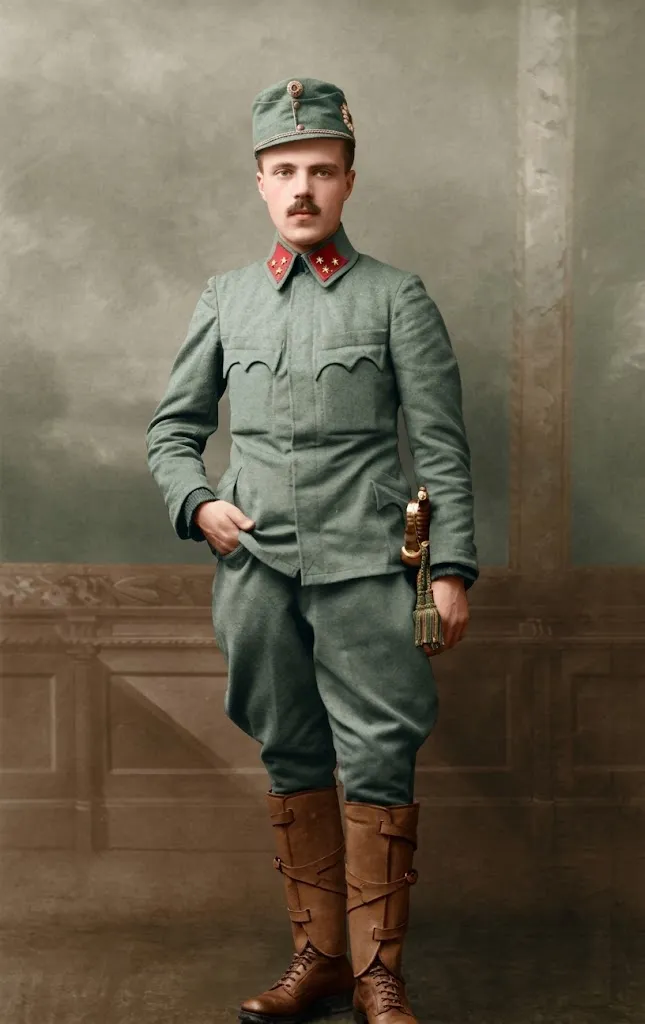
As the First World War began on 1 August 1914, the Galician parties set up the Main Ukrainian Council in Lviv, with Levytskyi at its head. The council at once set about organizing the Legion of Ukrainian Sich Riflemen. In the autumn of 1918, as Austria-Hungary was falling apart, Levytskyi headed the Galician delegation of the Ukrainian National Council and helped prepare the Ukrainian takeover of power on 1 November. On 9 November the council formed the first government of the Western Ukrainian People’s Republic, the State Secretariat, and Levytskyi became its head and also its secretary of finance. The armed forces in that government were the job of Dmytro Vitovskyi, who had led the November Act.
A diplomat in exile
When Poland took Galicia in 1919, Levytskyi ended up in Vienna. In Yevhen Petrushevych’s government in exile he was responsible for the press and, from 1921, for foreign affairs. In 1924 he returned to Lviv, headed the Union of Ukrainian Advocates and wrote histories of the political thought and the liberation struggle of Galician Ukrainians.
In the Lubyanka at 80
When the Red Army entered Lviv in September 1939, Levytskyi, then 80, led a delegation of Galician Ukrainians to the new Soviet authorities, and soon afterwards the Soviet secret police (NKVD) arrested him. He spent about 20 months in prisons in Lviv and Moscow, more than a year of it in the Lubyanka. He was released in the spring of 1941 and went home to Lviv.
The last council
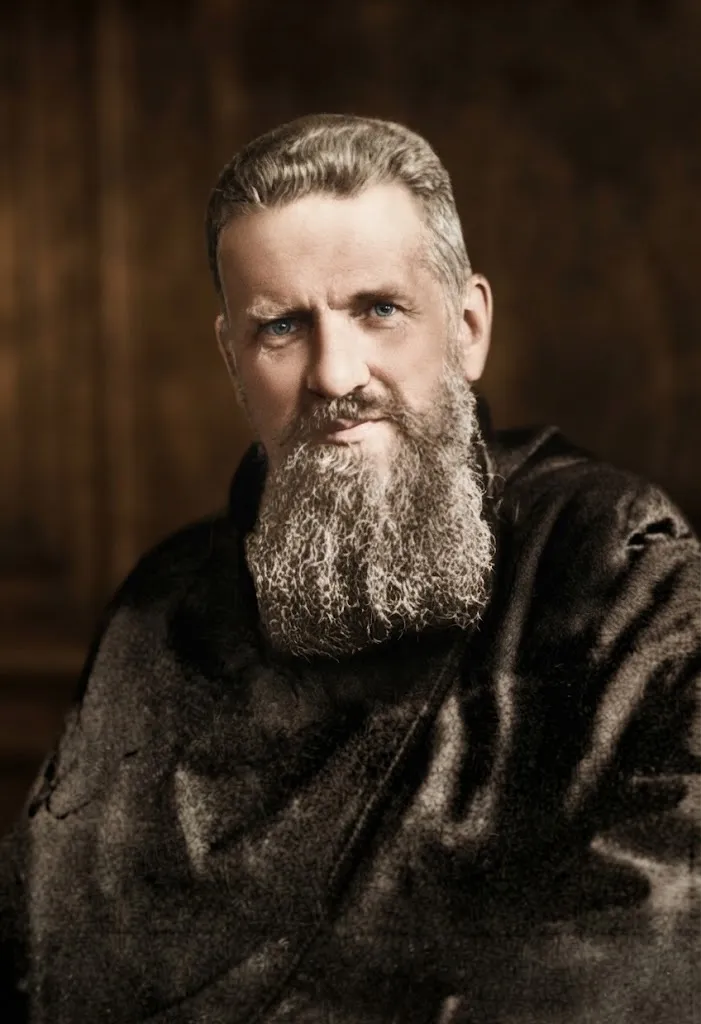
German troops took Lviv at the end of June 1941. After the Act of Restoration of the Ukrainian State was proclaimed on 30 June, a Council of Seniors was convened in Lviv on the initiative of Stepan Bandera’s wing of the OUN, and Levytskyi became its head. On 30 July it became the Ukrainian National Council, meant to represent the Ukrainians of Galicia and Volhynia before the German authorities. Levytskyi was its president, and Metropolitan Andrei Sheptytskyi its honorary president. That same day the council protested against Galicia being attached to the General Government, as the Germans called the Polish lands they occupied. Kost Levytskyi died in Lviv on 12 November 1941 and was buried in the Yanivskyi Cemetery. In March 1942 the German authorities banned the council.
Why it matters today
Kost Levytskyi showed that a state is built not only with weapons but also with law, money and words. He was among the first to write to the courts in Ukrainian, he built banks and co-operatives that gave Galicians something of their own to stand on, and he led the first government of the Western Ukrainian People’s Republic. Even at 80, just out of a Soviet prison, he took up speaking for Ukrainians again. Anyone who stands up for people’s rights in court or builds Ukrainian institutions today carries on his work.