Milena Rudnytska
Women's Union leader, Sejm deputy
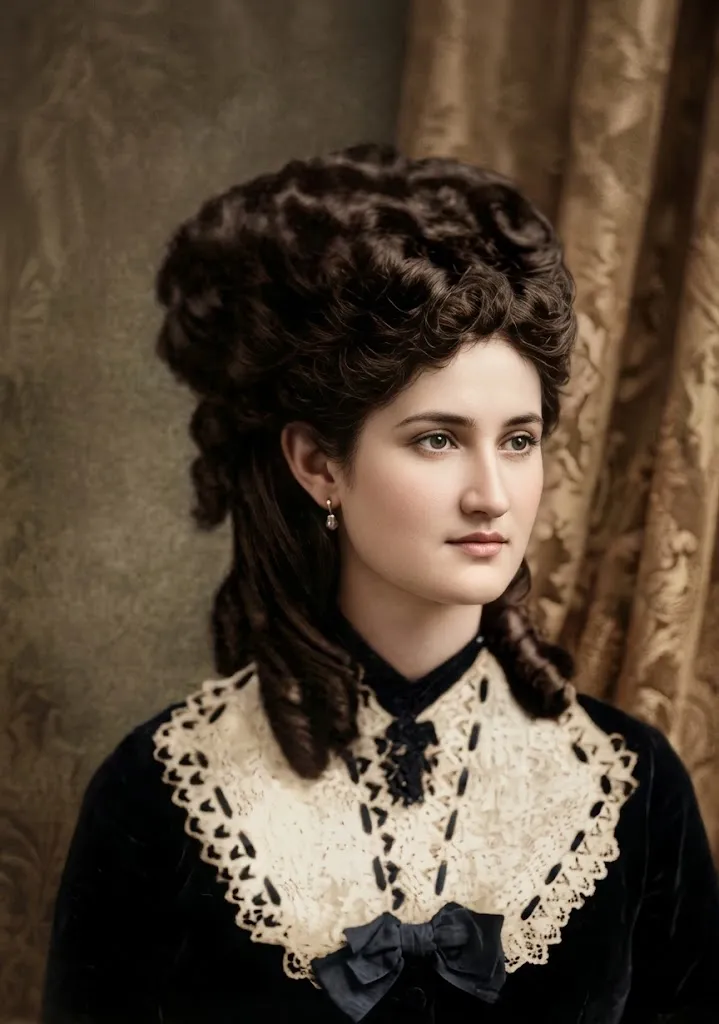
In 1933 she got the League of Nations to discuss a famine that Moscow denied. Milena Rudnytska of Galicia led the Union of Ukrainian Women, the largest women's organisation in western Ukraine, and defended Ukrainians' rights as a member of the Polish Sejm.
Key accomplishments
- Head of the Union of Ukrainian Women (1928–1939), the largest women's organisation in western Ukraine
- Member of the Polish Sejm for the Ukrainian National Democratic Alliance (UNDO), 1928–1935
- Deputy head of the Ukrainian Civic Committee for the Rescue of Ukraine (1933); got the famine in Soviet Ukraine before the Council of the League of Nations
- Led the Ukrainian Women's Congress in Stanyslaviv (1934) and the World Union of Ukrainian Women (1937–1939)
- Editor of the journal Zhinka (Woman), 1935–1939
- Ran the Ukrainian Relief Committee in Geneva, which helped Ukrainian refugees after the Second World War
Famine on the agenda
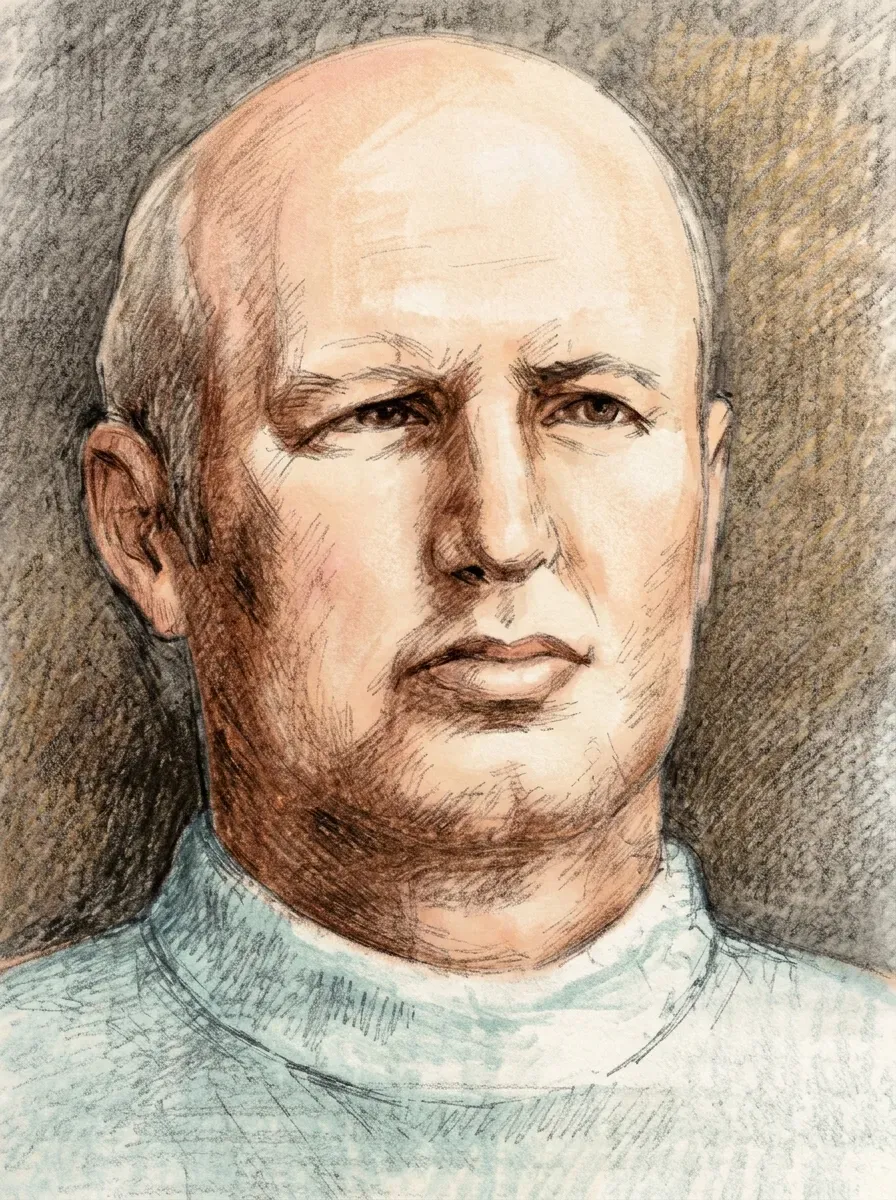
How do you make the world talk about a famine that Moscow denies? In September 1933 Milena Rudnytska travelled from Lviv to Geneva, to the League of Nations. The president of the League Council, the Norwegian Johan Ludwig Mowinckel, promised to help, but asked for an appeal from a respected international organisation. Rudnytska, head of the Union of Ukrainian Women, secured one from international women’s organisations. On 29 September the League Council, meeting behind closed doors, discussed the plight of the starving in Soviet Ukraine.
Mathematics, teaching and a women’s union
Milena was born in 1892 in the small town of Zboriv in the Ternopil region, the daughter of a notary; her mother was of Jewish origin. She studied philosophy at the universities of Lviv and Vienna and wrote a dissertation on the mathematical foundations of Renaissance aesthetics.
In 1928 Rudnytska became head of the Union of Ukrainian Women. In the 1930s it had about 45,000 members and was the largest women’s organisation in western Ukraine. In 1934 she led the Ukrainian Women’s Congress in Stanyslaviv, held for the 50th anniversary of the first Ukrainian women’s society, founded by Nataliia Kobrynska. In 1938 the Polish authorities disbanded the Union.
In the Sejm and in Geneva
She was elected to the Polish Sejm in 1928 for the Ukrainian National Democratic Alliance (UNDO), where she spoke out against the “pacification”, the punitive raids by the Polish authorities in Galicia, and against the pressure on Ukrainian schools.
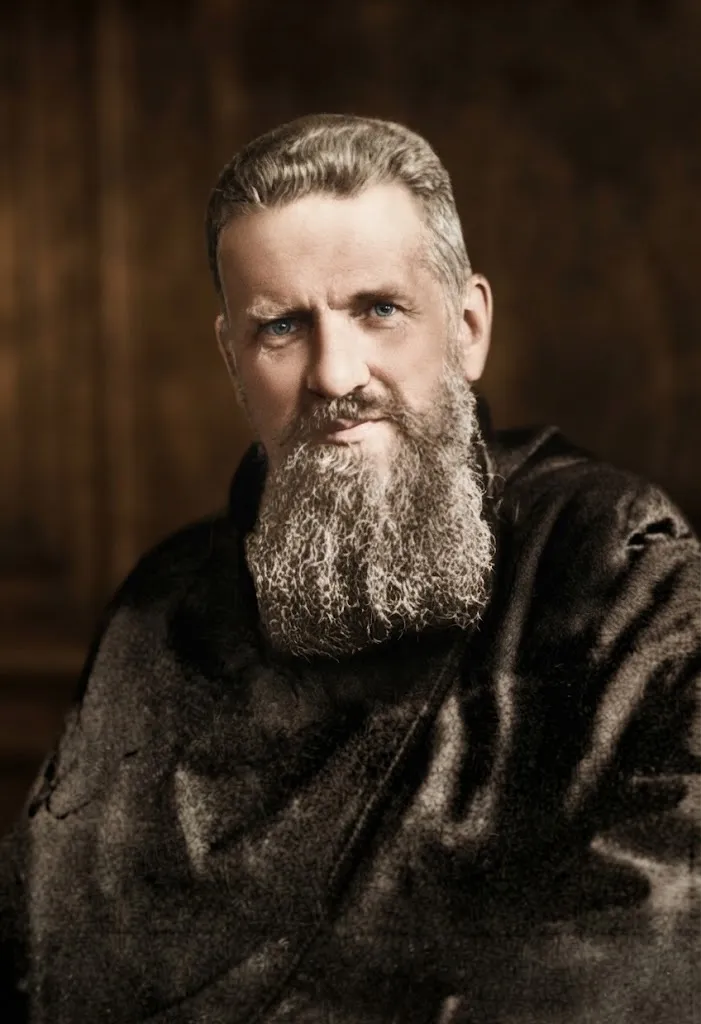
In the summer of 1933 Metropolitan Andrei Sheptytskyi appealed to the world in a pastoral letter about the famine, and in Lviv the Ukrainian Civic Committee for the Rescue of Ukraine was formed. Rudnytska became its deputy head, in charge of its international work. But at the League Council’s closed session only four of the fourteen states backed relief. The matter was passed to the Red Cross, and Moscow declared there was no famine.
Exile
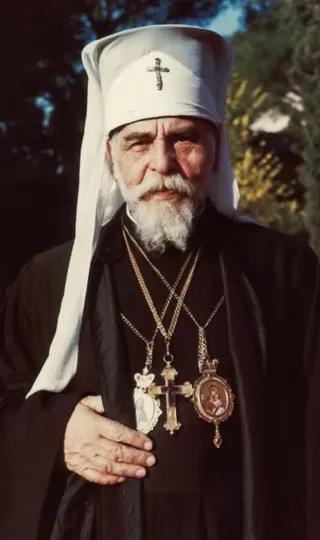
When Soviet rule came in 1939, Rudnytska left for the West. After the war, in Geneva, she ran the Ukrainian Relief Committee, which helped more than 500 Ukrainian families get out of Czechoslovakia to the West. Later she lived in New York, Rome and Munich. She devoted her book Invisible Stigmata (1971) to Patriarch Yosyf Slipyi. Milena Rudnytska died in Munich on 29 March 1976; her remains were later reburied at Lychakiv Cemetery in Lviv.
Why it matters today
Milena Rudnytska showed that a nation without a state can still make itself heard, with knowledge, connections and persistence. While Moscow denied the famine, she got the League of Nations Council to discuss it, so Western governments could no longer say they had not known. She turned a women’s organisation into a force that was reckoned with both in the Sejm and in Geneva. Anyone who tells the world the truth about Ukraine today carries on her work.