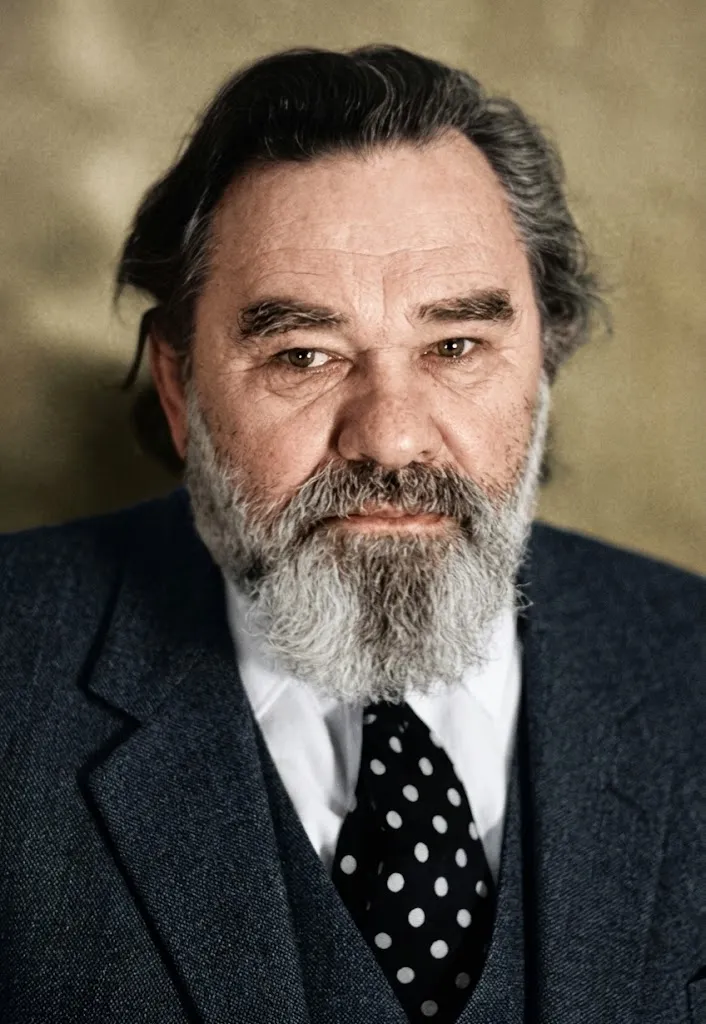
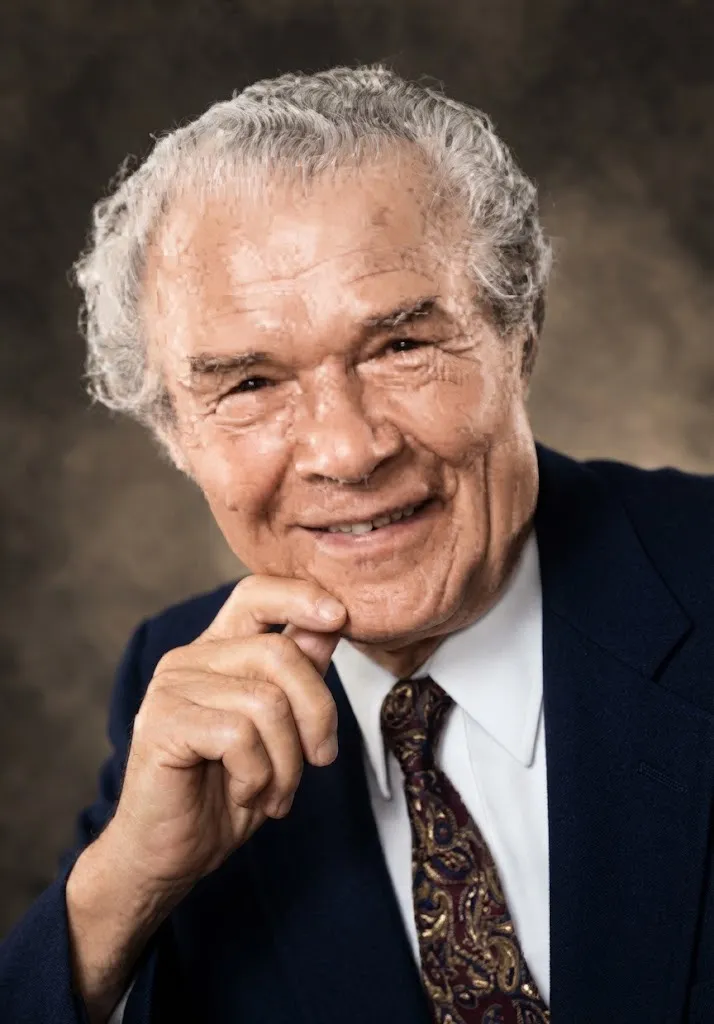
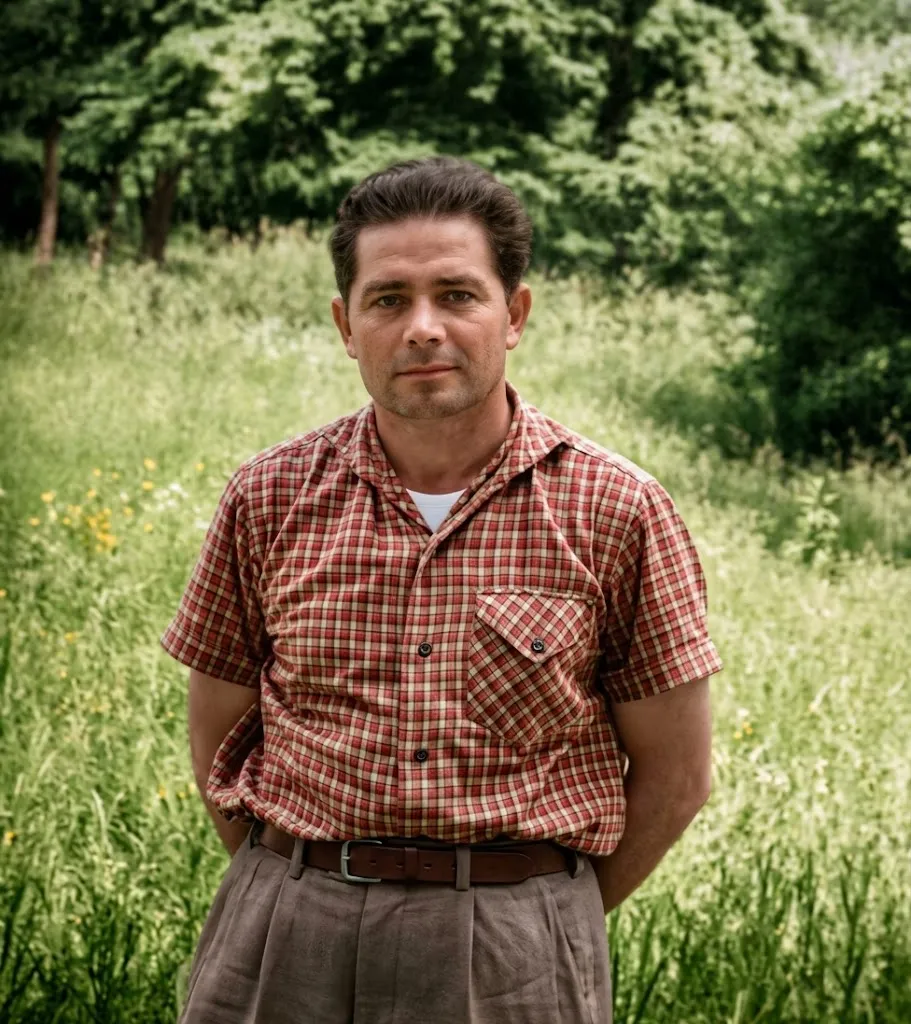
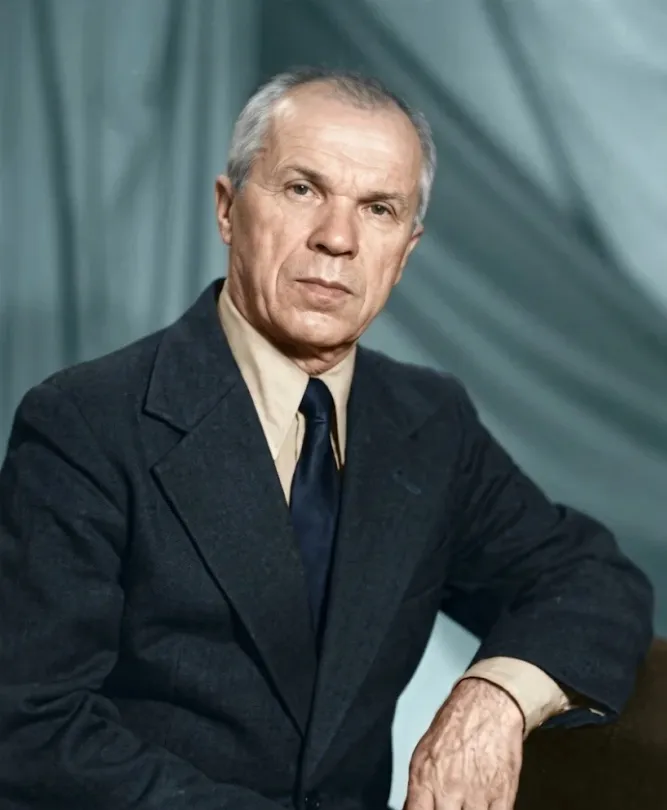
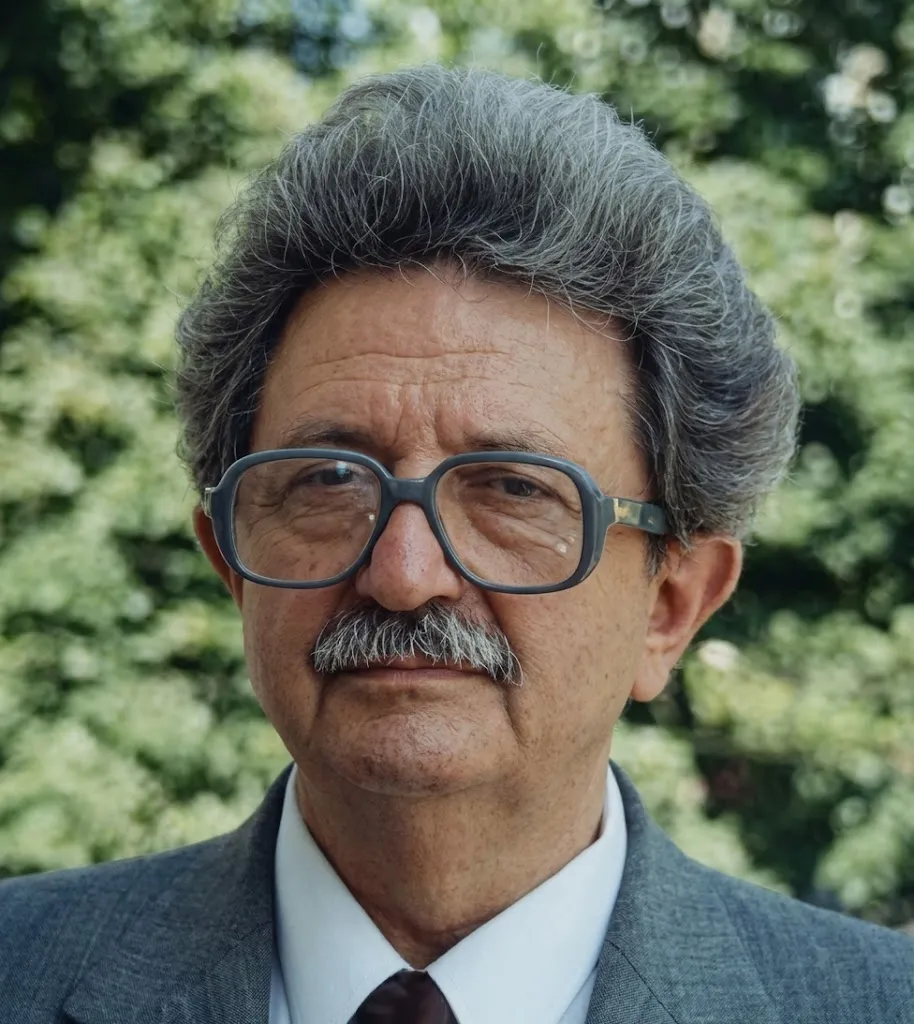
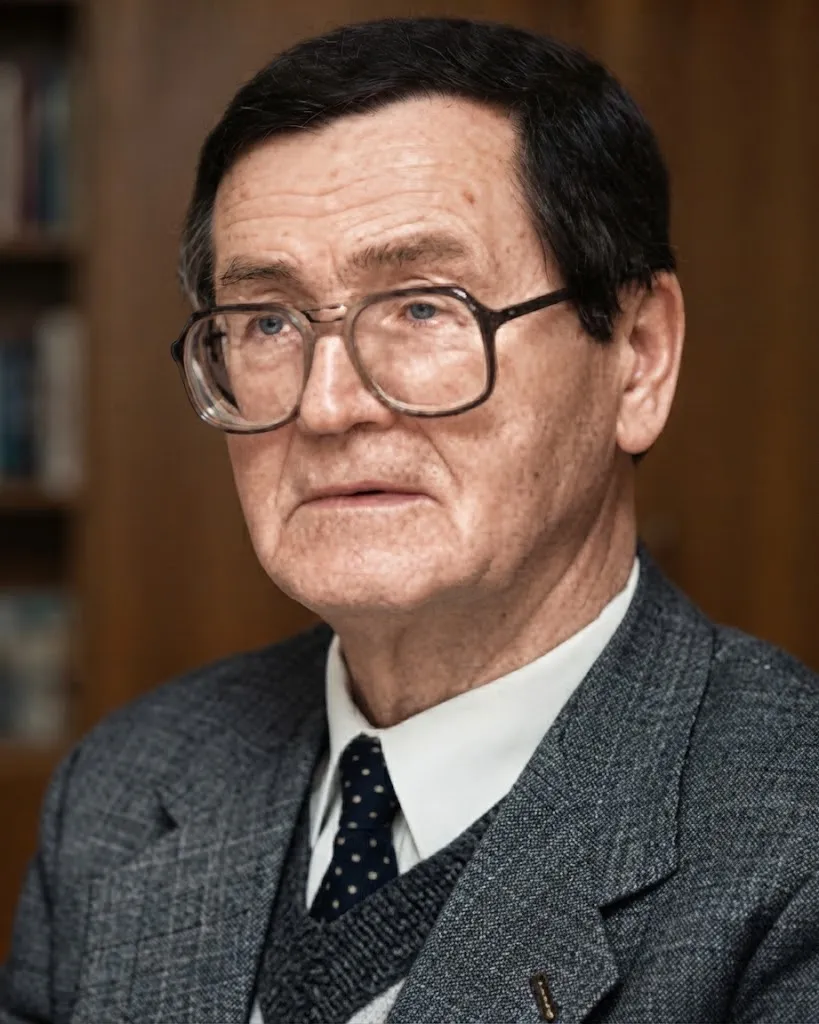
Petro Hryhorenko
General turned human rights defender
A Soviet general was busted down to private and declared insane by psychiatrists for standing up to the Party. Petro Hryhorenko (Grigorenko), from Borysivka in southern Ukraine, spent about five years in psychiatric hospitals, defended the Crimean Tatars and co-founded the Ukrainian Helsinki Group.
Key accomplishments
- World War II veteran, wounded twice; major general, founder and head of the military cybernetics department at the Frunze Military Academy
- A speech at a Party conference on 7 September 1961 warning against a new personality cult
- One of the first to describe how the Soviet regime used psychiatric hospitals against dissenters (1968)
- Defender of the Crimean Tatars' right to return home; in 1969 travelled to Tashkent to act as a public defender at the trial of Crimean Tatar activists
- Co-founder of the Moscow and Ukrainian Helsinki Groups (1976), the Ukrainian group's representative in Moscow and later head of its Foreign Representation (from 1978)
- Order for Courage, 1st class (1997, posthumously)
A boy from Tavria who became a general
Petro Hryhorenko, often spelled Grigorenko in English, started out as an assistant engine driver and rose to major general. He was born in 1907 to a peasant family in Borysivka, a village near the Sea of Azov in what is now the Zaporizhzhia region. He studied in Kharkiv and then at military academies in Moscow. He fought at Khalkhin Gol and in World War II, and was wounded twice. After the war he taught at the Frunze Military Academy.
The speech that changed everything
What can a general lose in a few minutes at a podium? On 7 September 1961, at a Party conference in Moscow, Hryhorenko warned that a personality cult could return and called for fairer elections inside the Party. He was removed from teaching and posted to the Far East.
A diagnosis instead of a sentence
Together with a few like-minded people, his son among them, Hryhorenko set up an underground “Union of Struggle for the Revival of Leninism” in 1963 and wrote leaflets. In February 1964 the general was arrested, declared insane with a diagnosis of “paranoid personality development”, busted down to private and locked in a psychiatric hospital in Leningrad. Freed in 1965, he worked as a loader, and in 1968 he became one of the first to describe how the regime jailed dissenters in psychiatric wards.
Hryhorenko was not alone. For the regime, psychiatric hospitals became prisons with no end date. The USSR no longer dared to shoot its opponents as it had under Stalin: it told the West there were no political prisoners in the country and branded discontent with the regime as madness. Moscow’s Serbsky Institute gave dissidents an invented diagnosis, “sluggish schizophrenia”, and KGB chief Yuri Andropov pushed through an expansion of the network of special psychiatric hospitals. The case files held in the SBU archive alone cover about a thousand such “patients”.
“Stop asking!”
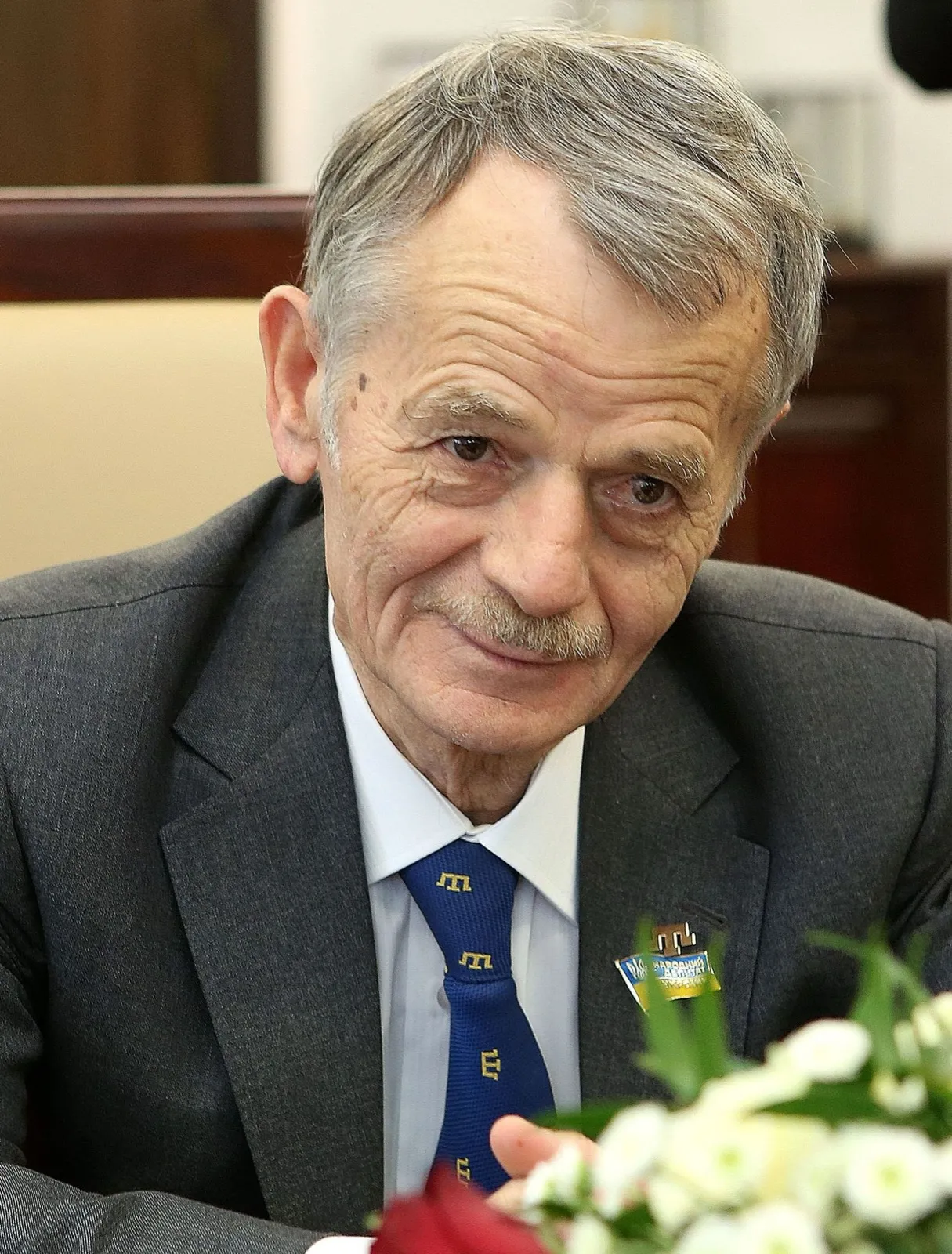
His greatest cause was the Crimean Tatars, deported from Crimea in 1944. He called the deportation genocide and urged them not to beg but to demand what was theirs by right; he also stood up for the young Mustafa Dzhemilev. In May 1969 Hryhorenko went to Tashkent to defend Crimean Tatars in court, but he was arrested and again declared ill. He spent more than three years in the special psychiatric hospital in Chernyakhovsk. The Kyiv psychiatrist Semen Hluzman examined his case in absentia and found him sane; soon Hluzman himself was sentenced to seven years in the camps and three years of exile. Crimean Tatars picketed the prison in Tashkent, and Norwegian, Italian and Belgian rights activists protested for the general in Moscow and Leningrad. He was released only in June 1974, on the eve of US President Richard Nixon’s visit to the USSR.
Ukraine’s voice in Moscow
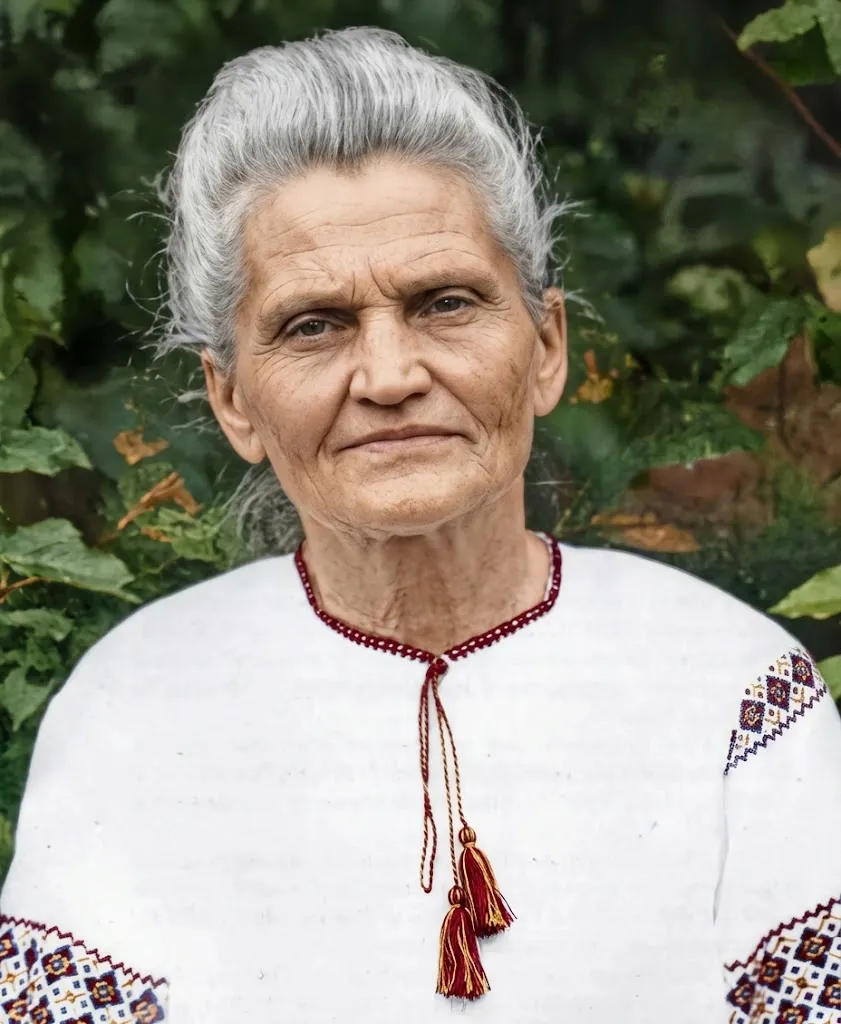
Hryhorenko kept in touch with Ukrainian dissidents, among them Leonid Pliushch, Nina Strokata and Viacheslav Chornovil. In 1976 he co-founded the Moscow Helsinki Group, and in November, together with Mykola Rudenko, Oksana Meshko, Oleksa Tykhyi, Levko Lukianenko and Oles Berdnyk, the Ukrainian one. In Moscow he represented the Ukrainian group.
A one-way ticket
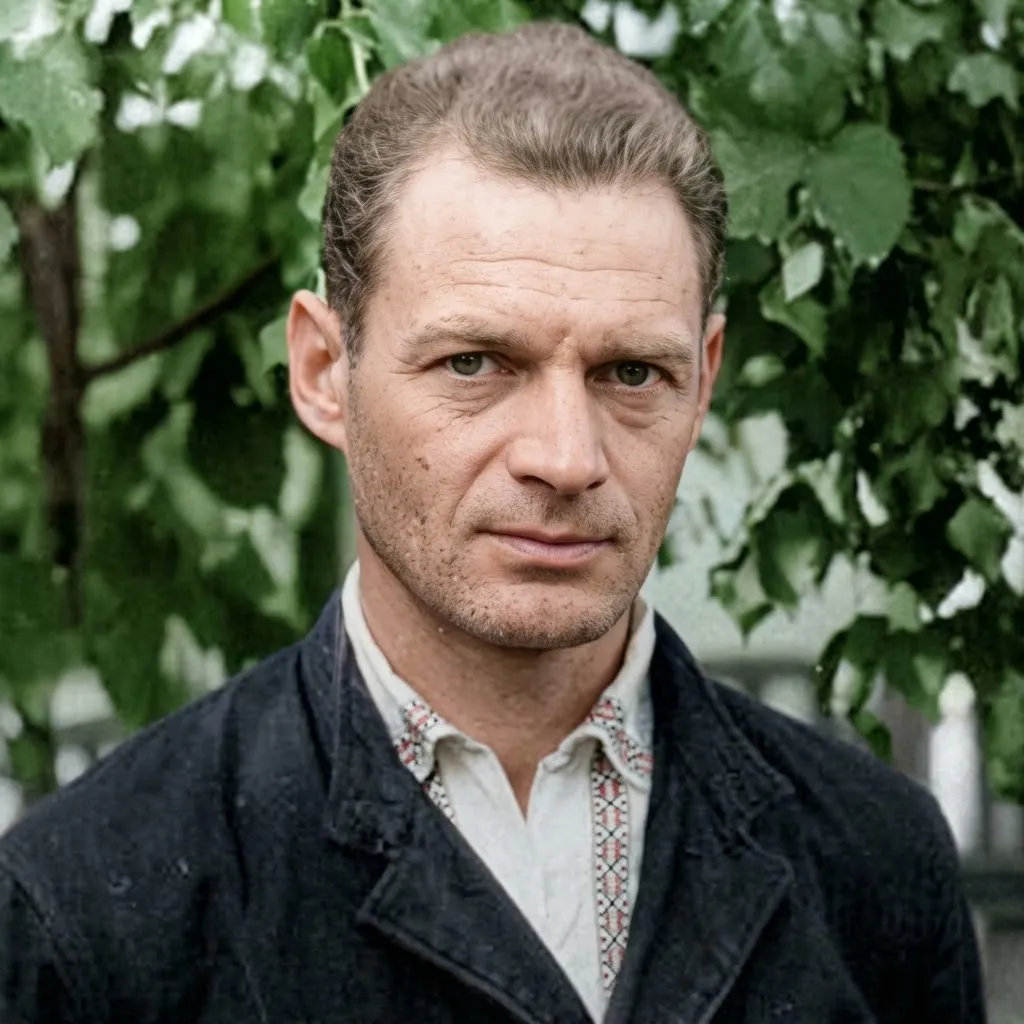
Hryhorenko went to the United States for medical treatment with his wife and son in 1977, and on 13 February 1978 he was stripped of his citizenship. “They took away my right to die in my homeland,” he said. American psychiatrists found no mental illness at all. There he wrote the foreword to The Kiss of Satan, the memoir of Viktor Borovskyi, a young man from the Kharkiv region who had been locked in psychiatric hospitals. In New York he headed the Foreign Representation of the Ukrainian Helsinki Group and lived among the Ukrainian community. He died there in 1987; in 1997 Ukraine posthumously awarded him the Order for Courage.
Why it matters today
Hryhorenko had everything the system could give: a general’s stars, a department, a pension. He traded it for the right to tell the truth, and showed that even someone from the very top can side with the wronged. His voice helped the world hear about the Crimean Tatars and about psychiatric wards used against dissenters. He became a bridge between Ukrainian, Crimean Tatar and Moscow human rights defenders, and showed that the freedom of the Crimean Tatars and the freedom of Ukrainians are one struggle.