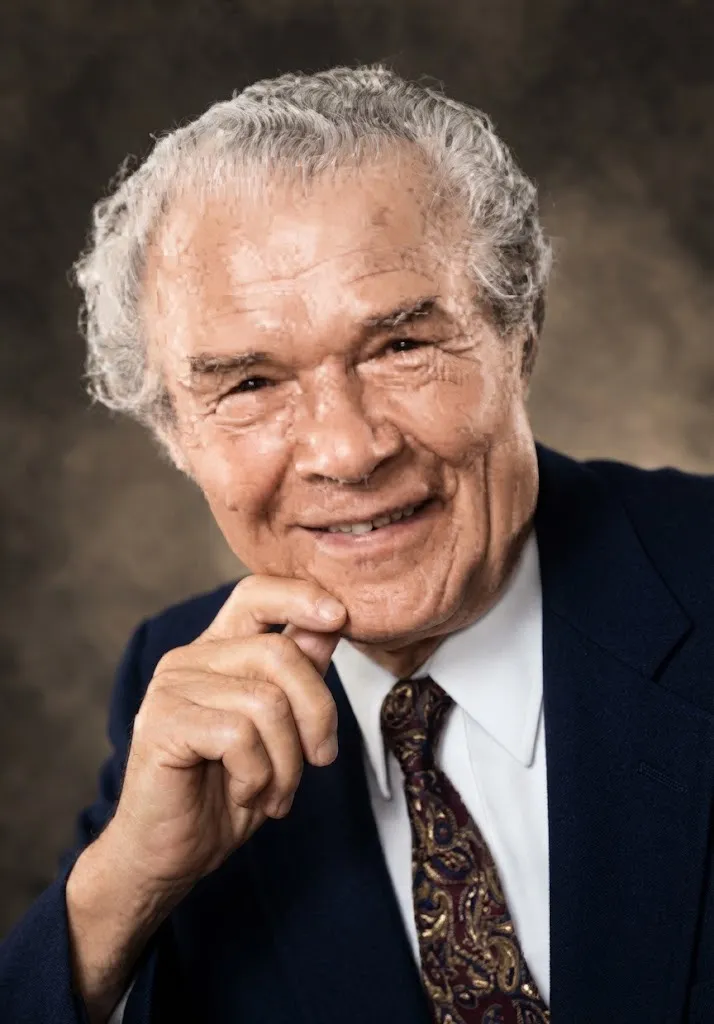
Vasyl Ivchuk
Teacher and Holodomor rescuer
During the Holodomor, a school principal in Dudarkiv found land for a garden and organized hot breakfasts. Vasyl Ivchuk helped about two hundred pupils survive the famine.
Key accomplishments
- Became principal of Dudarkiv School in 1932
- Organized meals and helped save about 200 pupils during the Holodomor
- Hero of Ukraine with the Order of the State (2007, posthumously)
A garden for school breakfasts
What can a school garden offer when food is running out across a village? In Dudarkiv, near Kyiv, it helped put hot breakfasts on the table for pupils. Principal Vasyl Ivchuk arranged to rent land from the collective farm. The school grew vegetables and kept cows on its own small farm. This was one of the ways Ivchuk helped his pupils survive the Holodomor of 1932–1933.
From history teacher to principal
Before he ran a school, Ivchuk studied to become a teacher. He was born in Yablunivka, in what is now Khmelnytskyi Oblast, and attended secondary school in Slavuta. He completed teacher training and went on to teach history. In 1932 he took charge of Dudarkiv’s junior secondary school. Former pupils remembered him as someone who made history lessons interesting.
Another ladle of soup
A single school breakfast could only do so much. Ivchuk arranged for pupils to do work placements on a farm attached to the Darnytsia meatpacking plant. They weeded the vegetable beds after school and received a ladle of soup in return. Between the school meals and this arrangement, about two hundred pupils in Dudarkiv survived the famine.
School after the famine
As the village began to recover, the school started offering free extracurricular clubs. Children could sing in the choir, act in plays or play sports. Ivchuk looked after pupils’ health, too. He arranged for villagers to host bathing days for the children to help prevent the spread of lice.
What the pupils and teachers found
Ivchuk’s story was pieced together at the very school where he had worked. During the Great Terror, the Soviet secret police, the NKVD, arrested him on a fabricated charge. He was executed on 2 October 1938. In 1958 a review of his case cleared his name.
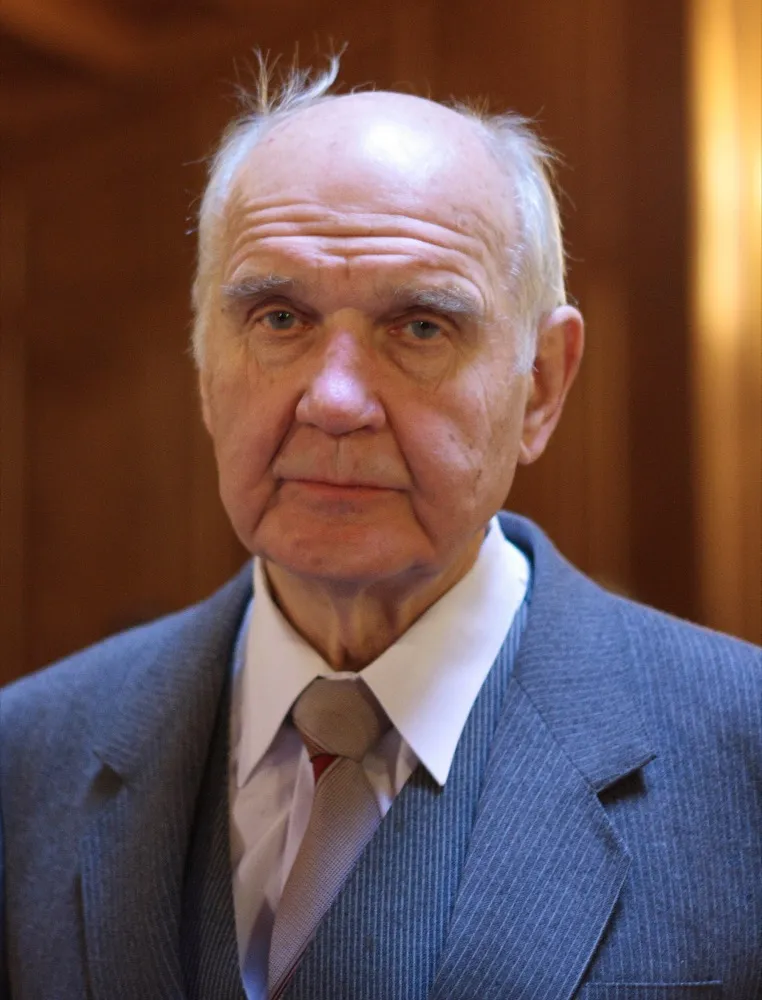
In independent Ukraine, Dudarkiv’s teachers and pupils gathered records of how he saved children. In 2007 he was posthumously named Hero of Ukraine. Two years later, a Holodomor exhibition featured his story. In reporting on the exhibition, Ihor Yukhnovskyi, then director of the Ukrainian Institute of National Memory, spoke about how researchers and local communities were recovering the names of people who had helped others survive.
Why it matters today
Ivchuk showed what a school community can do to protect children when their lives are at risk. It took food, a place to grow it and people willing to make arrangements and share what they had. Working together gave those children the chance to grow up.