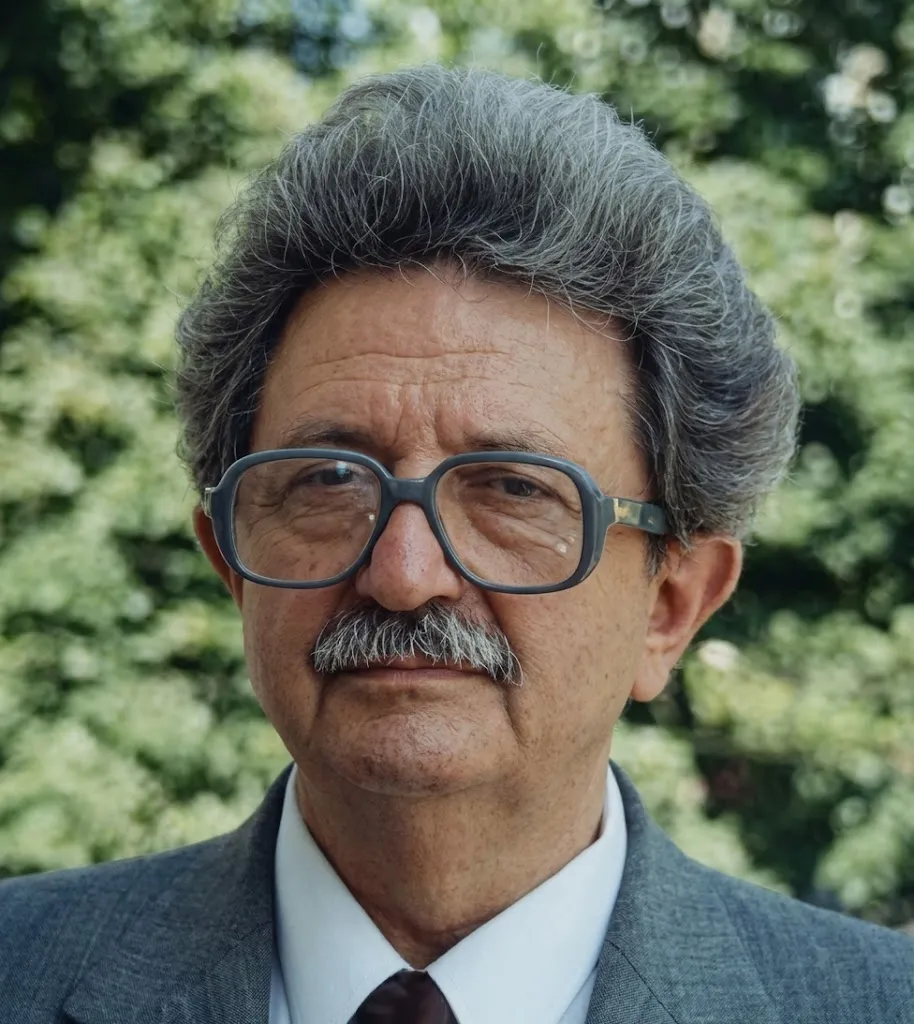
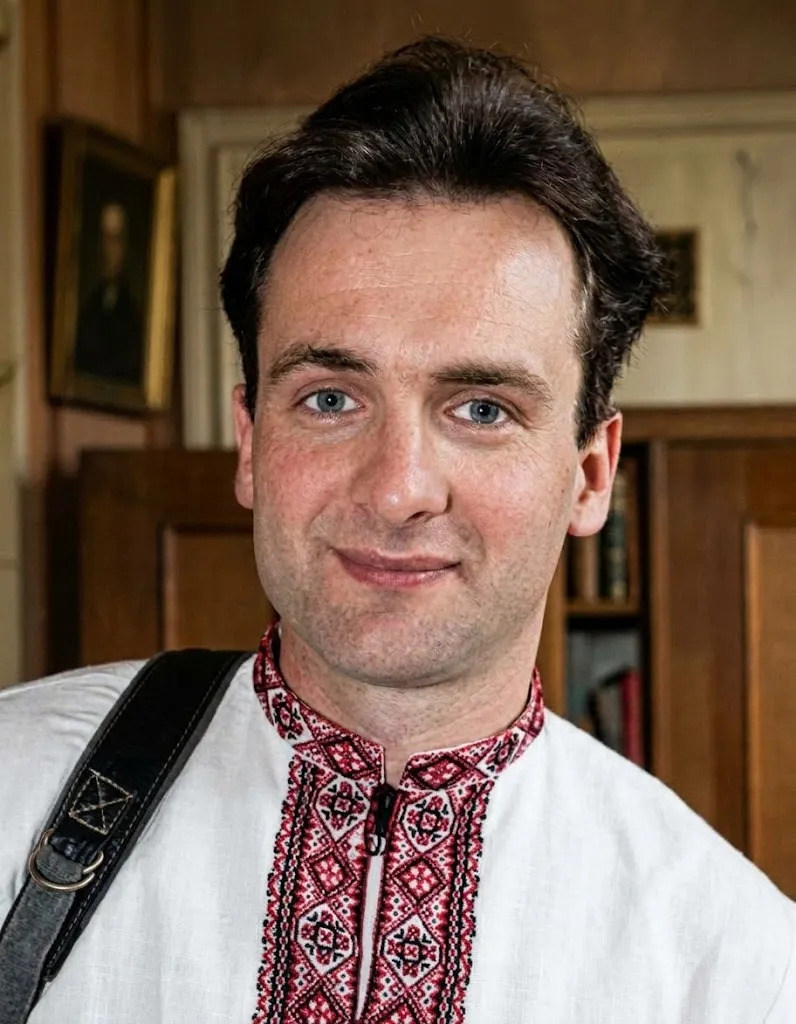
Oles Donii
Leader of the Revolution on Granite
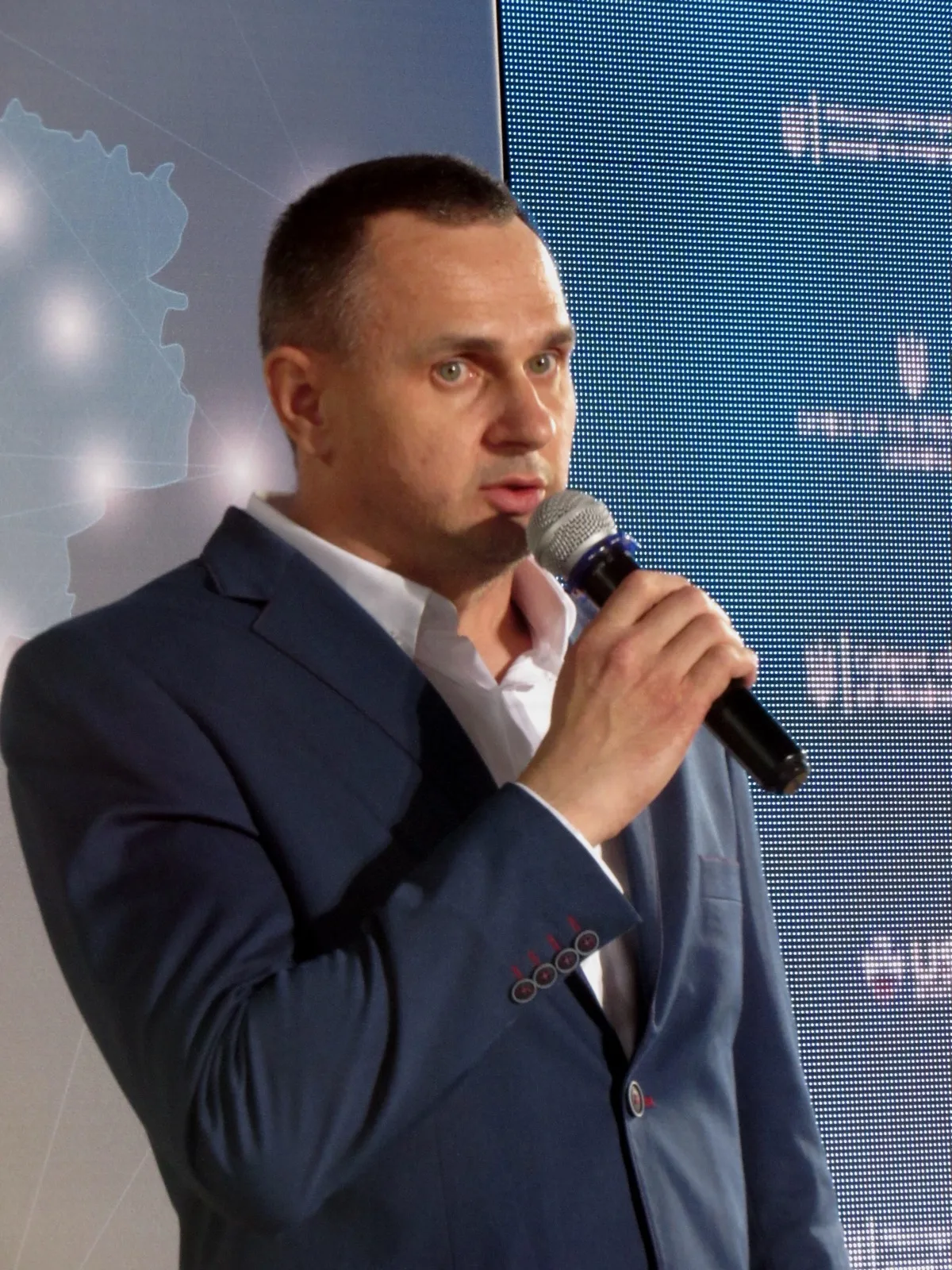
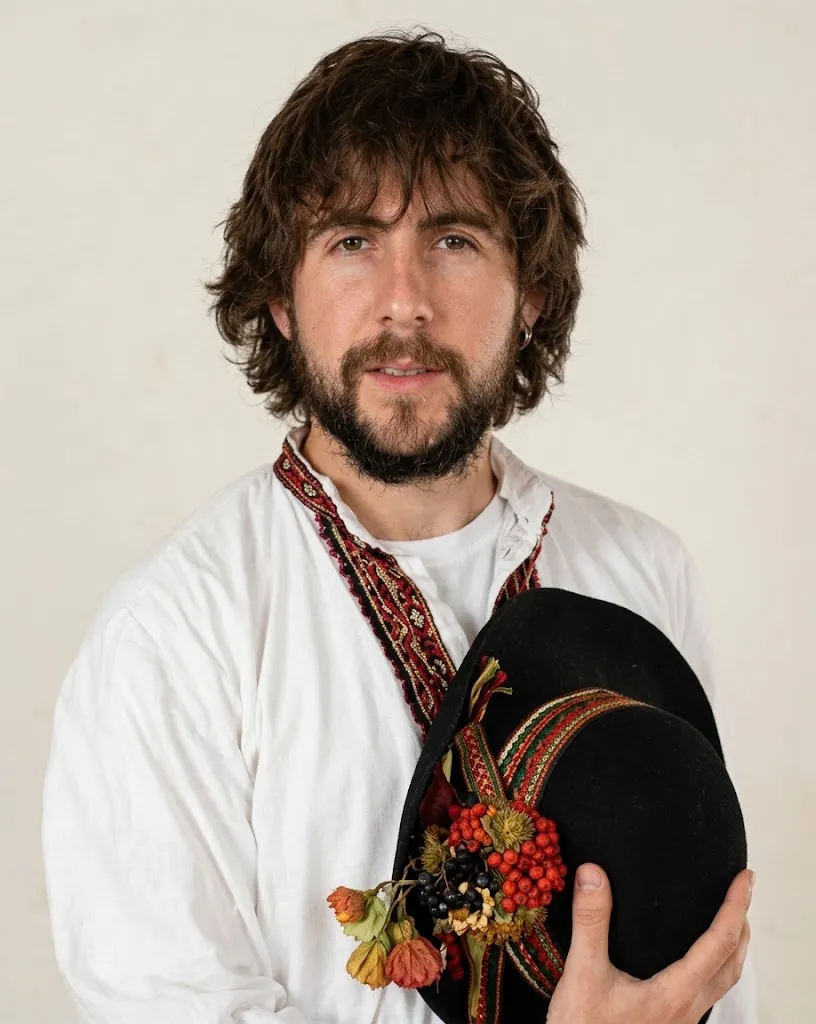
How does a 21-year-old student address the head of a communist parliament? "Mister Leonid". Oles Donii was one of the co-chairs of the 1990 student hunger strike, the Revolution on Granite, which brought down the government of Soviet Ukraine. He later became a political scientist and MP.
Key accomplishments
- One of the co-chairs of the student hunger strike in Kyiv, 2–17 October 1990 (the Revolution on Granite), which led to the resignation of Vitalii Masol's government
- Wrote the strike's first demands; spoke for the students from the rostrum of the Ukrainian SSR's parliament
- Co-chair of the Ukrainian Student Union (1991–1992)
- The book The Student Revolution on Granite (1995)
- Member of Kyiv City Council (1994–1998); member of the Verkhovna Rada, 6th and 7th convocations (2007–2014)
- Founder of the Ostannia Barykada (Last Barricade) art club (2001)
“Mister Leonid”
How do you address the head of a communist parliament when you’re a student on hunger strike in a square? In October 1990 Leonid Kravchuk, chairman of the Supreme Soviet of Soviet Ukraine, came to the tents in central Kyiv. Oles Donii, a 21-year-old history student, called him not “comrade” but “pane Leonide”, Mister Leonid. Donii later recalled that nobody spoke to the Communist Party leaders that way at the time.
A student at Kyiv University
A Kyivan, Oles (Oleksandr) Donii was born in 1969 and studied history at Kyiv University. In the late 1980s he became one of the leaders of the student movement and of the Ukrainian Student Union.
The Revolution on Granite
The union and the Student Brotherhood from Lviv, led by Markiian Ivashchyshyn, pitched their tents on the granite of what was then October Revolution Square, today’s Maidan Nezalezhnosti, on 2 October 1990, starting the Revolution on Granite. Donii was one of the strike’s co-chairs and wrote its first demands himself. The students wanted Prime Minister Vitalii Masol’s government to go, new multi-party elections, no new union treaty with Moscow, the Communist Party’s property nationalised, and conscripts to serve only in Ukraine. Sources give between 137 and 158 hunger strikers. Thousands of Kyivans backed them, as did the former political prisoner Oksana Meshko; members of parliament, among them Mykhailo Horyn, joined the hunger strike, and the writer Oles Honchar left the Communist Party in solidarity. Donii spoke for the students from the rostrum of parliament. On 17 October parliament agreed to Masol’s resignation and other demands, and the strike ended. It was the first successful nonviolent protest against communist rule in Soviet Ukraine, and its tent camp became the model for “Ukraine without Kuchma”, the Orange Revolution and the Revolution of Dignity.
Taking the blame
During the protest students also occupied the Red Building of Kyiv University, and a criminal case was later opened against those involved. Donii wrote a statement saying that he alone had ordered the occupation, and took full responsibility. He was arrested and held in Lukianivka prison, but public pressure got him released.
After the granite
Donii went on to co-chair the Ukrainian Student Union and sat on Kyiv City Council. In 2001 he founded the Ostannia Barykada (Last Barricade) art club, and from 2007 to 2014 he served two terms in the Verkhovna Rada.
Why it matters today
Oles Donii and his fellow students proved that a few hundred young people with tents could peacefully force a powerful regime to give way. On the granite, Ukrainians first learned to defend their freedom without weapons, and that lesson returned to the Maidan more than once. And “Mister” instead of “comrade” was a reminder that those in power should speak to citizens as equals. Anyone who joins a peaceful protest for their rights today is carrying on what those students began in 1990.