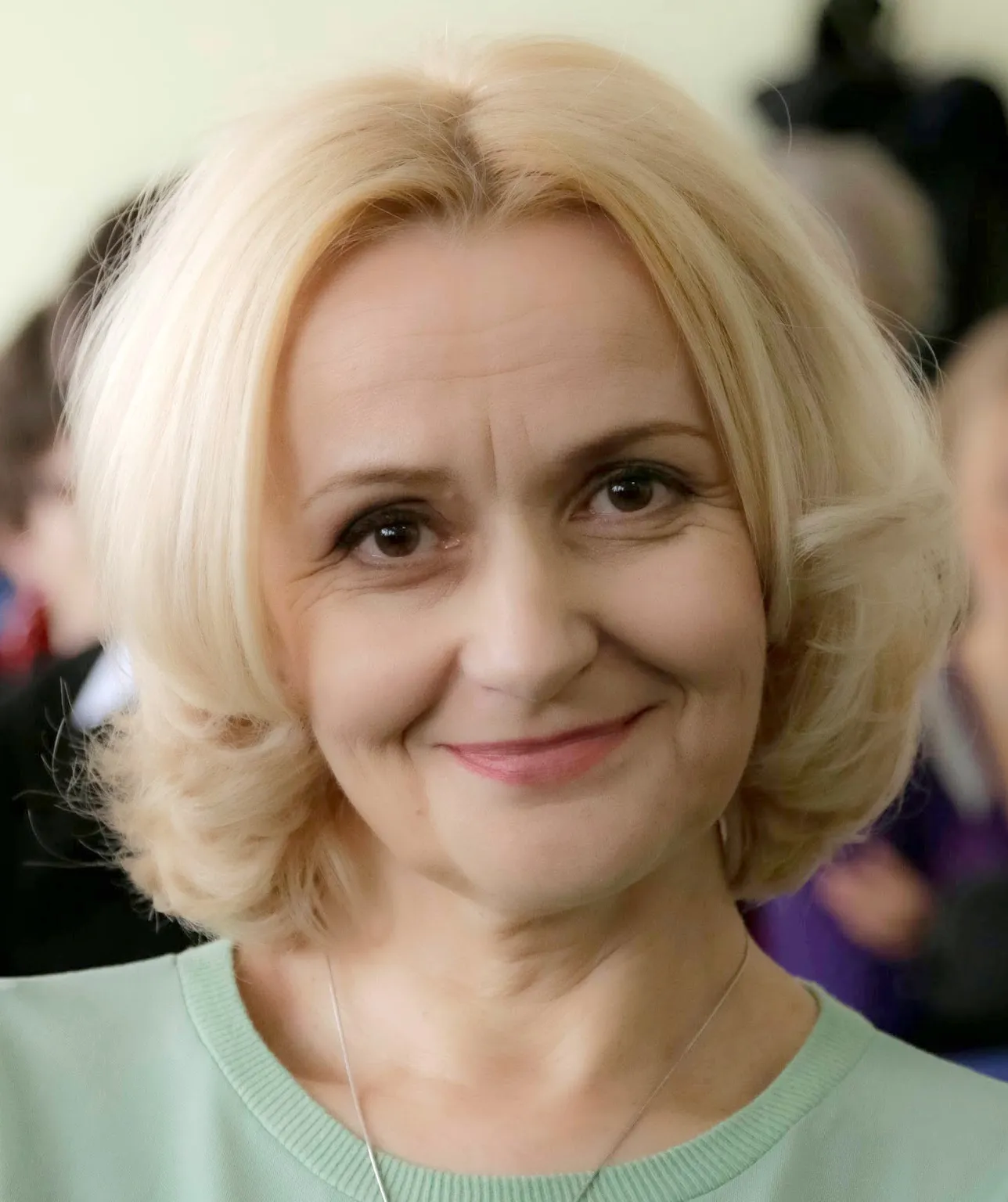
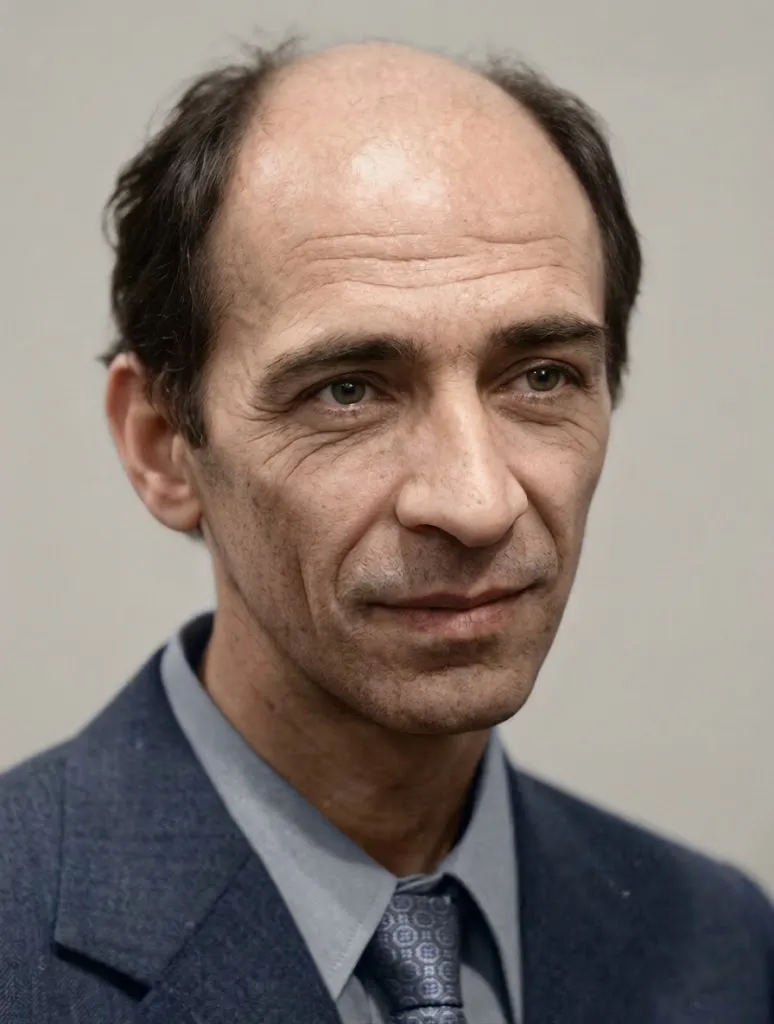
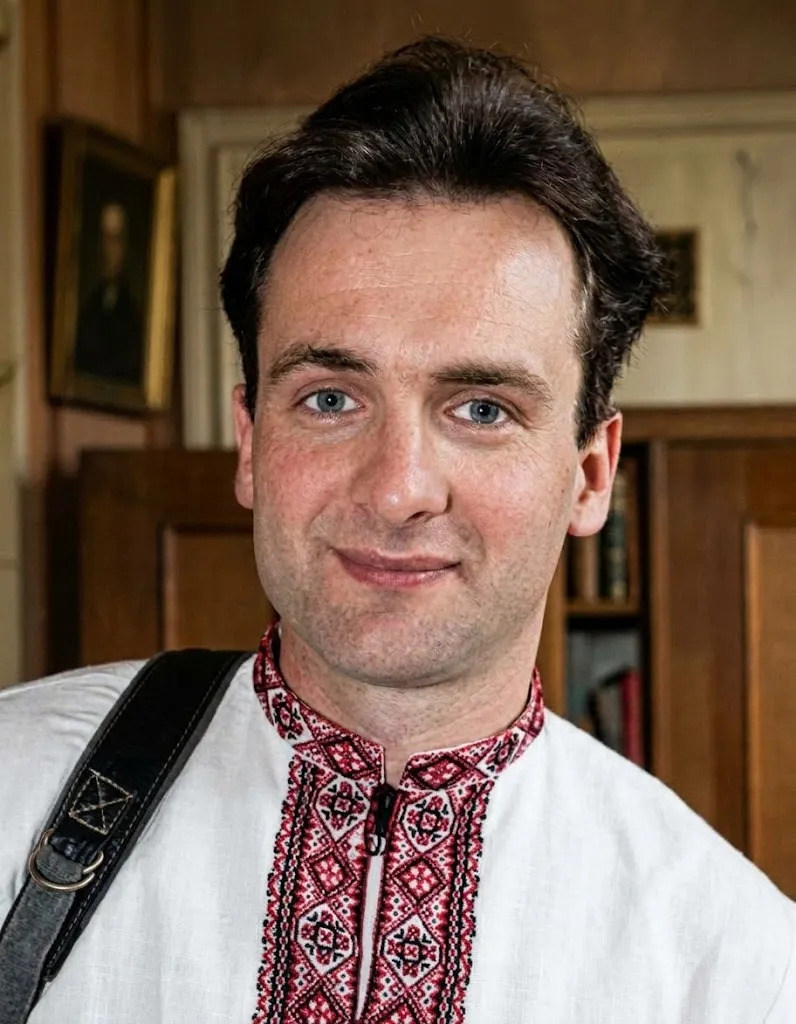
Olha Heiko-Matusevych
Human rights defender, twice imprisoned
“Someone has to fight for the boys,” Olha Heiko answered when she was urged not to join the Ukrainian Helsinki Group. A young philologist from Kyiv, she took the place of its arrested founders, served two terms in a row in Soviet camps and never gave up her beliefs.
Key accomplishments
- A member of the Ukrainian Helsinki Group from 1977
- A campaign for the group’s jailed members: complaints, appeals to Amnesty International, meetings with Western journalists
- An open letter from the camp to the Lithuanian poet Eduardas Mieželaitis, widely publicized in the West
- A co-founder and the secretary of the Ukrainian Culturological Club (1987)
“An oppositionist for life”
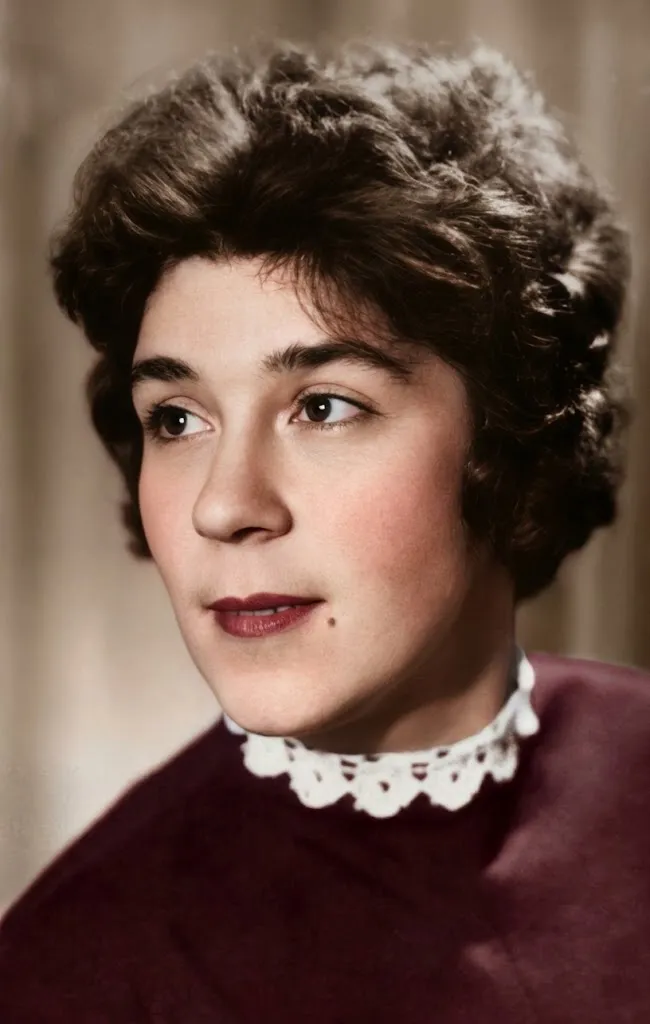
“I am an oppositionist for life,” Olha Heiko says of herself. She could have had a career instead: her mother was a deputy minister of education of Soviet Ukraine, and at school Olha led the Komsomol, the Communist youth league. She was born in Kyiv on 9 September 1953, taught herself Polish, and in 1976 graduated in Slavic philology from Kyiv University. That same year she married the historian Mykola Matusevych.
“Someone has to fight for the boys”
After the arrests of Mykola Rudenko and Oleksa Tykhyi, in April 1977 the KGB came for Matusevych and his friend Myroslav Marynovych, founders of the Ukrainian Helsinki Group, which demanded that the USSR respect human rights. In protest Olha quit the Komsomol, and on 13 May 1977 she announced that she was joining the group. Mykhailyna Kotsiubynska tried to talk her out of it: “You do understand you’re signing your own arrest warrant?” Olha replied: “Someone has to fight for the boys, someone has to stand up for them.” She wrote complaints to the prosecutors and the KGB, appealed to Amnesty International, travelled to Moscow to see General Petro Hryhorenko, and told Western journalists about the trials of Ukrainians.
Documents for Brezhnev
Olha set out to break the ban on leaving: at the end of 1978 her husband asked her to emigrate from the USSR, and since Ukrainians were not being let out then, she wanted to set a precedent. When she was refused, she sent the Soviet leader Leonid Brezhnev a demand to let her emigrate, together with her university diploma and her military card. Ordered to take the documents back, she answered: “I sent them to Brezhnev, so let Brezhnev answer me.” More than once she renounced her Soviet citizenship. In 1979 she was attacked in the street by “unknown persons”, and on 12 March 1980 she was arrested for “slandering the Soviet system”.
Two terms in a row
Olha refused to recognize the court or to plead guilty. She served three years in a women’s camp in Odesa. On 12 March 1983, the day of her release, she was detained right at the gate and told to renounce her beliefs. She refused, and in October 1983 she got another three years in the camps, this time for “anti-Soviet agitation”; Amnesty International again named her a prisoner of conscience. In the women’s political camp in Mordovia she joined the prisoners’ protests and was sent to the punishment cell again and again. From there Olha wrote an open letter to the Lithuanian poet Eduardas Mieželaitis, who had spoken up for an American Indian jailed in the United States: Lithuanians and Ukrainians in a Soviet camp had it far worse. The letter was widely publicized in the West and in Lithuania.
A club in her flat
Olha came back to Kyiv in the spring of 1986. For a year she was refused a residence permit and turned down for jobs, so she pasted up posters. Then in August 1987 former political prisoners and friends met in her flat and founded the Ukrainian Culturological Club, one of the first independent civic organizations in Kyiv. Olha became its secretary. Yevhen Sverstiuk spoke at the first debate from which the club grew, and soon hundreds of people came to its meetings to talk about the “blank spots” of history, the Holodomor among them. From 1990 Olha edited the magazine Church and Life, and later she monitored television and radio. As of 2024 she lived in Kyiv, and her advice to the next generations was: “Stay yourselves and act according to your conscience.”
Why it matters today
When the founders of the Ukrainian Helsinki Group were being jailed one after another, Olha Heiko stepped into their place, knowing she was signing her own arrest warrant. She showed that the human rights movement rested not only on famous names but on those who would not let the prisoners’ voices fall silent. Two terms in a row could not make her renounce her beliefs, and as soon as freedom was in the air she was gathering people again to speak the truth out loud. Anyone who stands up today for those persecuted for the truth carries on her work.