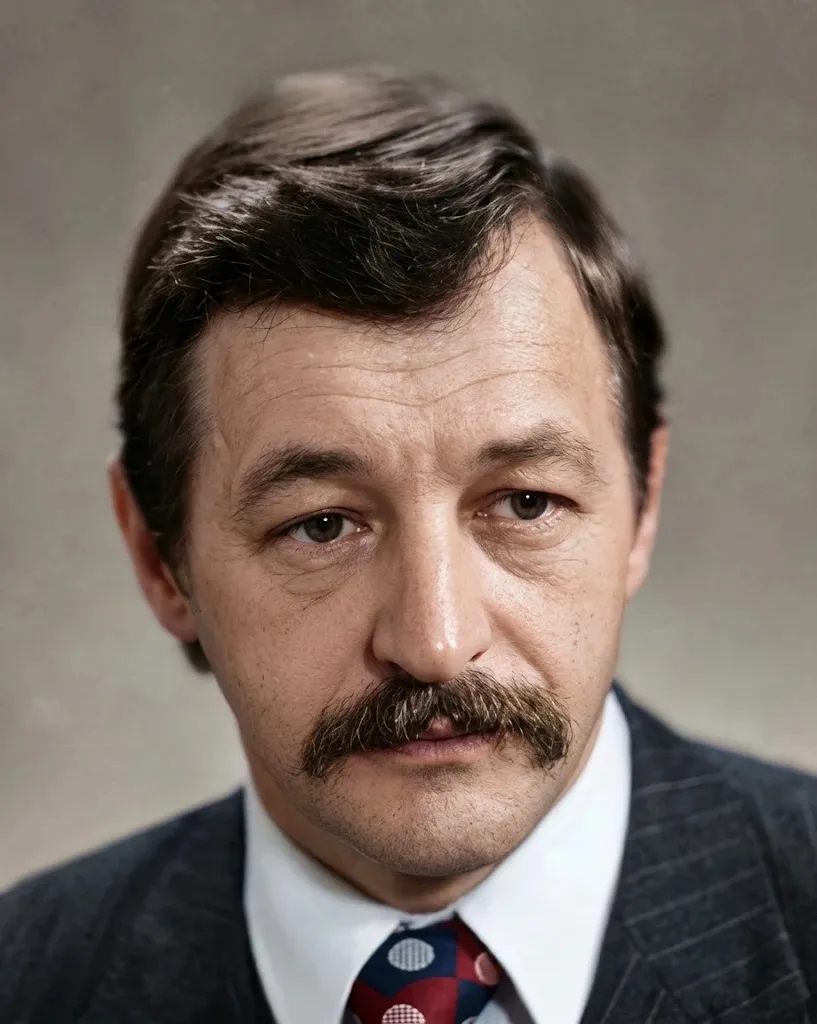
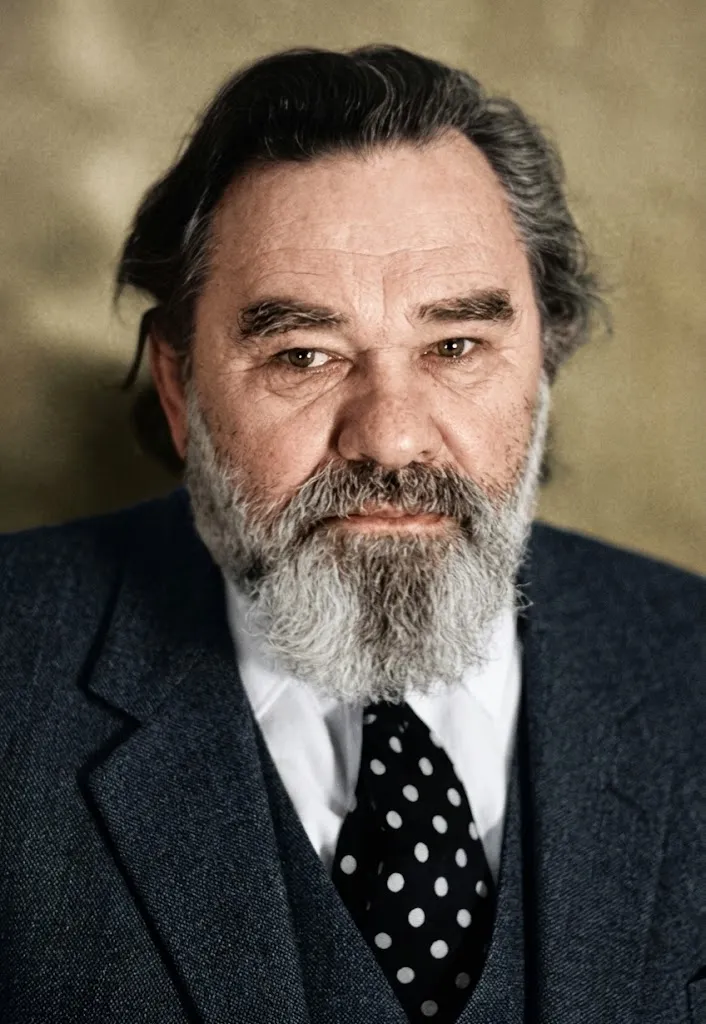
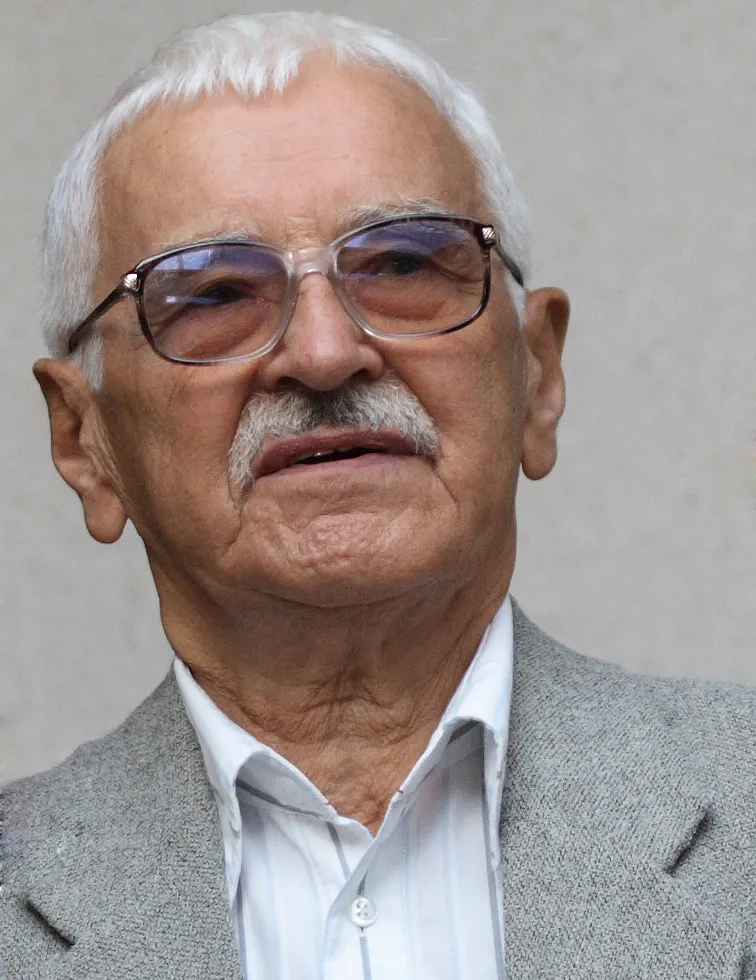
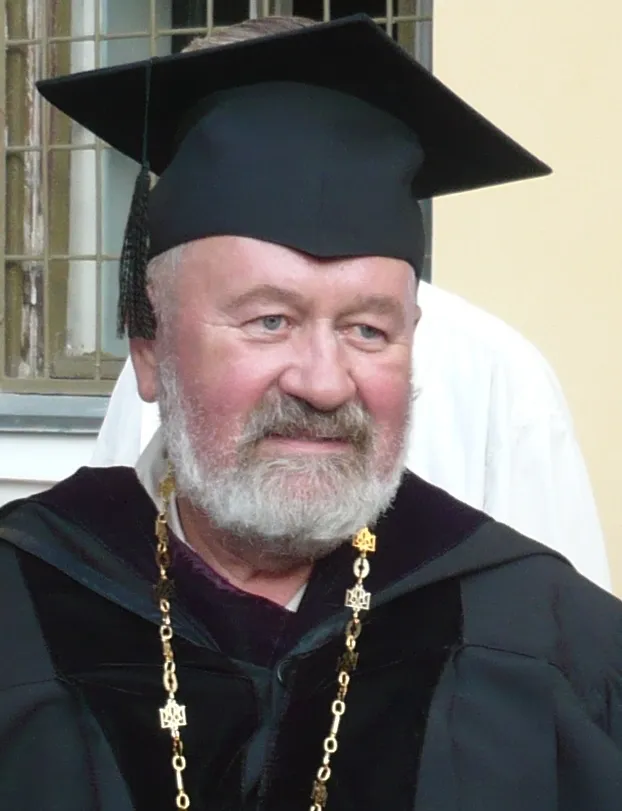
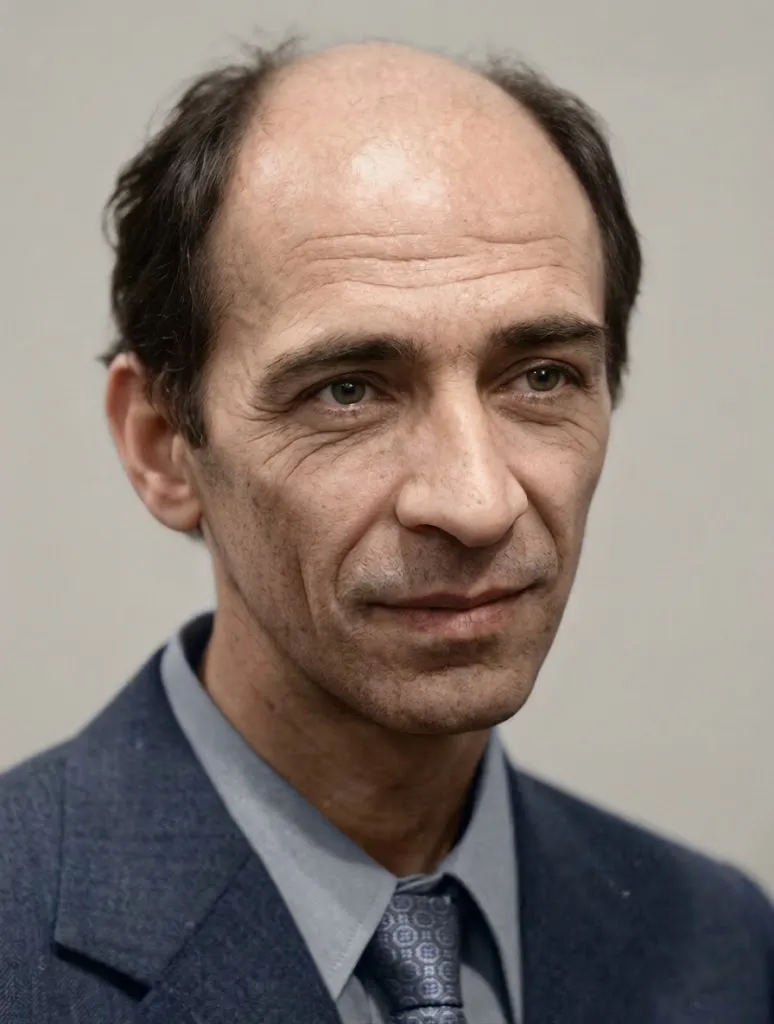
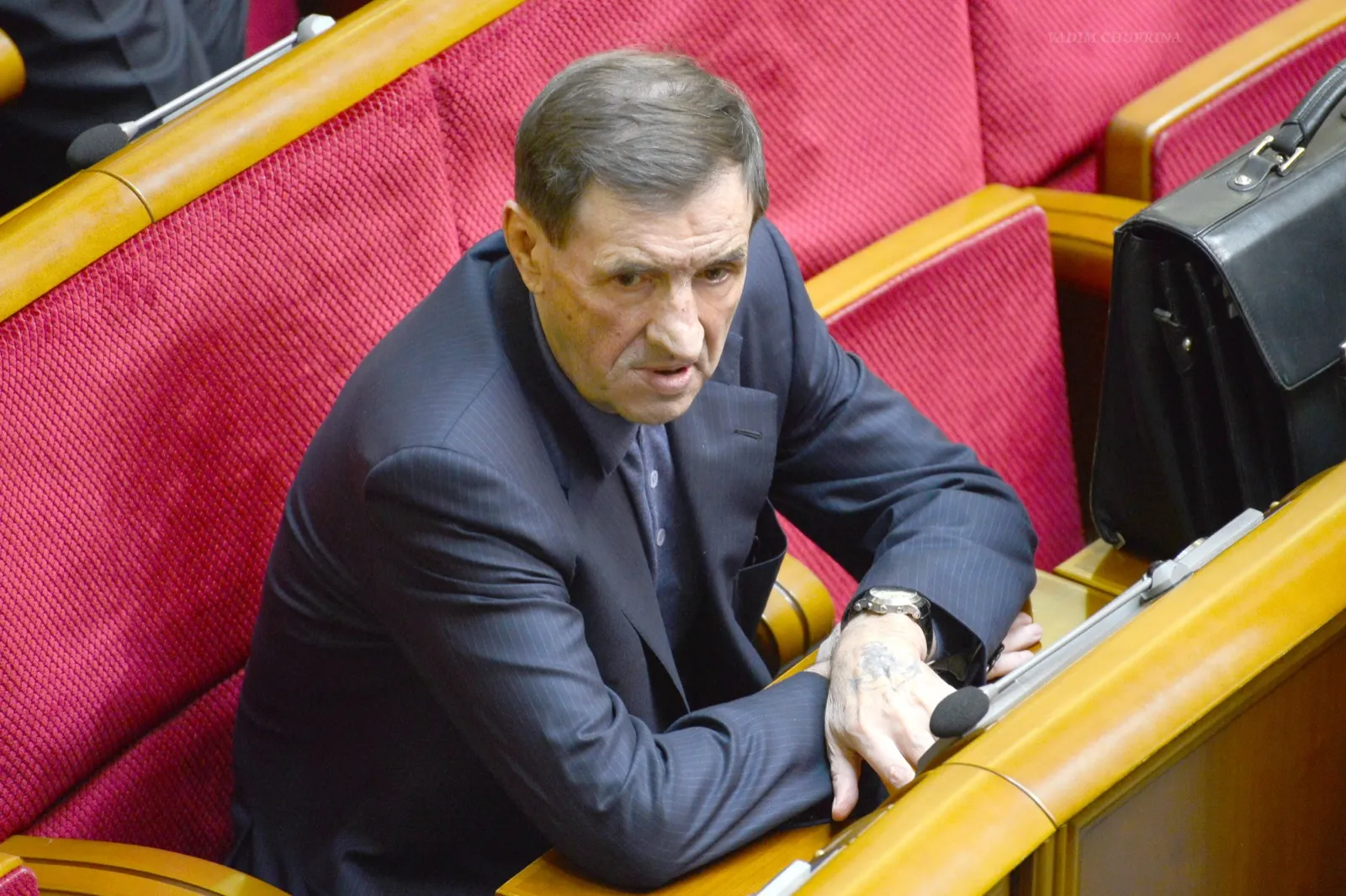
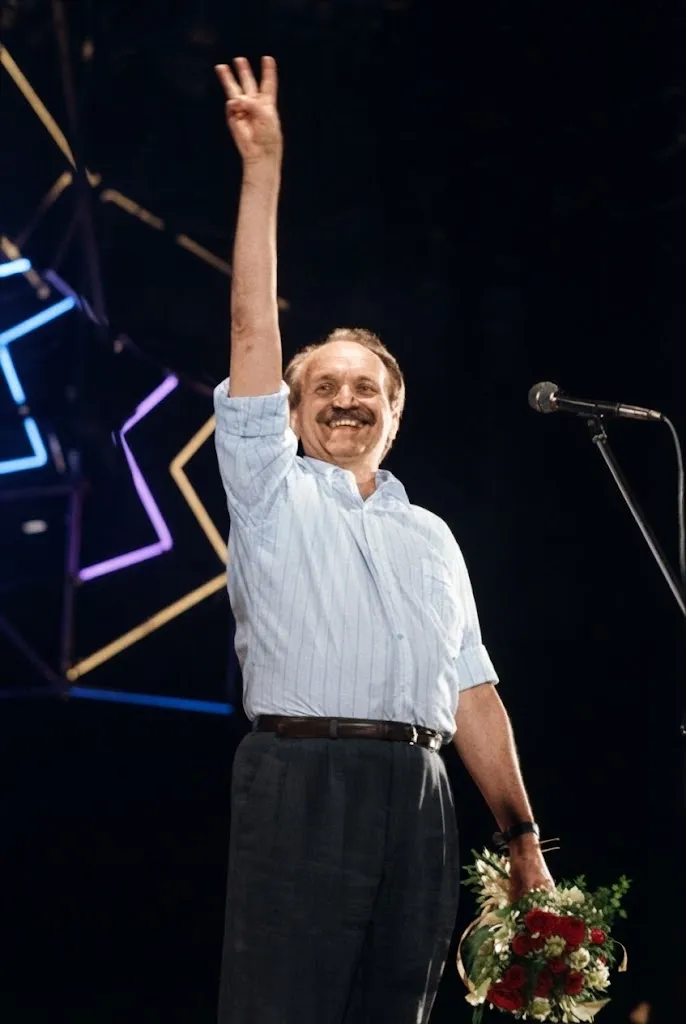
Myroslav Marynovych
Human rights defender and essayist
What did a prisoner promise himself on his way to the camp? “Not to grow bitter.” Myroslav Marynovych, the youngest founder of the Ukrainian Helsinki Group, came through ten years of captivity and went on to found the first Amnesty International group in the USSR.
Key accomplishments
- A founding member of the Ukrainian Helsinki Group (1976) and co-author of its documents
- Founder of the first Amnesty International group in the USSR (1991); chair of Amnesty International’s Ukrainian association (1993–1998)
- Director of the Institute of Religion and Society (from 1997), later vice-rector of the Ukrainian Catholic University; adviser to the rector as of October 2026
- President of PEN Ukraine (2010–2014)
- Books: the memoir The Universe behind Barbed Wire (2016; in English 2021) and a study of Metropolitan Andrei Sheptytskyi and the “positive sum” principle (2019)
- Order for Courage, 1st class (2006), Order of Freedom (2008), Order of Prince Yaroslav the Wise, 5th class (2017)
One goal for twelve years
After his trial, a prosecutor came to see Myroslav Marynovych and asked what goal he had set himself for the camp. “Not to grow bitter,” the prisoner answered. Ahead of him lay seven years in the camps and five in exile, and he kept to that goal through all of them. Marynovych was born on 4 January 1949 in the village of Komarovychi in the Lviv region and finished school in Drohobych.
The engineer the KGB couldn’t recruit
As a student at the Lviv Polytechnic Institute, Marynovych criticized the Soviet regime, and the KGB took an interest in him. They pressed him to inform on his classmates; he refused. For that he was thrown out of the military training department and had to serve in the army after graduating. In 1973 the police detained and searched him for laying flowers at a monument to Shevchenko. After the army he moved to Kyiv and worked as a technical editor, but he kept being fired on the KGB’s instructions.
The youngest of ten
At 27, in November 1976, Marynovych and his friend Mykola Matusevych became founding members of the Ukrainian Helsinki Group, which demanded that the USSR respect human rights. He was the youngest of its ten founders and helped write the group’s documents. In March 1977, at a Shevchenko memorial evening in the Kyiv Philharmonic, Marynovych and Matusevych unexpectedly walked onto the stage and began singing Shevchenko’s “Testament”. And the hall sang along with them.
The camp that didn’t break him
Marynovych was arrested on 23 April 1977, just back from Tarusa, where he had visited Nina Strokata. He refused to testify at the trial of Mykola Rudenko and Oleksa Tykhyi. In March 1978 he was sentenced for “anti-Soviet agitation”. Oksana Meshko, Petro Hryhorenko and others spoke up for him, and Amnesty International adopted him as a prisoner of conscience.
In a camp in the Perm region, Marynovych joined the political prisoners’ protests and went on hunger strikes, one of them lasting 18 days. Over his term he spent about 150 days in the punishment cell. There, too, he wrote “The Gospel According to the Holy Fool”. Yevhen Sverstiuk taught him to test his faith against the Gospel. From 1984 he served his exile in Kazakhstan, working as a carpenter, and in March 1987 he was released.
A voice for human rights
Free again, Marynovych kept up the fight for human rights: in 1991 he founded the first Amnesty International group in the USSR, and later chaired its Ukrainian association. Since 1997 he has worked in Lviv: he took charge of the Institute of Religion and Society and later became a vice-rector of the Ukrainian Catholic University. As of October 2026 he is an adviser to its rector. From 2010 to 2014 Marynovych was president of PEN Ukraine. He wrote a memoir, The Universe behind Barbed Wire, and a book about Metropolitan Andrei Sheptytskyi.
Why it matters today
Myroslav Marynovych was one of the few who spoke up openly for human rights in Soviet Ukraine, when that meant years of captivity. The camp did not break him or make him bitter: he kept the promise he had made himself on the way there. Afterwards he passed that on, helping to defend prisoners of conscience and to build a university in Lviv. He belongs to the line of Ukrainians who fought for freedom with words, not force. Anyone who stands up for the truth without letting an enemy fill them with hatred follows his path.