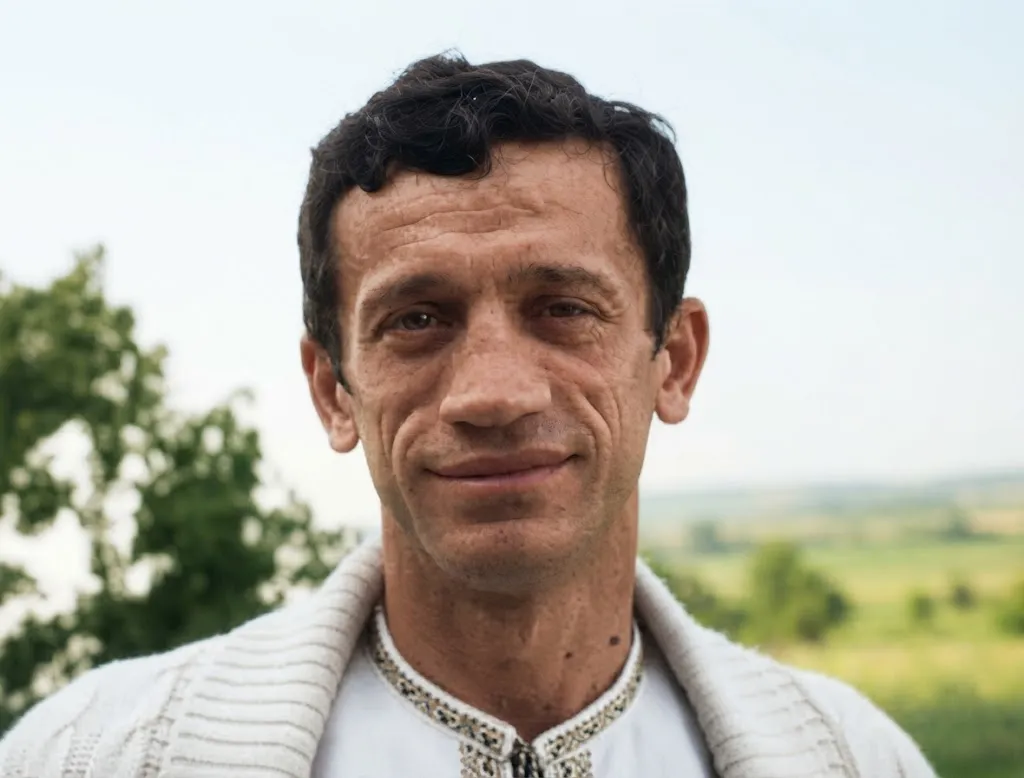
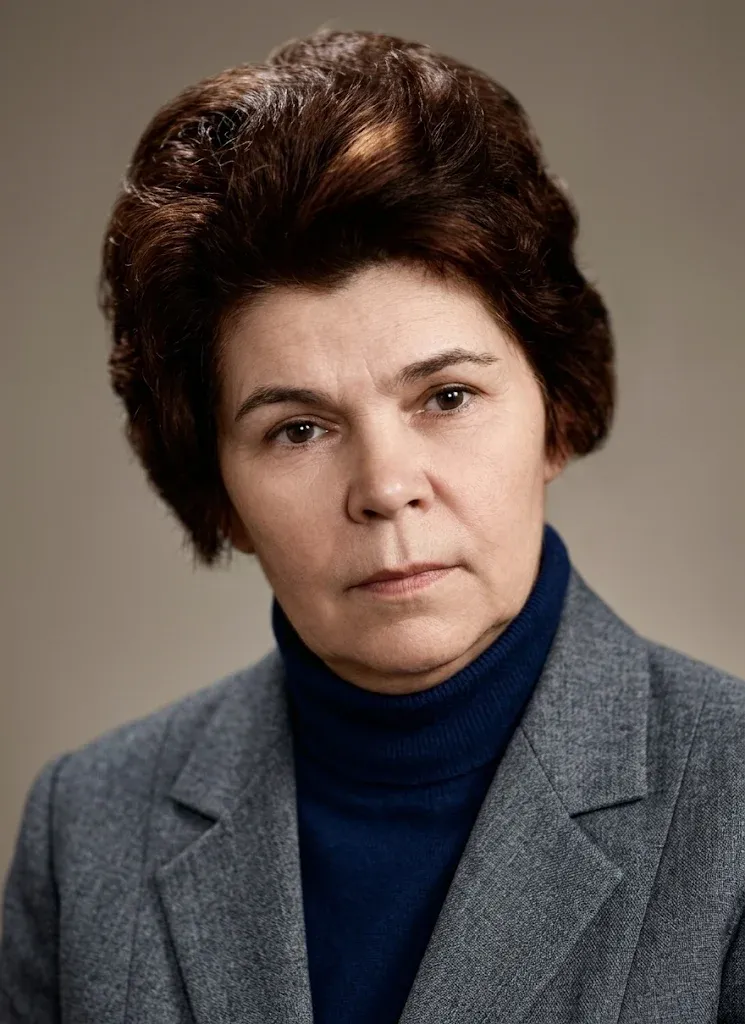
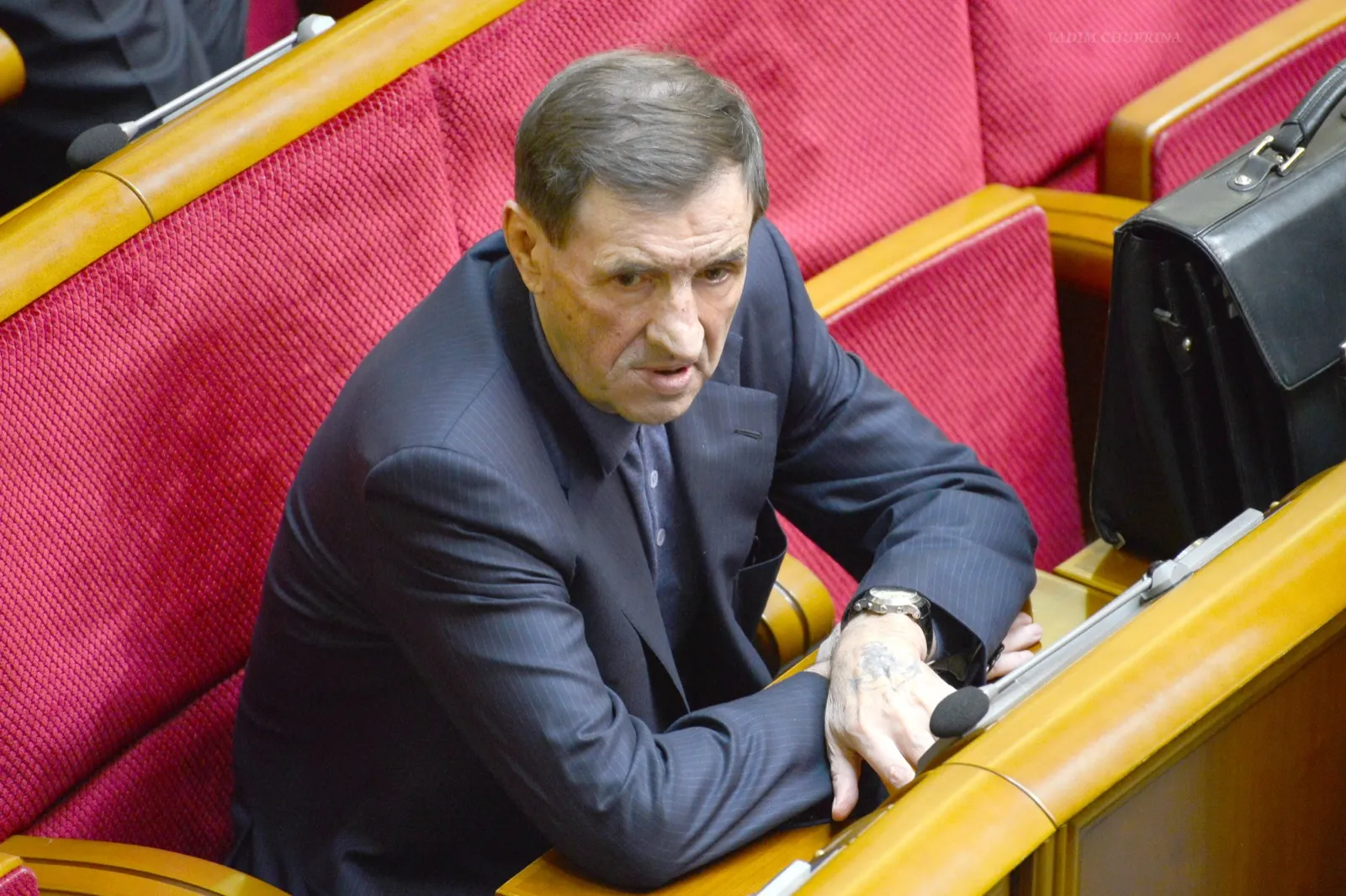
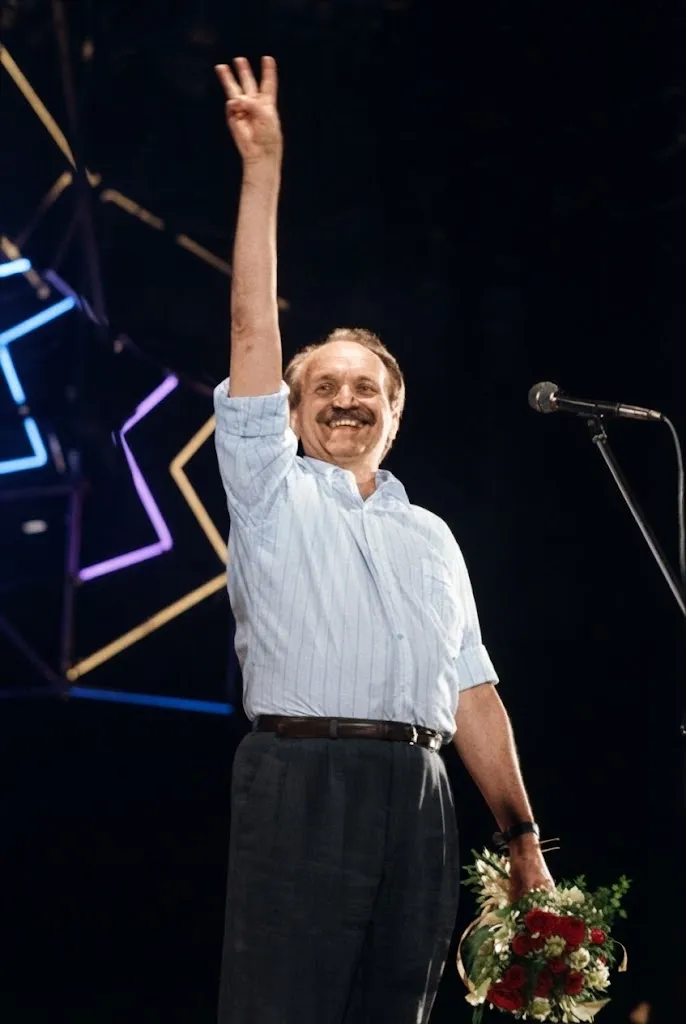
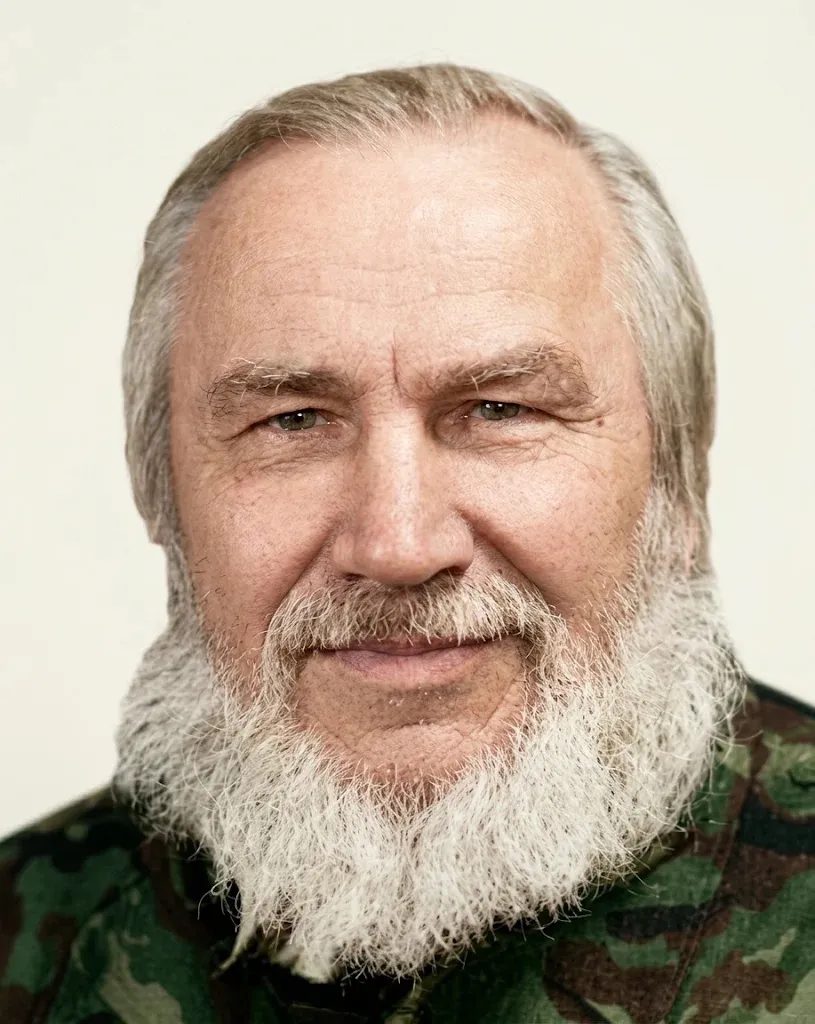
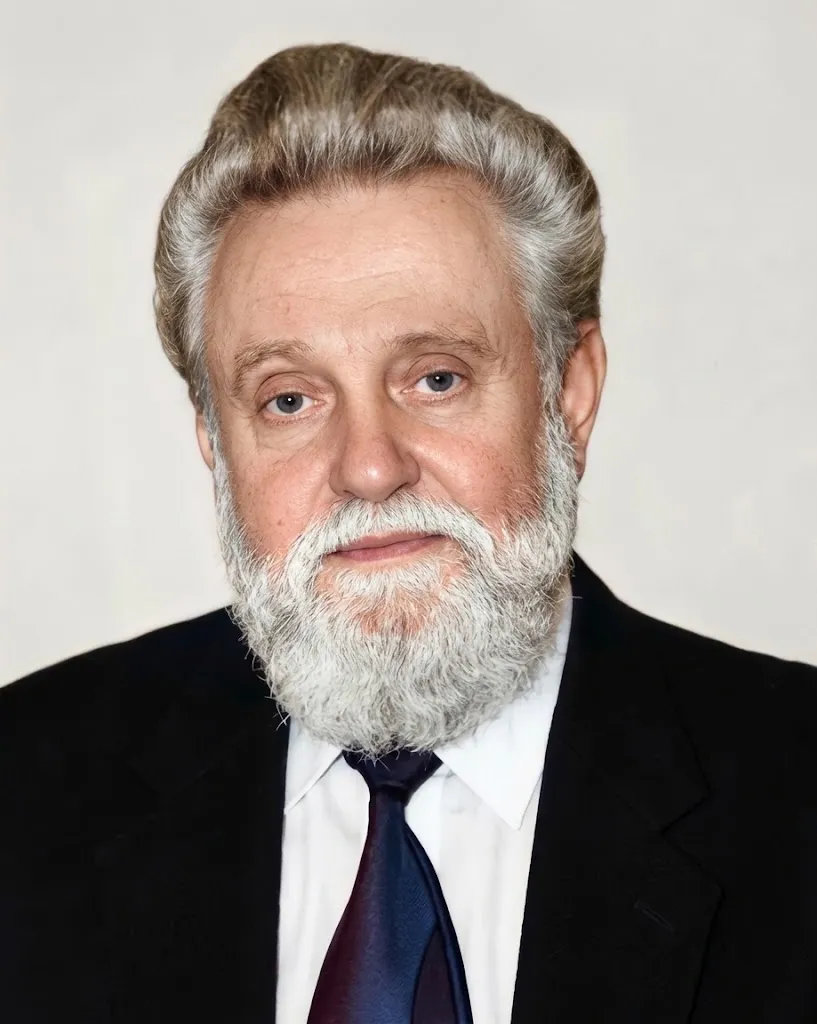
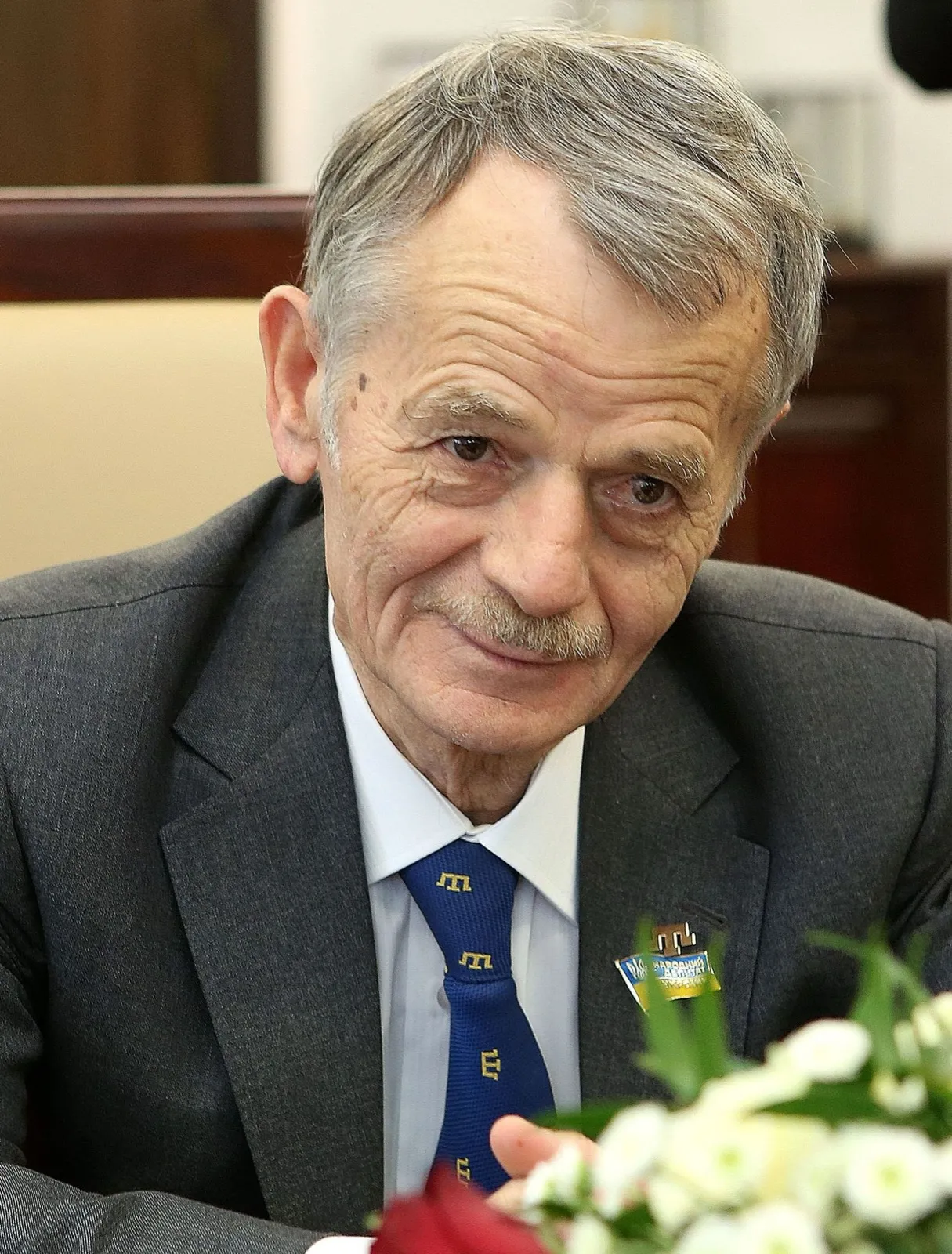
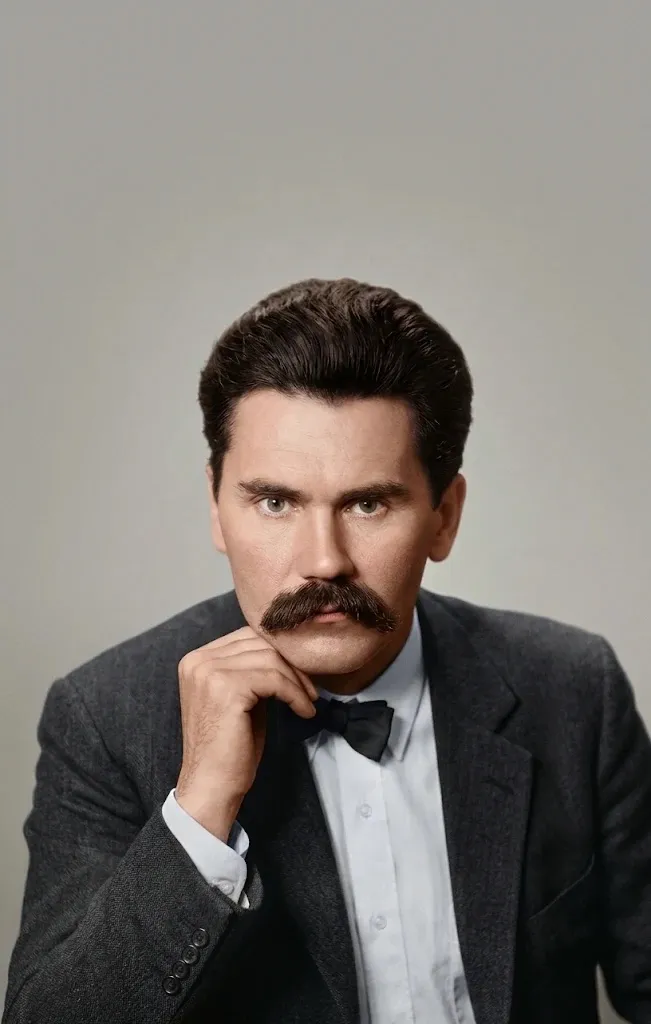
Mykola Horbal
Poet, musician, human rights defender
He was tried for an invented crime, and in his final statement he declared himself a member of the Ukrainian Helsinki Group. Poet and music teacher Mykola Horbal spent 16 years in Soviet captivity, then became a member of parliament in independent Ukraine.
Key accomplishments
- Member of the Ukrainian Helsinki Group from 1977; declared it publicly at his trial in 1980
- The collections A Kolomyika for Andriiko (1981) and Details of an Hourglass (1983), and the memoir One of the Sixty (2001)
- Secretary of the executive committee of the Ukrainian Helsinki Union (from 1988)
- Member of the Kyiv City Council (1990–1994) and People’s Deputy of Ukraine (1994–1998)
- Founder of the Bohdan Gallery charitable foundation (1999)
- Honorary member of PEN Canada (1986), Vasyl Stus Prize (1992), Order of Merit, 3rd class (2005), and Order for Courage, 1st class
The final statement the KGB didn’t expect
“Today I officially declare myself a member of the Ukrainian Helsinki Human Rights Group.” Mykola Horbal said this in his final statement at his trial, though he was being tried not for his views but for an invented crime. The poet and musician turned a sentence in a fabricated case into an open statement of what he stood for.
A music teacher and a poem called “Duma”
Mykola Horbal was born on 10 September 1940 in the village of Volovets in the Lemko region, now in Poland. In 1945 his family, like thousands of other Lemkos, was forcibly moved to Soviet Ukraine and eventually settled in the Ternopil region. Horbal trained in music at a teachers’ college in Chortkiv, taught in Borshchiv and set up children’s and teachers’ ensembles there. He wrote songs and poems. He was arrested in 1970, and the main evidence was his poem “Duma”, which portrayed the USSR as a totalitarian state and Ukraine as its colony. The sentence: five years in the camps and two years of exile.
News in tiny capsules
The camp did not silence him. Horbal joined the political prisoners’ hunger strikes, and in 1974 he renounced his Soviet citizenship. He wrote about camp life and the prisoners’ hopes for a free Ukraine on tiny scraps of paper, rolled them into capsules and smuggled them out. Radio Liberty and the Voice of America read these messages on the air.
Walking into the fire on purpose
Horbal served his exile in Parabel, a settlement in Siberia’s Tomsk region, where he worked as a stoker. He was freed in 1977, just as arrests were tearing the Ukrainian Helsinki Group apart, and he went to Kyiv on purpose to join it. He worked as a plumber and a lift mechanic, helped the families of political prisoners and passed news of the repressions to the West.
An invented case and a true word
The KGB made the case up: in October 1979 Horbal was arrested on a fabricated criminal charge. Oksana Meshko and Nina Strokata signed a document on behalf of the group stating that cases against human rights defenders were being fabricated, Horbal’s among them. Vasyl Stus and Valerii Marchenko spoke up in his defence. In 1980 the court gave him five years in the camps, and that was when he declared himself a member of the group. He served the term at a granite quarry in the Mykolaiv region.
Arrested a day before freedom
A day before his release, in October 1984, Horbal was handed a new arrest warrant, this time over 45 poems seized from him back in 1979. He was labelled a “particularly dangerous repeat offender” and sentenced to eight years in the camps and three years of exile. In September 1985 he was brought to the special-regime camp in the Ural village of Kuchino, a few weeks after Stus had died there. Meanwhile his books were coming out abroad: in 1983 a collection of his poems and songs, Details of an Hourglass, was published, compiled by Nadiia Svitlychna.
From the camp to parliament
Horbal was released in August 1988, one of the last members of the group to be freed; in all he had spent 16 years in captivity. By September he was secretary of the Ukrainian Helsinki Union’s executive committee, in 1990 he was elected to the Kyiv City Council, and in 1994 he became a People’s Deputy of Ukraine. He was in parliament when the Constitution of Ukraine was adopted in 1996. In 1999 Horbal founded the Bohdan Gallery charitable foundation, named after his brother, an artist, to support non-traditional art. In September 2025, on his 85th birthday, he presented two new books.
Why it matters today
Mykola Horbal could have served out his exile quietly and moved on; instead he chose to join a group that was being crushed at that very moment. The authorities wanted to brand him a criminal, but in court he named himself a human rights defender, and that truth could no longer be hidden. His poems and camp notes got past the barbed wire and reached the world. People who would not keep quiet, like him, built the movement that helped Ukraine win its independence, and Horbal then helped build its state himself. Anyone who tells the truth when it is punished carries on his work.