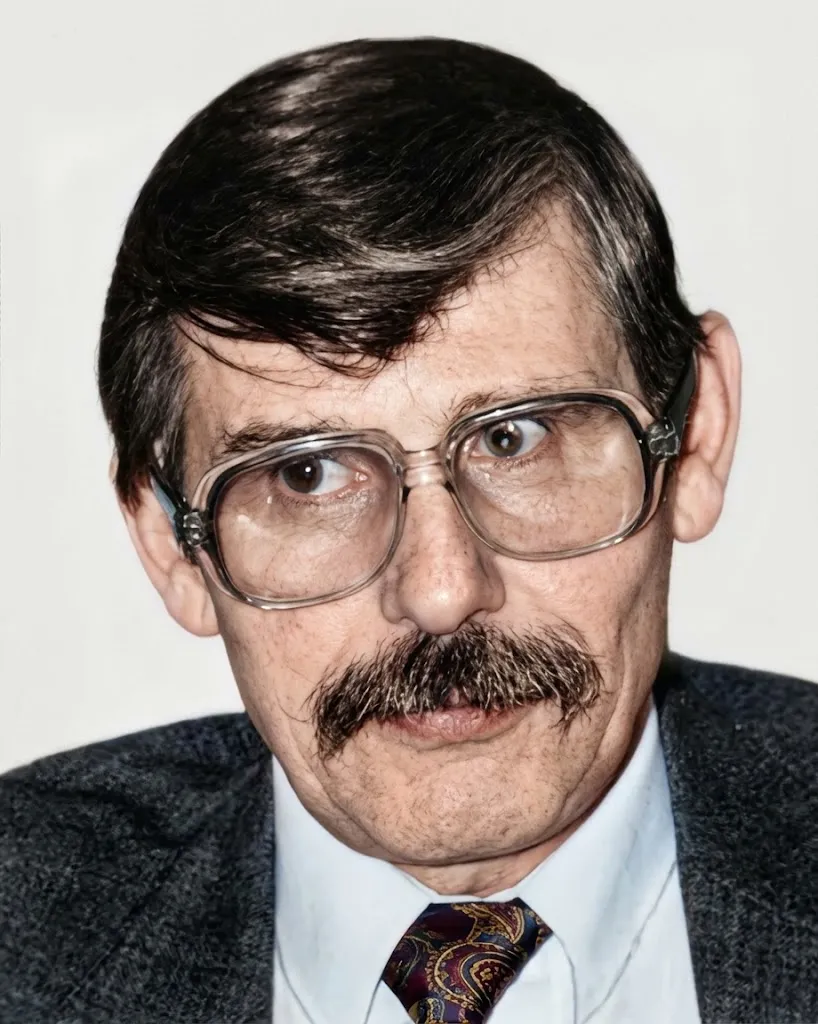
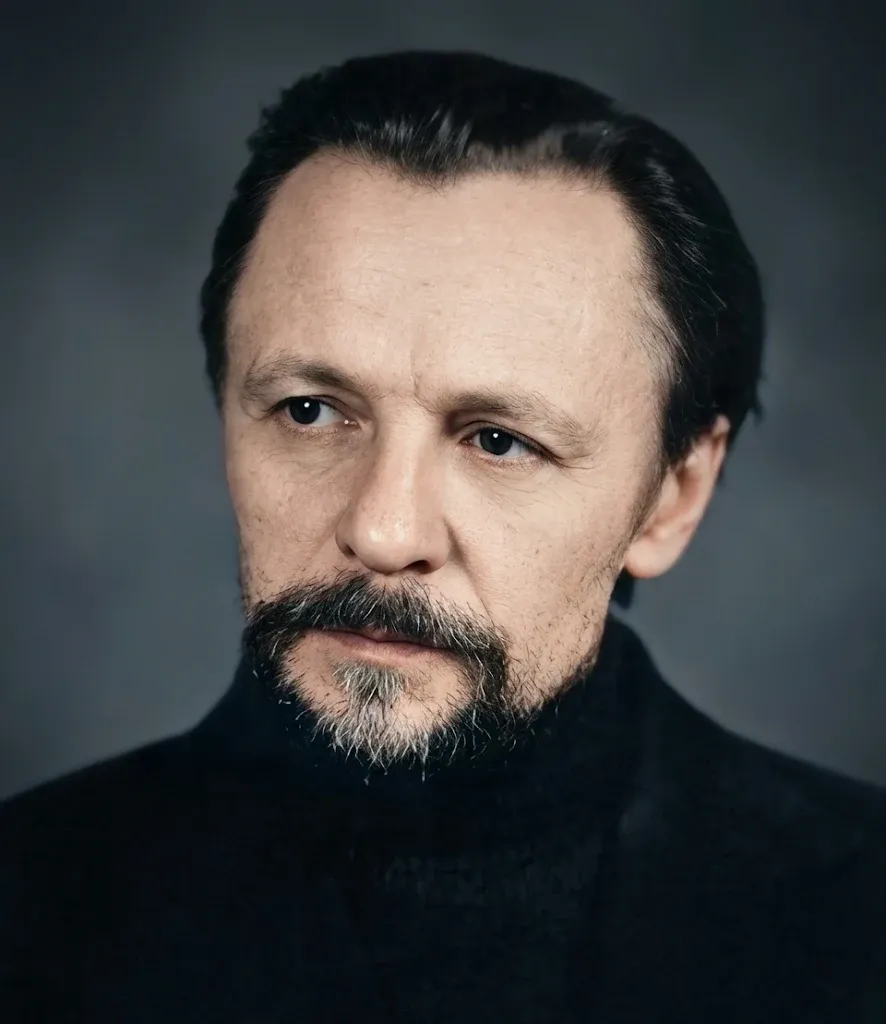
Anatolii Lupynis
Poet, ex-prisoner, UNA co-founder
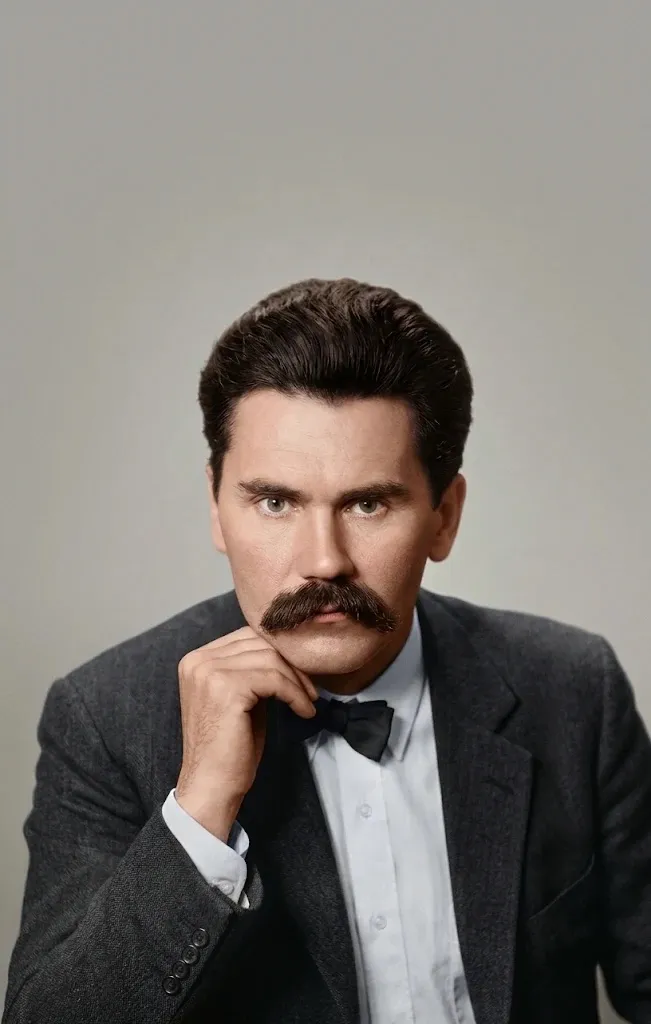
He was carried home from prison on a stretcher, and three years later he was walking without crutches and reading poems about Ukraine again. Anatolii Lupynis from the Donetsk region led a camp strike, came through 12 years in psychiatric hospitals for one poem, and helped found Rukh and UNA-UNSO.
Key accomplishments
- As a student at Kyiv University wrote poems and leaflets against the Soviet regime; arrested in October 1956
- Head of a strike committee in the Mordovian camps (1957), for which he was given a new term of 10 years
- On 22 May 1971 read his own poem at the Taras Shevchenko monument in Kyiv; spent 12 years in psychiatric hospitals for it (1971–1983)
- One of the initiators of Green World, the Ukrainian Memorial society and the People's Movement of Ukraine (Rukh)
- Initiator of the Ukrainian Inter-Party Assembly, which became the Ukrainian National Assembly (UNA, later UNA-UNSO); head of its political department from December 1990
- Arrested in July 1991 over protests against the new Union treaty; freed after Ukraine declared independence
More than 20 years for poems
Can you lose your freedom over a poem? Anatolii Lupynis lost his twice, for more than 20 years in all. He was born in 1937 in the village of Novooleksandrivka in the Donetsk region, to a peasant family the Bolsheviks persecuted as well-off farmers. He went to school in Monastyryshche, in the Cherkasy region. In 1954 he entered the mechanics and mathematics faculty of Kyiv University, set up an underground student circle and wrote poems and leaflets against the Soviet regime.
A strike in the camp
Even in the camp he would not give in. The 19-year-old student was arrested in October 1956 and sentenced to six years in the camps of Mordovia, and there he led the political prisoners’ strike committee and was given a new term of 10 years. In Vladimir prison he went on a long hunger strike, fell gravely ill and lost the use of his legs. In 1967 he was released as a first-category invalid and carried home on a stretcher. Two years later he was walking on crutches, and a year after that he put them aside.
A poem at the monument
Every year on 22 May, the day Taras Shevchenko was reburied in Kaniv in 1861, people in Kyiv gathered at his monument. In 1971 Lupynis read his own poem there, “I Know How They Dishonoured Our Mother”, about Ukraine as an enslaved mother. Six days later he was arrested. Psychiatrists in Moscow declared him not responsible for his actions, although doctors in Kyiv had earlier found him healthy. When Andrei Sakharov, Ivan Svitlychnyi and Leonid Pliushch came to his trial in December, the hearing was called off; a few days later the court, without him present, sent the poet for compulsory treatment.
Twelve years of “treatment”
Imagine doctors saying you are healthy and a court answering “no” every time. That was Lupynis’s life. From 1972 he was held in the special psychiatric hospital in Dnipropetrovsk, then in Alma-Ata, Kyiv and Smila. He was “treated” with strong antipsychotics and put through 40 sessions of insulin shock. Medical commissions recommended his release again and again, and even the chief psychiatrist of the USSR Interior Ministry concluded that the “treatment” should stop and the patient be released. The court refused. In 1977 his case was raised at the World Congress of Psychiatry in Honolulu. He was freed only in 1983, and he had not given up his views.
Lupynis was not alone. For the regime, psychiatric hospitals became prisons with no end date. The USSR no longer dared to shoot its opponents as it had under Stalin: it told the West there were no political prisoners in the country and branded discontent with the regime as madness. Moscow’s Serbsky Institute gave dissidents an invented diagnosis, “sluggish schizophrenia”, and KGB chief Yuri Andropov pushed through an expansion of the network of special psychiatric hospitals. The case files held in the SBU archive alone cover about a thousand such “patients”.
Back on the streets
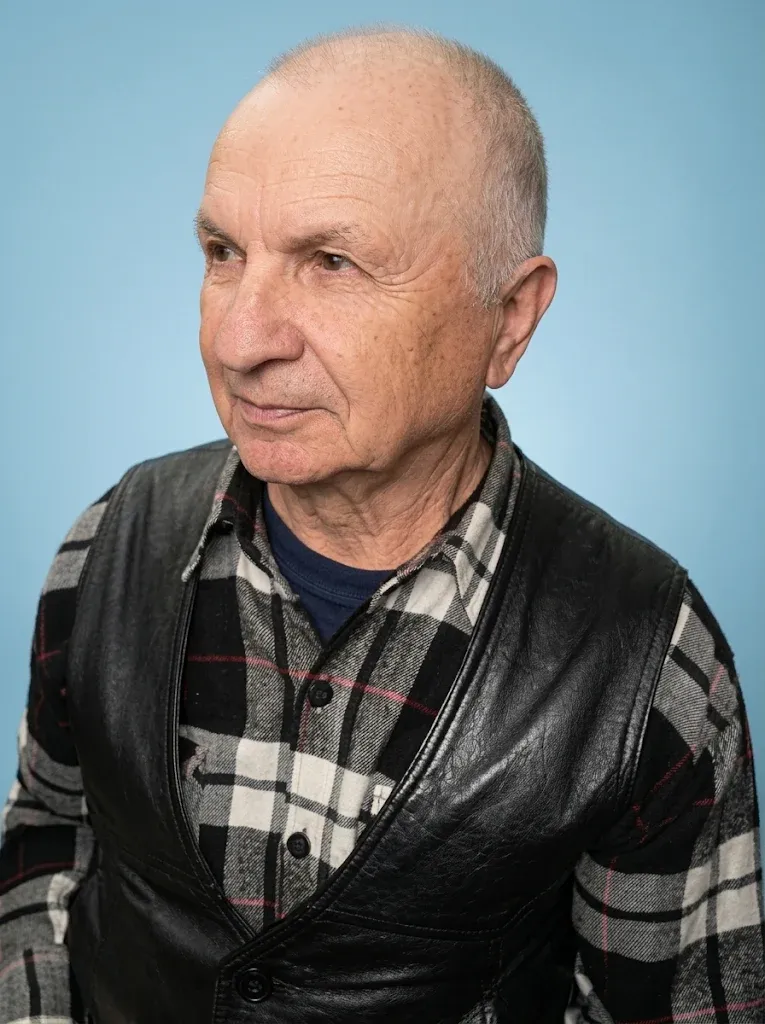
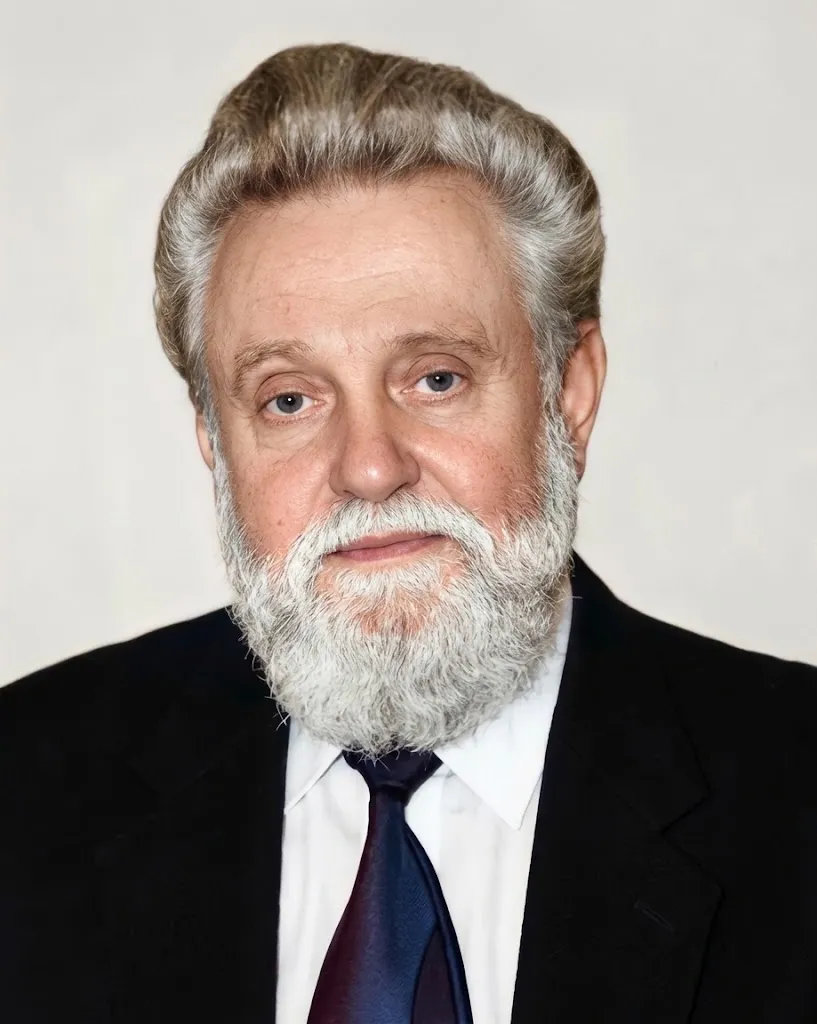
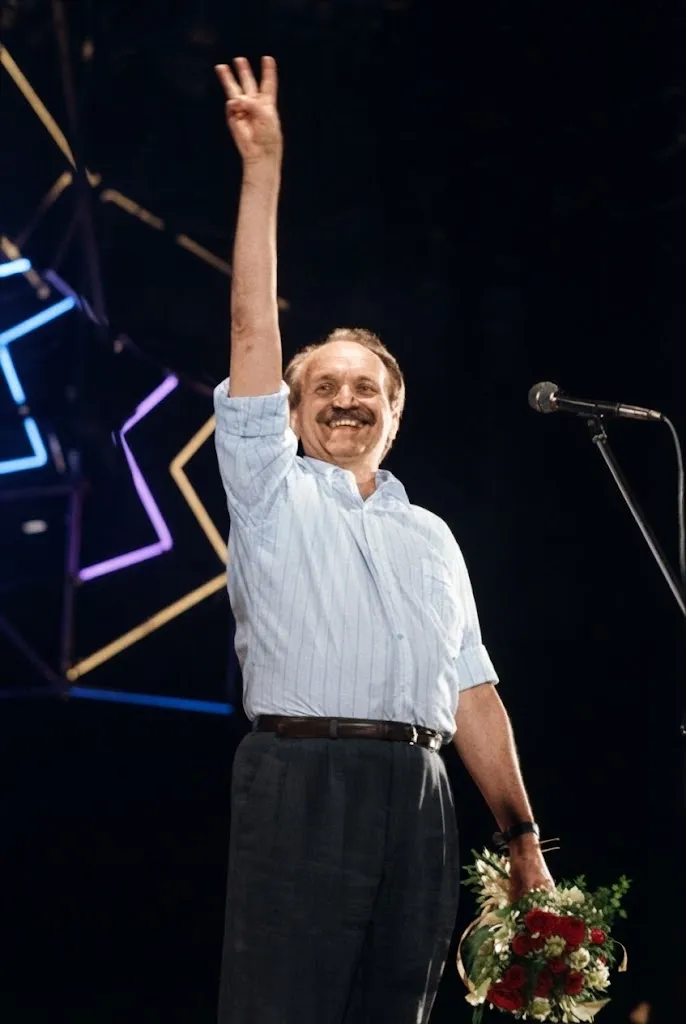
As soon as change was in the air, Lupynis was back on the streets: in 1988 he was among the initiators of the Green World environmental association, the Ukrainian Memorial society and the People’s Movement of Ukraine (Rukh). In 1990 he started the Ukrainian Inter-Party Assembly, which became the Ukrainian National Assembly (UNA, later UNA-UNSO), and headed its political department. In July 1991 he was arrested over protests in Kyiv against the new Union treaty, meant to keep the USSR together. He spent a month and a half under investigation and walked free when Ukraine declared independence. He died in Kyiv in 2000 and is buried at Baikove Cemetery.
Debates and assessments
The most debated part of his life is UNA-UNSO, which he helped create. Its armed wing, the Ukrainian People’s Self-Defence (UNSO), was formed in August 1991, during the coup attempt in Moscow. In the early 1990s UNA-UNSO members fought in Transnistria, in Georgia on the side of the Georgian government against Abkhaz separatists, and in Chechnya against russian troops; his comrades recall that Lupynis travelled to the Caucasus himself. At home the organization was known for loud street actions and clashes with the police; in 1995 the party lost its registration over its aggressive conduct, and got it back in 1997. Some scholars place UNA-UNSO among ultranationalist, radical right forces. Its members, for their part, said that in Abkhazia they were defending Georgia’s territorial integrity. People who knew Lupynis described him as a rebel who never fitted the image of a democratic dissident; in time he fell out with the organization’s long-serving leader Dmytro Korchynskyi, but he stayed in UNA-UNSO until his death. How to judge the organization and his role in it is still debated.
Why it matters today
Anatolii Lupynis kept coming back to speaking freely about Ukraine: he led a strike in the camp, learned to walk again after prison, and then read his own poem at the Shevchenko monument. Neither the camps nor twelve years in psychiatric hospitals could make him fall silent. In the late 1980s he helped build Rukh and Memorial, which brought Ukraine’s independence closer. He stands in the long line of Ukrainians who stood up for freedom with words when words were punished. His story proves that even one poem read aloud can be an act of courage.