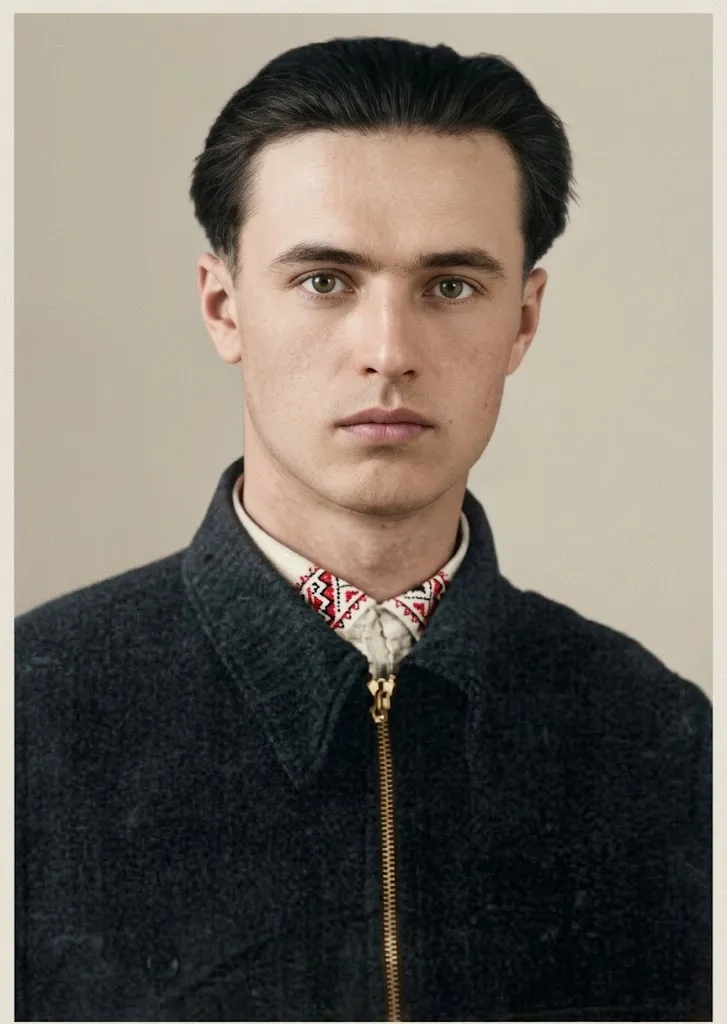
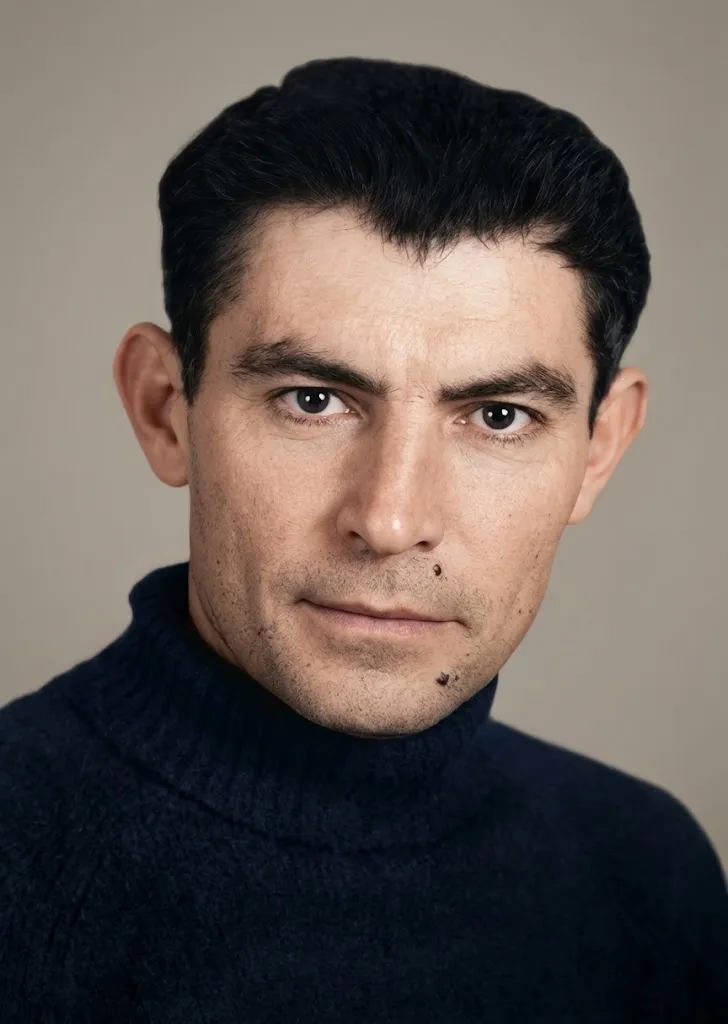
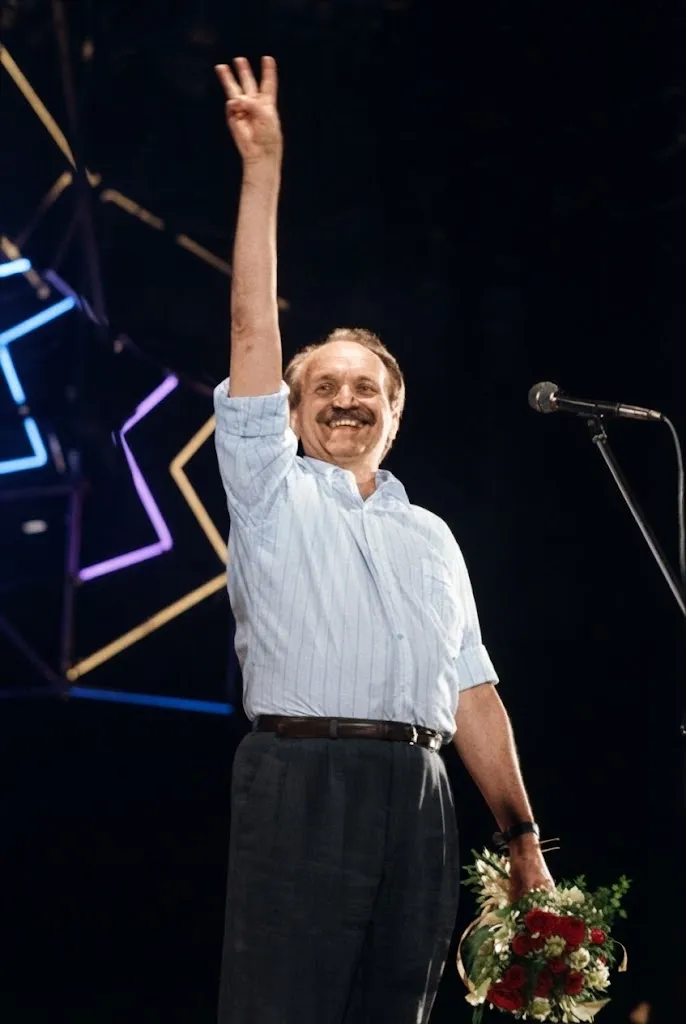
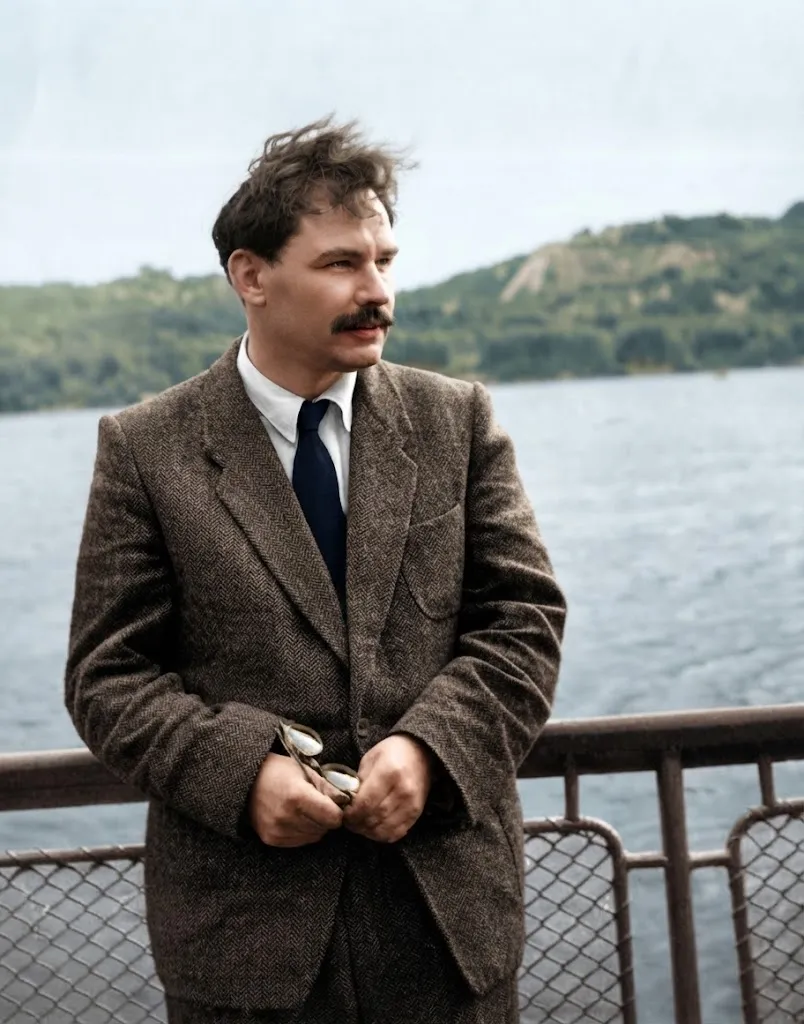
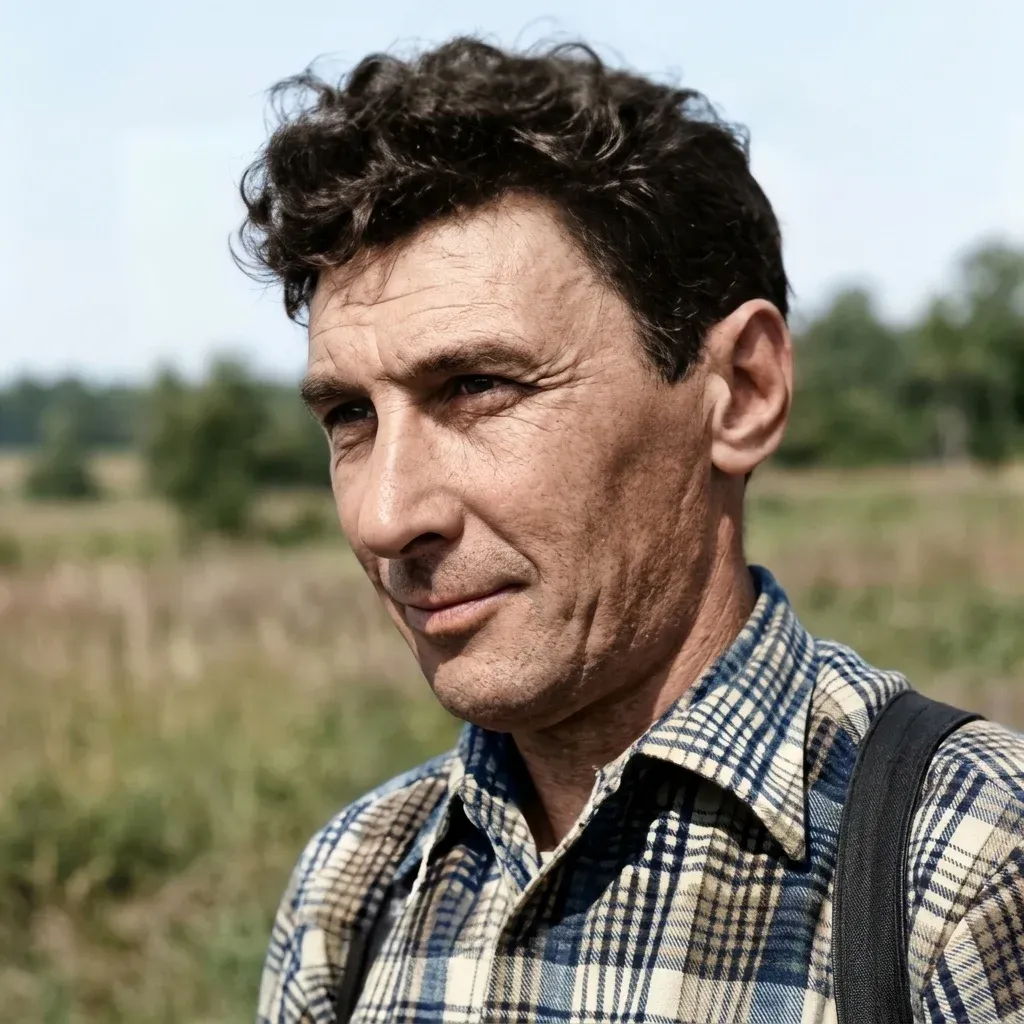
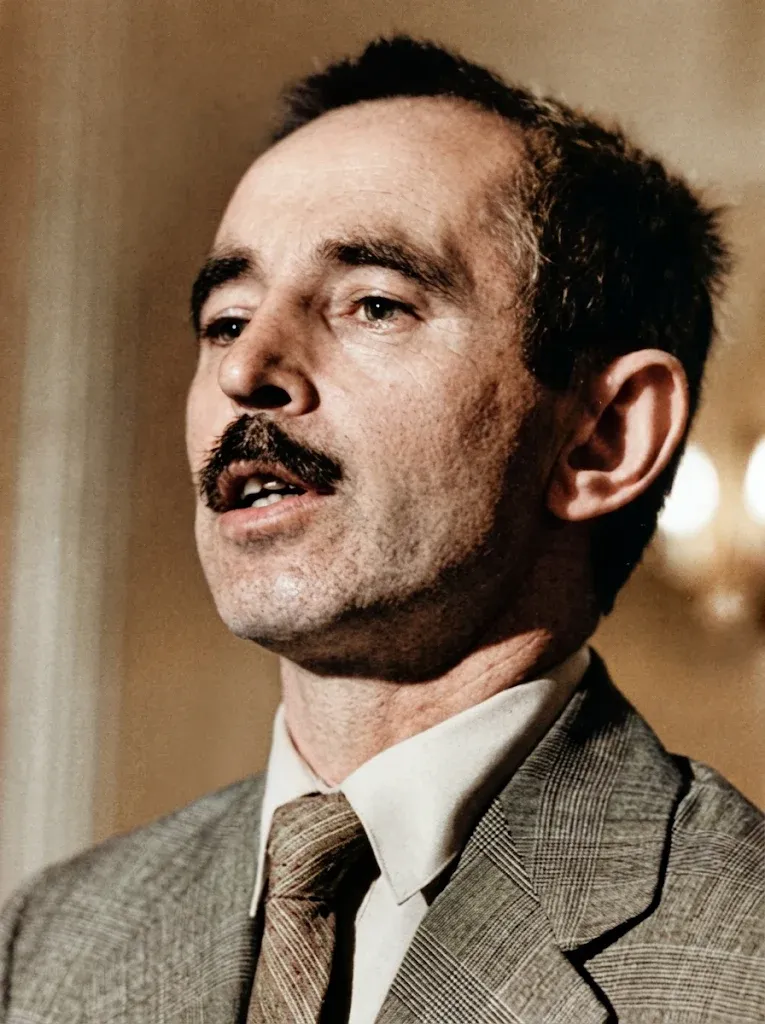
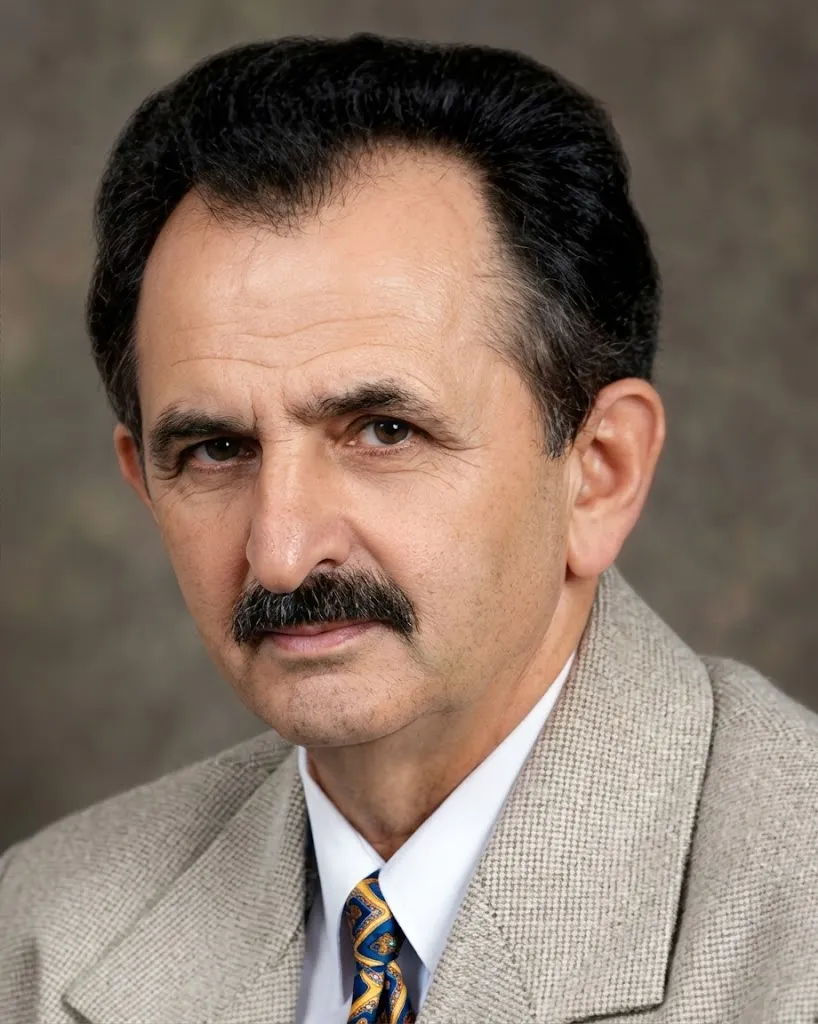
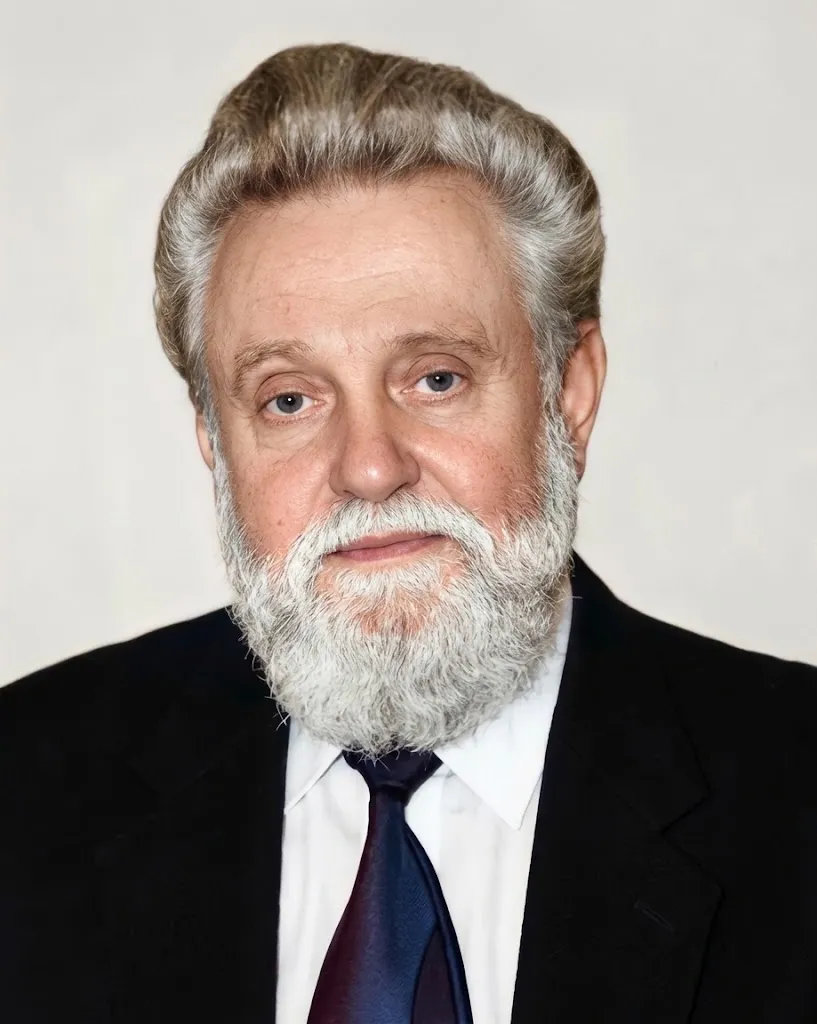
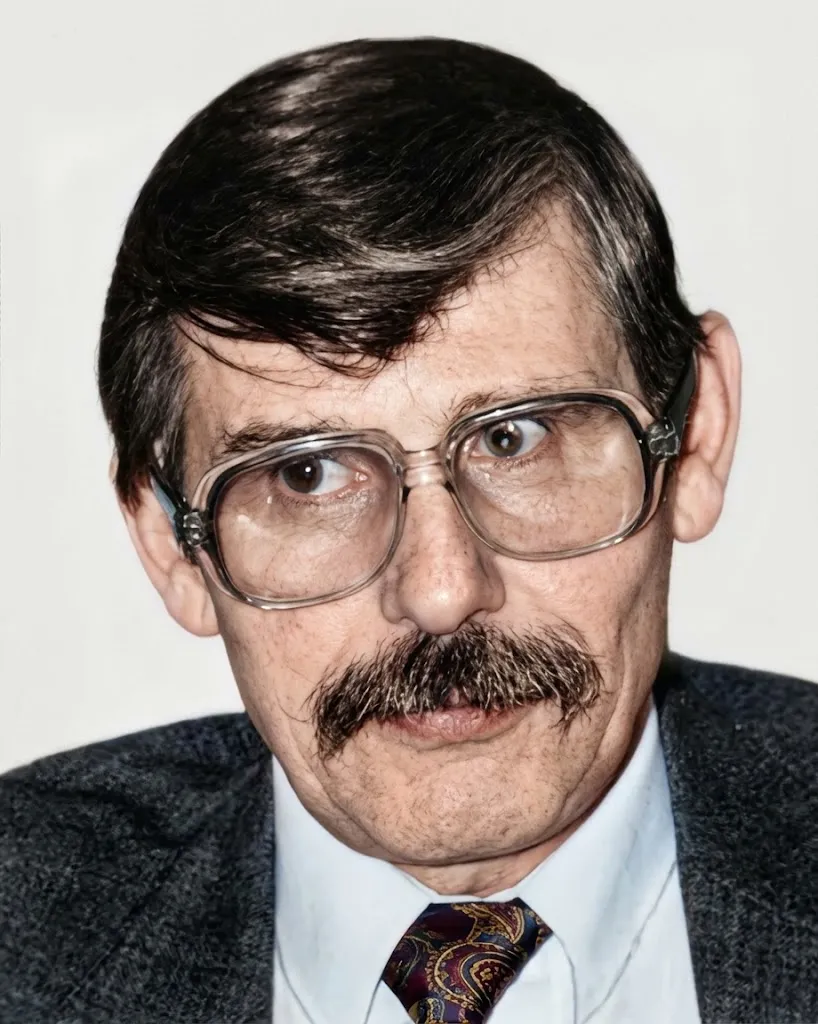
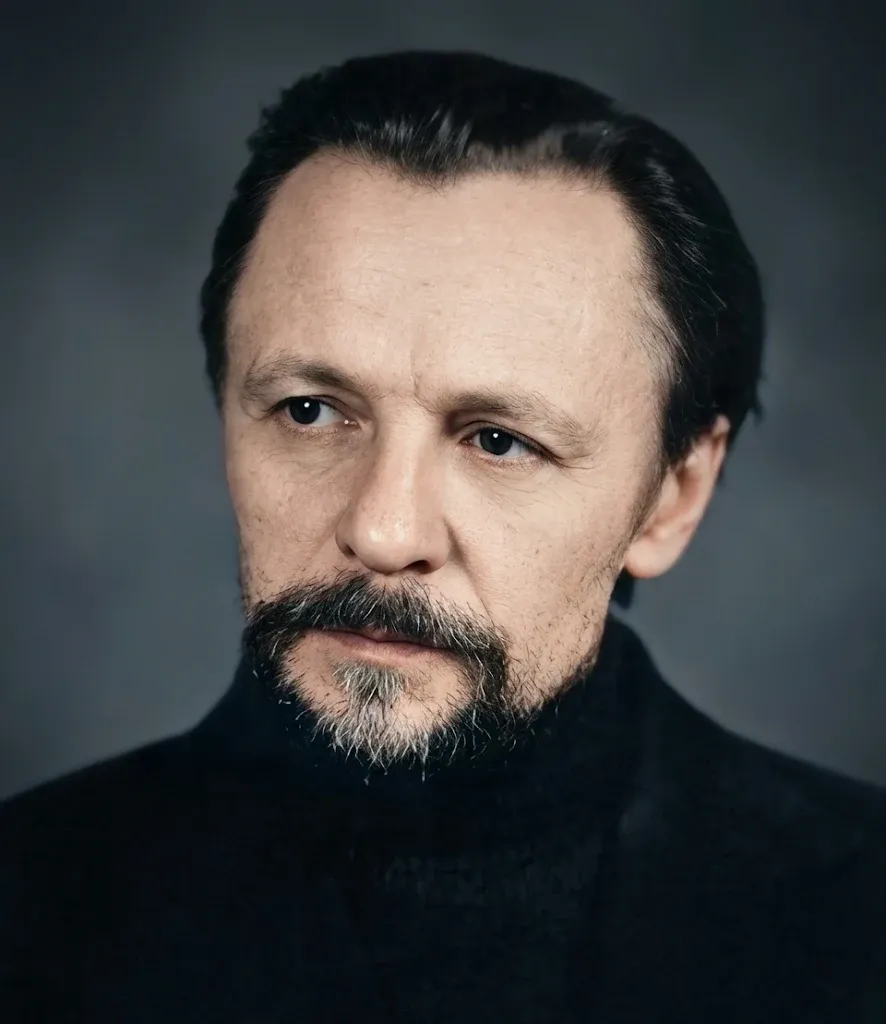
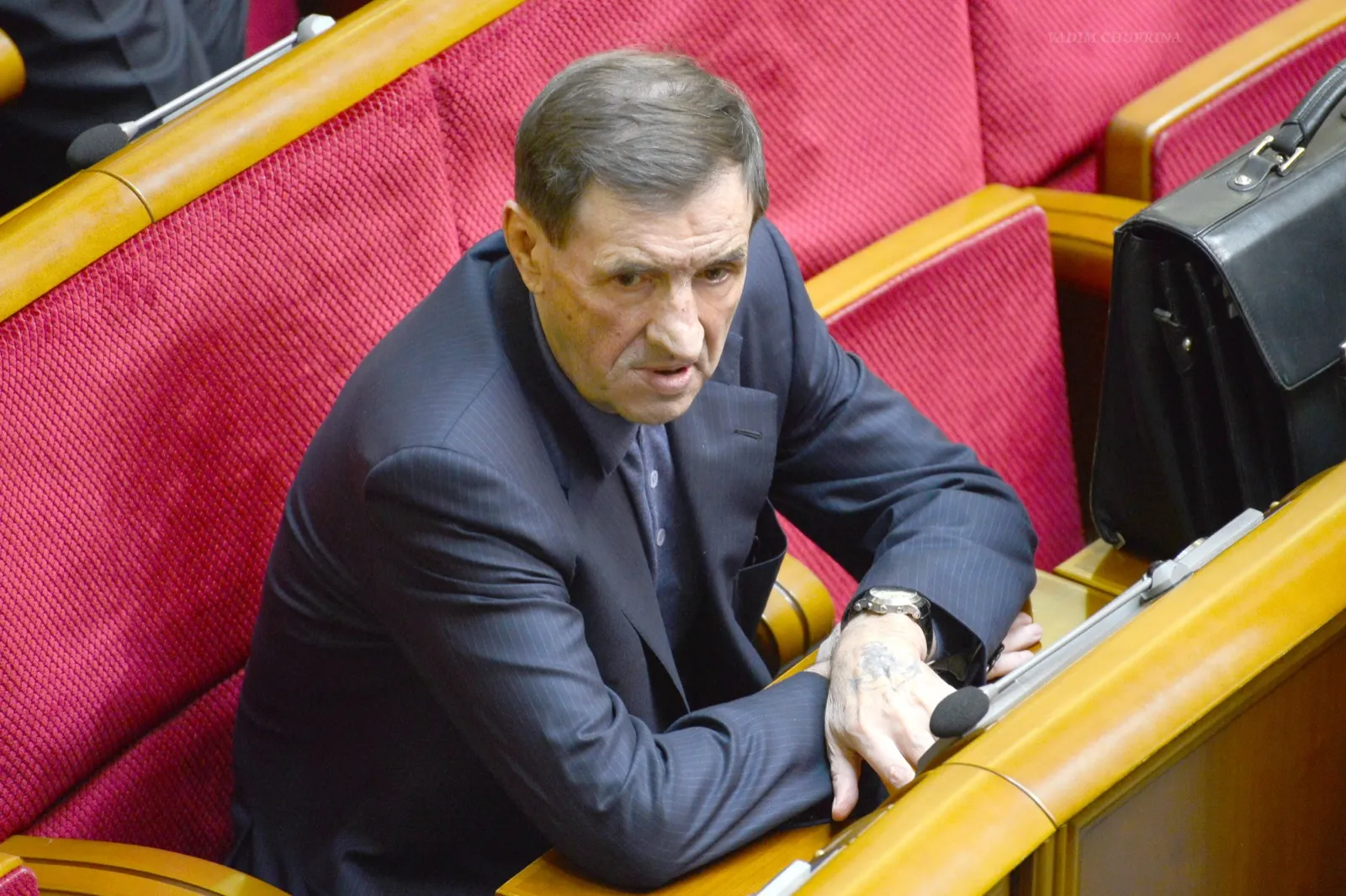
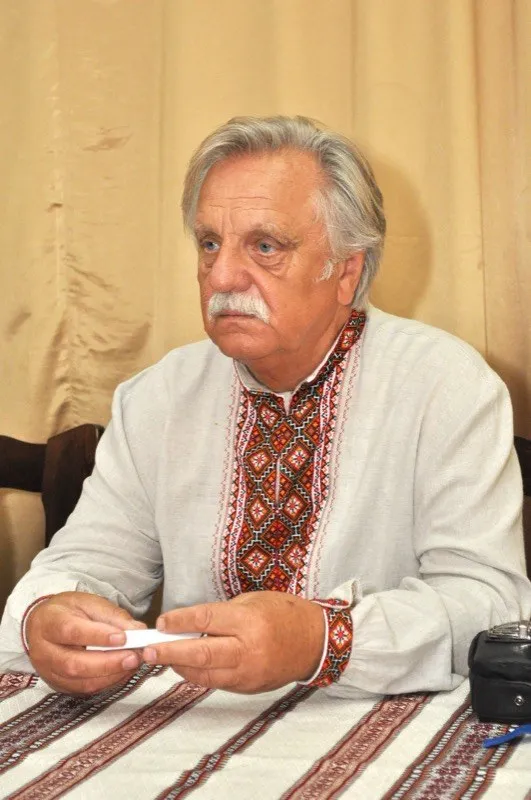
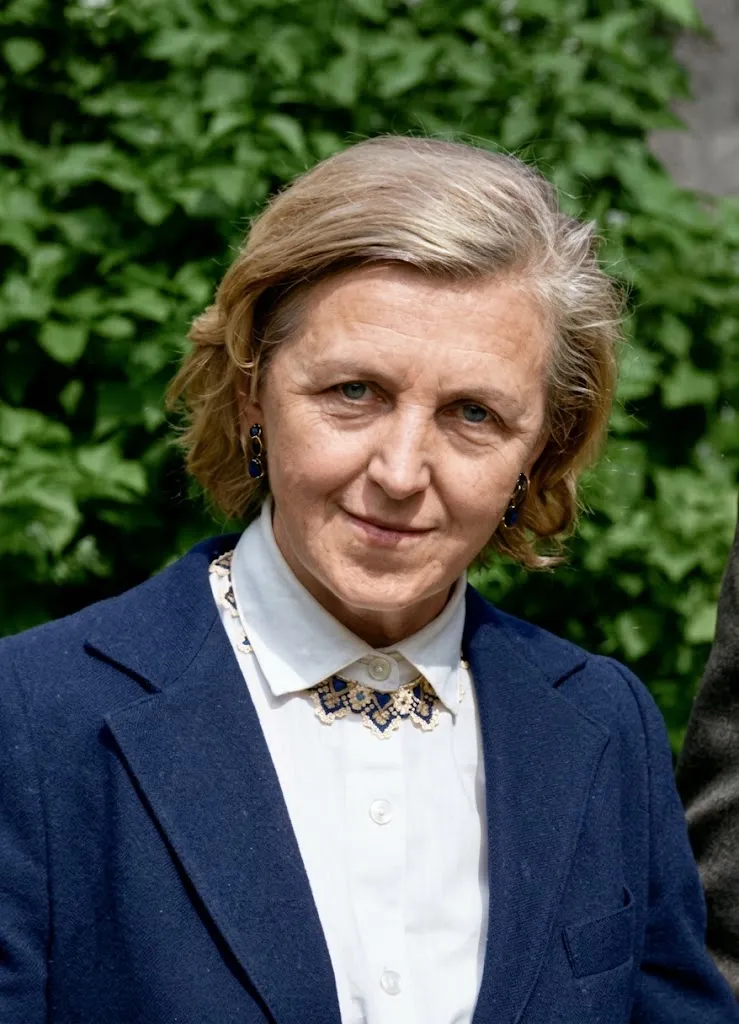
Mykola Plakhotniuk
Doctor, dissident, political prisoner
At a psychiatric examination he refused to speak russian and asked for an interpreter, and was declared schizophrenic. Kyiv doctor Mykola Plakhotniuk spent 1972 to 1981 in psychiatric hospitals for samizdat, and later headed the Museum of the Sixtiers.
Key accomplishments
- Member of the Suchasnyk club of creative youth (from 1963), organiser of memorial evenings for Vasyl Symonenko
- On 22 May 1967 led people from the Shevchenko monument to the Communist Party Central Committee to demand the release of those detained
- Distributed the samizdat journal Ukrainian Herald (Ukrainskyi visnyk), including abroad
- Political prisoner: 1972–1981 in psychiatric hospitals in Dnipropetrovsk, Kazan and Smila, 1981–1984 in prison
- Member of the Ukrainian Helsinki-90 Committee (from 1991)
- Head of the Museum of the Sixtiers civic organisation (from 1994) and director of the museum (from 2008), which opened in 2012
- Vasyl Stus Prize (2013) for his book Kolovorot; Order of Merit, 3rd and 2nd class (2001, 2005), Order of Freedom (2009)
Born far from home
Why was a Ukrainian doctor born in russia’s Kursk region? His parents, peasants stripped of their land as “kulaks”, had fled there from the Holodomor famine of 1932–33. Mykola was born in 1936 in the settlement of Fosforyt, and during World War II the family went back to Ukraine, to the village of Tykhyi Khutir in what is now the Cherkasy region. He grew up speaking Ukrainian, trained as a doctor in Kyiv and became a tuberculosis specialist.
“My knees were shaking”
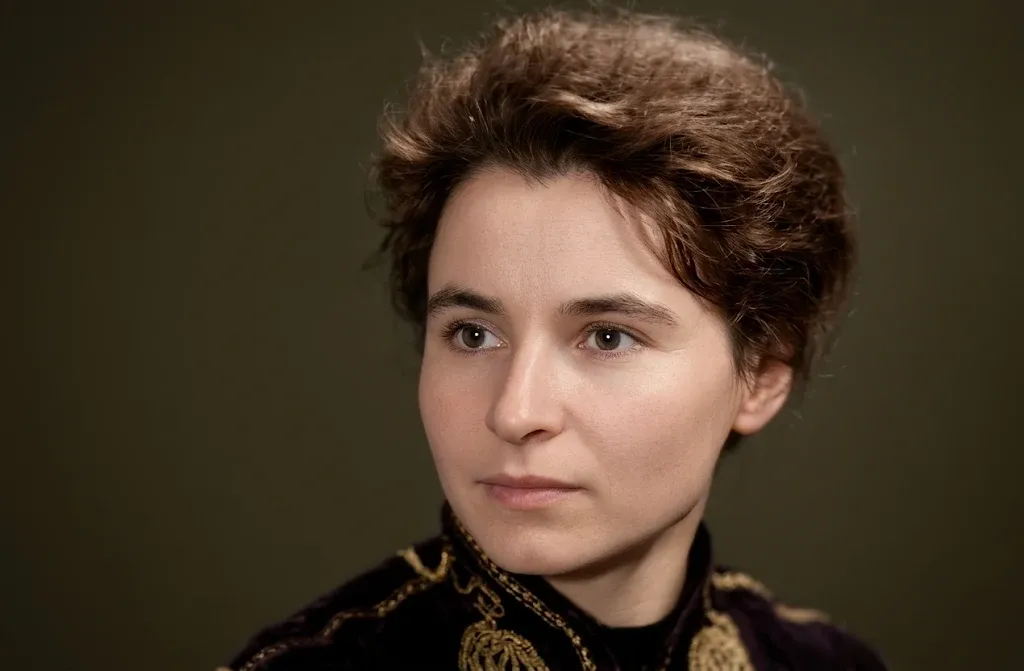
Plakhotniuk joined Suchasnyk in 1963, a Kyiv club of creative young people. That year he wrote to the ministry asking for his medical institute to teach in Ukrainian, and he organised memorial evenings for the poet Vasyl Symonenko. On 22 May 1967 police detained several people at a poetry reading by the Shevchenko monument. “My knees were shaking,” Plakhotniuk recalled, but from the monument steps he called on the crowd to march to the Communist Party Central Committee. Nadiia Svitlychna was among those who went. They waited there deep into the night, and the detainees were let go. A few days later Plakhotniuk was fired from his job.
An interpreter for a Ukrainian
Plakhotniuk spread the samizdat journal Ukrainian Herald and passed texts abroad. On 12 January 1972, in the same wave of arrests that took Vasyl Stus, Viacheslav Chornovil and Ivan Svitlychnyi, he was arrested for “anti-Soviet agitation”. At his psychiatric examination he refused to speak russian: he said he could only fully express himself in his native Ukrainian, and demanded an official interpreter. He kept repeating that Ukraine had to be free and that russification was intolerable. Even the examiners wrote that he “held himself pointedly free, with a sense of his own dignity”. Moscow’s Serbsky Institute declared him schizophrenic, and a court sent him for compulsory treatment.
Hospitals instead of prison
In the special psychiatric hospital in Dnipropetrovsk, where Leonid Pliushch was also held, the staff were hostile to anything Ukrainian. Plakhotniuk recalled a psychiatrist who, hearing him say the Ukrainian word for salt, told an orderly to “teach” him to speak russian. In 1976 he was moved to Kazan, and in 1978 to a hospital in Smila. Medical boards recommended ending his treatment several times, but the court refused each time. He was released only on 5 March 1981.
Plakhotniuk was not alone. For the regime, psychiatric hospitals became prisons with no end date. The USSR no longer dared to shoot its opponents as it had under Stalin: it told the West there were no political prisoners in the country and branded discontent with the regime as madness. Moscow’s Serbsky Institute gave dissidents an invented diagnosis, “sluggish schizophrenia”, and KGB chief Yuri Andropov pushed through an expansion of the network of special psychiatric hospitals. The case files held in the SBU archive alone cover about a thousand such “patients”.
Four more years
He had barely six months of freedom: on 6 September 1981 Plakhotniuk was arrested again, this time on a fabricated criminal charge. Now the psychiatrists found him sane, and the court gave him four years. He served in the Luhansk region, was paroled in June 1984 and went back to treating tuberculosis patients. He married Valentyna Chornovil, Viacheslav Chornovil’s sister.
A museum for a whole era
Plakhotniuk took charge of the Museum of the Sixtiers in 1994, a civic organisation that Nadiia Svitlychna had dreamed up. For years it had no building, and its collection was kept in friends’ homes. In 2008 he became the museum’s director, and in 2012 it finally opened in Kyiv. Plakhotniuk died in Kyiv in 2015. In March 2022 russian troops destroyed the family house in Bucha, together with his archive.
Why it matters today
Even at a psychiatric examination Mykola Plakhotniuk spoke only Ukrainian and demanded an interpreter, because he wanted a free Ukraine. Nine years in psychiatric hospitals, and prison after that, could not make him give up his language or his beliefs. His life shows that a native language is not a small thing but a right worth defending, even when you are punished for it. The Museum of the Sixtiers he led keeps the memory of a generation that would not stay silent. Anyone who speaks Ukrainian freely and defends Ukraine today carries on the cause he and his friends stood for.