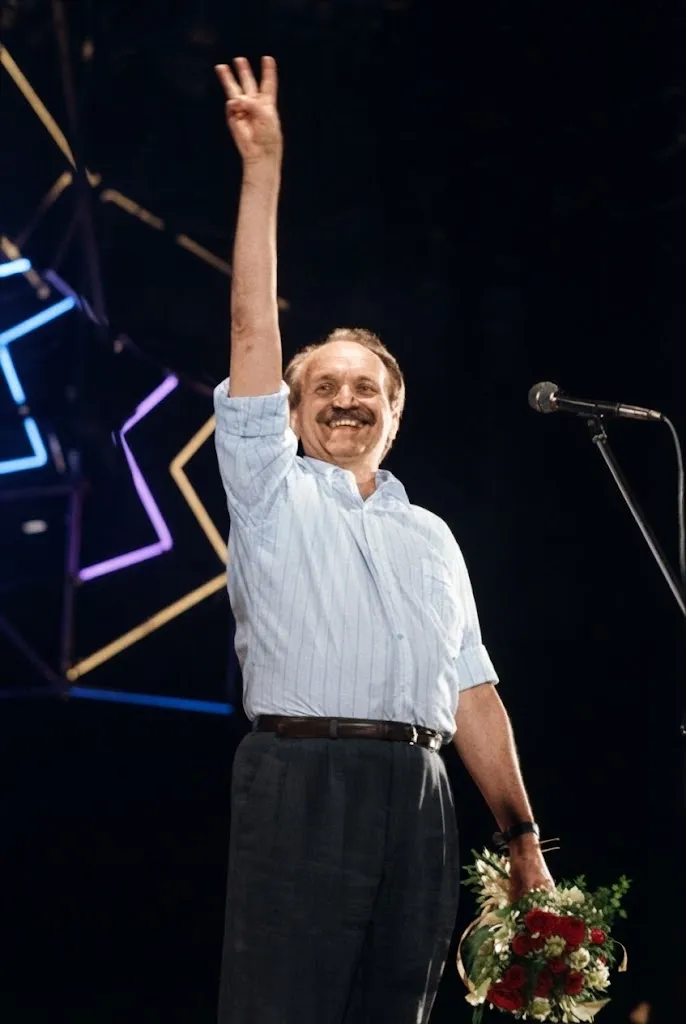
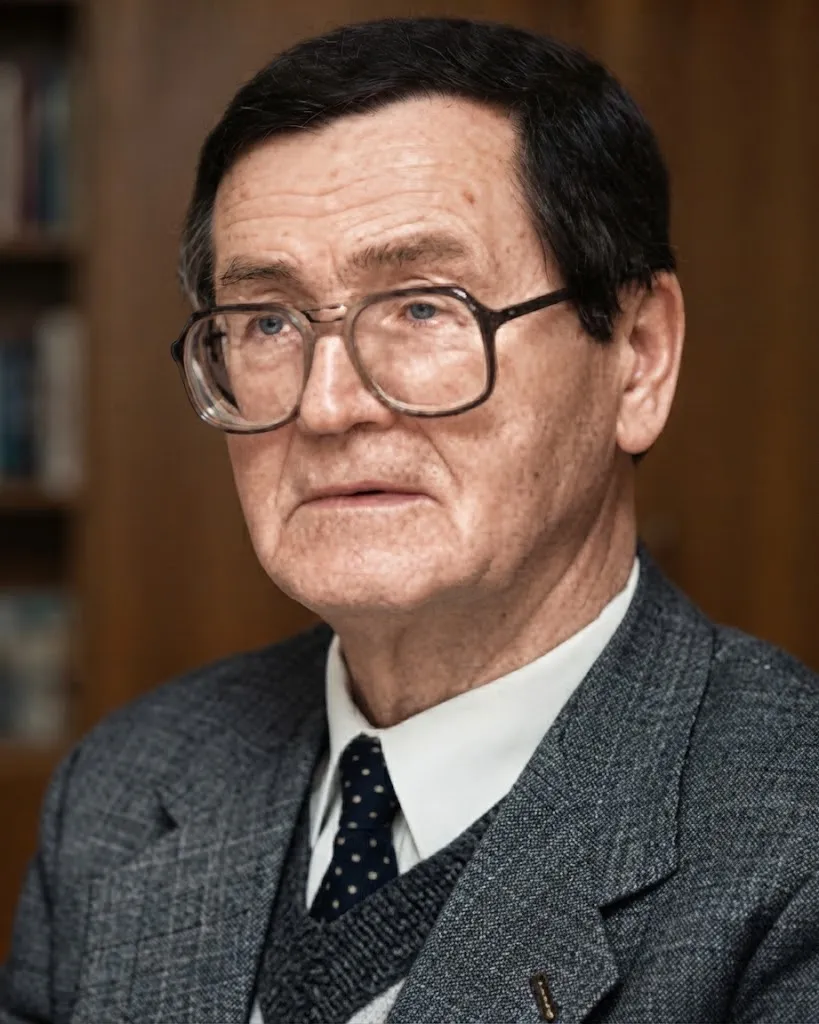
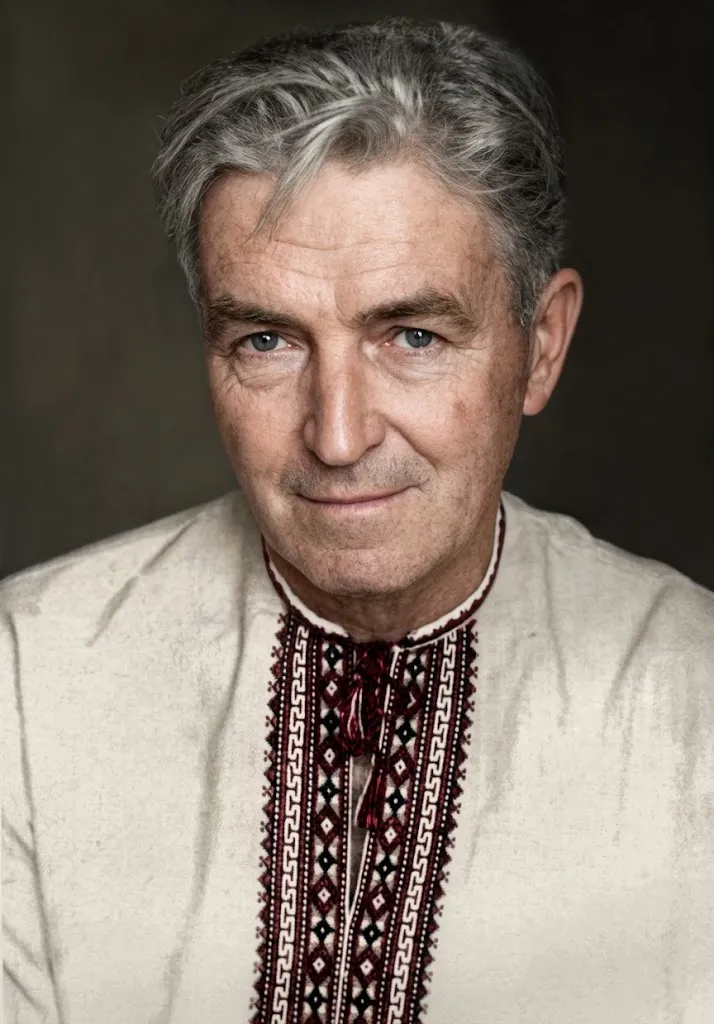
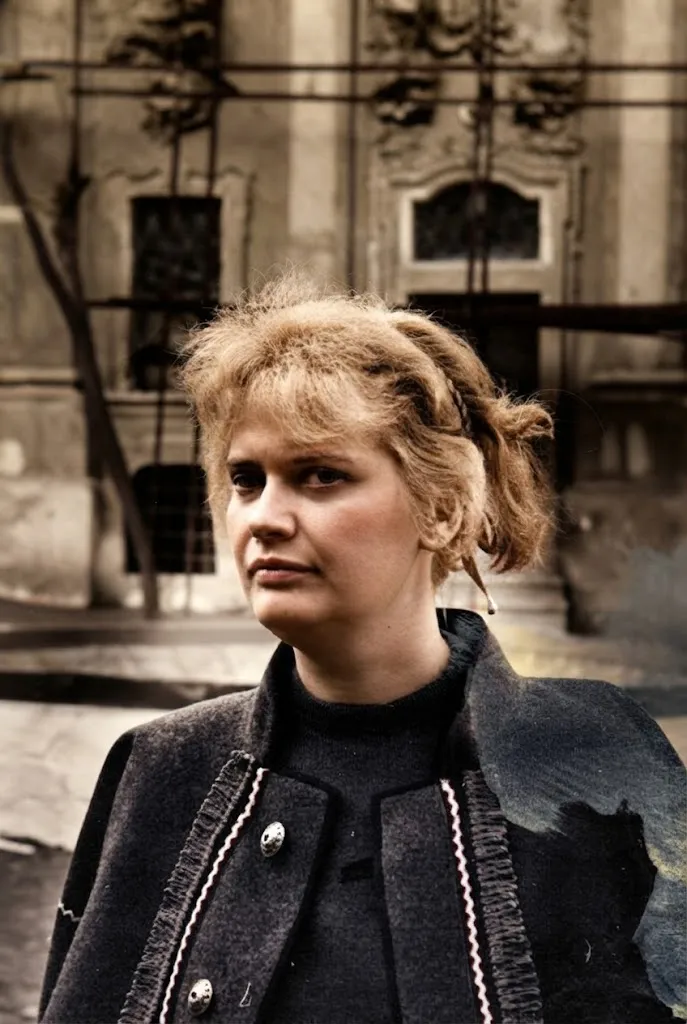
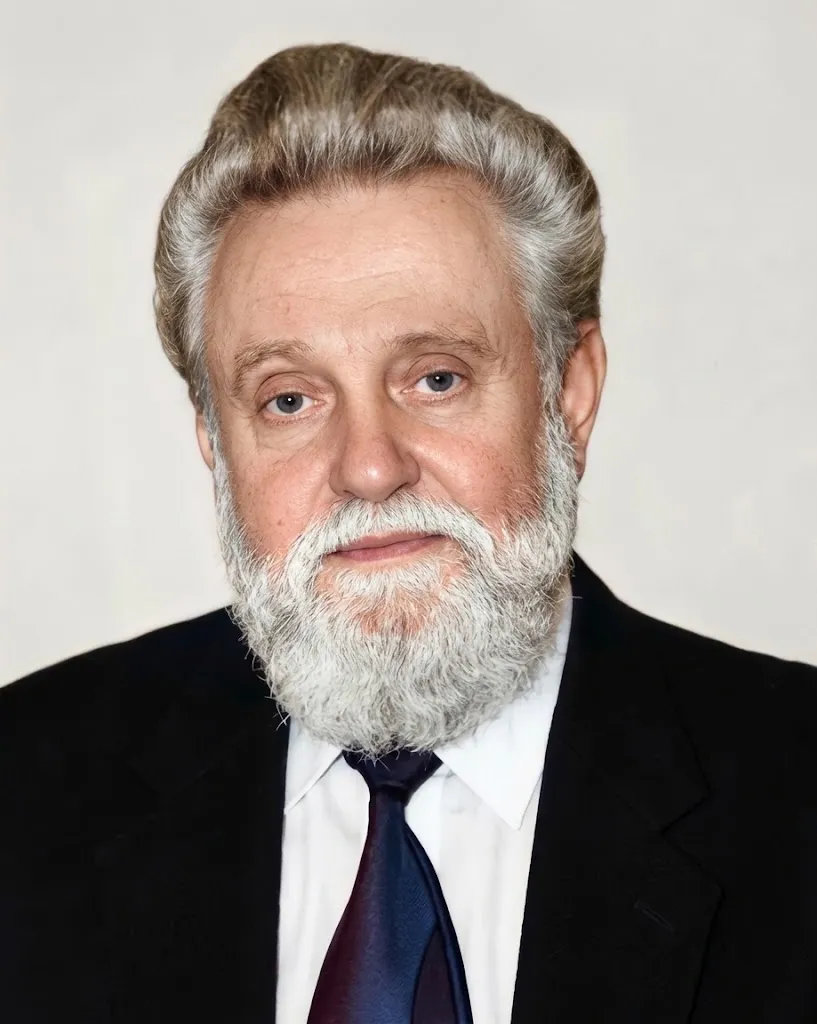
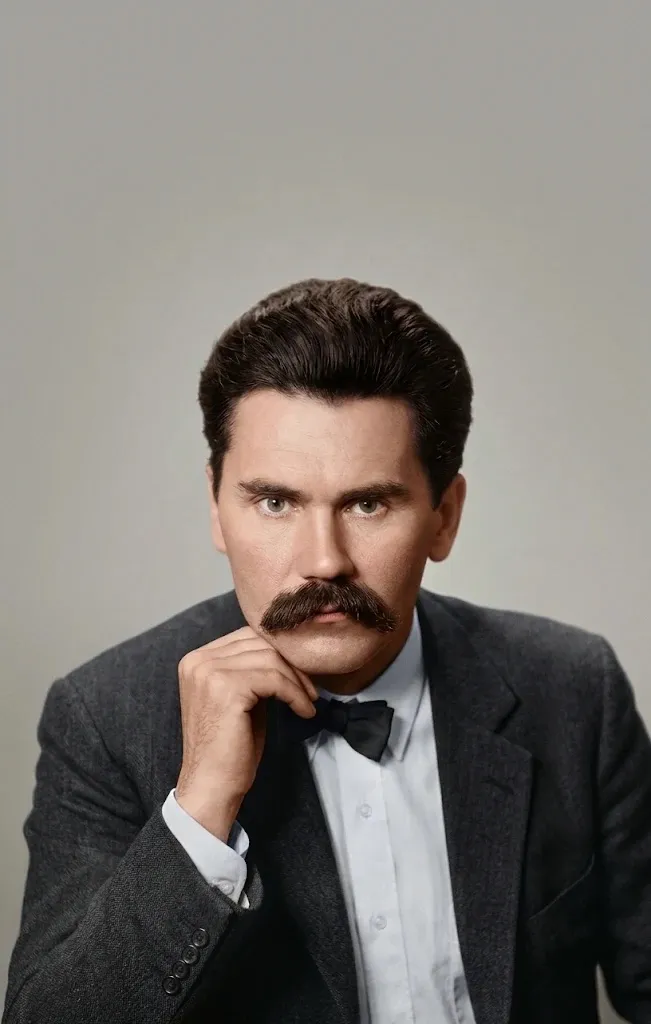
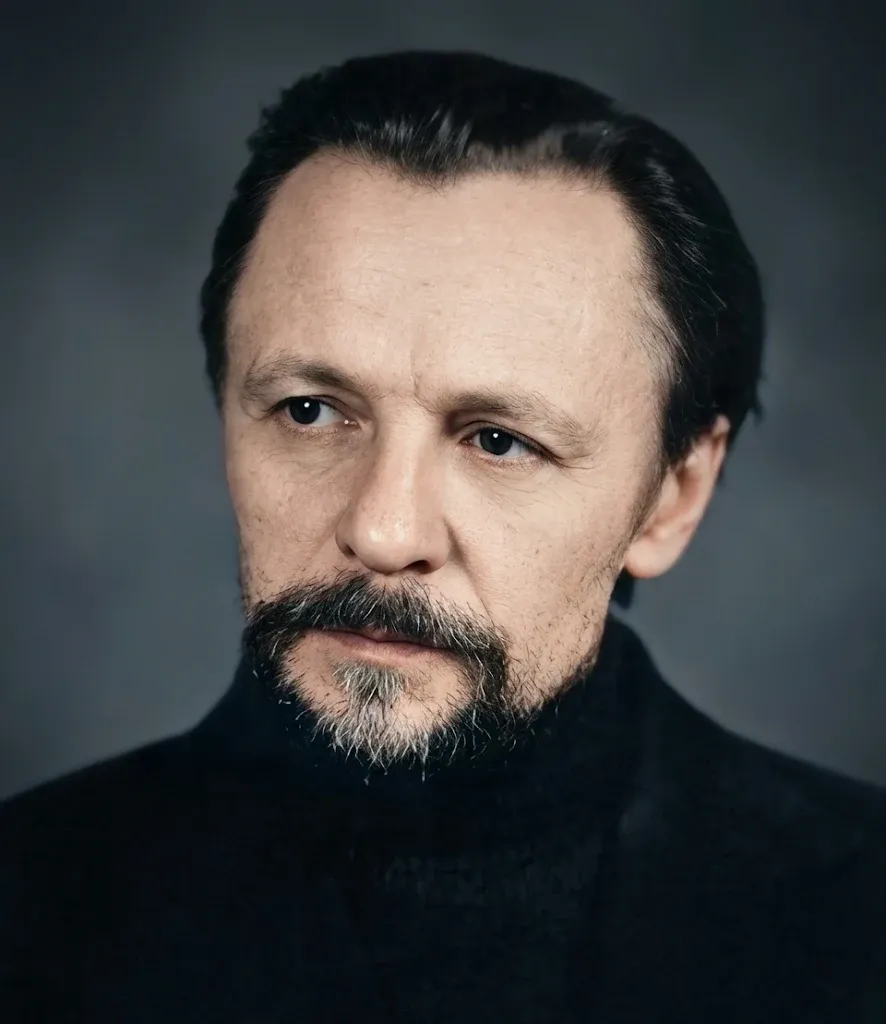
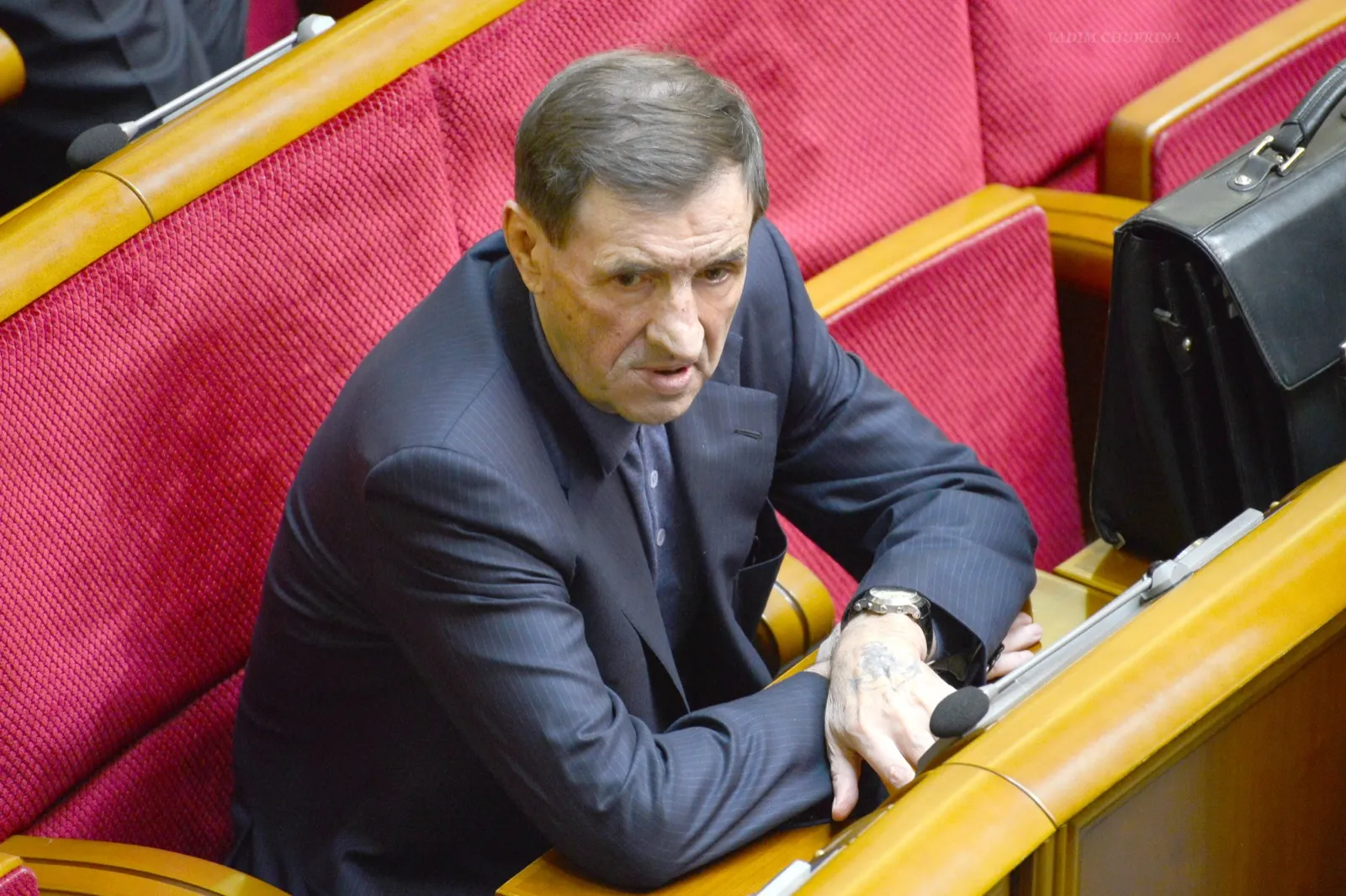
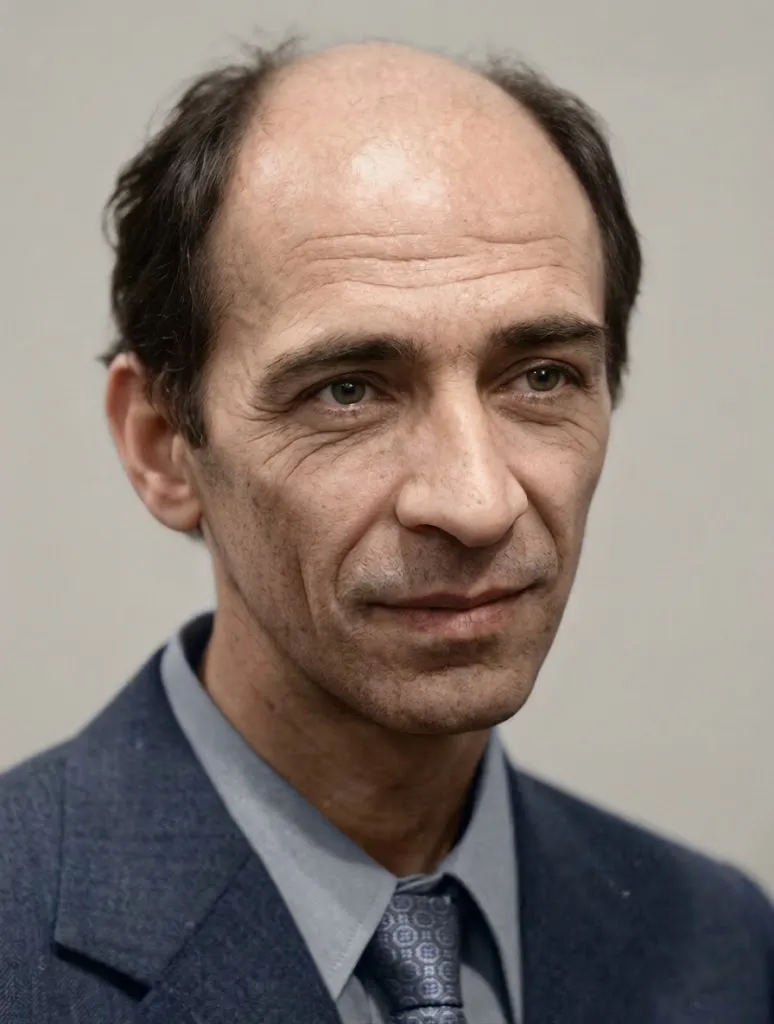
Valentyn Moroz
Historian, dissident, political prisoner
In a Mordovian labour camp he wrote “Report from the Beria Reserve”, and the essay was smuggled out and published abroad. Historian Valentyn Moroz was jailed twice for Ukraine, and in 1979 he was swapped for two Soviet spies in New York.
Key accomplishments
- The essay “Report from the Beria Reserve” (1967), written in a camp and published abroad (1968), one of the most powerful texts of samvydav
- The essays “Amid the Snows”, “A Chronicle of Resistance” and “Moses and Dathan” (1969–1970) on national dignity and the destruction of Ukraine’s cultural heritage
- Political prisoner (1965–1969, 1970–1979); more than 40 protests to the Supreme Court of Soviet Ukraine and demonstrations in the USA and Canada took up his cause
- Doctoral dissertation “The Ethnonym Ukraine” (Ukrainian Free University, Munich, 1982); the journal Anabasis (Toronto)
- The three-volume Ukraine in the Twentieth Century (2005–2016); Order of Merit, 3rd class (2009)
“Truth has long arms”
“A crime is a crime, and retribution follows it relentlessly,” a prisoner in a Mordovian labour camp wrote in 1967. His essay “Report from the Beria Reserve” called the USSR a totalitarian empire and the KGB a dragon that watches every active citizen. And it warned: “Truth has long arms.” The text was smuggled out of the camp, Viacheslav Chornovil spread it through samvydav (underground self-publishing), and in 1968 it was printed in Munich. A camp prisoner had become one of the most powerful voices of samvydav.
Valentyn Moroz was born in 1936 into a peasant family in the village of Kholoniv in Volyn. He graduated in history from Lviv University, taught at village schools in Volyn and, from 1964, lectured at the teacher-training institutes in Lutsk and Ivano-Frankivsk. In September 1965 he was arrested. He was charged with “anti-Soviet propaganda” among students, spreading samvydav and arguing that Ukraine should leave the USSR, and sentenced to four years in the camps.
Nine months of freedom
Moroz came out in 1969 and almost at once sat down to write. His essays “Amid the Snows”, “A Chronicle of Resistance” and “Moses and Dathan” were about national dignity, the duty of the intelligentsia and the way Ukraine’s cultural heritage was being destroyed. They circulated in samvydav, and Ukrainian intellectuals took them in different ways: Moroz sharply criticized even friends, Ivan Dziuba among them.
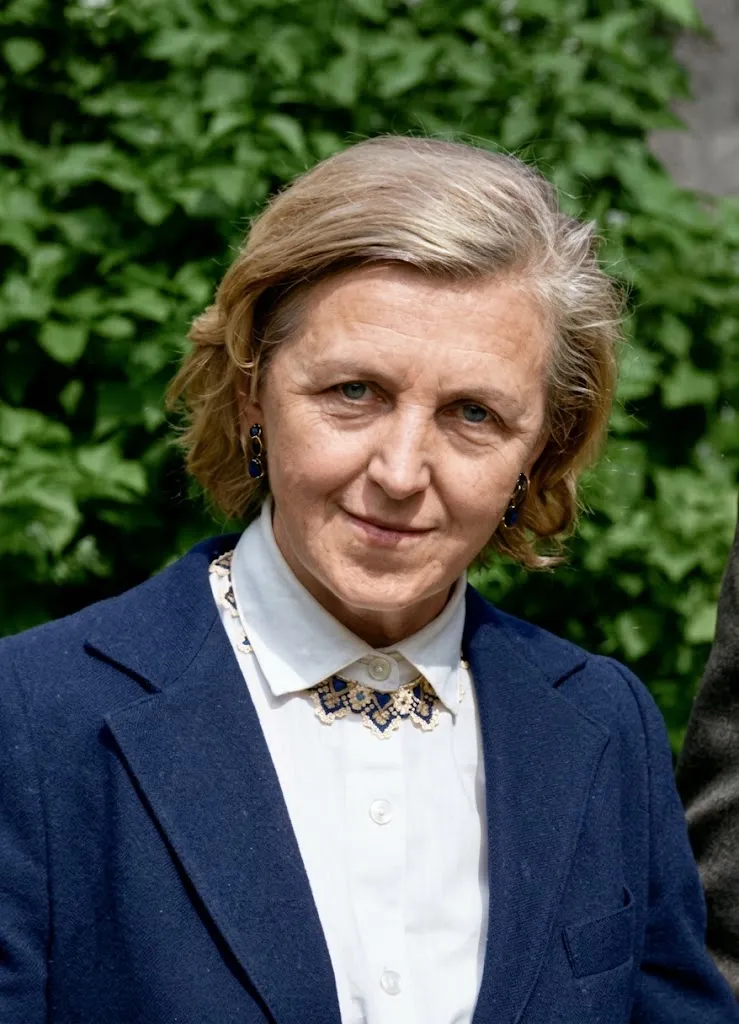
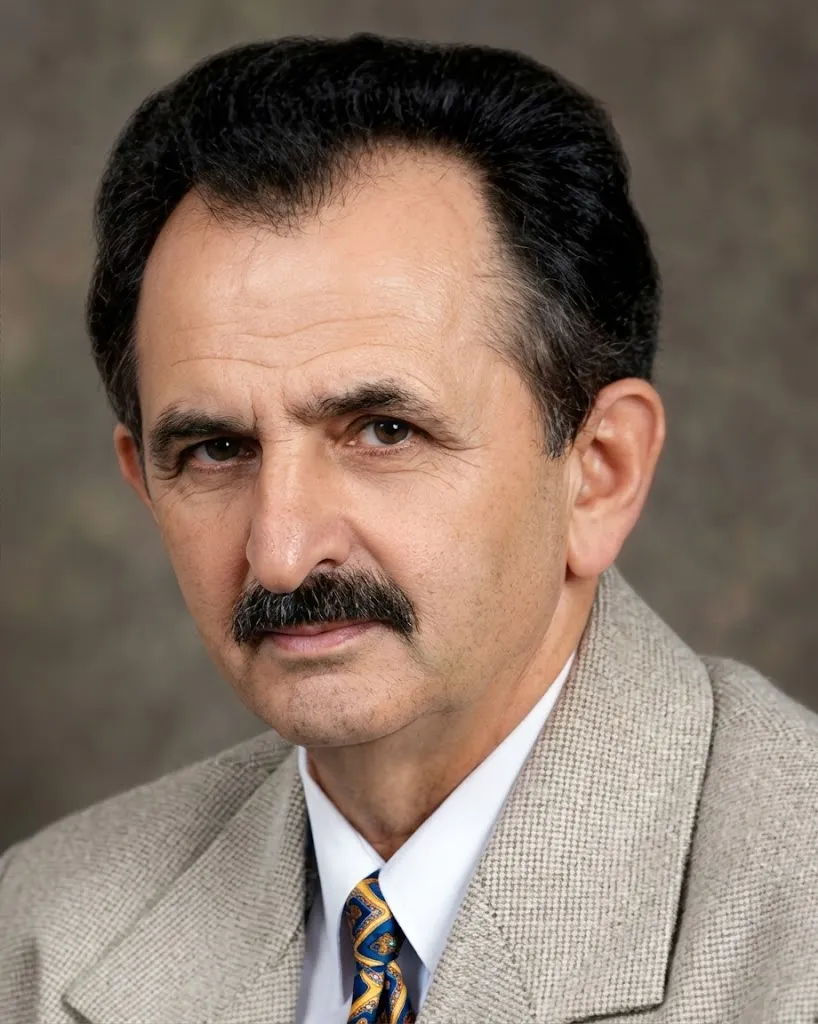
In June 1970 he was arrested again. Yet even the people he had criticized stood up for him. At the trial Dziuba, Chornovil and Borys Antonenko-Davydovych refused to testify, calling the proceedings unlawful, and Alla Horska had already refused to give evidence when she was questioned. Moroz himself would not cooperate with the investigators and accused the regime of crimes against the Ukrainian people. In November 1970 a closed court in Ivano-Frankivsk declared him an “especially dangerous recidivist”: six years in prison, three years in a special-regime camp and five years of exile. More than 40 protests reached the Supreme Court of Soviet Ukraine; among their authors were Ivan Hel and Atena Pashko.
A hunger strike the world heard
In Vladimir prison Moroz was kept in solitary confinement for almost two years. In 1974 he went on an open-ended hunger strike to be moved to a camp, and held out for months. The news reached the West: human rights campaigners spoke up for him, people demonstrated in the USA and Canada, and English PEN made him a member in absentia.
On the night of 27–28 April 1979, at John F. Kennedy Airport in New York, the Soviet authorities handed five political prisoners to the Americans in exchange for two of their own agents. Moroz was one of the five. Nobody asked the prisoners: they were simply stripped of their citizenship and expelled.
The historian comes home
In the West Moroz lectured at Harvard, and in 1982 at the Ukrainian Free University in Munich he defended a doctoral dissertation, “The Ethnonym Ukraine”, based on the dumy and historical songs. In Toronto he published the journal Anabasis and hosted a radio programme. In the early 1990s he returned to Ukraine and settled in Lviv. For more than a quarter of a century he taught history to students, wrote the three-volume Ukraine in the Twentieth Century, and in 2009 received the Order of Merit, 3rd class. He died in Lviv on 16 April 2019, the day after his 83rd birthday, and is buried at Lychakiv Cemetery.
Debates and assessments
Moroz was one of the best-known dissidents of Soviet Ukraine, and one of the most controversial. He is regarded as one of the most radical figures of the Ukrainian movement and an adherent of integral nationalism. In 1977 a group of political prisoners in a Mordovian camp condemned his conduct and accused him of stirring up national enmity, in particular towards russians and Jews. Some scholars write that after 1979 his uncompromising stance and harsh attacks on other former dissidents alienated most of his supporters in the West. In independent Ukraine he published, among others, the books Nationalism of the 21st Century (1997) and In Search of a Ukrainian Pinochet (1999); it is considered that none of his later works matched the impact of his early essays. Other scholars, drawing on KGB archives, write that KGB agents deliberately fanned the camp conflict of 1976–1977 and that the campaign against Moroz continued abroad, in order to split the Ukrainian national movement.
Why it matters today
Moroz showed that even from a camp you can speak to the world: his text about the “Beria reserve” was read far beyond the barbed wire. Two sentences, solitary confinement and hunger strikes did not silence him. His case brought the Sixtiers together, even those he argued with, and drew the West’s attention to Ukraine’s political prisoners. After independence he came back and passed Ukraine’s history on to students. His example reminds anyone that truth spoken aloud reaches further than those who try to lock it up.