The Ukrainian Helsinki Group
Kyiv
On 9 November 1976 ten Ukrainians led by Mykola Rudenko founded a group in Kyiv that openly demanded the USSR respect the human rights it had promised in Helsinki. Nearly all its members were imprisoned and four died in captivity, but in 1988 the group became the Ukrainian Helsinki Union.
Timeline
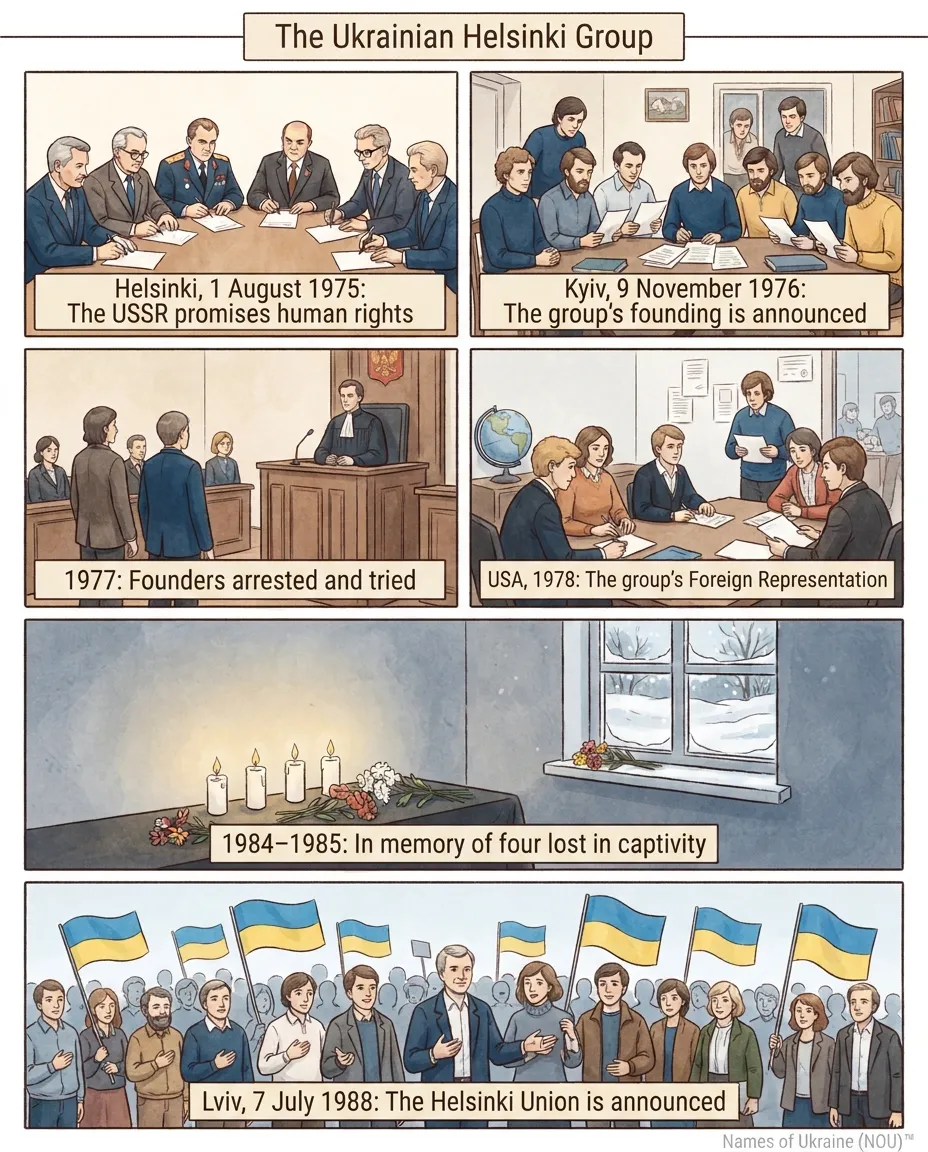
- 1 August 1975 The USSR and other states sign the Final Act in Helsinki, promising to respect human rights
- 9 November 1976 Mykola Rudenko announces the founding of the Ukrainian Helsinki Group; that evening bricks are thrown through the windows of his home
- 5 February 1977 Mykola Rudenko and Oleksa Tykhyi are arrested
- Summer 1977 The trial in Druzhkivka: Rudenko gets 7 years in camps and 5 in exile, Tykhyi 10 years in camps and 5 in exile
- December 1977 Levko Lukianenko is arrested; he is later sentenced to 10 years’ imprisonment and 5 years’ exile
- 1978 The group’s Foreign Representation, led by Petro Hryhorenko, starts work in the United States
- 9 November 1982 By proclamation of the US president, the day is dedicated in the United States to the Ukrainian Helsinki Group
- 1984–1985 Four members of the group die in captivity: Oleksa Tykhyi, Yurii Lytvyn, Valerii Marchenko and Vasyl Stus
- 7 July 1988 The founding of the Ukrainian Helsinki Union is announced at a large rally in Lviv
- 29–30 April 1990 The Union becomes the Ukrainian Republican Party, led by Levko Lukianenko
What do you do when the authorities solemnly promise to respect human rights, yet jail people for what they say? Ten Ukrainians decided simply to demand that they keep their word. On 9 November 1976 they founded the Ukrainian Helsinki Group, the first legal human rights organisation in Soviet Ukraine. For that, nearly all its members were put behind bars.
A promise signed in Helsinki
On 1 August 1975, in the Finnish capital Helsinki, the states of Europe, the United States and Canada signed the Final Act of the Conference on Security and Cooperation in Europe. The USSR was among them, and by signing it promised to respect human rights and fundamental freedoms. In May 1976 the first group set up to watch whether the USSR kept that promise was founded in Moscow. Ukrainians decided to do the same at home.
The ten who were not afraid
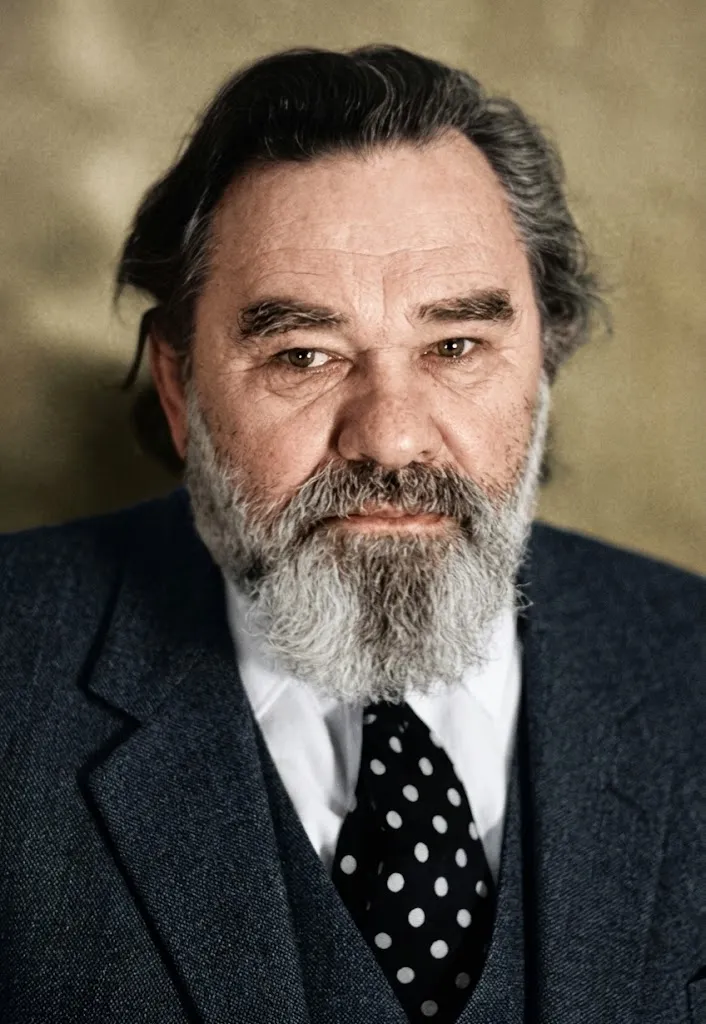
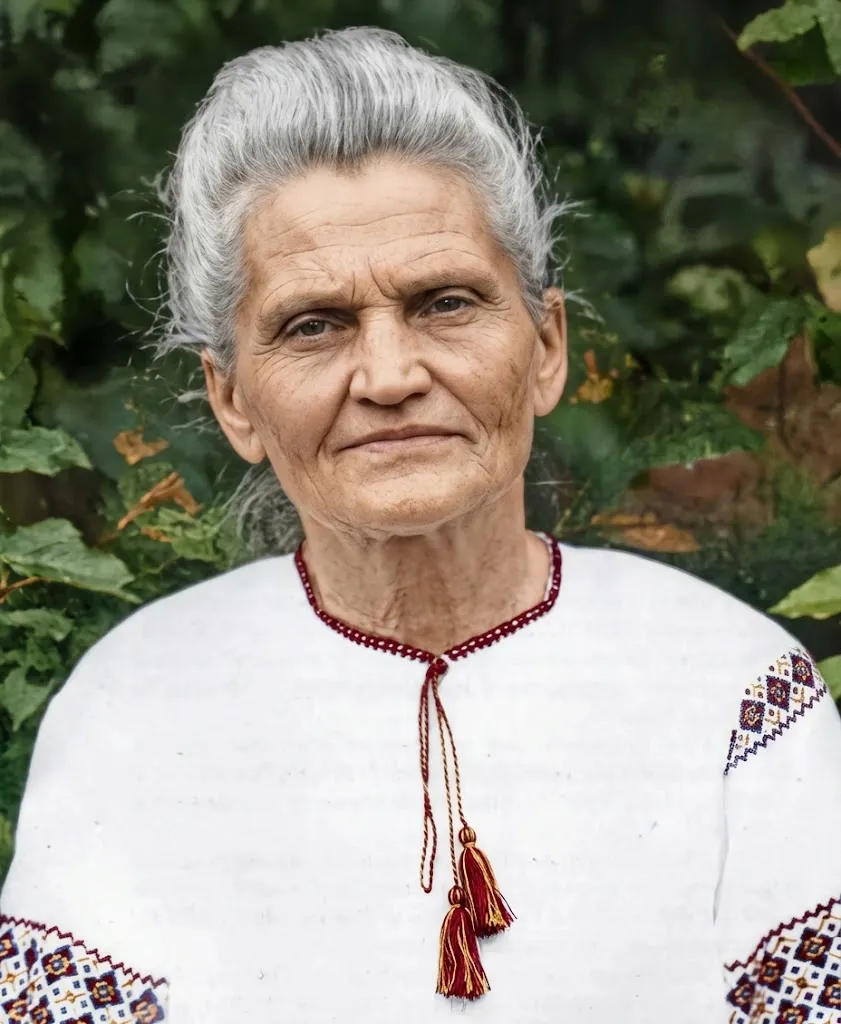
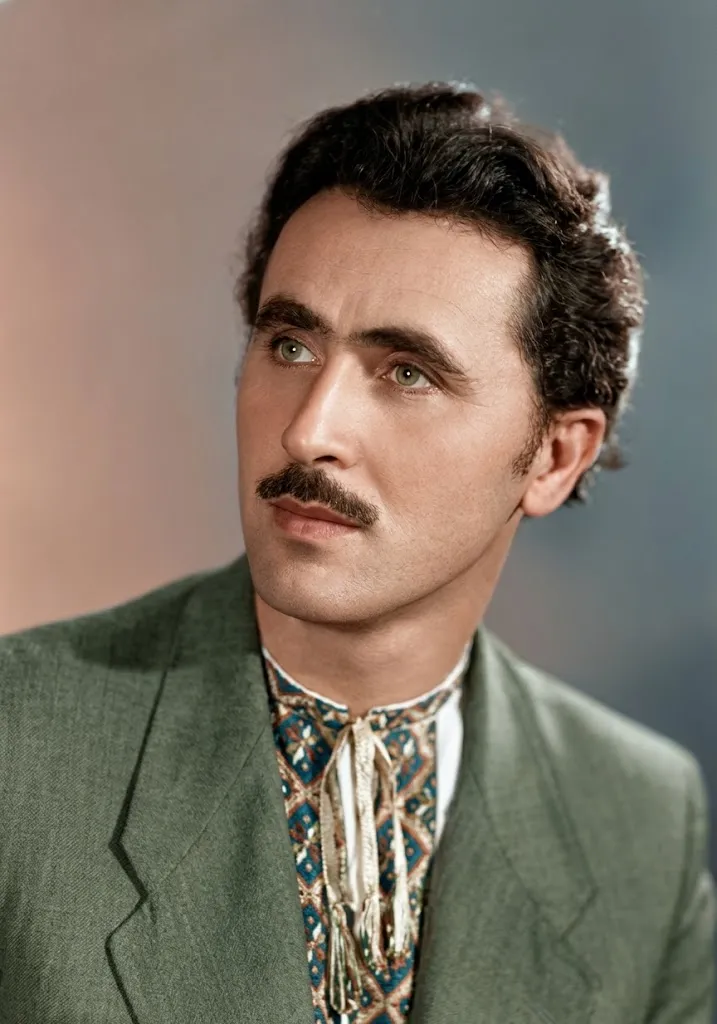
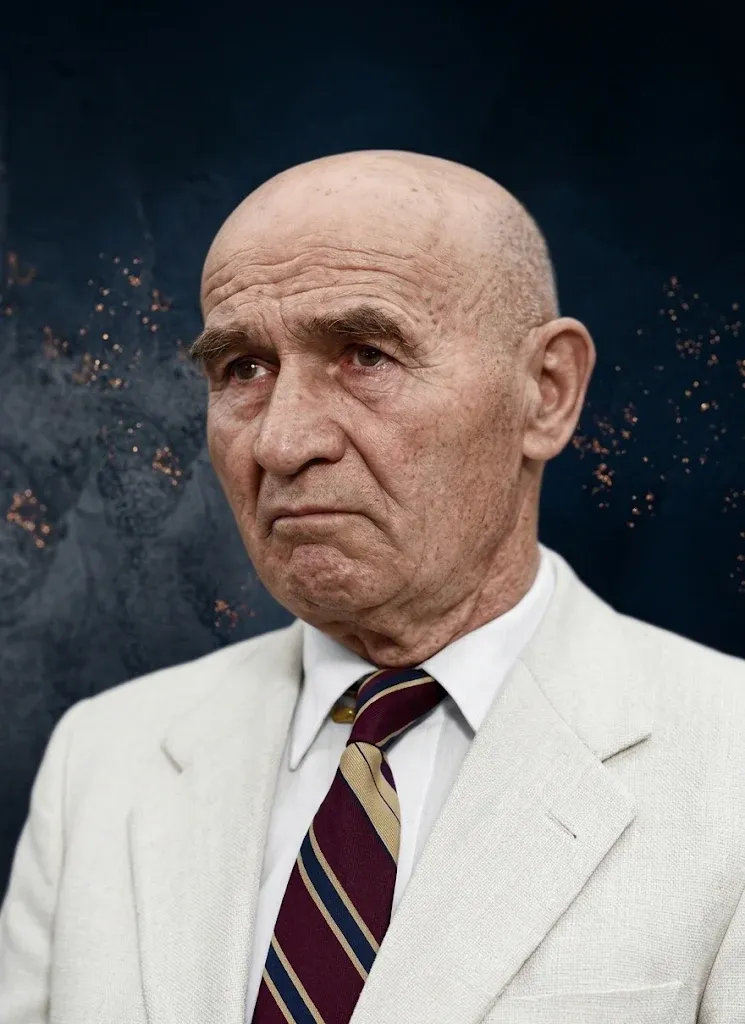
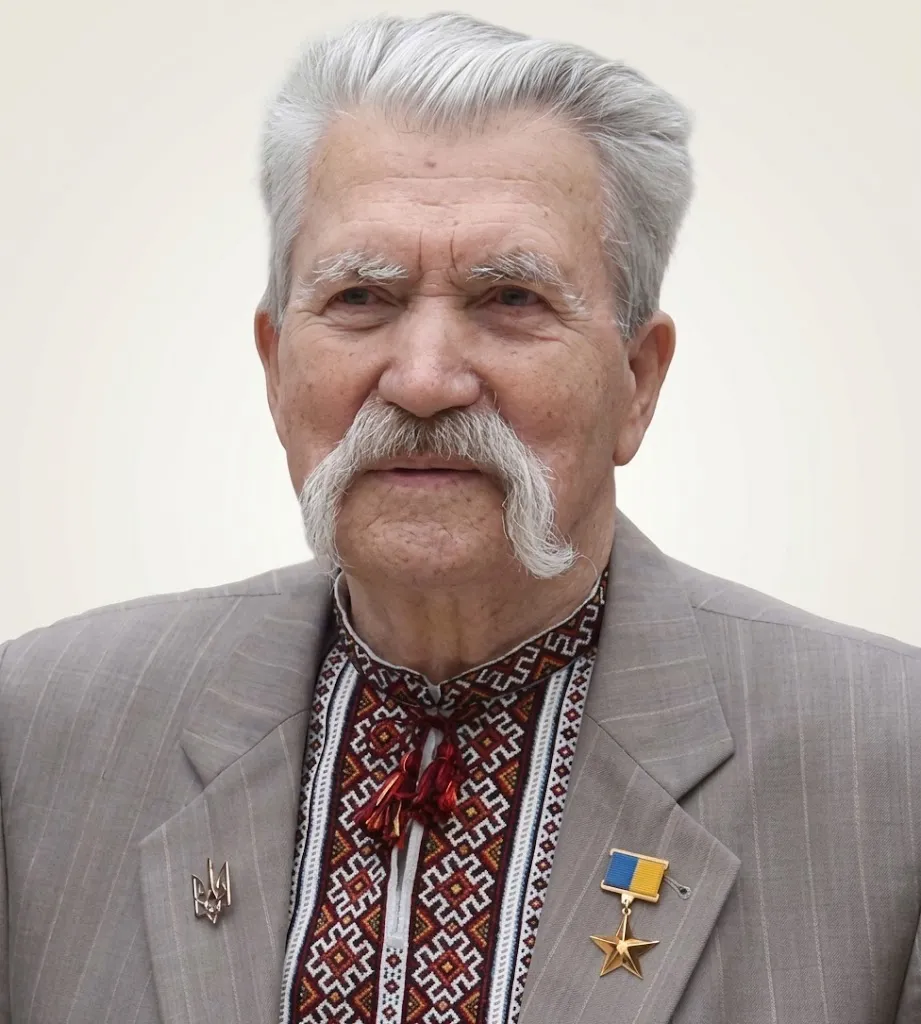
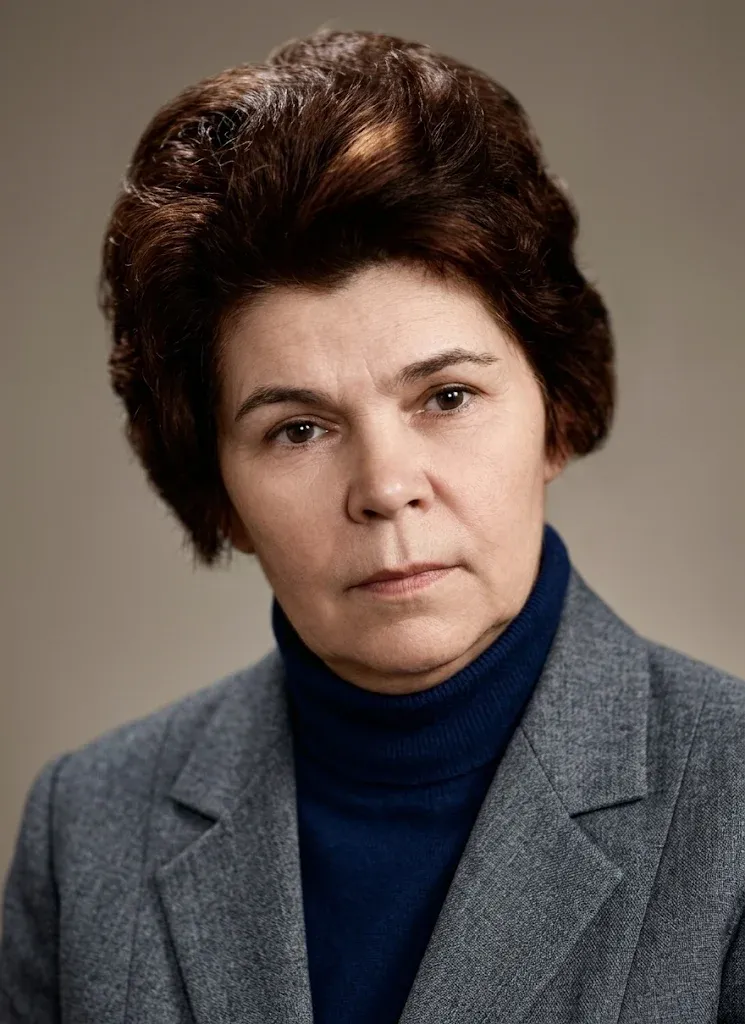
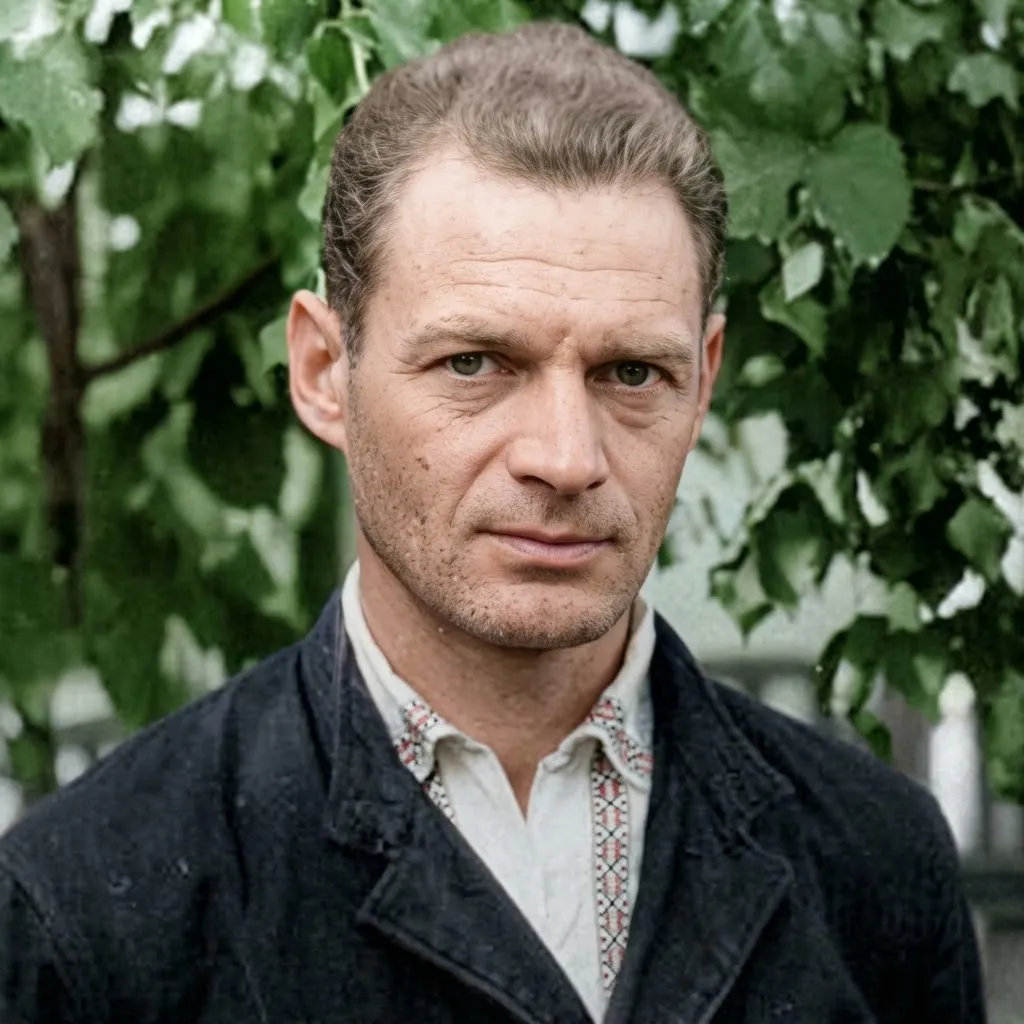
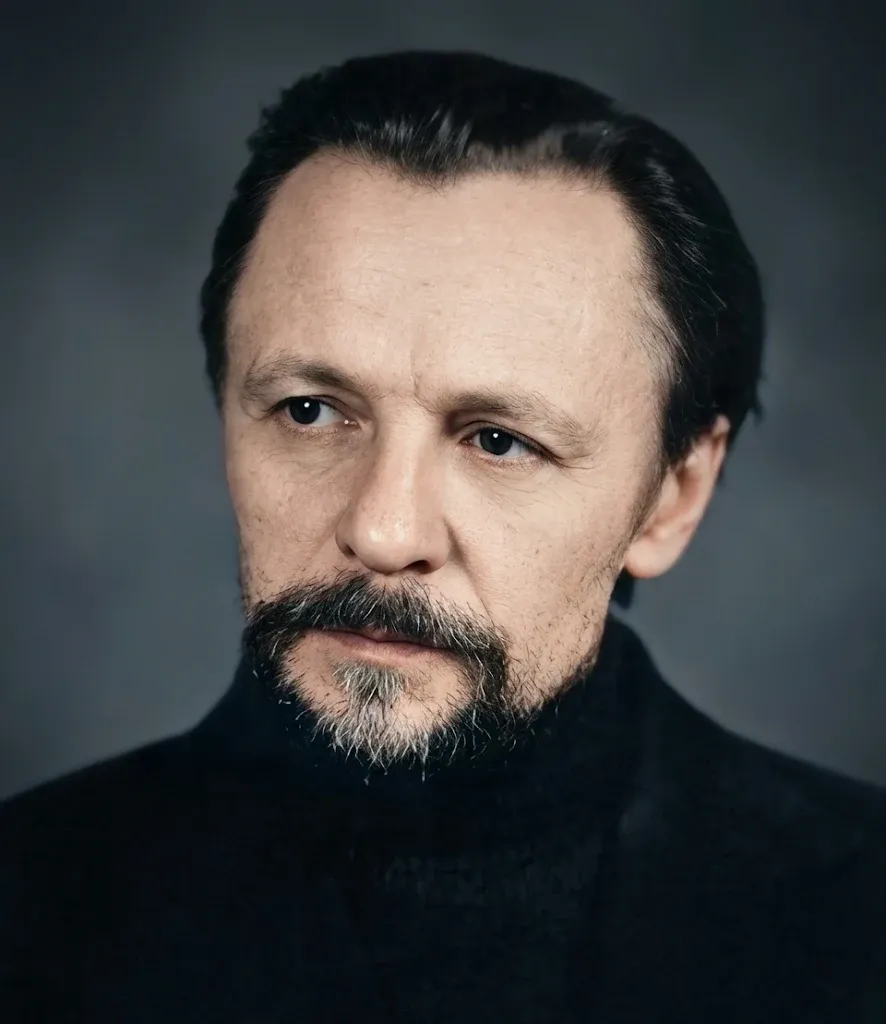
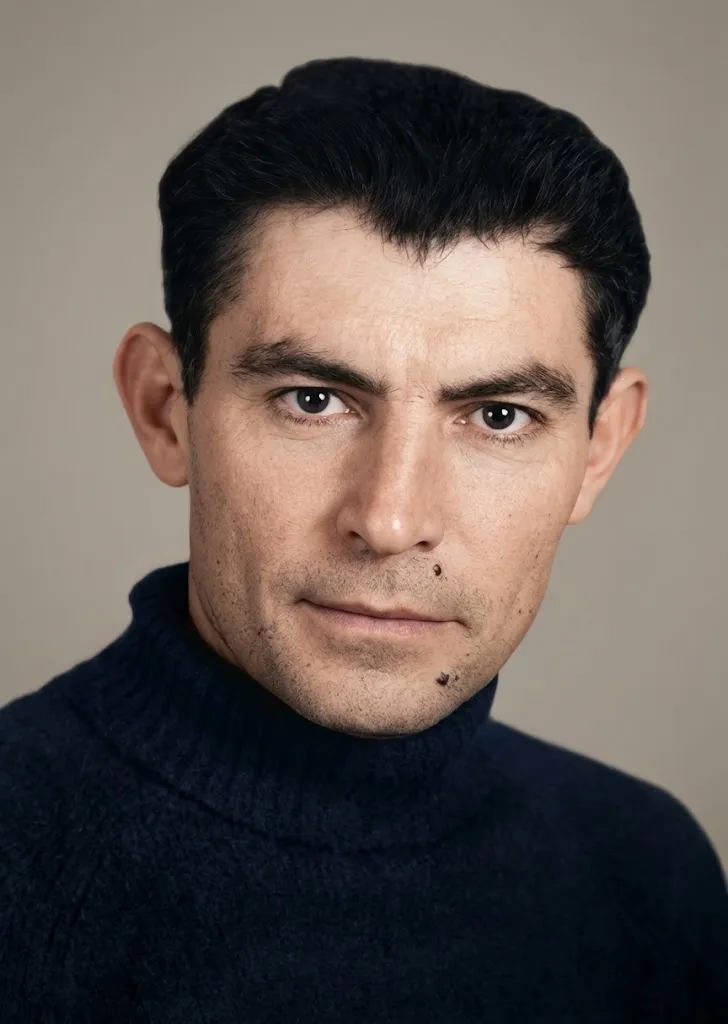
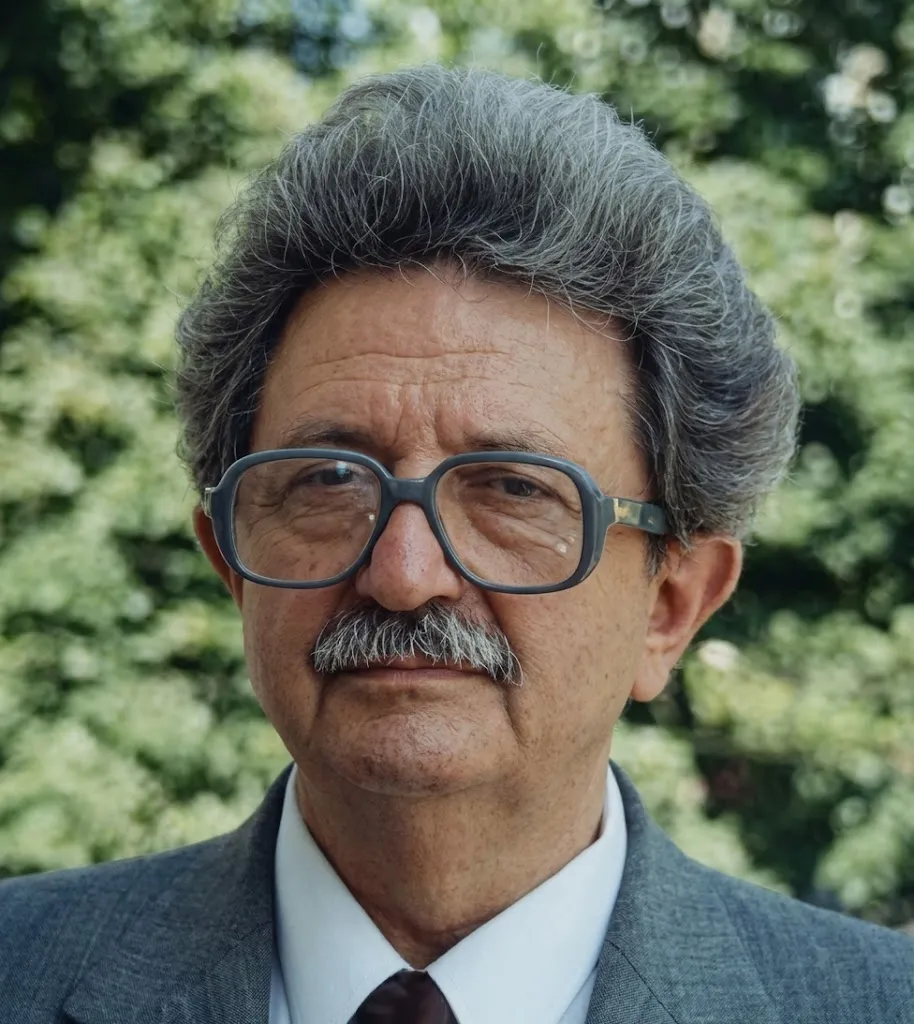
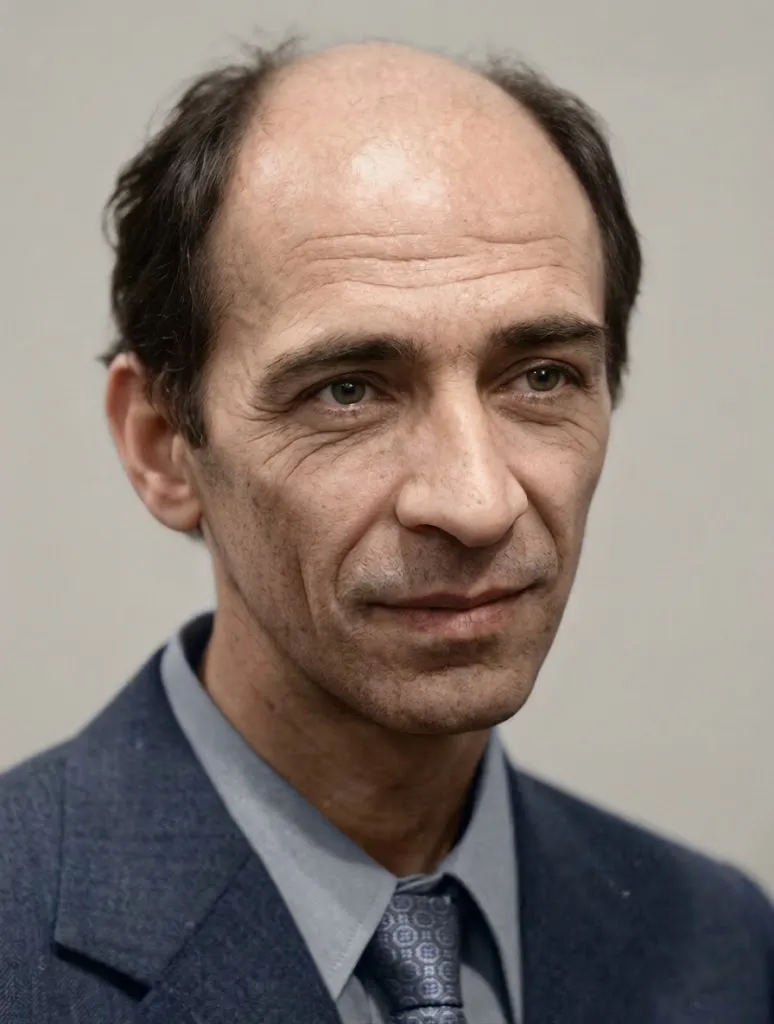
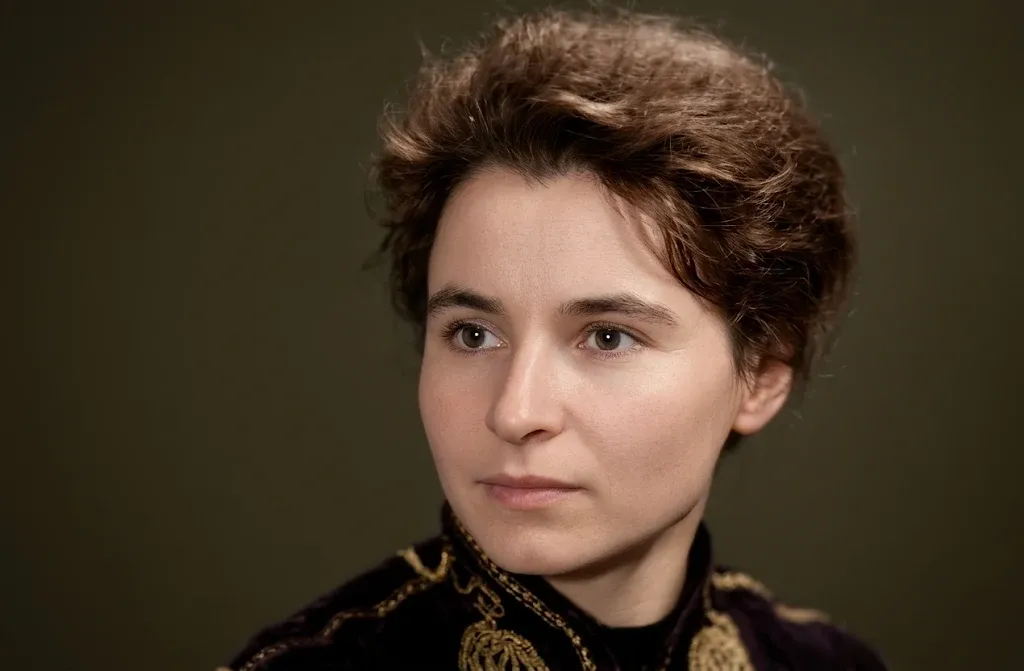
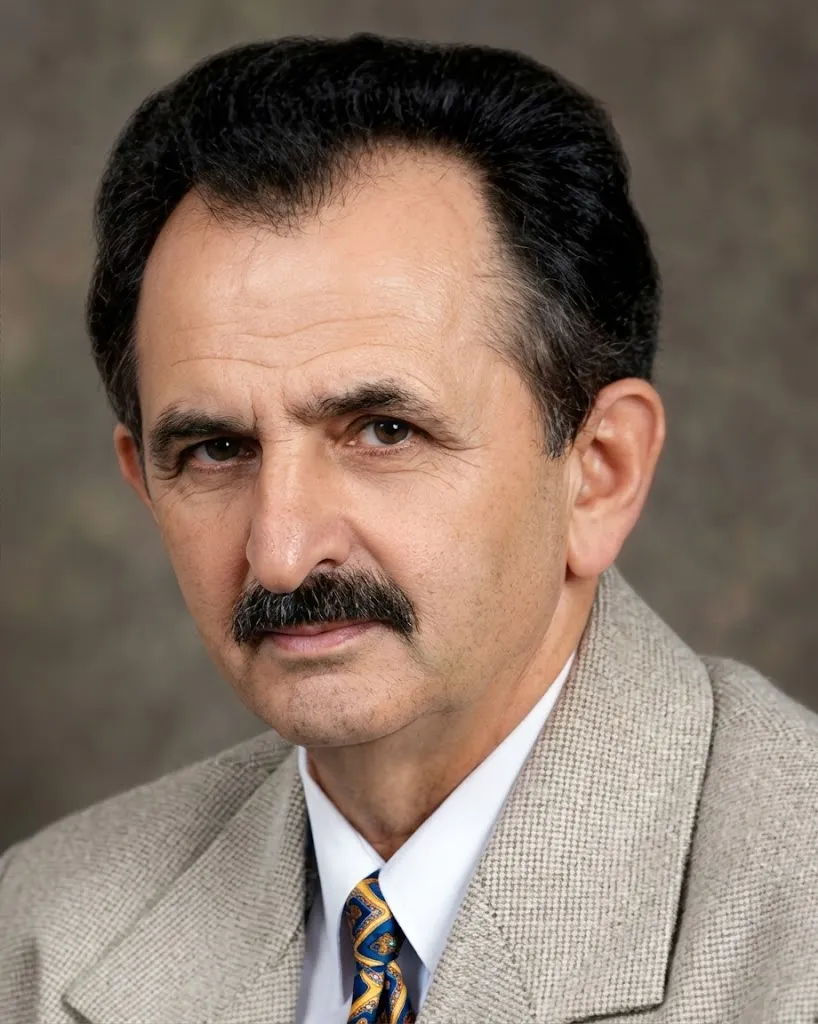
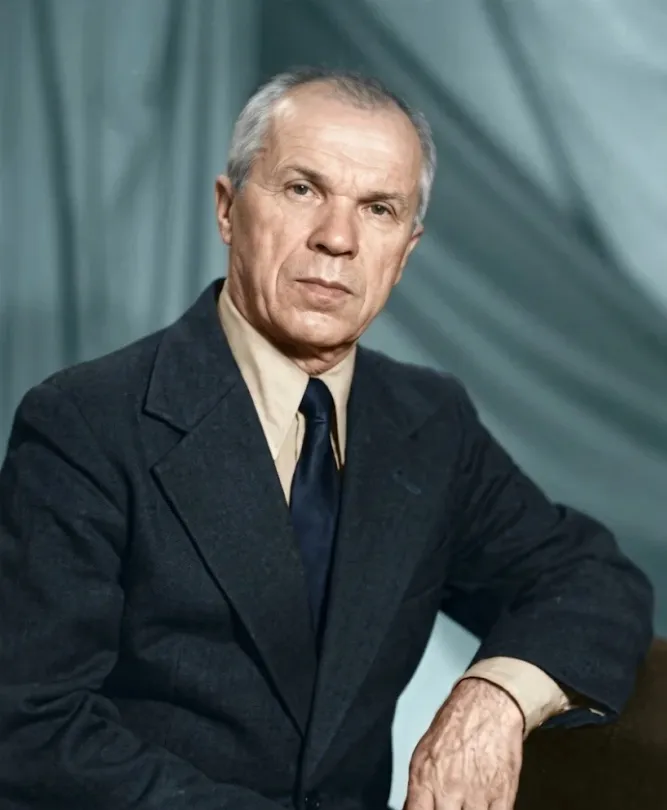
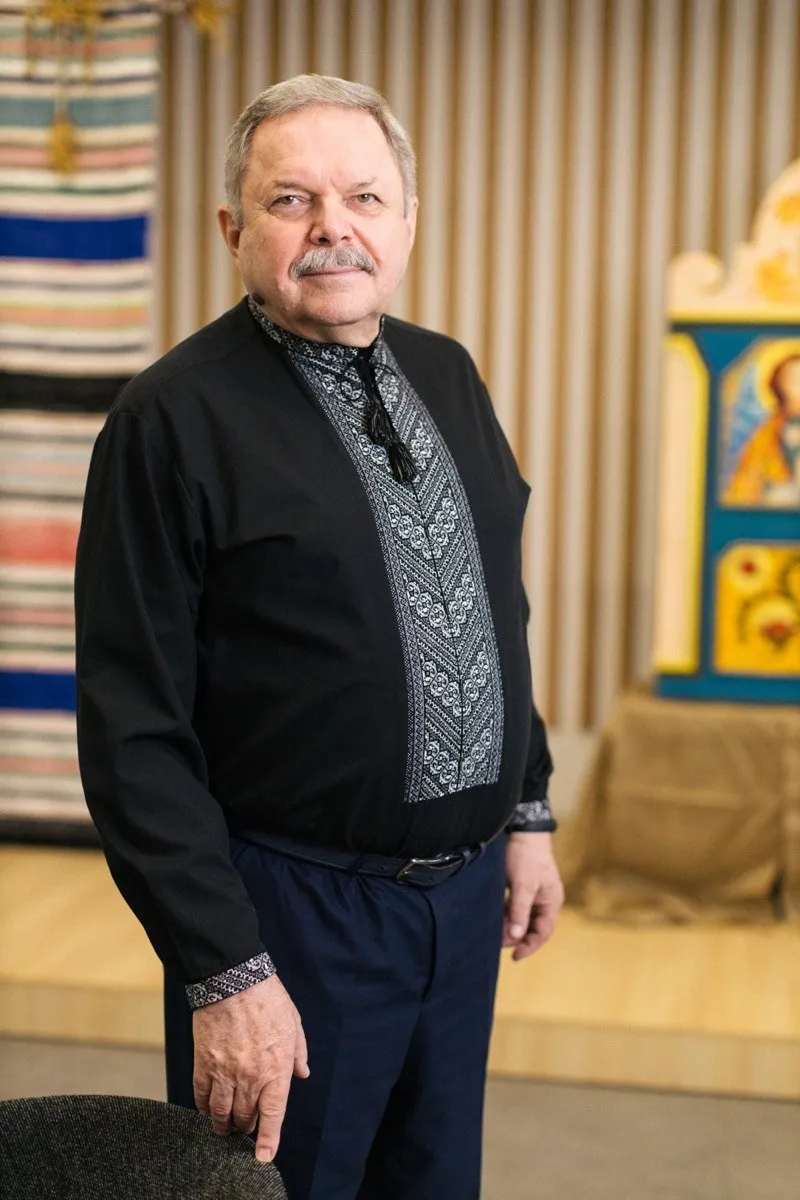
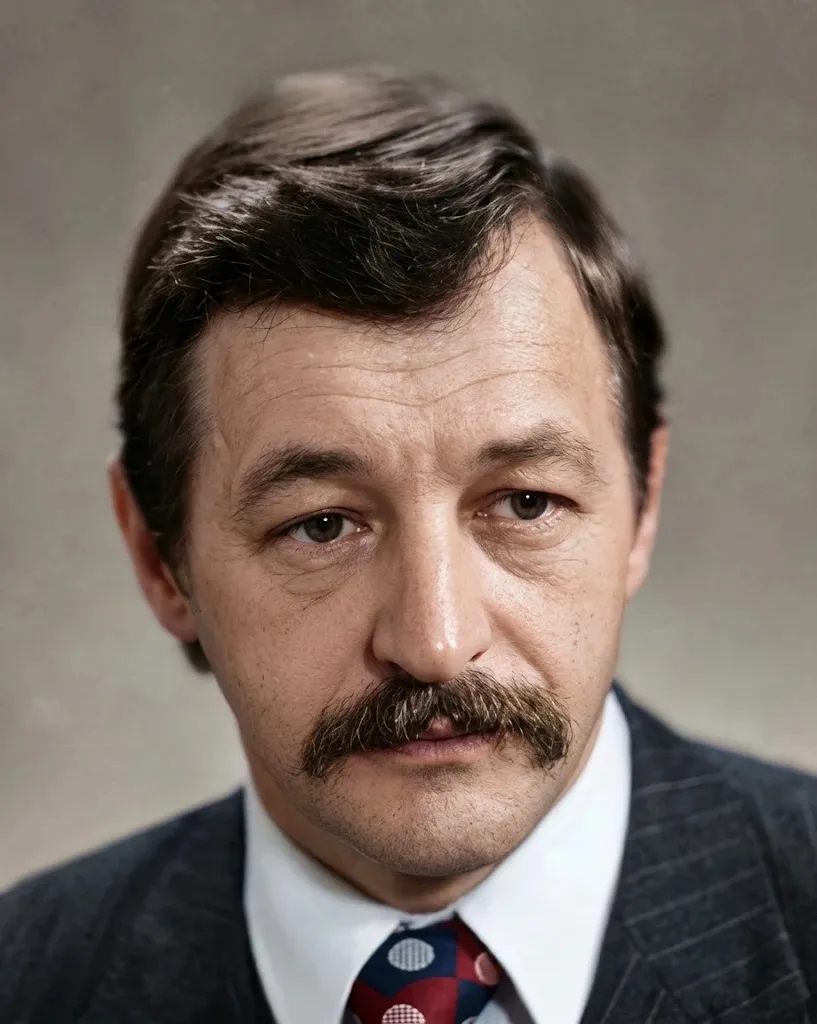
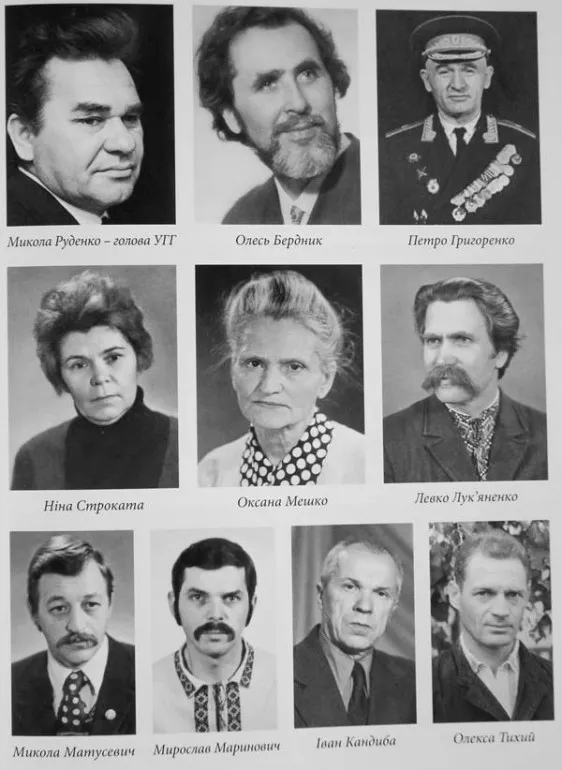
The group’s full name was the Ukrainian Public Group to Promote the Implementation of the Helsinki Accords. Its founders were the writer Mykola Rudenko, who led it, the science-fiction writer Oles Berdnyk, General Petro Hryhorenko, Ivan Kandyba, Levko Lukianenko, Myroslav Marynovych, Mykola Matusevych, Oksana Meshko, the doctor Nina Strokata-Karavanska and the teacher from the Donetsk region Oleksa Tykhyi.
Kyiv had no accredited foreign journalists, so Rudenko announced the group in Moscow, in the flat of the human rights activist Alexander Ginzburg. Within a few hours, bricks were thrown through the windows of Rudenko’s home in Koncha-Zaspa near Kyiv. Oksana Meshko was staying there that night, and she was hurt in the shoulder. Rudenko later joked that this was the KGB’s salute to the group’s birth.
The law instead of weapons
The group did not call for an uprising. In its Declaration it set out peaceful aims: to spread the Universal Declaration of Human Rights, to press for the Helsinki promises to be kept, and to have Ukraine represented by its own delegation at international meetings. Its members gathered facts about persecution for people’s beliefs, and about pressure on the Ukrainian language, culture and faith. They sent their memoranda, statements and information bulletins, dozens of them, to the West so that the world would learn about these violations.
Arrested one by one
The authorities soon answered. On 5 February 1977 Rudenko and Tykhyi were arrested. They were tried that summer not in Kyiv but in the small town of Druzhkivka in the Donetsk region, so that fewer people would hear of it: Rudenko got 7 years in a strict-regime camp and 5 years of exile, Tykhyi 10 years in a special-regime camp and 5 years of exile. In April 1977 Marynovych and Matusevych were arrested, and in December Lukianenko, who was sentenced to 10 years’ imprisonment and 5 years’ exile.
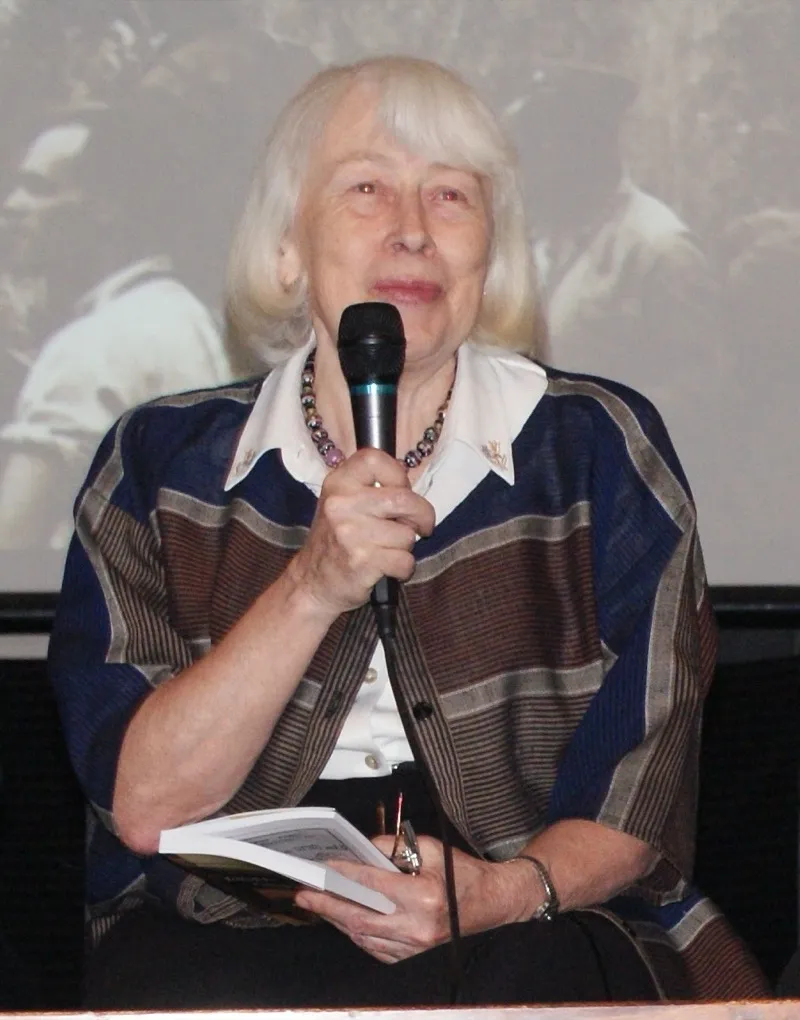
Once the men who had founded the group were jailed, Oles Berdnyk and Oksana Meshko became its informal leaders. They too were later sentenced, Meshko when she was almost 76. By March 1981 every member still in Ukraine was in a camp or in exile.
New people in place of the jailed
The group did not disappear, because new people took the place of those arrested. On 13 May 1977, after her husband’s arrest, Olha Heiko-Matusevych announced that she was joining, and that same year the poet Mykola Horbal came to Kyiv on purpose to join the group. In 1978, at Meshko’s suggestion, the poet Yurii Lytvyn joined, and in 1979, back in Kyiv after exile, Vasyl Stus. Viacheslav Chornovil, Vasyl Ovsiienko and the priest Vasyl Romaniuk, later Patriarch Volodymyr, became members too. Some joined while already in captivity: Stefaniia Shabatura and Sviatoslav Karavanskyi announced it in 1979, and Mykhailo Horyn was admitted in a camp exercise yard. Valerii Marchenko joined the group on 21 October 1983, the day of his second arrest.
In all, 41 people belonged to the group, and 39 of them were given long sentences. The US Congress commission that monitored the Helsinki Accords called the Ukrainian group the largest of the Soviet Helsinki groups and the most persecuted.
Those who did not come back
Four members of the group died in captivity. In May 1984 Oleksa Tykhyi died in a prison hospital in Perm, in September Yurii Lytvyn in a hospital in Chusovoi, and in October Valerii Marchenko in a prison hospital in Leningrad. In September 1985 Vasyl Stus died in a punishment cell of the camp in the Ural village of Kuchino. They were seriously ill and did not get proper medical care.
On 19 November 1989 the remains of Stus, Tykhyi and Lytvyn were reburied at Baikove Cemetery in Kyiv. Tens of thousands of people came to say goodbye.
A voice abroad
Those the authorities could not jail, they pushed out of the country. In 1978 the group’s Foreign Representation started work in the United States: it was led by Petro Hryhorenko, who had been stripped of his Soviet citizenship, and its members were Leonid Pliushch and Nadiia Svitlychna, who published the Herald of Repression in Ukraine. Later Nina Strokata-Karavanska joined them. The Representation published material about Ukrainian political prisoners in Ukrainian and English, so that the West would know about them.
They were heard. On 21 September 1982 US President Ronald Reagan signed a proclamation dedicating 9 November 1982, the sixth anniversary of the group’s founding, to the Ukrainian Helsinki Group. It spoke of the long prison terms its members had been given.
From group to union
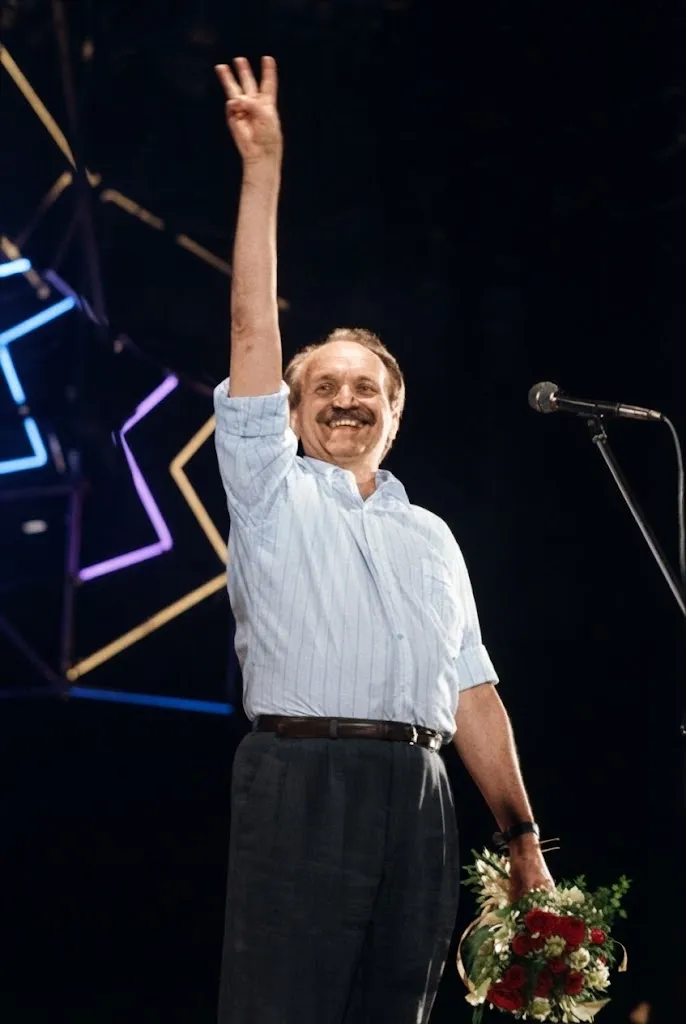
In the late 1980s political prisoners began to be released, and they took up the group’s work again. In spring 1988 Viacheslav Chornovil, together with Mykhailo and Bohdan Horyn, prepared the documents of a new organisation, and on 7 July 1988 the founding of the Ukrainian Helsinki Union was announced at a large rally in Lviv. Levko Lukianenko, still in exile, was chosen as its head, and Chornovil led its executive committee. It was the first mass opposition organisation in Soviet Ukraine, and it now openly sought real sovereignty for Ukraine.
In the elections of spring 1990, 11 members of the Union became deputies of the Verkhovna Rada. On 29–30 April 1990 the Union became the Ukrainian Republican Party, led by Lukianenko.
Why it matters today
The Ukrainian Helsinki Group had no weapons, no money and no power: only the truth, the law and the promises the USSR itself had signed in Helsinki. Moscow never meant to keep them: the arrests began within three months, 39 of the group’s 41 members were given long sentences, and four died in captivity. Almost twenty years later russia signed the Budapest Memorandum, promising to respect Ukraine’s borders, then occupied Crimea in 2014 and launched a full-scale war in 2022. This story teaches that Moscow’s promises are worth nothing unless something stronger backs them, and that is worth remembering today, while the war goes on. Yet the group’s peaceful struggle gave rise to the movement that helped Ukraine become independent, and anyone who stands up for its freedom today carries on their work.