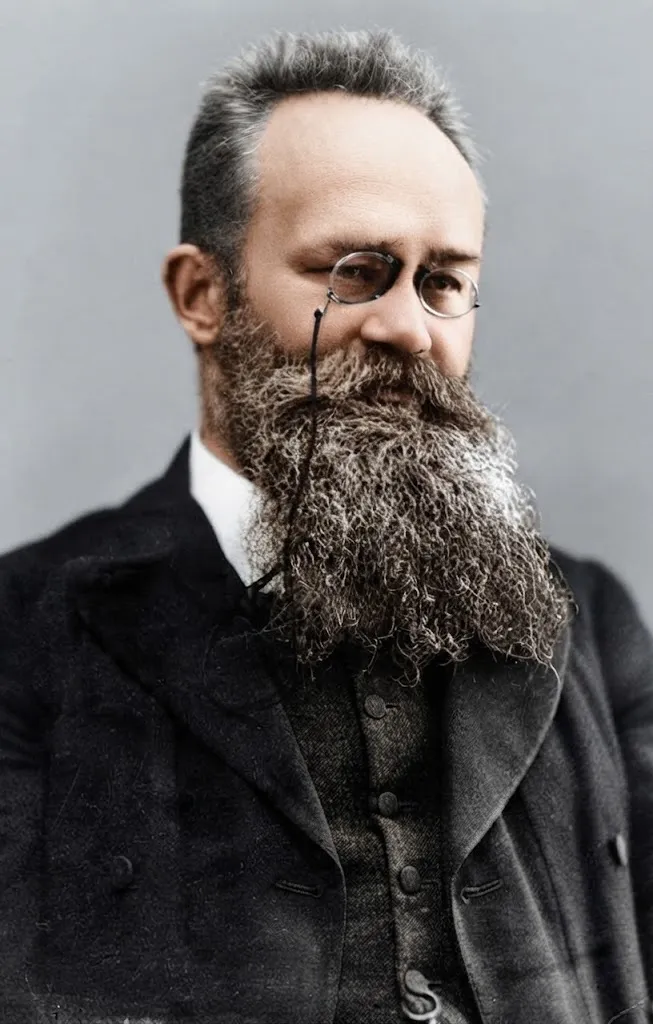
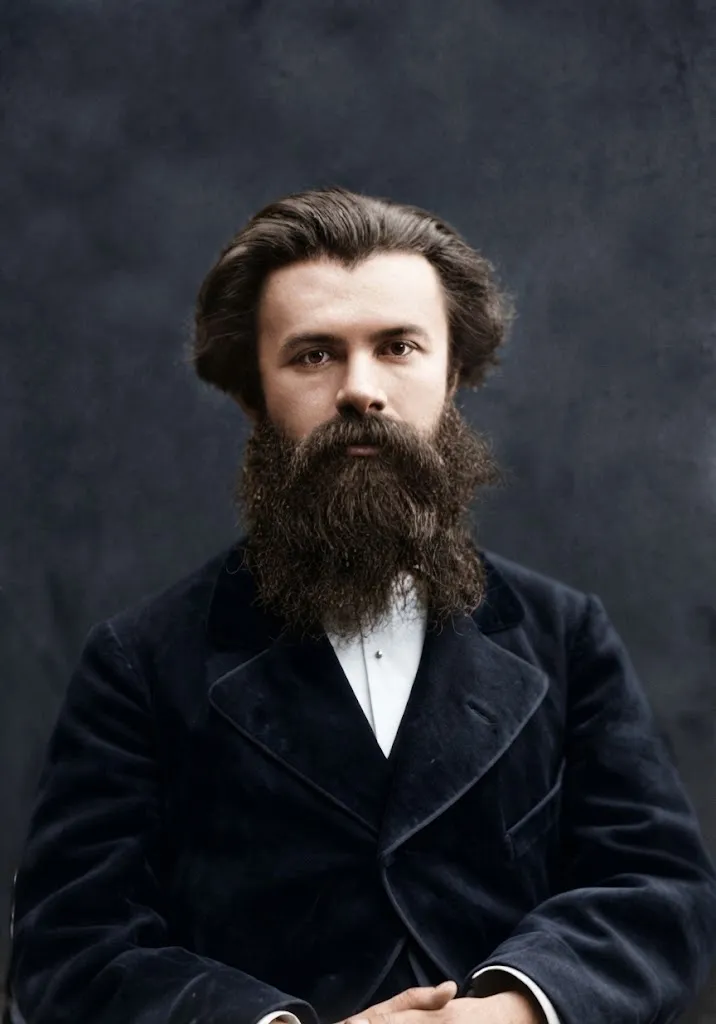
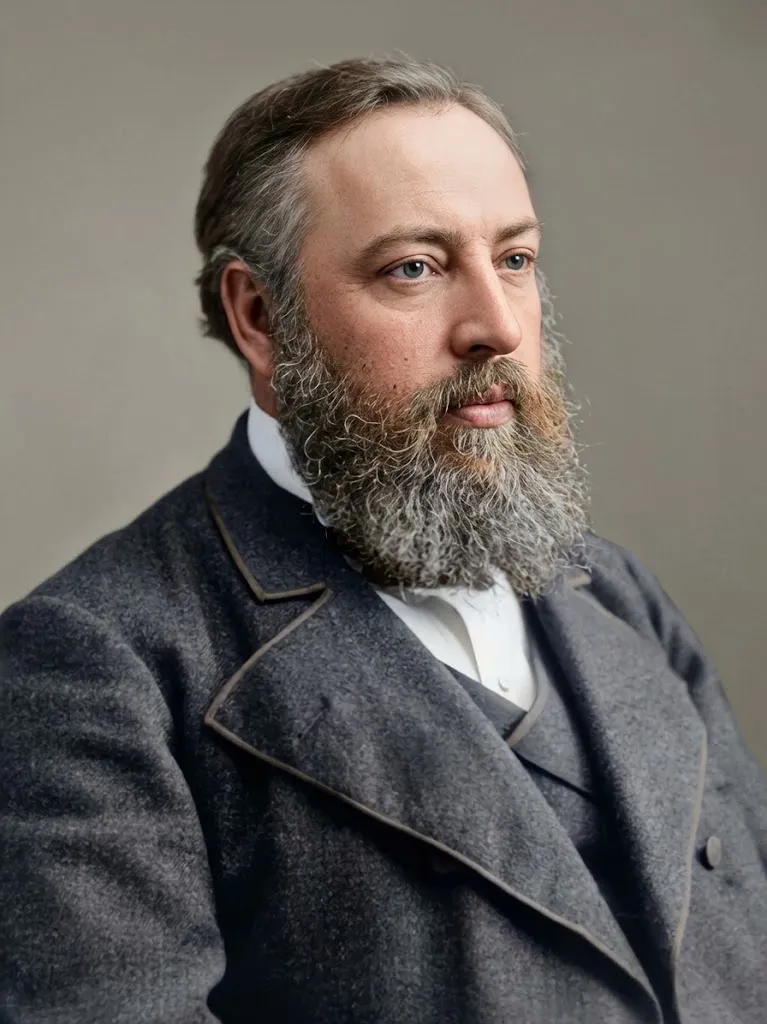
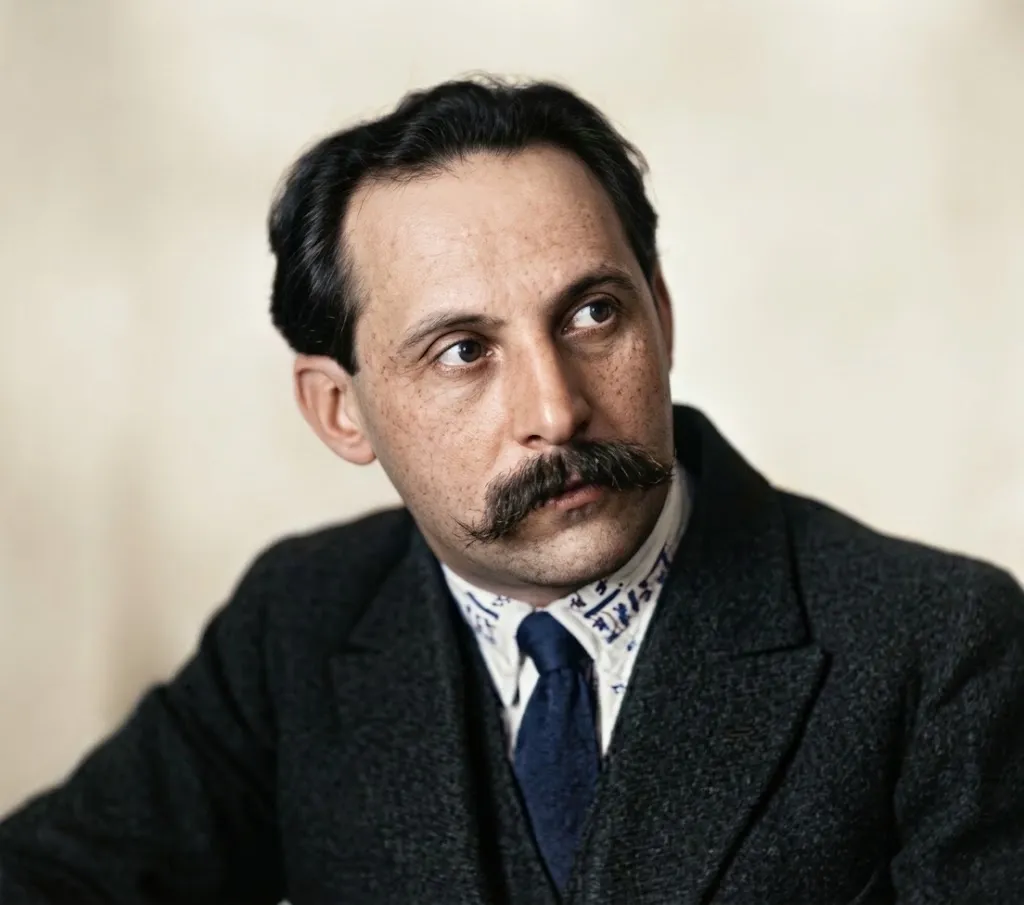
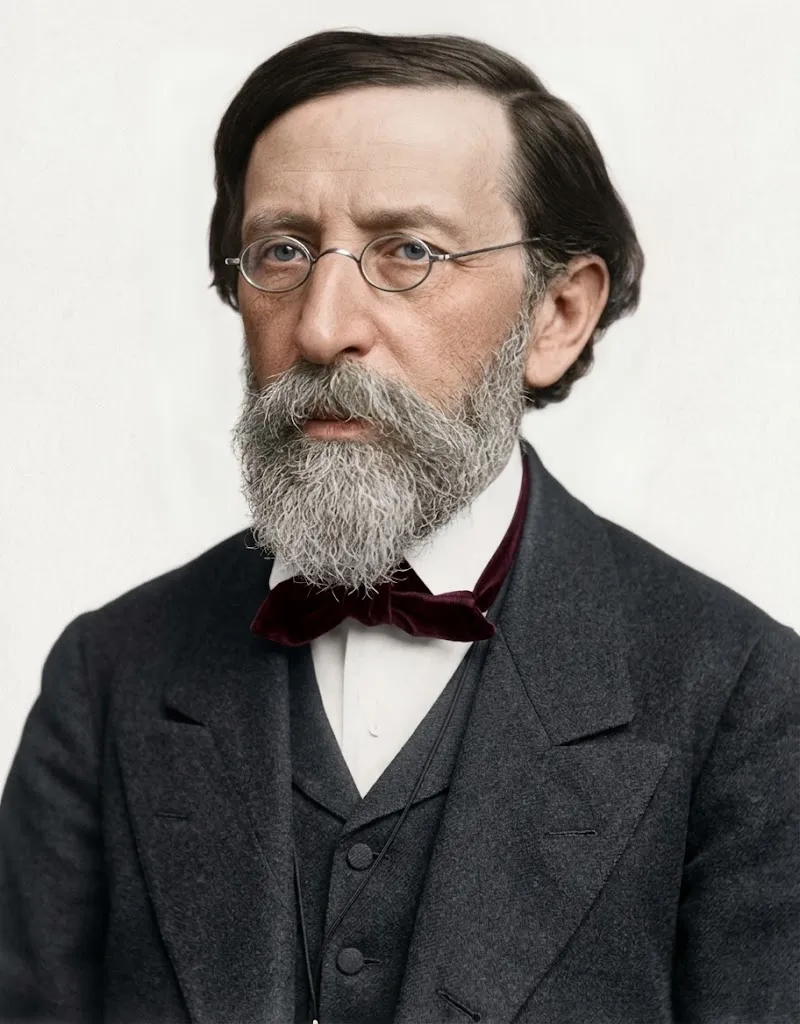
Volodymyr Antonovych
Historian, archaeologist
Raised in a Polish gentry family, he chose to be Ukrainian and explained why in My Confession. Volodymyr Antonovych, leader of the khlopomany and a founder of the Kyiv Hromada, laid the foundations of Ukrainian archaeology and trained a school of historians, Mykhailo Hrushevskyi among them.
Key accomplishments
- The article My Confession (Osnova, 1862), the manifesto of the khlopomany; one of the organisers of the Kyiv Hromada (1861) and later its head
- Chief editor of the Kyiv commission for the study of old documents (1864–1880): volumes of sources on the history of Right-Bank Ukraine, 16th–18th centuries
- Excavations in the Land of the Derevlianians (1893); archaeological maps of the Kyiv (1895) and Volhynia gubernias
- Founder of the Kyiv school of historians; head of the Nestor the Chronicler Historical Society (from 1881)
- Compiled a collection of Ukrainian historical songs with Mykhailo Drahomanov (1874–1875); co-initiator of the journal Kievskaia starina (1882)
A nobleman in a peasant’s coat
Can you choose who you are? Volodymyr Antonovych was born in 1834 in the small town of Makhnivka in the Kyiv gubernia (now the Vinnytsia region), into an impoverished Polish gentry family. He went to school in Odesa and, at his mother’s wish, first trained as a doctor at Kyiv University. Then he switched to history and philology, where Mykola Kostomarov was among his teachers. As a student he read Cossack chronicles and Shevchenko, and in the summers he and his friends walked from village to village dressed as peasants, to get to know the land and its people.
A confession that caused a stir
Why would a nobleman side with the peasants? Answering a Polish journalist, in 1862 Antonovych explained it in his article My Confession in the journal Osnova: a nobleman living in Ukraine had to make an honest choice, either love the people he lived among and work for them, or leave. He chose the first. Antonovych led the circle of the khlopomany (“peasant lovers”), which included Tadei Rylskyi and Pavlo Chubynskyi, and became one of the organisers of the Kyiv Hromada and later its head.
Archives, burial mounds and coins
For sixteen years Antonovych edited volumes of old documents in Kyiv on the Cossacks, the haidamaky rebels, the peasants and the towns of Right-Bank Ukraine. He dug burial mounds in the old land of the Derevlianians and drew up archaeological maps of the Kyiv and Volhynia gubernias, which is why he is considered the founder of Ukrainian archaeology as a science. With Mykhailo Drahomanov he published the historical songs of the Ukrainian people. He was the first to argue that Ukrainians had been a distinct people since ancient times, and he brought the name “Ukraine-Rus” into scholarship.
A teacher of teachers
A professor from 1878, Antonovych trained a whole Kyiv school of historians at the university, among them Dmytro Bahalii and Mykhailo Hrushevskyi. It was he who recommended Hrushevskyi for the chair in Lviv in 1894. He was a close friend of Tadei Rylskyi and godfather to his son, the future poet Maksym Rylskyi. In 1897 an all-Ukrainian political organisation was founded on his initiative. He died in Kyiv in 1908 and is buried at Baikove Cemetery.
Why it matters today
Antonovych showed that being Ukrainian is not only a matter of birth but also of choice and work. He built his case for the Ukrainians’ long-standing distinctness on documents and excavations, not legends. His students, from Hrushevskyi to Bahalii, created modern Ukrainian historical scholarship. Anyone who studies Ukraine’s past today from archives and finds is following a path Antonovych laid.