1846–1888
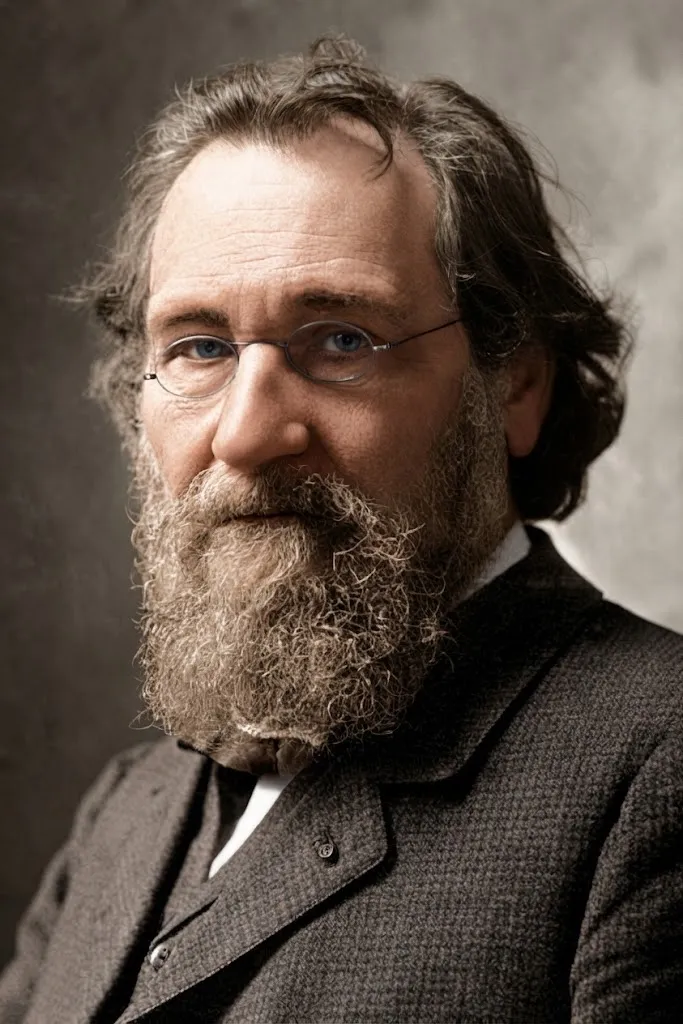
Mykola Miklukho-Maklai
Explorer and anthropologist
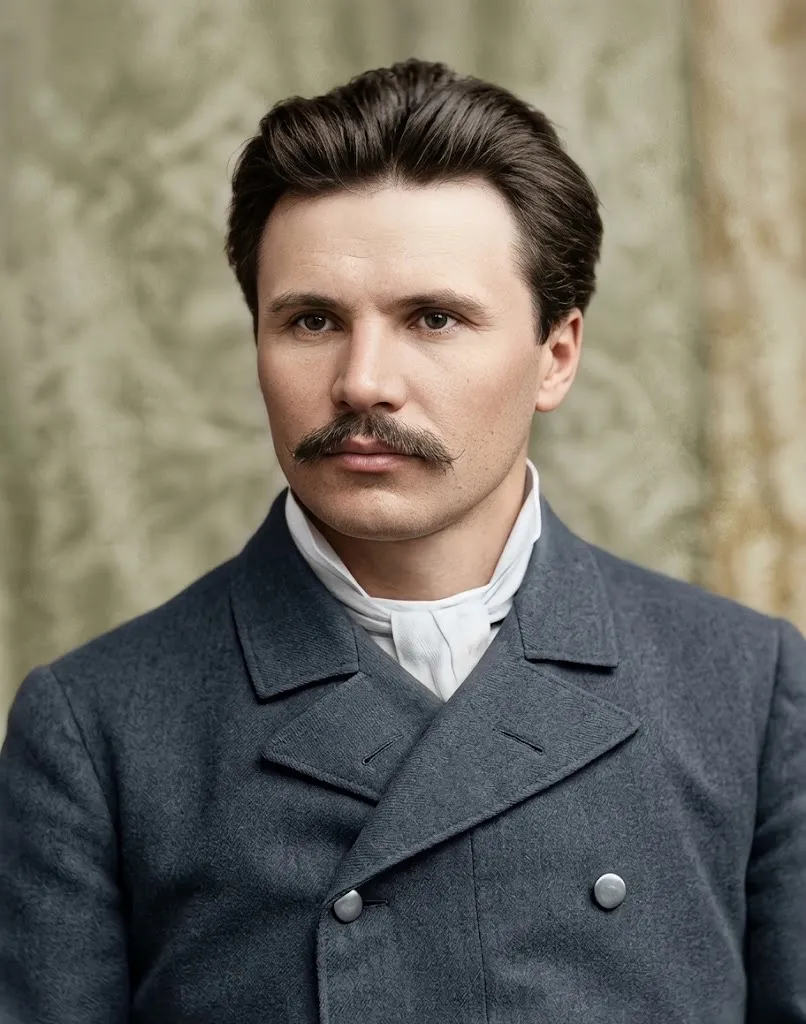
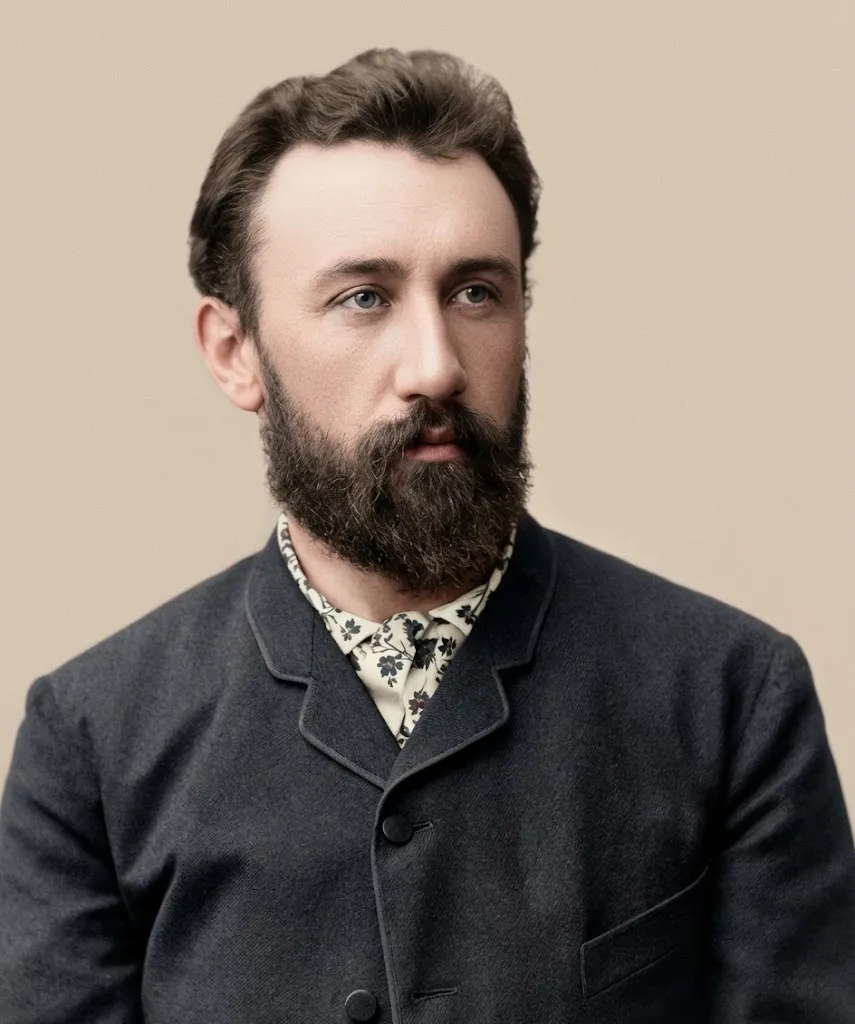
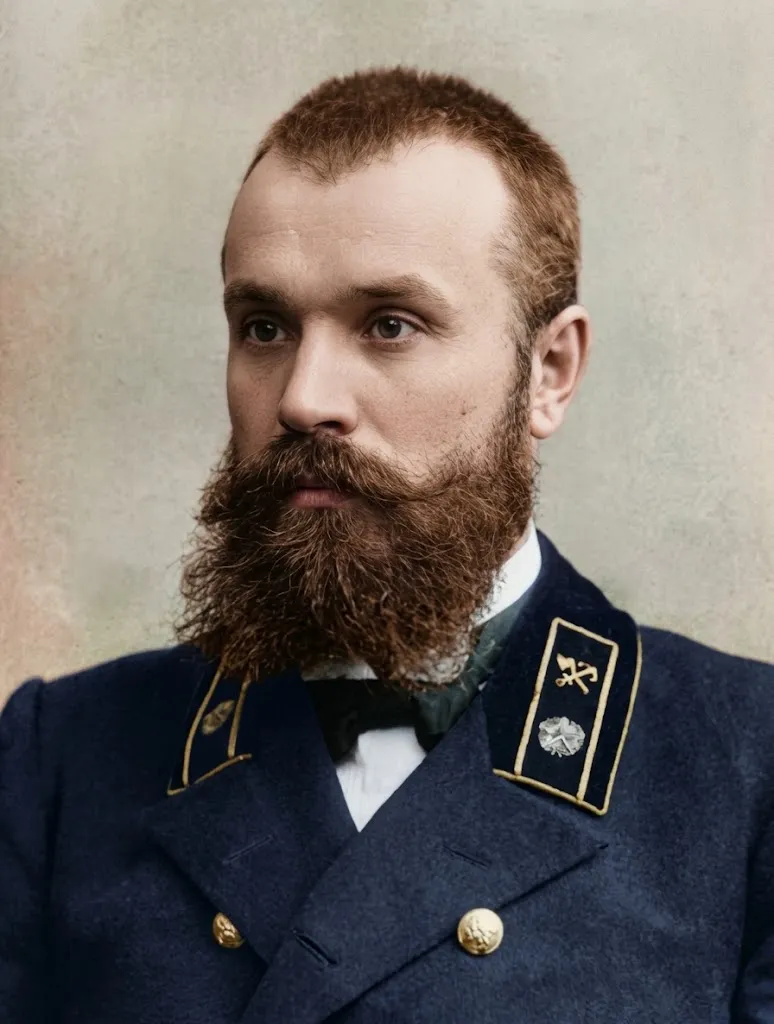
A stretch of New Guinea is called the Maclay Coast, after Mykola Miklukho-Maklai. An explorer and anthropologist descended from a Zaporozhian Cossack, he lived among the Papuans and argued that all races are equal. His father came from the Chernihiv region and helped Taras Shevchenko.
Key accomplishments
- About 15 years (1871–1886) exploring New Guinea, the Philippines, Indonesia, Melanesia, Micronesia and Australia
- Lived about three years among the Papuans of New Guinea
- Argued for the unity and equality of all human races
- Campaigned against the slave trade in the Pacific islands
- Founded a marine biological station in Sydney
- About 160 works on anthropology, ethnography, zoology and geography
A Cossack family
The Miklukho-Maklai family is traced to a Zaporozhian Cossack captain, Stepan Makukha. Later the family was made noble and changed its name to the smoother-sounding Miklukha. Mykola’s father, a railway engineer, came from Starodub county in the Chernihiv region. He admired Taras Shevchenko, petitioned for the poet’s release from exile and helped him with money, and in 1856 he lost his post for it. Mykola was born in 1846; sources differ on where: the village of Rozhdestvenskoye near Borovichi (now in russia) or Malyn in the Zhytomyr region.
The student who was thrown out
Mykola was expelled from St Petersburg University in 1864 for taking part in student unrest. He carried on in Germany, at Heidelberg, Leipzig and Jena, where he studied medicine. Trips to the Canary Islands (1866) and Italy (1867) drew him into anthropology and ethnography. He also studied sea creatures off Odesa and the southern coast of Crimea.
A hut on Astrolabe Bay
How does a scientist win the trust of a people he has never met? In September 1871 Miklukho-Maklai landed on the north-east coast of New Guinea, by Astrolabe Bay, and built himself a hut. He won over the local people with patience, courage and a doctor’s skills. In all he spent about three years among the Papuans. He argued that all human races are one and equal, and that there are no “lower races”. He also fought the slave trade: on his advice the Dutch authorities moved in 1878 to stop the traffic in people on the islands of Ternate and Tidore.
Sydney and Malyn
In Australia, Miklukho-Maklai pressed for a marine biological station in Sydney, and it was built at Watsons Bay. In 1884 he married Margaret Clark there. In 1873 his mother had bought an estate near Malyn, then in the Kyiv province (now the Zhytomyr region), and he visited it in 1886 and 1887. Miklukho-Maklai died in St Petersburg in 1888, aged 41.
Why it matters today
Miklukho-Maklai argued that all human races are one and equal, that there are no “lower races”, and he did more than write it: he fought the slave trade. He won the trust of a people he had never met not by force but with patience, courage and a doctor’s skills. The coast of New Guinea where he lived is still called the Maclay Coast, and his idea that no people is higher or lower than another still sounds modern.