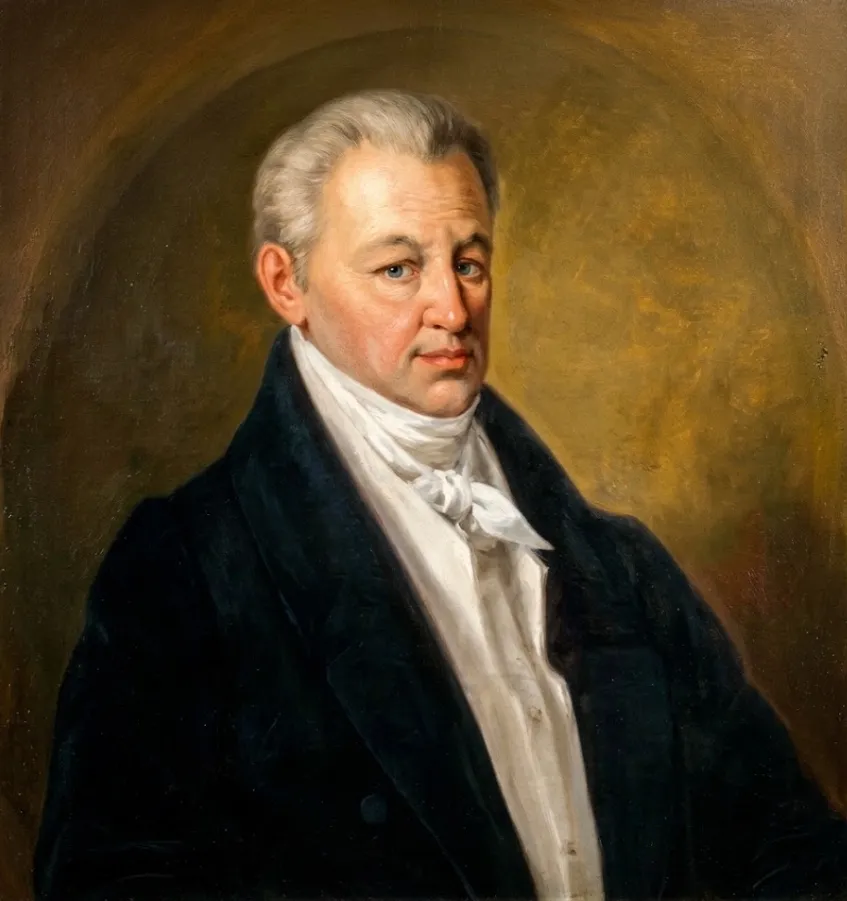
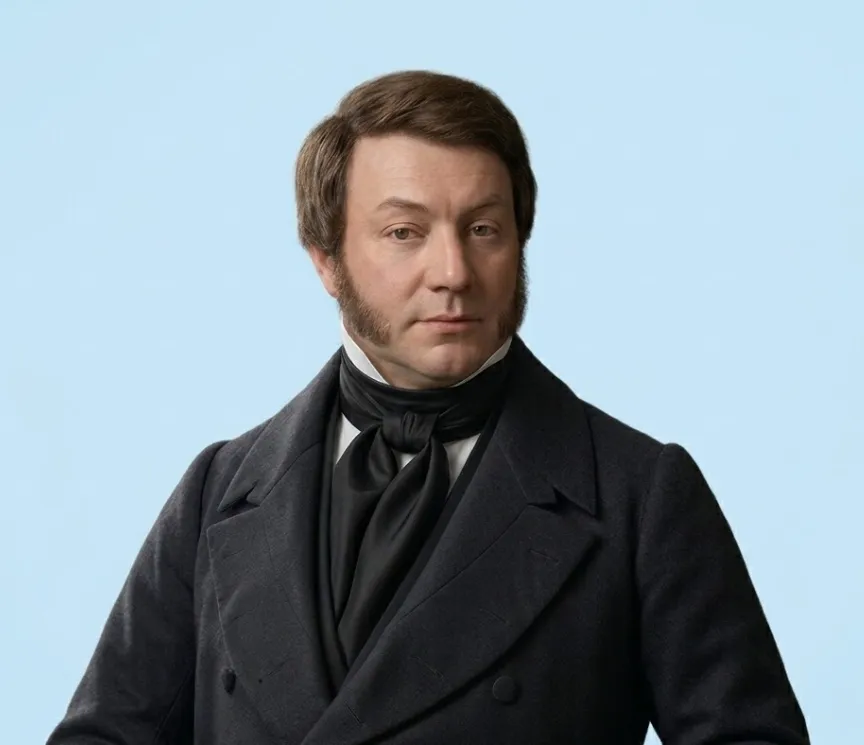
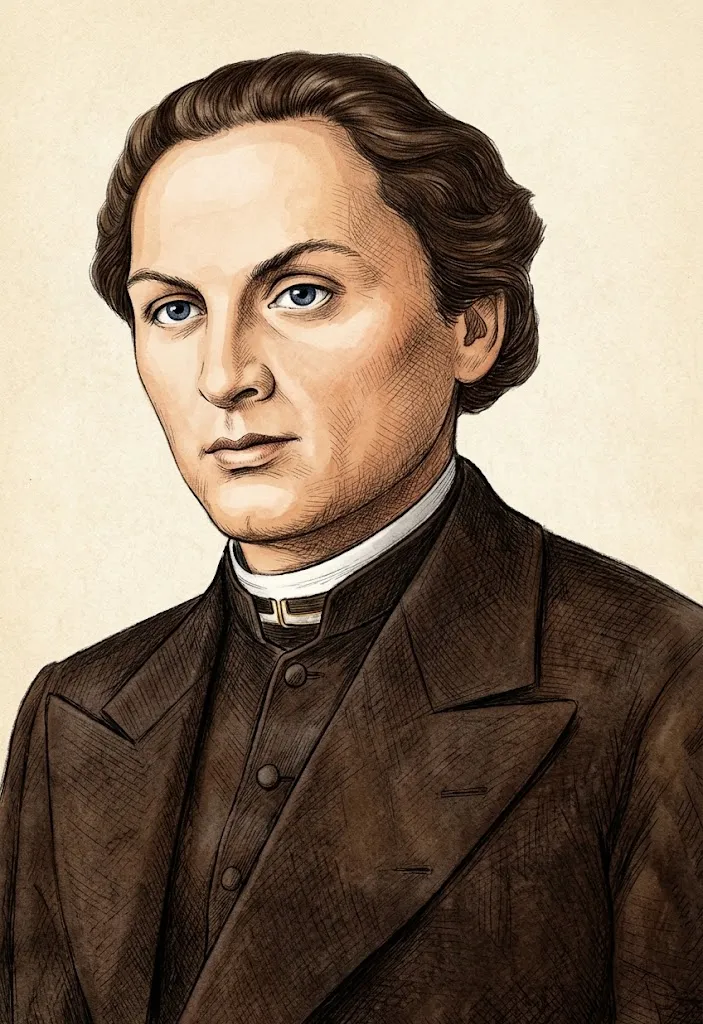
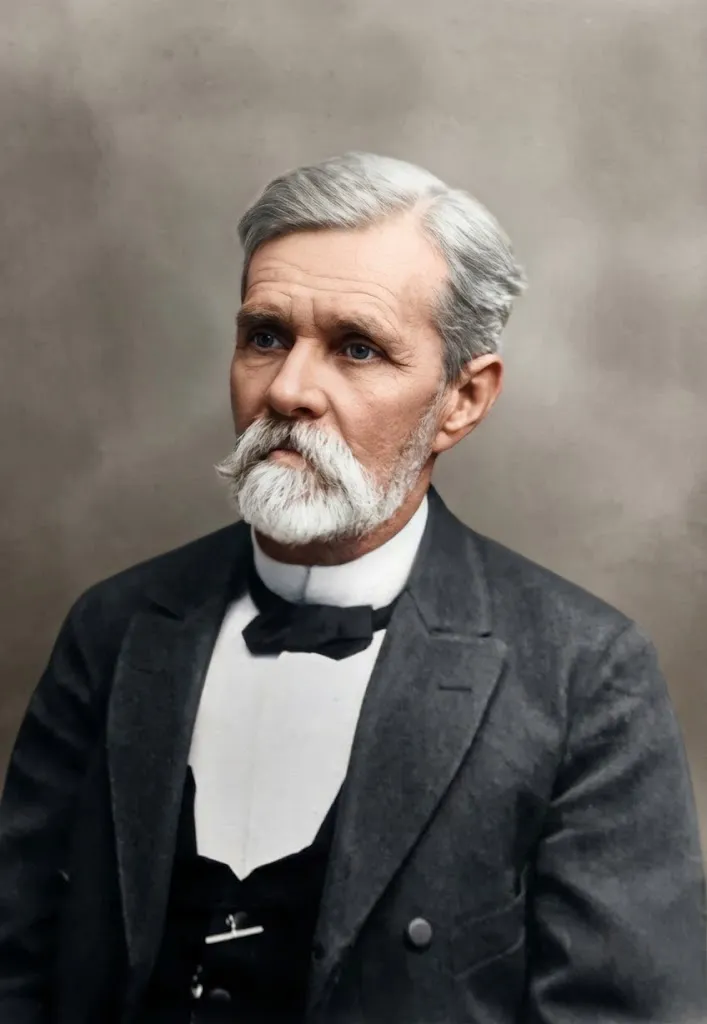
Yevhen Hrebinka
Fabulist, publisher of Lastivka
The romance Dark Eyes (Ochi chornye) is often called an old russian or Gypsy folk song. Its words were written by Yevhen Hrebinka from the Poltava region, a fabulist who helped buy Taras Shevchenko out of serfdom, publish the first Kobzar and put together one of the first Ukrainian almanacs.
Key accomplishments
- The fable collection Malorossiiskie prikazki (Little Russian Fables, 1834), written in Ukrainian, one of the best of its time in Ukrainian literature
- Took part in buying Taras Shevchenko out of serfdom (1838)
- Helped publish Shevchenko’s first Kobzar (1840)
- Compiled and published the almanac Lastivka (The Swallow, 1841), one of the first Ukrainian almanacs
- Author of the poem Dark Eyes (1843), which became a romance known around the world
- His poem A Ukrainian Melody (1839) became a folk song
- Opened a school for peasant children at his own expense (1847)
Whose song is Dark Eyes?
It is sung all over the world and often called an old russian or Gypsy romance. In fact the words of Dark Eyes (Ochi chornye) were written by Yevhen Hrebinka, a man from the Poltava region. The poem, in russian, was first printed in Saint Petersburg on 17 January 1843. The tune came only after the author’s death: it is a waltz by the composer Florian Hermann.
Fables from the farmstead
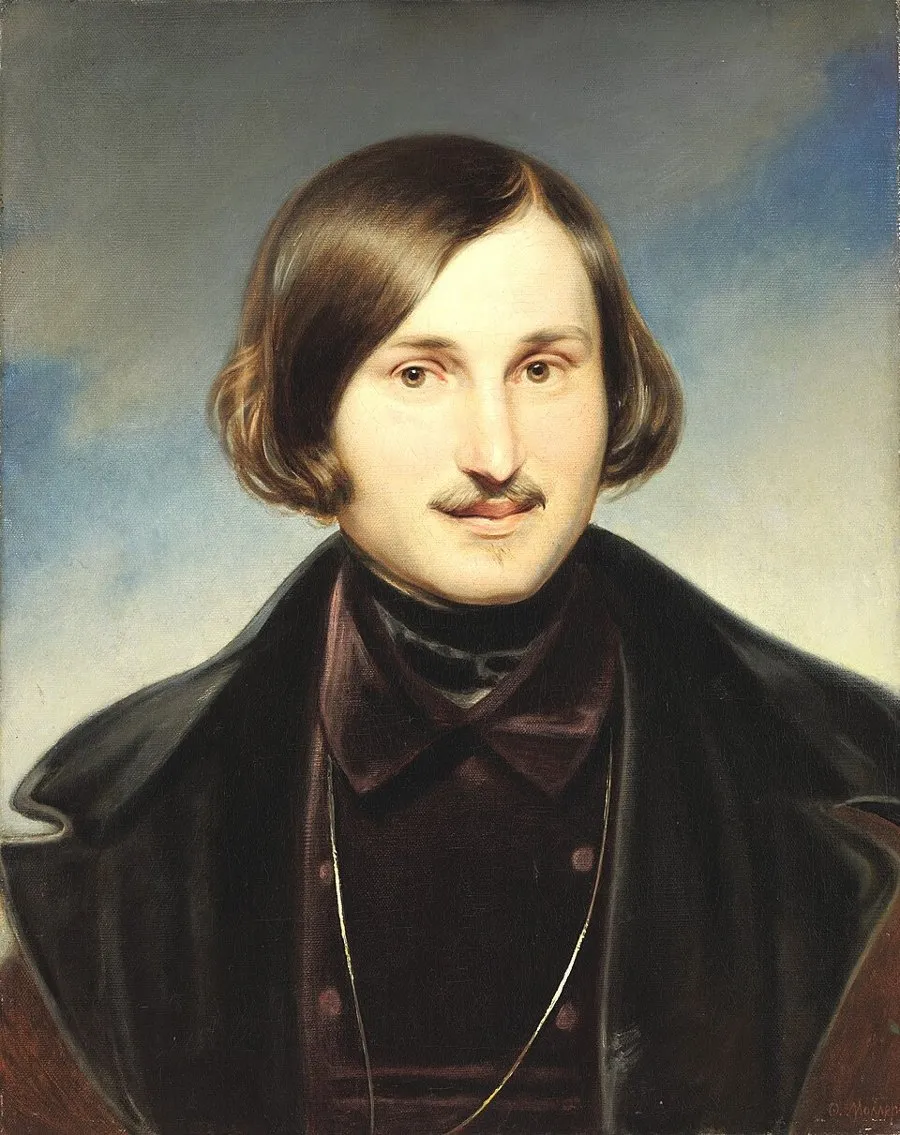
While still a young man, Hrebinka translated Pushkin’s poem Poltava into Ukrainian. He was born on 2 February 1812 at Ubizhyshche, a farmstead near Pyriatyn, into the family of a minor landowner, and studied at the Nizhyn Gymnasium of Higher Sciences, where Nikolai Gogol was also a student at the time.
In 1834 his Malorossiiskie prikazki (Little Russian Fables) came out. The title was russian, but the fables inside were Ukrainian, witty and alive, like the speech of a Poltava village: The Bear’s Court, The Fisherman and others. Hrebinka is considered the finest Ukrainian fabulist of the first half of the 19th century.
Shevchenko’s friend in Saint Petersburg
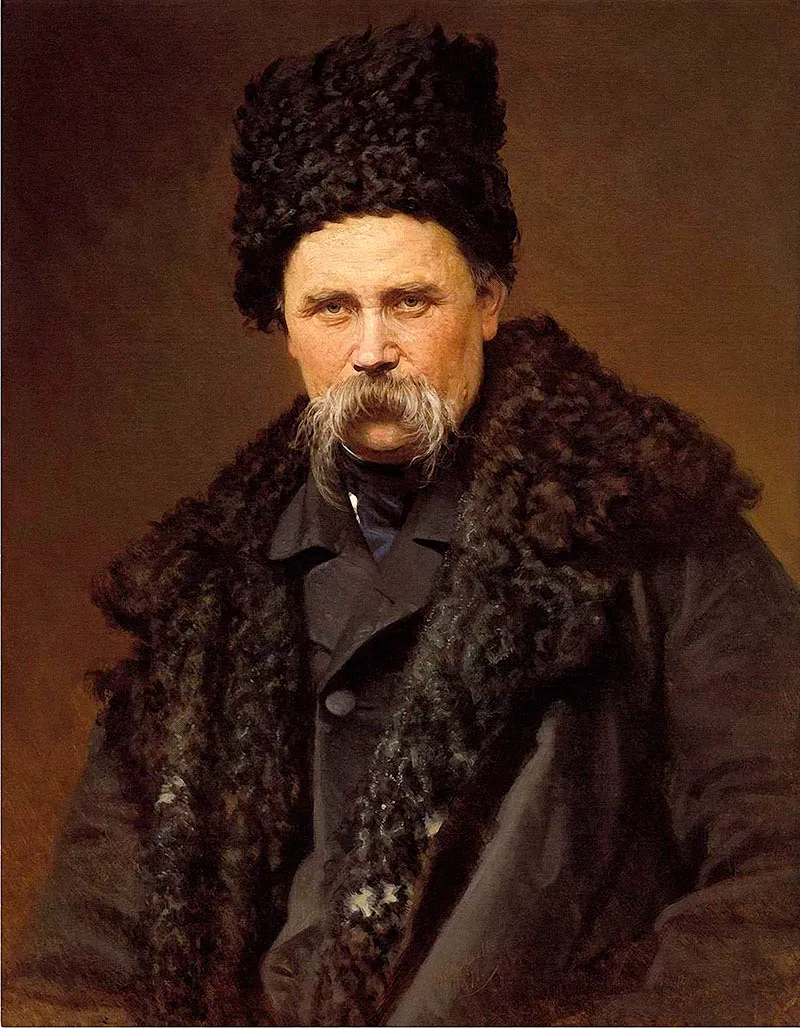
Among those who in 1838 bought the freedom of a young serf, Taras Shevchenko, was Hrebinka. He had moved to Saint Petersburg in 1834 and taught literature at military schools for the rest of his life. He wrote mostly in russian, but he also hosted literary evenings at home. It was the painter Ivan Soshenko who introduced him to Shevchenko.
He also helped publish the first Kobzar in 1840: he brought the poet together with Petro Martos, a Poltava landowner who paid for the printing, and he dealt with the censors.
The Swallow
The almanac Lastivka (The Swallow), which Hrebinka published in 1841, was one of the first Ukrainian almanacs. It carried poems by Shevchenko, works by Ivan Kotliarevskyi and Hryhorii Kvitka-Osnovianenko, and folk songs and proverbs. His own poem A Ukrainian Melody was taken up by people and sung as a folk song.
Hrebinka suffered from tuberculosis and died in Saint Petersburg on 15 December 1848, at 36. As he had asked, he was buried at home, near Ubizhyshche.
Why it matters today
Yevhen Hrebinka showed that you can work for your people even far from home. His fables proved that Ukrainian was a language for witty literature, and his help gave the world a free Shevchenko and the first Kobzar. The story of Dark Eyes is a reminder of how easily the world credits others with what Ukrainians made, and why it is worth knowing your own authors.