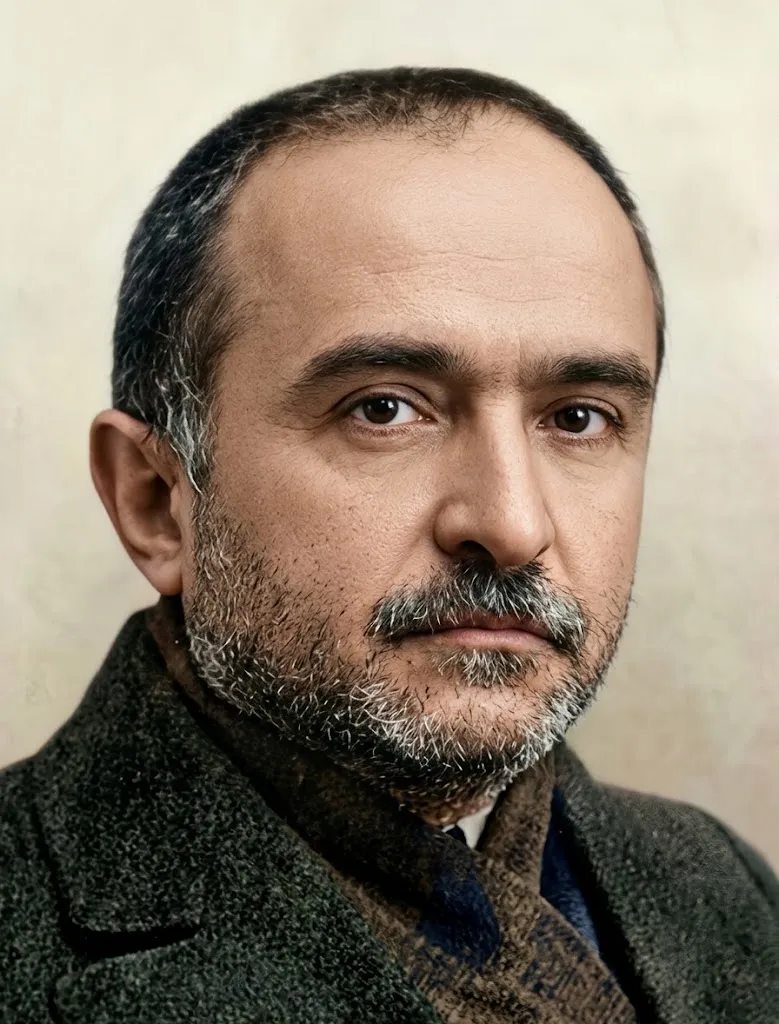
1866–1929
Danylo Zabolotnyi
Epidemiologist who hunted plague
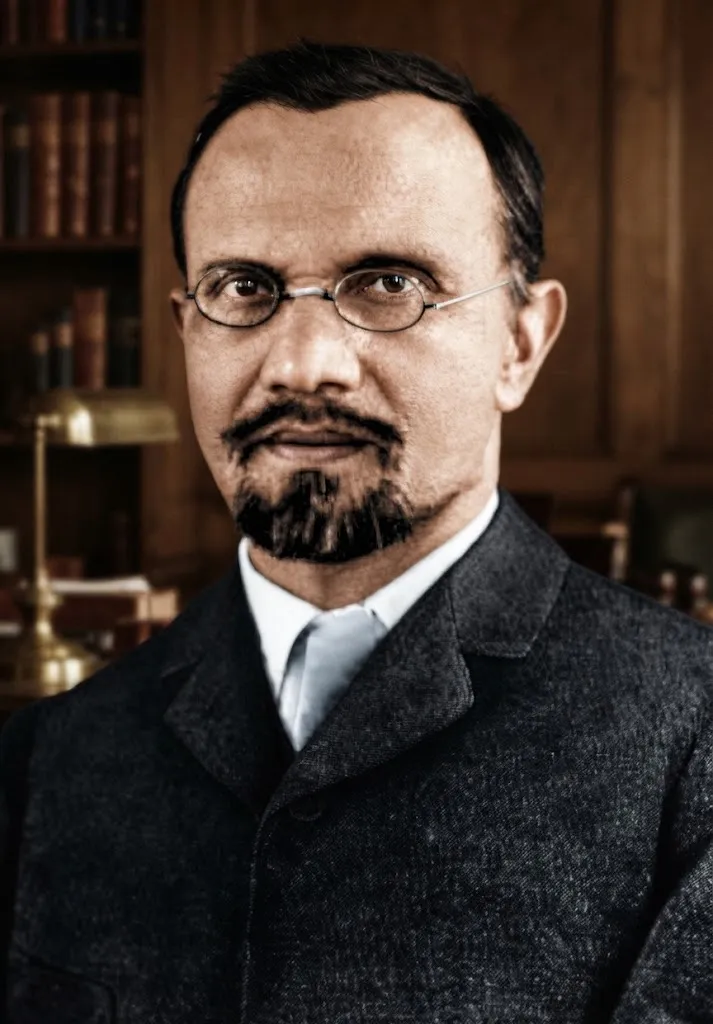
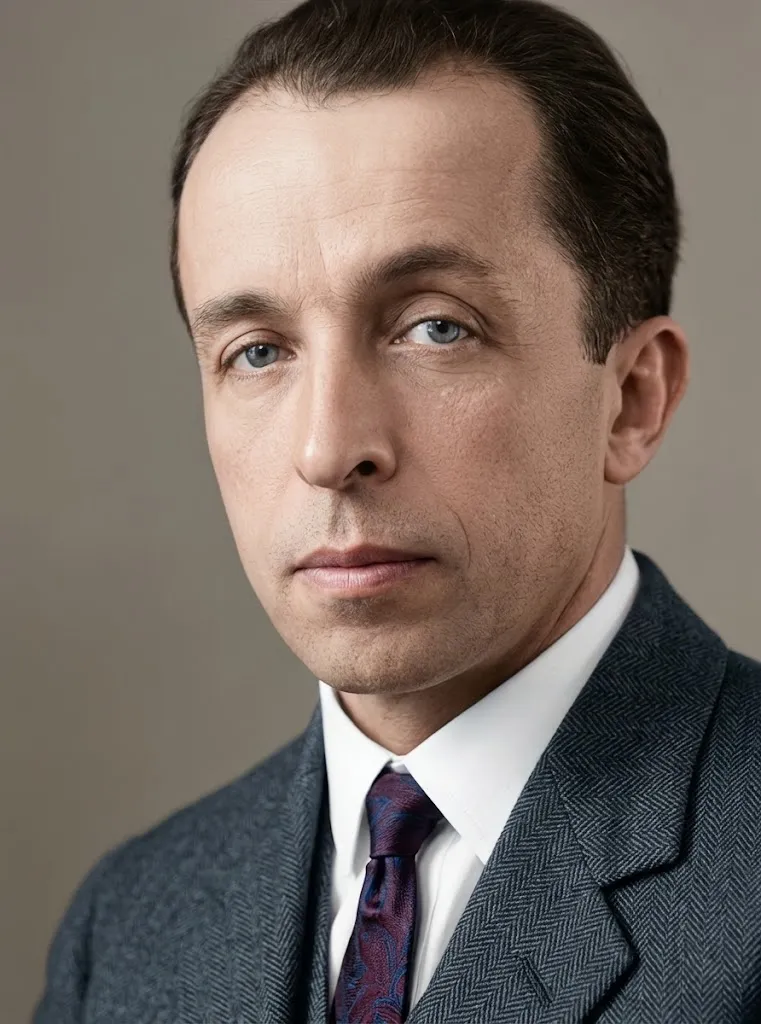
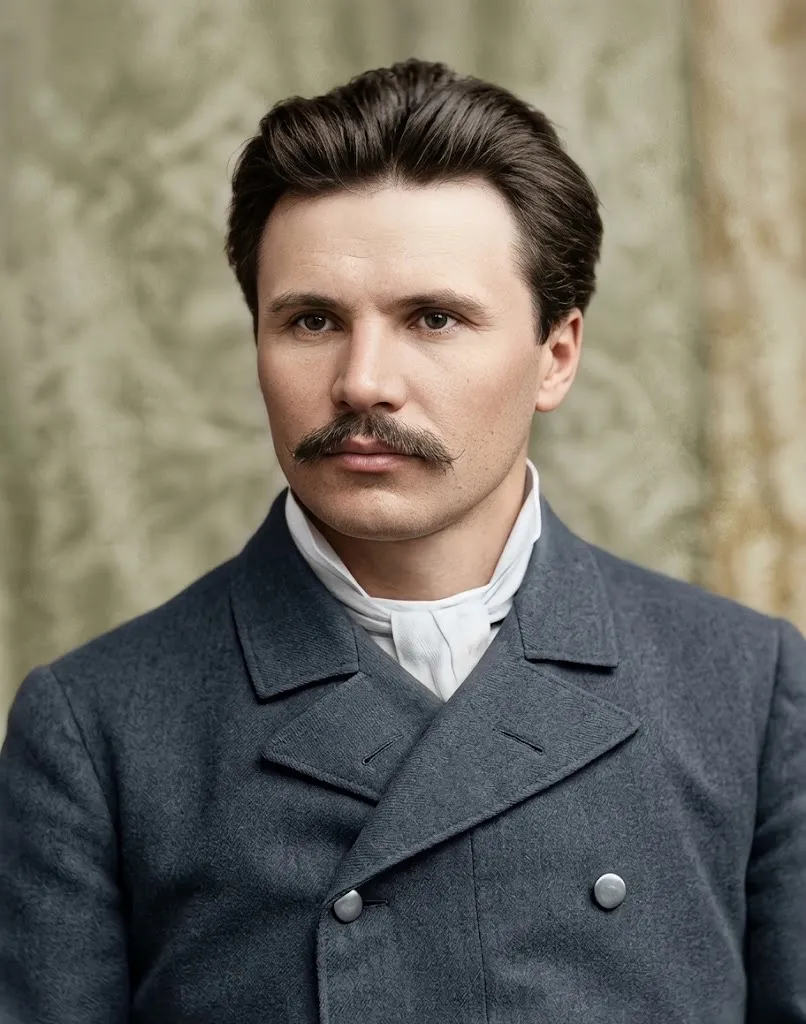
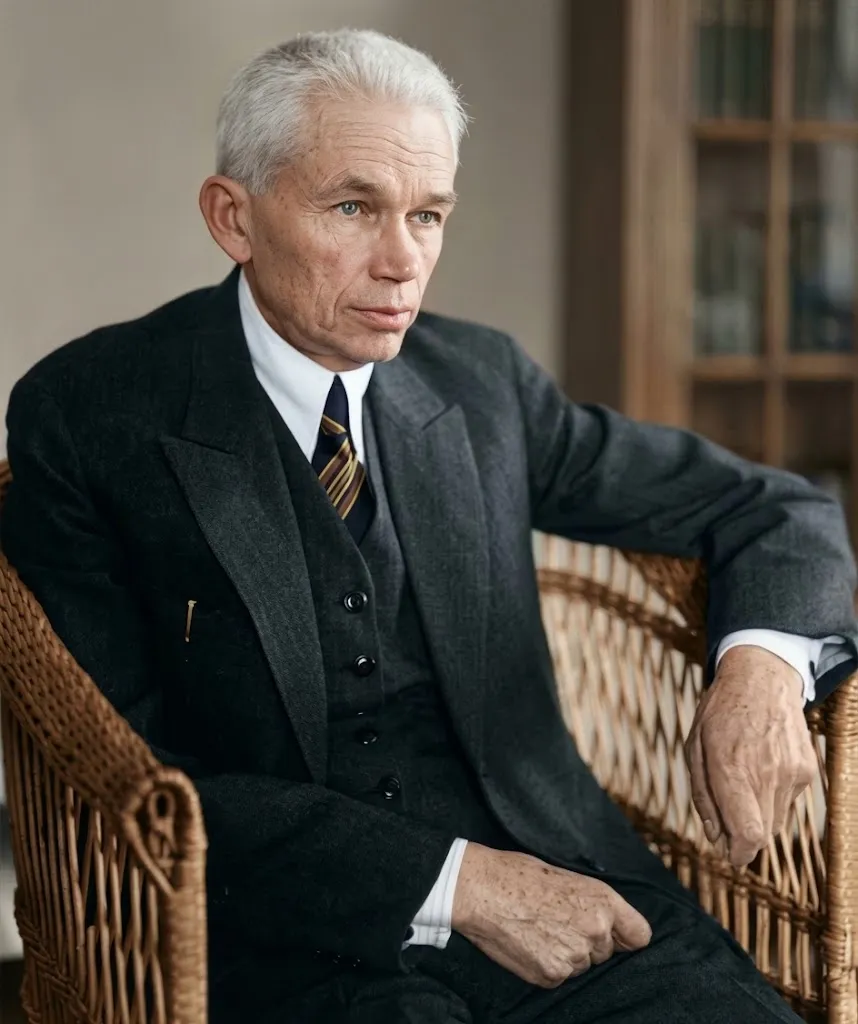
He drank a live cholera culture to test a vaccine. Danylo Zabolotnyi from Podillia studied plague and cholera from India to Manchuria, proved that wild rodents pass plague to people, founded the world’s first department of epidemiology and led the All-Ukrainian Academy of Sciences.
Key accomplishments
- With Ivan Savchenko, tested an oral cholera vaccine on himself (1893)
- Among the first to show that healthy people can carry cholera germs
- Proved that plague germs pass to people from wild rodents (1911)
- Founded the world’s first department of epidemiology (Odesa, 1920)
- President of the All-Ukrainian Academy of Sciences (1928–1929), founder of the Institute of Microbiology and Epidemiology in Kyiv
The boy from Chobotarka
Danylo Zabolotnyi was born in 1866 into a peasant family in the village of Chobotarka in Podillia (now Zabolotne in the Vinnytsia region). He went to gymnasiums in Rostov-on-Don and Odesa, and in 1885 entered the university in Odesa to study natural sciences. In 1889 he was expelled for taking part in a student meeting and arrested; he was let go because of poor health.
That same year Zabolotnyi started work at the Odesa bacteriological station, the one Ilya Mechnikov and his colleagues had founded in 1886. In 1891 he passed his master’s exams as an external student and went straight into the third year of medicine at Kyiv University, graduating in 1894.
Cholera, tested on himself
How do you make sure a vaccine really protects? In 1893 Zabolotnyi and his colleague Ivan Savchenko tested it on themselves. After taking a vaccine by mouth, they drank a live culture of the cholera bacterium, and did not fall ill. Zabolotnyi was also among the first to show that healthy people, who never get sick themselves, can carry cholera germs.
The plague hunter
In 1897 Zabolotnyi went to India, where plague was raging. From then on he studied infections on expeditions to Arabia, Mongolia, China, Mesopotamia, Scotland, Morocco, Manchuria and other lands. In 1898 he worked at the Pasteur Institute in Paris; for this work France awarded him the Legion of Honour. Then for over 20 years he headed the department of medical bacteriology at the Women’s Medical Institute in Saint Petersburg, the first department of its kind in the russian empire. In 1918 Zabolotnyi led the fight against cholera in Petrograd, and in 1920 against typhus.
One of his key discoveries came while he was looking for where plague comes from. In 1911 Zabolotnyi proved that its germs pass to people from wild rodents. He showed that rodents carry plague and fleas spread it, and he found the natural reservoirs where the disease survives between epidemics. That same year, as a delegate of the russian empire, Zabolotnyi was one of the most influential participants of the International Plague Conference in Mukden. It was called after the epidemic in Manchuria, which killed more than 60,000 people and is believed to have started with tarbagans, Mongolian marmots.
Odesa and Kyiv
From 1919 to 1923 Zabolotnyi was rector of the Odesa Medical Institute, where in 1920 he founded the world’s first department of epidemiology, the science of how diseases spread and how to stop them. In 1928 he moved to Kyiv and was elected president of the All-Ukrainian Academy of Sciences. That year he also founded the Institute of Microbiology and Epidemiology. Zabolotnyi died in Kyiv on 15 December 1929. He was buried in his home village, next to his wife. His house there is now a museum: on the table by the window stands the Zeiss microscope that went with him to the deserts of Asia and to Manchuria, and the garden still has trees he brought back from his expeditions, a Karelian birch and an Ussuri maple.
Why it matters today
Danylo Zabolotnyi helped the world understand how plague and cholera reach people, and so how to stop an epidemic. Epidemiology, the science for which he founded the world’s first department, in Odesa, still teaches us how to hold back disease. He studied infections from India to Manchuria and brought what he learned home, to Odesa and to Kyiv, where he led the Academy of Sciences. Drinking a live cholera culture to test a vaccine is a reminder that science takes courage as well as knowledge. And the boy from a peasant family in Podillia shows anyone who dreams of science that you can get there from any village.