1941–2013
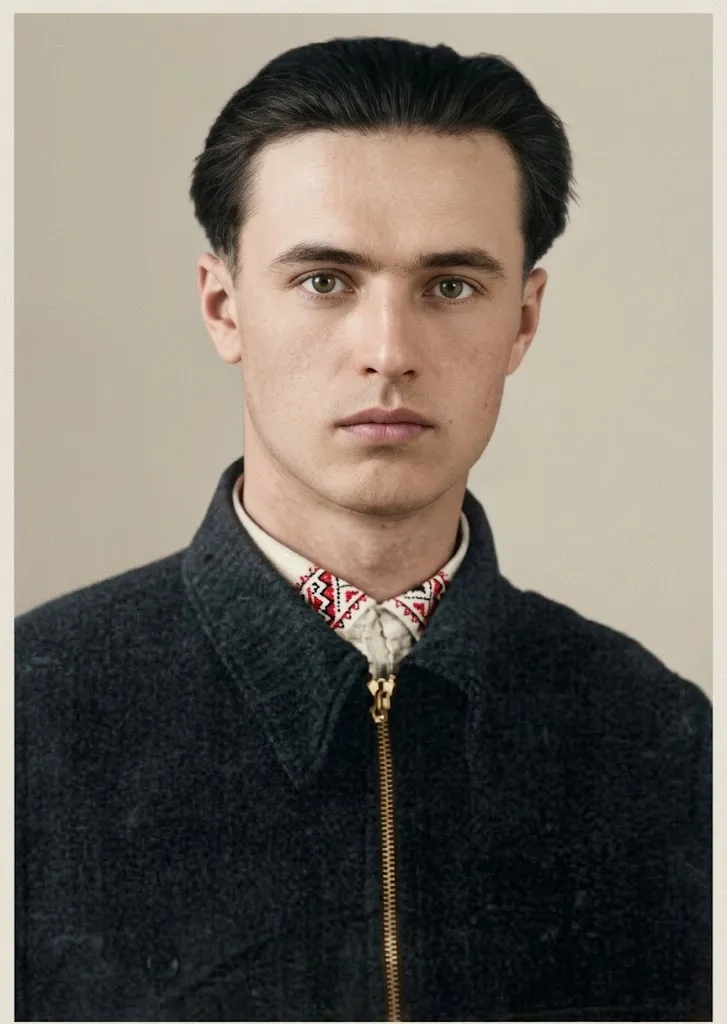
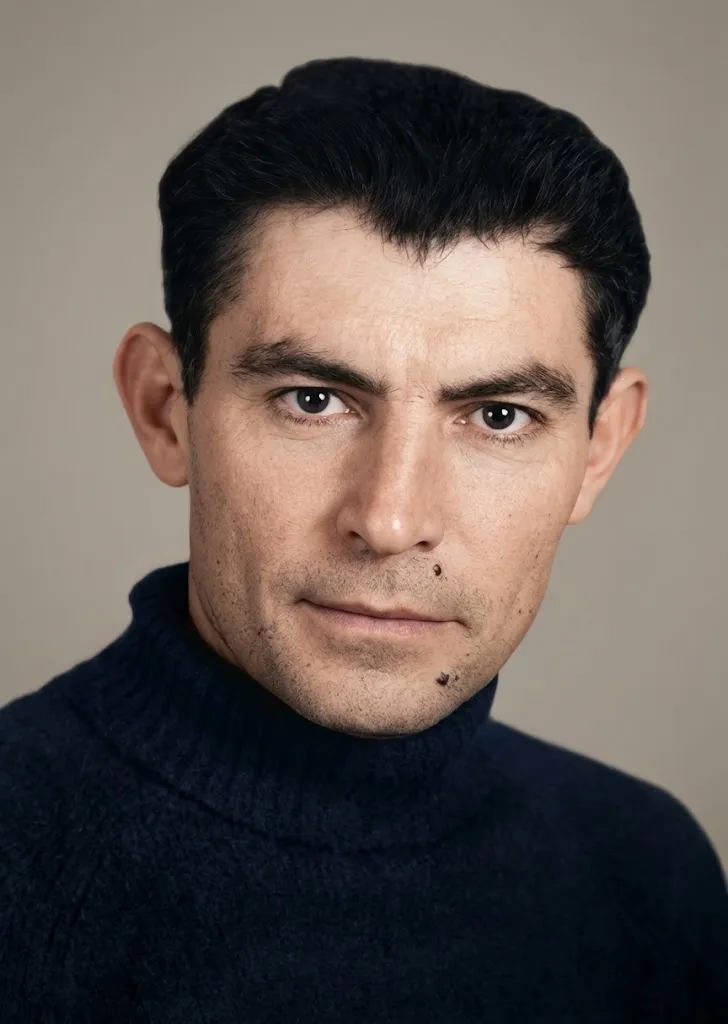
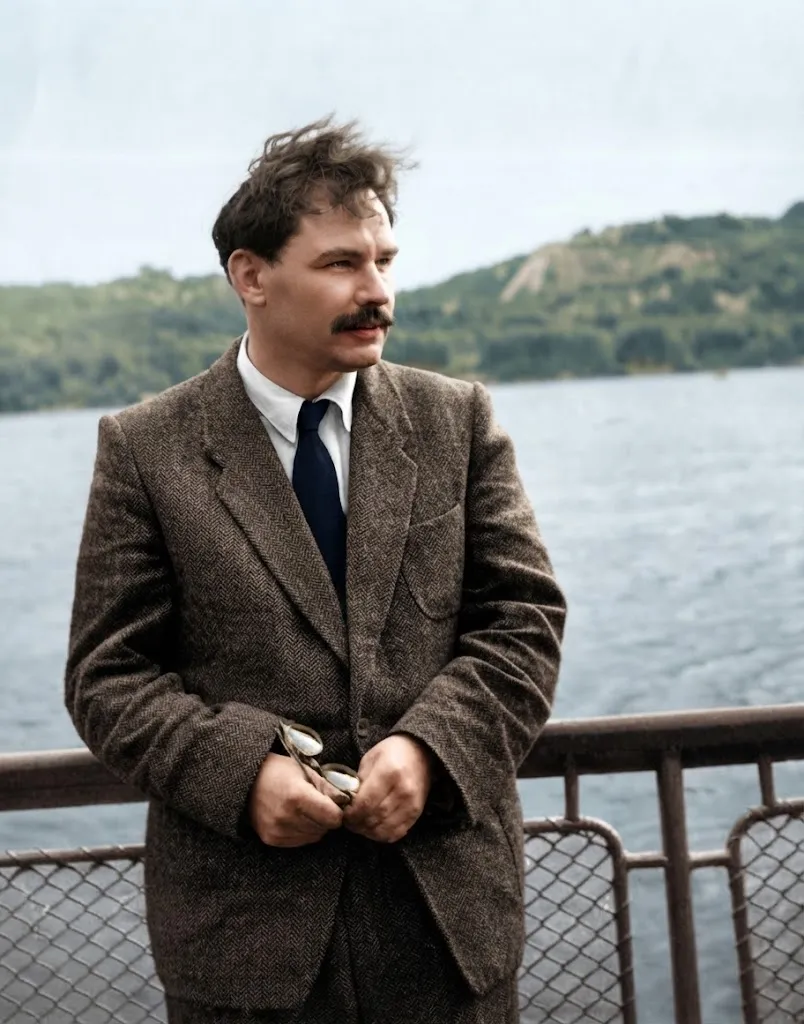
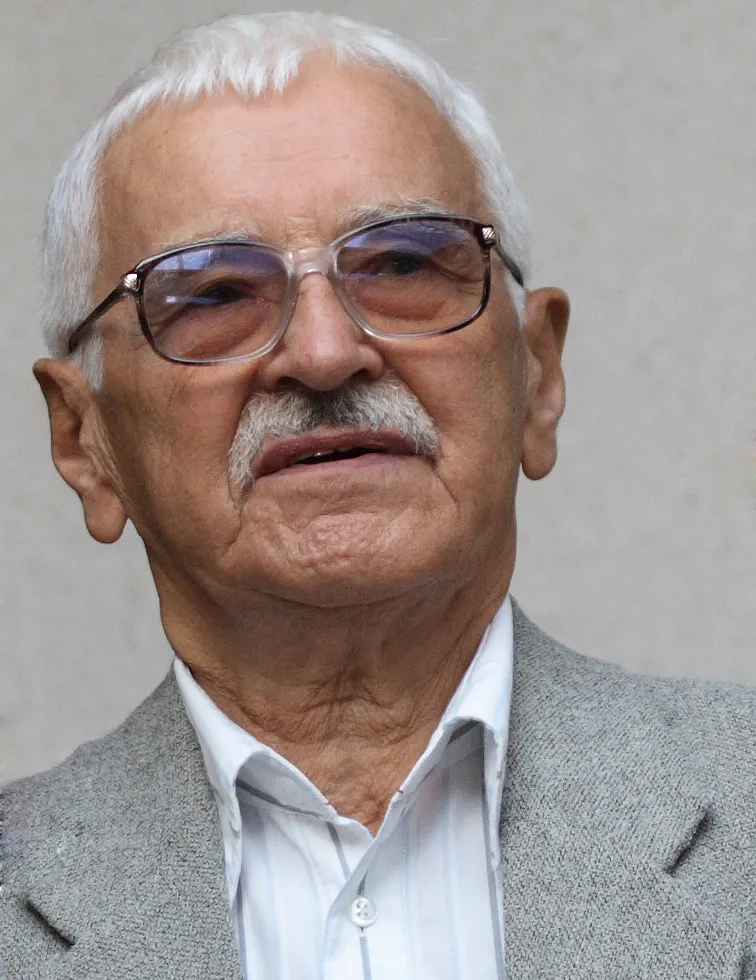
Iryna Zhylenko
Poet of the Sixtiers
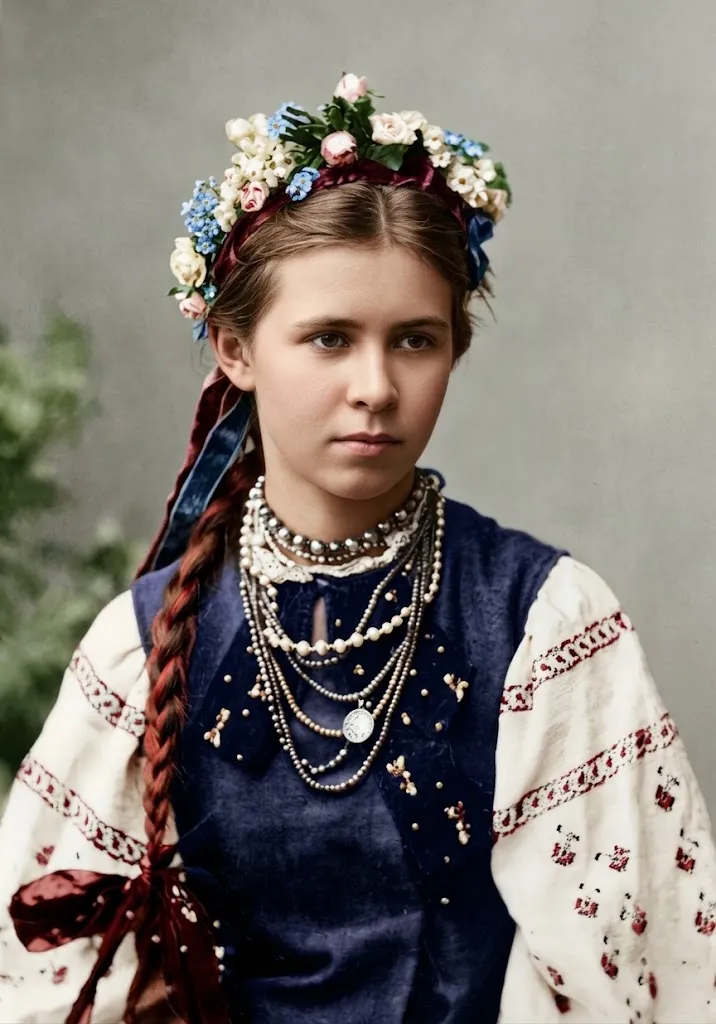
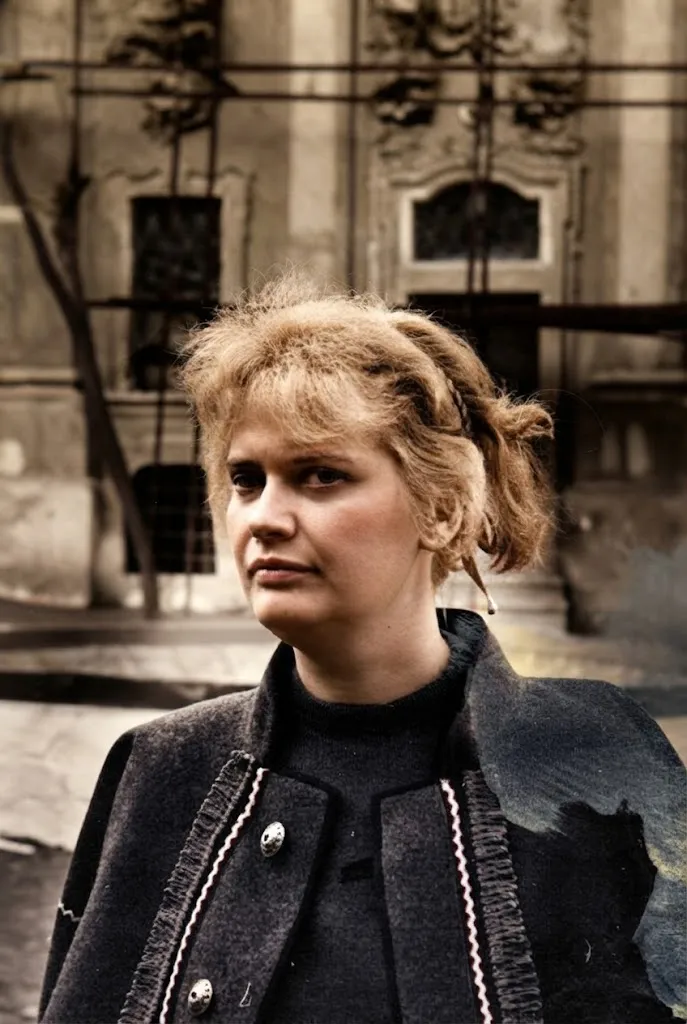
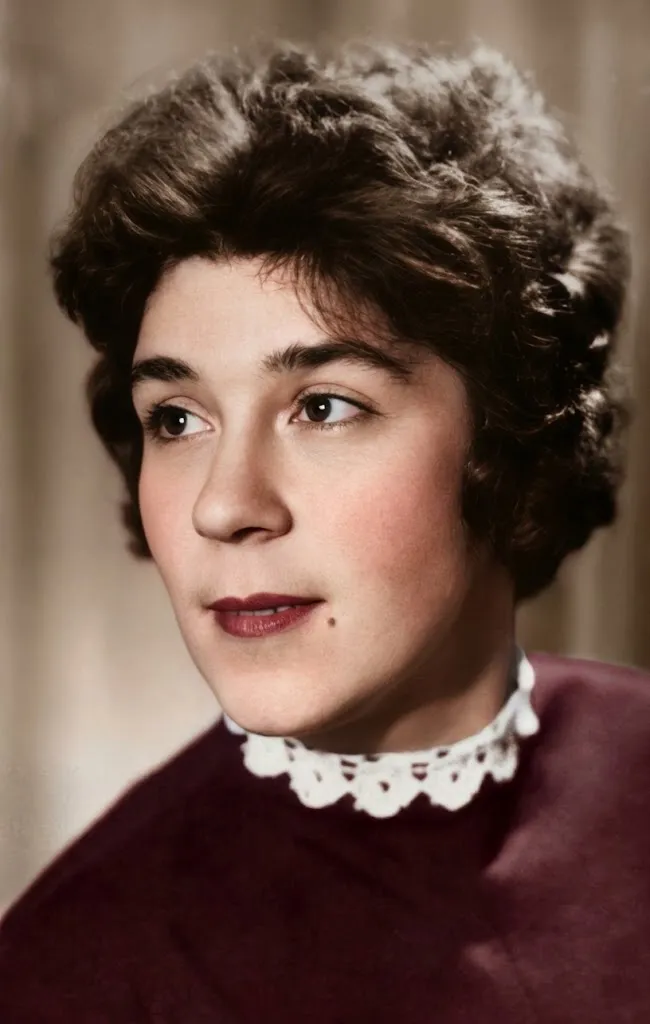
In 1963, when the authorities drowned out a Lesya Ukrainka memorial evening with music, Iryna Zhylenko read her poem by the light of burning newspapers. Two days later she was forced out of her job. A poet of the Sixtiers, she wrote of home, garden and rain, not slogans.
Key accomplishments
- Poetry collections Solo on Solfeggio (1965), Self-Portrait in Red (1971), A Window onto the Garden (1978), Concerto for Violin, Rain and Cricket (1979), The Gospel According to the Swallow (2002)
- Shevchenko State Prize of Ukraine (1996) for the collection An Evening Party in an Old Winery
- Children’s books: Twice Two Makes a Dandelion (1983), Tales of the Cupboard Gnome (1985)
- The memoir Homo feriens about the Sixtiers (serialised in Suchasnist from 1997, published as a book in 2011)
- Volodymyr Sosiura Prize (1987), Vasyl Stus Prize (2012), Order of Princess Olga, 3rd class (2001)
A poem by the light of newspapers
On 31 July 1963 Ivan Dziuba called Kyivans to an evening in memory of Lesya Ukrainka, one the authorities had in effect banned. The moment he began to speak, loudspeakers blasted music. So people followed him into the park’s avenues and listened to poetry on their feet.
Friends urged Iryna Zhylenko not to speak, so that she would not lose her chance to be published. She was scared, but decided that keeping quiet would be worse. It was already dark, so the young men burned newspapers one after another to light her page. Two days later the editor of Literaturna Ukraina, where she worked, demanded at a staff meeting that she resign. The next day she walked out on her own.
The girl from the kindergarten
Iryna (officially Iraida) was born in Kyiv in 1941. Her parents died in the war, and relatives in the Cherkasy region brought her up. As a teenager, back in Kyiv, she went to work as a kindergarten teacher while studying at evening school, and in 1958 she enrolled in the evening philology course at the university. Her first poems appeared in a newspaper that same year.
The youngest of the circle
A little younger than her friends, in the early 1960s Zhylenko was already going to the Club of Creative Youth and was close to Alla Horska, Opanas Zalyvakha, Vasyl Symonenko, Vasyl Stus, Ivan Svitlychnyi and Yevhen Sverstiuk. Mykhailyna Kotsiubynska had once taught her and later became her friend.
Three days and forty-one years
In 1962, at the Writers’ Union, Iryna met the prose writer Volodymyr Drozd. He fell in love at first sight, and within three days they had decided to marry. They were together for 41 years.
When they came for Drozd
In 1963 Drozd was put in a psychiatric hospital “for examination”. Iryna raised the alarm, and their friends made enough of a scandal to get him out. Then he was drafted into the army. While he served in Chernihiv, his wife went to see him every Sunday; later he was sent to the Soviet Far East. She was left in Kyiv with no home and no job, and for three years they wrote to each other almost every day.
Poetry of “private life”
Zhylenko’s first poetry collection, Solo on Solfeggio (1965), drew both delight and reproach: critics scolded it as apolitical, poetry of “private life”. She was rarely published, because her poems were not Soviet at all. She called herself a figure “not of the dissident, but of the purely literary Sixtiers”.
She also wrote for children, such as Tales of the Cupboard Gnome and Twice Two Makes a Dandelion. In 1996 she won the Shevchenko Prize for the collection An Evening Party in an Old Winery.
The celebrating human
What do you call a memoir of a generation that met more and more often at friends’ funerals rather than at parties? Iryna Zhylenko called hers Homo feriens, “the celebrating human”. She built its nearly eight hundred pages from letters and from the diaries she kept for more than half a century; it came out as a book in 2011. Her life, she wrote, was joyful not “because of” but “in spite of”. Iryna Zhylenko died in Kyiv in 2013.
Why it matters today
Iryna Zhylenko showed that a poet’s freedom is not only about slogans: her poems of home, garden and rain would not fit inside Soviet limits, and when it counted she stood up to read, even though she was afraid. She kept a living memory of the Sixtiers, not bronze portraits but people who sang, joked and stood by one another when hard times came. Her children’s books teach readers to see wonder in ordinary things. Anyone who can be joyful not “because of” but “in spite of” carries on her celebration.