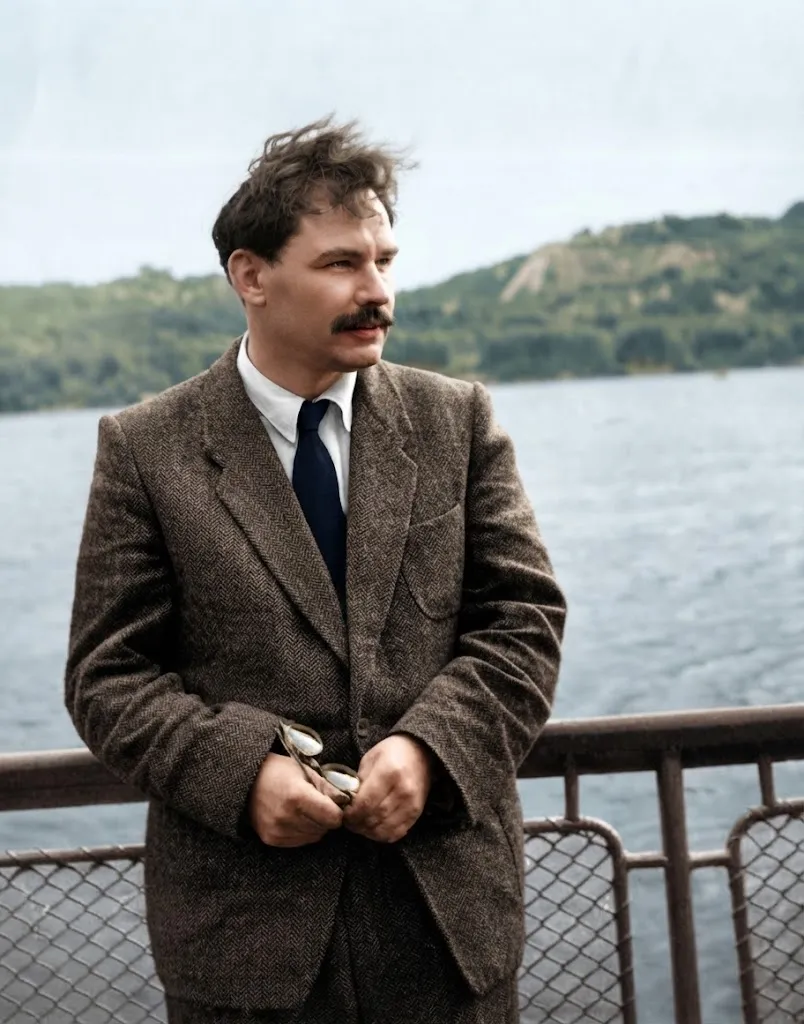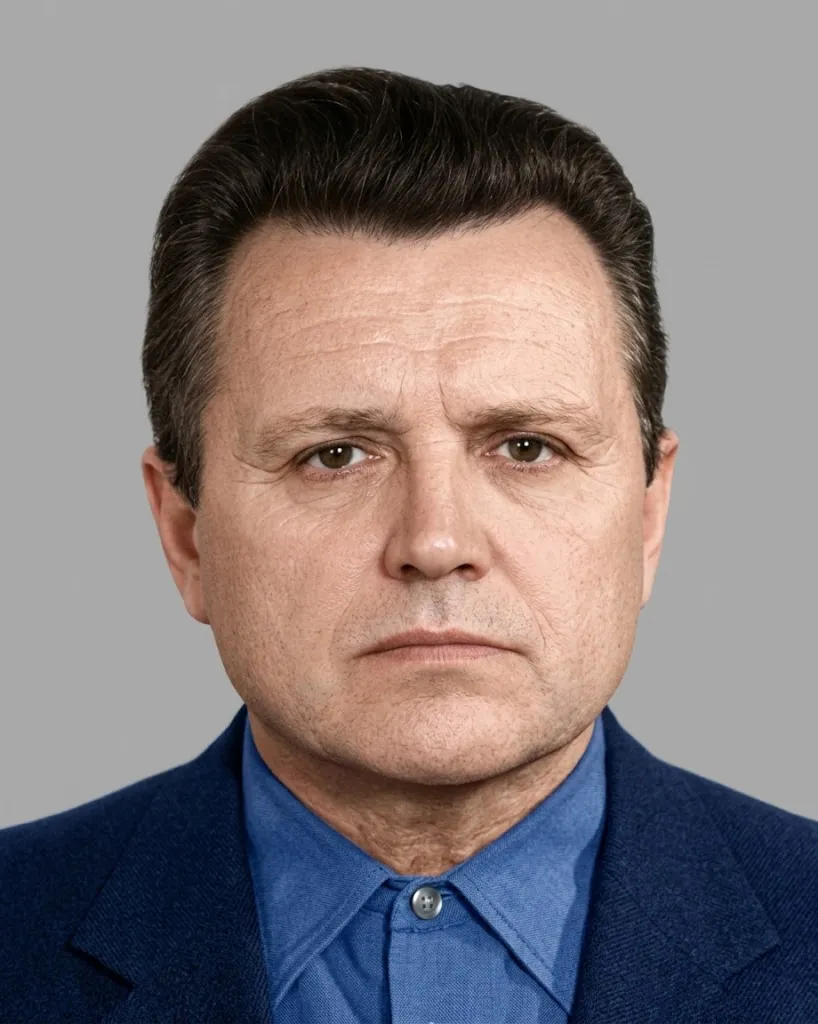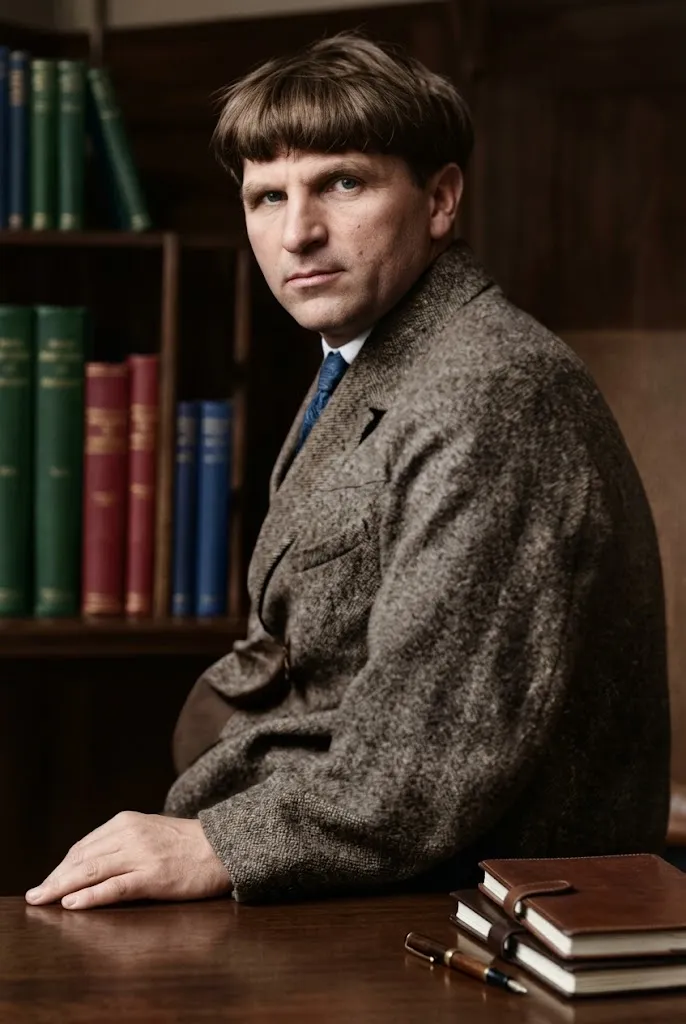
Ivan Honchar
Sculptor, folk art collector
Ukraine had no museum that showed its folk art honestly, so the sculptor Ivan Honchar made one in his own house. The Sixtiers came to it; he was expelled from the Party and told to give up the collection, but refused. The collection he saved became the National Centre of Folk Culture.
Key accomplishments
- Created a private museum of Ukrainian folk art in his Kyiv home (open to visitors from the late 1950s), one of the meeting places of the Sixtiers
- Collected more than 15,000 objects: icons, textiles, ceramics, musical instruments, early printed books
- Compiled the 18-volume historical and ethnographic album Ukraine and Ukrainians
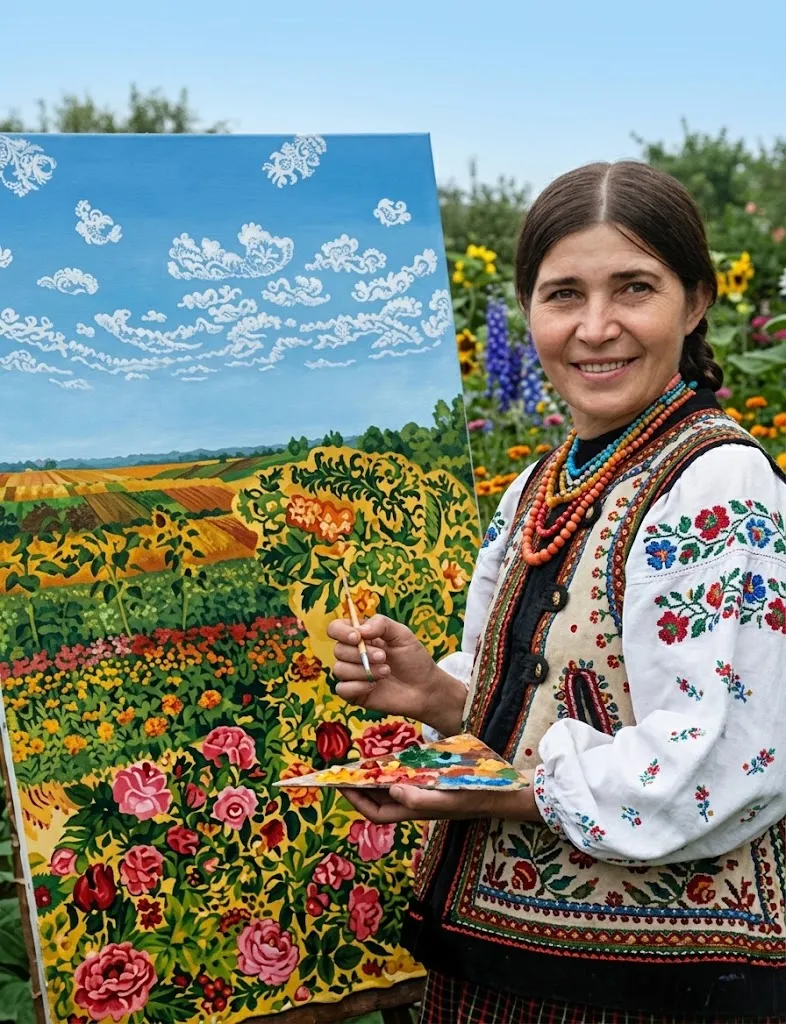
- Monuments to Taras Shevchenko in Sheshory, Hryhorii Skovoroda in Pereiaslav and Kateryna Bilokur in Bohdanivka
- About 400 sculptures, as well as paintings and drawings
- Shevchenko State Prize of the Ukrainian SSR (1989); People's Artist of Ukraine (1991)
A museum in his own house
What do you do when your country has no museum that shows its folk art honestly? Ivan Honchar was already troubled during the war that Ukraine had no such museum. In the late 1950s he began travelling from village to village, collecting icons, embroidered towels, ceramics, musical instruments and old books. Around the same time the sculptor opened his Kyiv house near the Kyiv Pechersk Lavra to visitors.
From Lypianka to Vienna
Honchar was born in 1911 in the village of Lypianka in the Cherkasy region, into a large peasant family. In 1927 the folklorist Maksym Korostash took him to Kyiv and helped him get into the school of industrial art. He went on to earn two diplomas, as a sculptor and as an agronomist, but chose art. In the Second World War he commanded a signals platoon, and in 1945 he worked in a studio at the Vienna Academy of Fine Arts.
Shevchenko in Sheshory
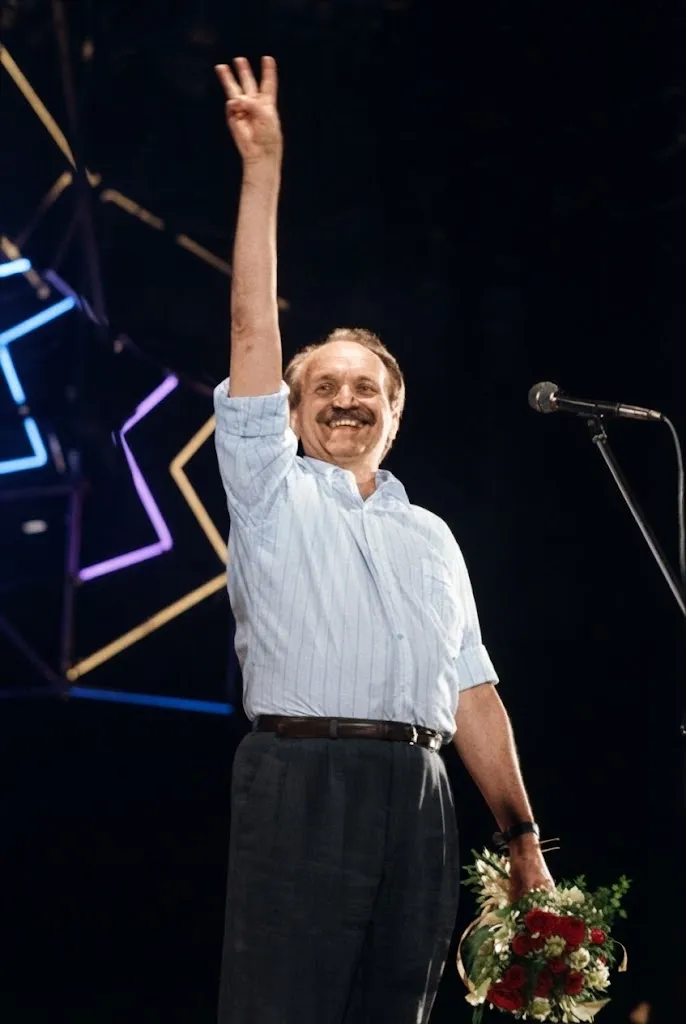
Honchar sculpted Lesia Ukrainka, Hryhorii Skovoroda, and Kateryna Bilokur for her home village of Bohdanivka. In 1965 his monument to Taras Shevchenko was due to be unveiled in Sheshory, a Hutsul village in the Carpathians. The authorities closed the roads to keep “outsiders” away, but on 8 August the young Viacheslav Chornovil gave a sharp anti-communist speech by the monument.
The house the Sixtiers came to
Students, scholars and artists found their way to Honchar’s house, among them Vasyl Stus, Yevhen Sverstiuk, Sergei Parajanov, Alla Horska and Viktor Zaretskyi. His son recalled that Honchar asked every guest to write in a visitors’ book, hoping it would help keep the collection from being confiscated. The books filled 12 volumes, and Stus wrote in them that this was his third visit. The Suchasnyk Club of Creative Youth, whose founders included Horska and Ivan Svitlychnyi, held lectures on folk dress and ornament in his museum. In 1966 a film about Honchar, Sonata about an Artist, was made, only to be shelved later. In 1969 he dressed the folk choir Homin in costumes from his collection. Their spring songs above the Dnipro gave the Ukrainian movement a lift, and the choir itself was later banned as “nationalist”. For years the KGB kept the house under watch.
Expelled, not broken
Honchar would not give in. In November 1970 the KGB used threats to make him close the museum to visitors. In 1972 he was expelled from the Communist Party for “anti-party views on the national question”. He was told to hand his collection over to the state and warned that his house might be burned down. These were not empty words: his son recalled that once Honchar’s door was set on fire, and another time an outbuilding was burned down. He refused. For more than ten years he was given no commissions. He went on collecting old photographs of villages for the 18-volume album Ukraine and Ukrainians. In the mid-1980s the museum opened its doors again.
Recognition at last
Honchar received the Shevchenko Prize in 1989. In December 1991 the president ordered a state museum to be created from his collection, but the matter stalled, and Honchar died on 18 June 1993 without seeing it. The museum was founded that same year; today it is the National Centre of Folk Culture “Ivan Honchar Museum”, with more than 15,000 objects.
Why it matters today
Ivan Honchar saved what the Soviet authorities wanted erased: the icons, towels, ceramics and old photographs of Ukrainian villages. He proved that one person can do what the state would not, and that a people’s culture can live on even in an ordinary house. His home became the place where the Sixtiers saw how rich their own culture was. Anyone who keeps a grandmother’s embroidered towel, records a song or takes children to a museum carries on his work.