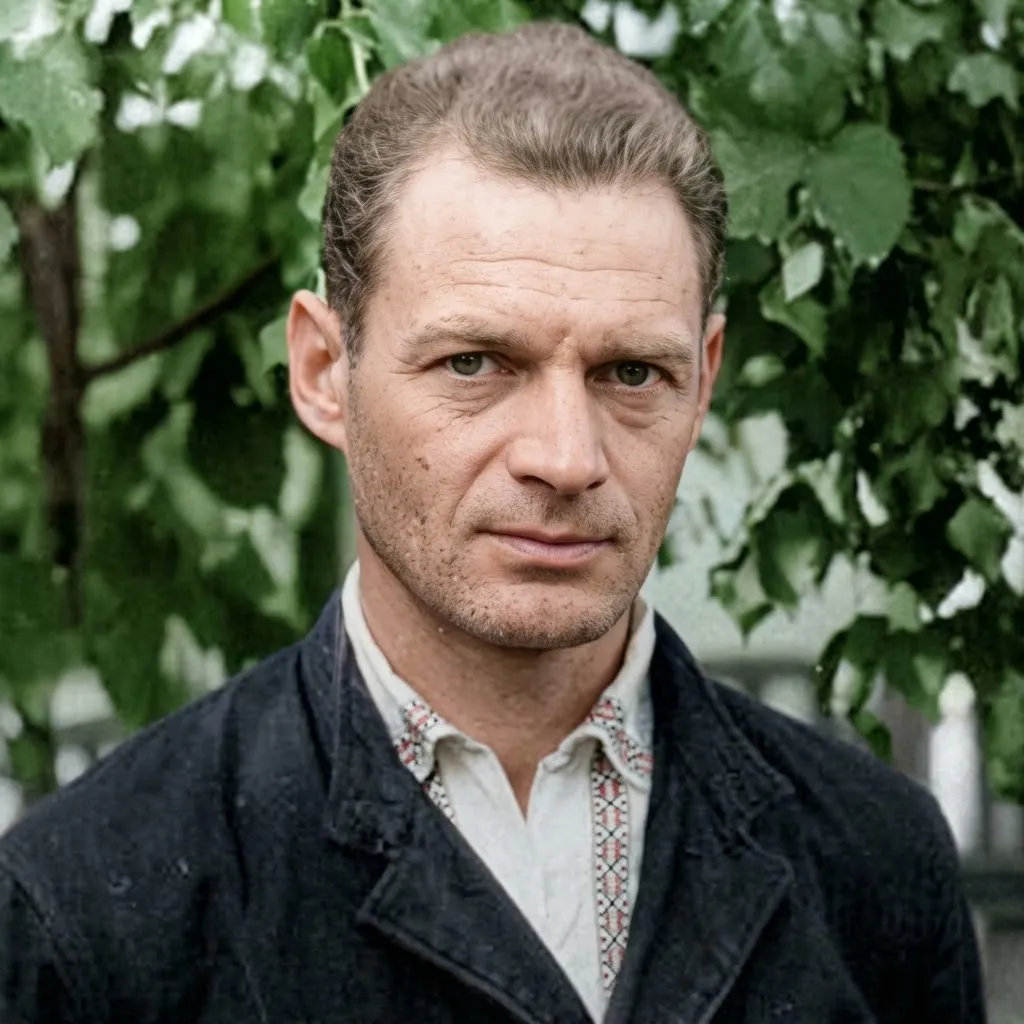
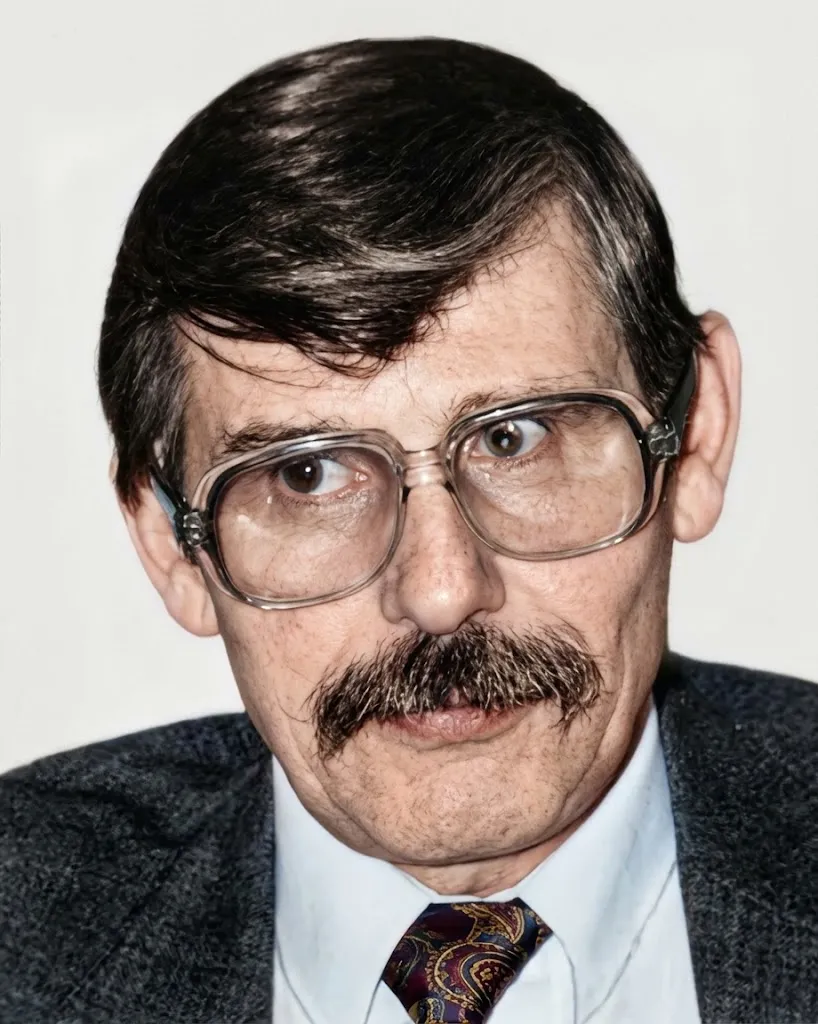
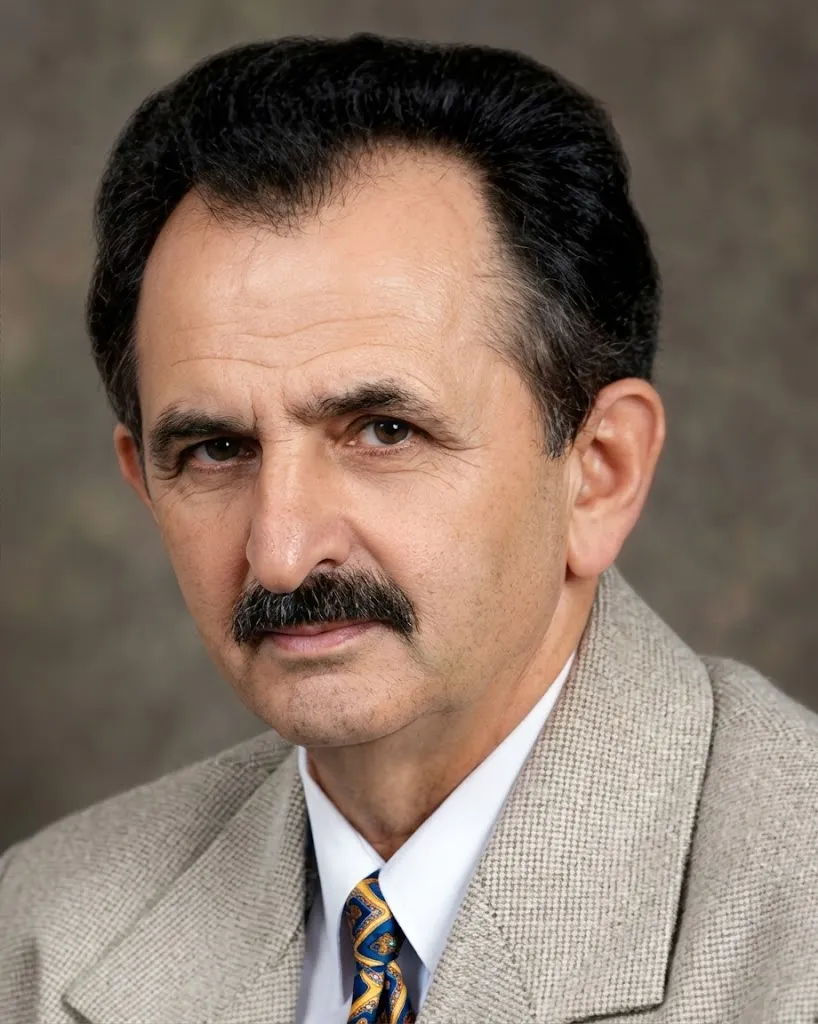
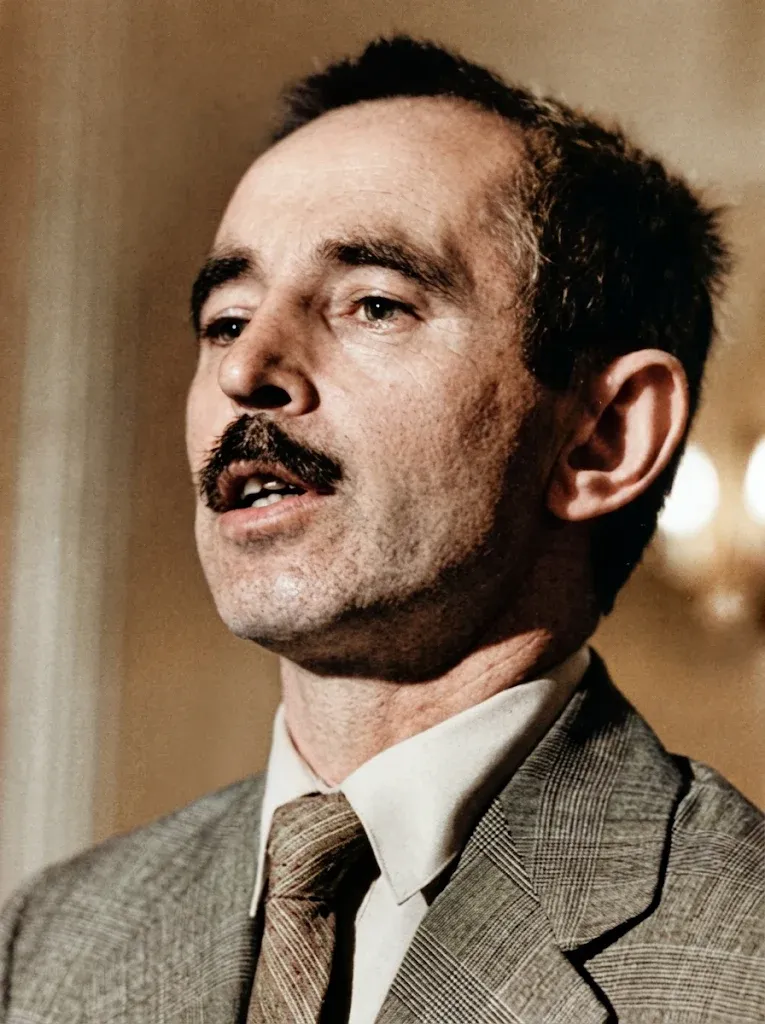
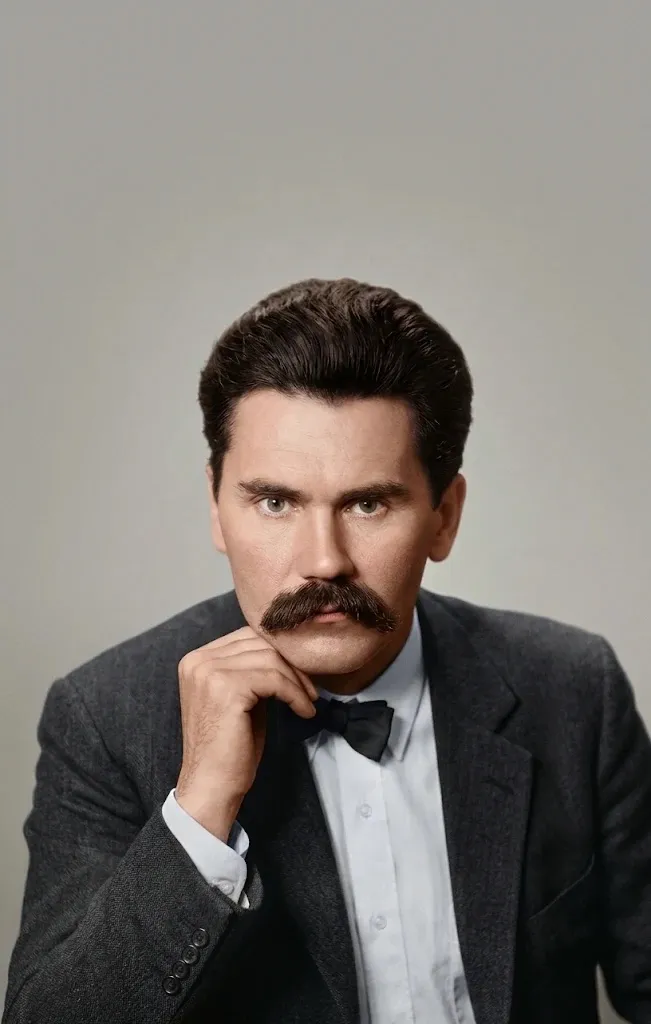
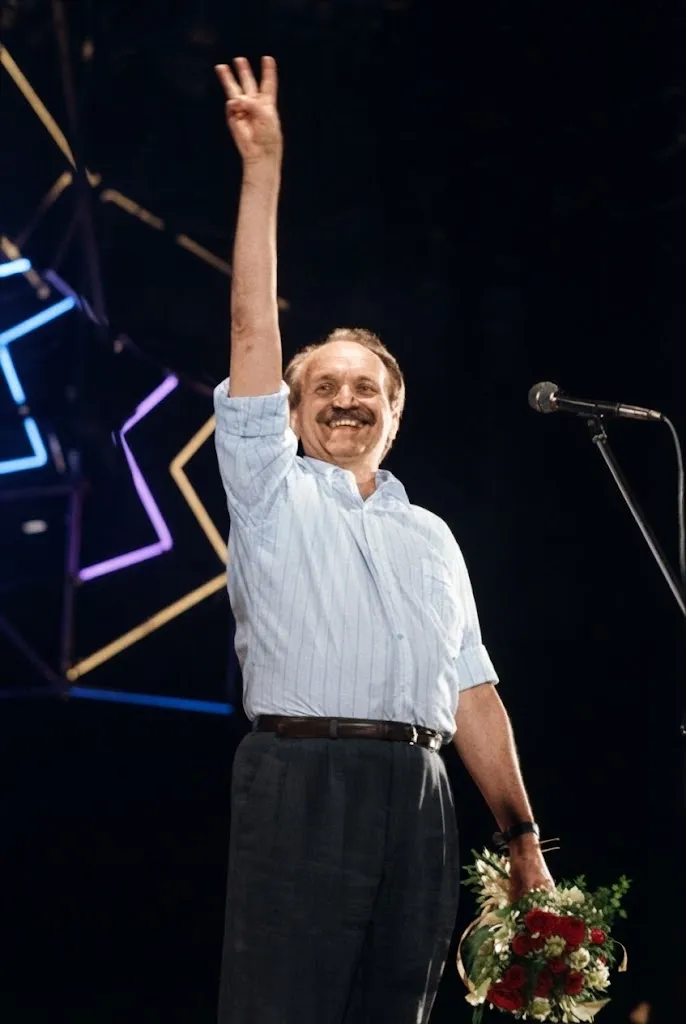
Yurii Lytvyn
Poet and human rights defender
“You want to destroy Lytvyn, but you won’t succeed,” he told the Soviet judges. He was tried five times and never broken. Poet and human rights defender Yurii Lytvyn stood up for workers’ rights and joined the Ukrainian Helsinki Group.
Key accomplishments
- Member of the Ukrainian Helsinki Group (from 1978)
- The essay “The Human Rights Movement in Ukraine, Its Principles and Prospects” (1979)
- Tragic Gallery, a book of poems written in the camps (published 1996) and dedicated to Levko Lukianenko
- Premonition, a book of poems shared with Vasyl Stus (Lviv, 1981)
- Posthumously awarded the Order for Courage, 1st class (2006)
“You won’t succeed”
“You want to destroy Lytvyn, but you won’t succeed,” Yurii Lytvyn told the Soviet judges in 1979. He was tried five times and sentenced to 41 years in the camps in all; he spent about 22 years behind bars. Yet they never broke him: in captivity he wrote poems and essays that found their way out.
Twelve years for a heifer
Lytvyn was born on 26 November 1934 in the village of Ksaverivka near Kyiv, to a family of village teachers. His father fought with Sydir Kovpak’s partisans and was killed in 1944. Without a paper from the collective farm, young people couldn’t leave the village to study or work. In 1953, to put pressure on the farm’s chairman, Lytvyn and some other boys “stole” a heifer, and he got 12 years for it. In 1955 he was pardoned after Kovpak himself asked for it, but a few months later he was arrested again, for an alleged underground group, and given 10 years. It was in the camps that Lytvyn became a poet: he wrote first in russian, then more and more in Ukrainian, and dedicated his collection Tragic Gallery to Levko Lukianenko, whom he had met in captivity.
A worker against the “workers’ state”
The Soviet Union called itself a workers’ state, but its trade unions did what the Party said. After his release in 1965 Lytvyn worked at factories in Vasylkiv. He was elected to the trade union committee and pushed for unions to really protect workers. Few Ukrainian dissidents took up workers’ rights like this. In 1974 he was sentenced to three years in the camps for his poems and essays.
A love of freedom as part of who Ukrainians are
In 1978, at the suggestion of Oksana Meshko, Lytvyn joined the Ukrainian Helsinki Group. The next year he wrote the essay “The Human Rights Movement in Ukraine, Its Principles and Prospects”, arguing that a love of freedom and democracy is part of who Ukrainians are. The essay was seized, but it reached the West, where Petro Hryhorenko praised it highly. In the summer of 1979 the police beat Lytvyn, and then he was the one convicted, of “resisting the police”. It was at that trial that he said “you won’t succeed”. In 1982, as a “particularly dangerous repeat offender”, he was sentenced to ten years in special-regime camps and five years of exile.
Hunger strikes in protest
Even gravely ill, Lytvyn went on hunger strike twice in protest. He served the sentence at the Kuchino camp in the Perm region, where Vasyl Stus was also held. In August 1984 Lytvyn was found badly wounded in his cell. Officially it was called suicide, but no one witnessed it, and Levko Lukianenko believed the camp deliberately denied him proper care. Yurii Lytvyn died on 5 September 1984 in a hospital in Chusovoi, at the age of 49.
30,000 people and blue-and-yellow flags
On 19 November 1989 the remains of Lytvyn, Stus and Oleksa Tykhyi were reburied at Baikove Cemetery in Kyiv. Some 30,000 people came out onto the streets. From the Taras Shevchenko monument, people carried the coffins by hand all the way to Baikove Cemetery. As Vasyl Ovsiienko, who was there, recalled, it was the first protest where the authorities didn’t dare smash the blue-and-yellow flags. Ukraine declared independence less than two years later.
Why it matters today
The Soviet system set out to destroy Yurii Lytvyn and failed: neither 22 years in captivity nor the label of “particularly dangerous repeat offender” broke him, and his poems outlived the state that jailed him. He showed that human rights mean both a worker’s right to fair work and a nation’s right to be free. His belief that a love of freedom and democracy lives in Ukrainians themselves still reminds us what is worth standing up for. Anyone who defends other people’s rights, even when it’s dangerous, carries on his work.