Oleksandr Shulhyn
First foreign minister of the UNR
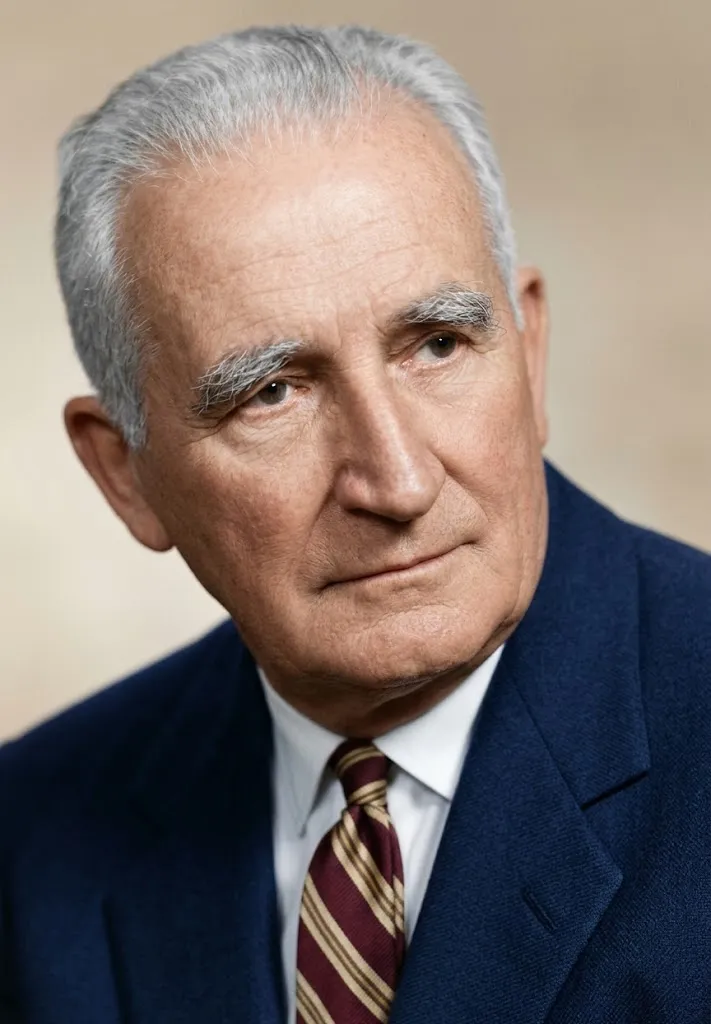
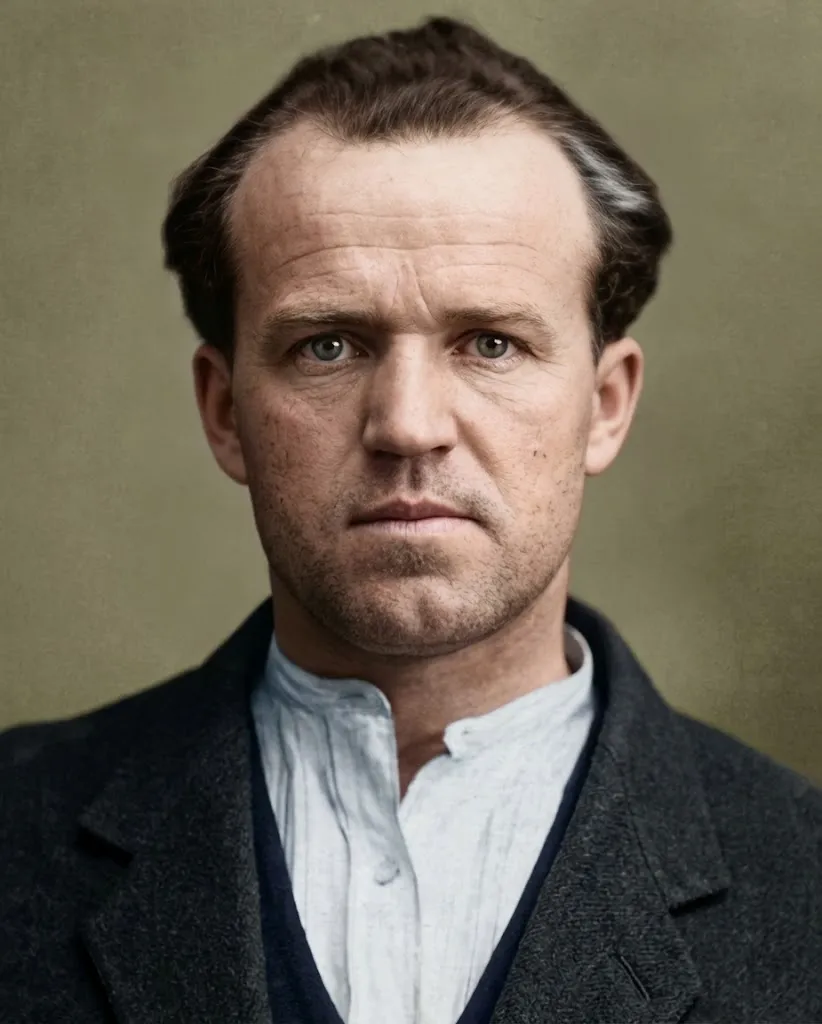
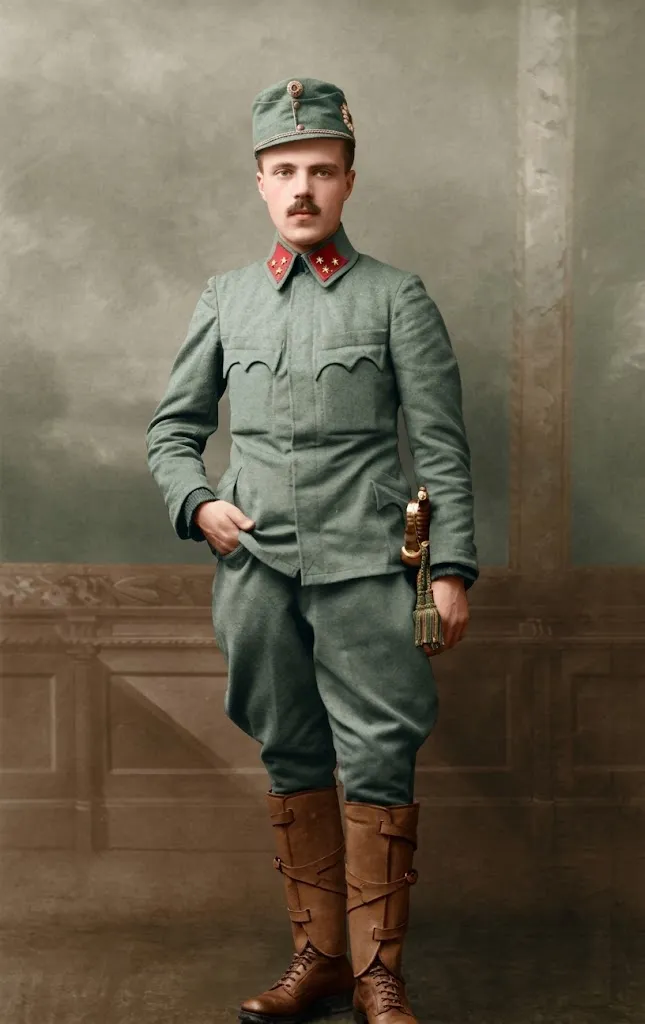
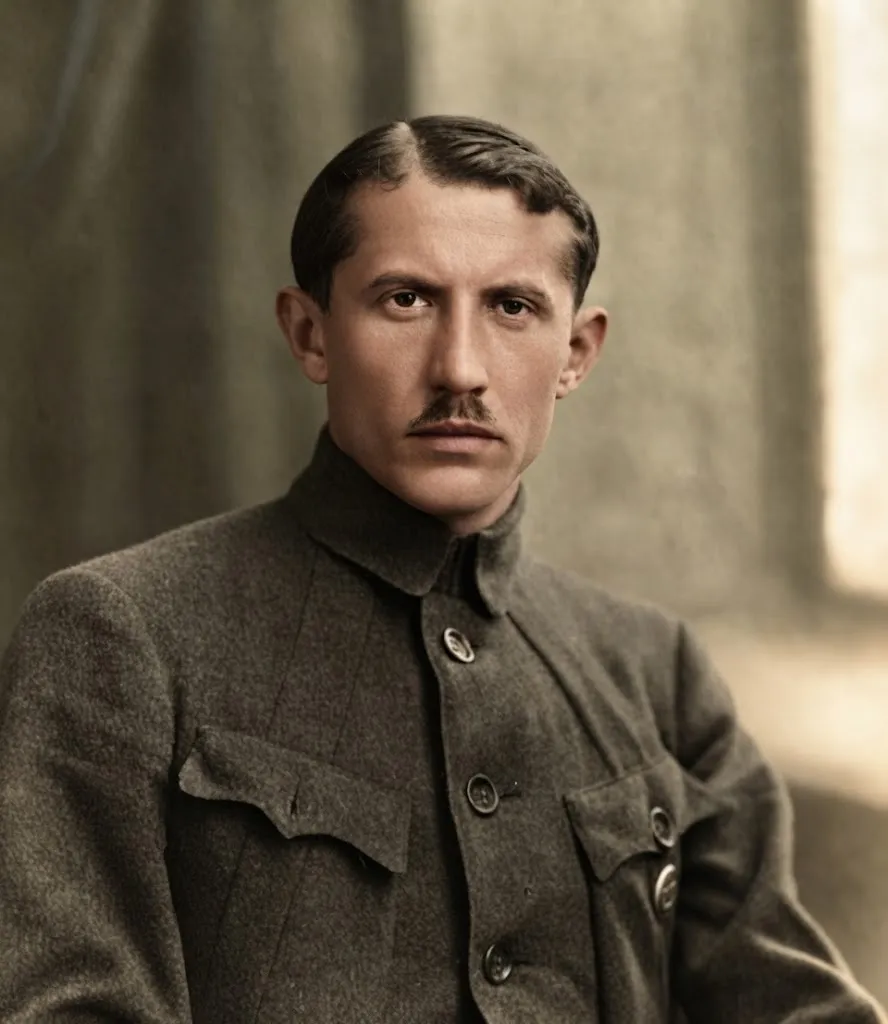
His father's cousin fought the Ukrainian movement in the russian Duma, while he became the first foreign minister of independent Ukraine. Oleksandr Shulhyn helped win recognition from France and Britain and led Ukraine's embassy in Bulgaria and its delegation to the first League of Nations Assembly.
Key accomplishments
- General Secretary for nationality, later international, affairs of the Central Rada (1917); from 22 January 1918 the first foreign minister of the Ukrainian People's Republic (UNR)
- Helped win recognition of the UNR by France and Great Britain (1917–1918); member of the Ukrainian delegation at Brest-Litovsk (1918)
- Ambassador of the Ukrainian State to Bulgaria (1918)
- Member of the UNR delegation at the Paris Peace Conference (1919), head of the UNR delegation at the first League of Nations Assembly in Geneva (1920), head of the UNR's extraordinary diplomatic mission in Paris (from 1921)
- Foreign minister of the UNR government in exile (1926–1936, 1939–1940, 1945–1946) and its head (1939–1940)
- Founder and head of the Ukrainian Academic Society in Paris (1946–1960); vice-president of the International Free Academy of Sciences (1952–1960)
A family split by Ukraine
Did you know that independent Ukraine’s first foreign minister and one of the fiercest enemies of the Ukrainian movement came from the same family? Oleksandr Shulhyn was born in 1889 in the village of Sofyne in the Poltava region, into a family descended from the Cossack officer class. His father, the historian Yakiv Shulhyn, was exiled to Siberia for his work for the Ukrainian cause. Yet his father’s cousin, Vasily Shulgin, a deputy in the russian empire’s State Duma, campaigned against the Ukrainians. Oleksandr graduated from St Petersburg University, where he rallied the Ukrainian students.
The first foreign minister
Shulhyn came to Kyiv in spring 1917 and joined the Central Rada, led by Mykhailo Hrushevskyi. In July he became General Secretary for nationality affairs in Volodymyr Vynnychenko’s government. Under his direction, France and Great Britain recognised the Ukrainian People’s Republic (UNR). When the Fourth Universal declared independence on 22 January 1918, Shulhyn became its first foreign minister. He argued for an alliance with the Entente, not with Germany. That same January his brother Volodymyr, a member of the Central Rada, was killed in the battle of Kruty.
Ambassador in Sofia
Hetman Pavlo Skoropadskyi made Shulhyn the Ukrainian State’s ambassador to Bulgaria in summer 1918. When the hetman announced a federation with russia that November, Shulhyn resigned in protest.
Speaking for a country no one recognised
Shulhyn joined the UNR delegation at the 1919 Paris Peace Conference. In 1920 he led the UNR delegation to the first Assembly of the League of Nations in Geneva. The UNR applied to join, but it was never admitted.
A government without a territory
Symon Petliura appointed Shulhyn foreign minister of the UNR government in exile in 1926. He held the post three times and headed the government in 1939–1940. In 1934 he published a book called Bez terytorii (Without a Territory). He protested against Soviet terror and the Holodomor. During the German occupation of France he was imprisoned, and after the war he founded the Ukrainian Academic Society in Paris. He died in Paris on 4 March 1960.
Why it matters today
Shulhyn was the first to speak to the world on behalf of independent Ukraine: Ukrainian diplomacy began in his office. He proved that a state can speak for itself even without a territory, and for decades he kept reminding the West of Ukraine and the victims of the Holodomor. His choice of Europe is the path Ukraine is following today. Anyone who stands up for Ukraine abroad is carrying on the work he began in 1917.