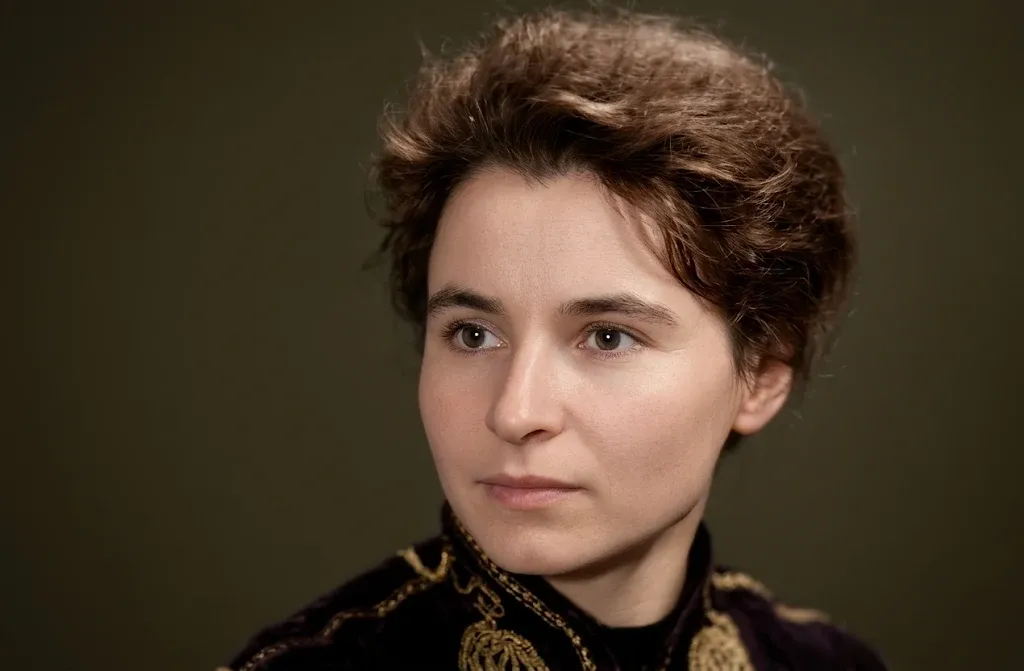
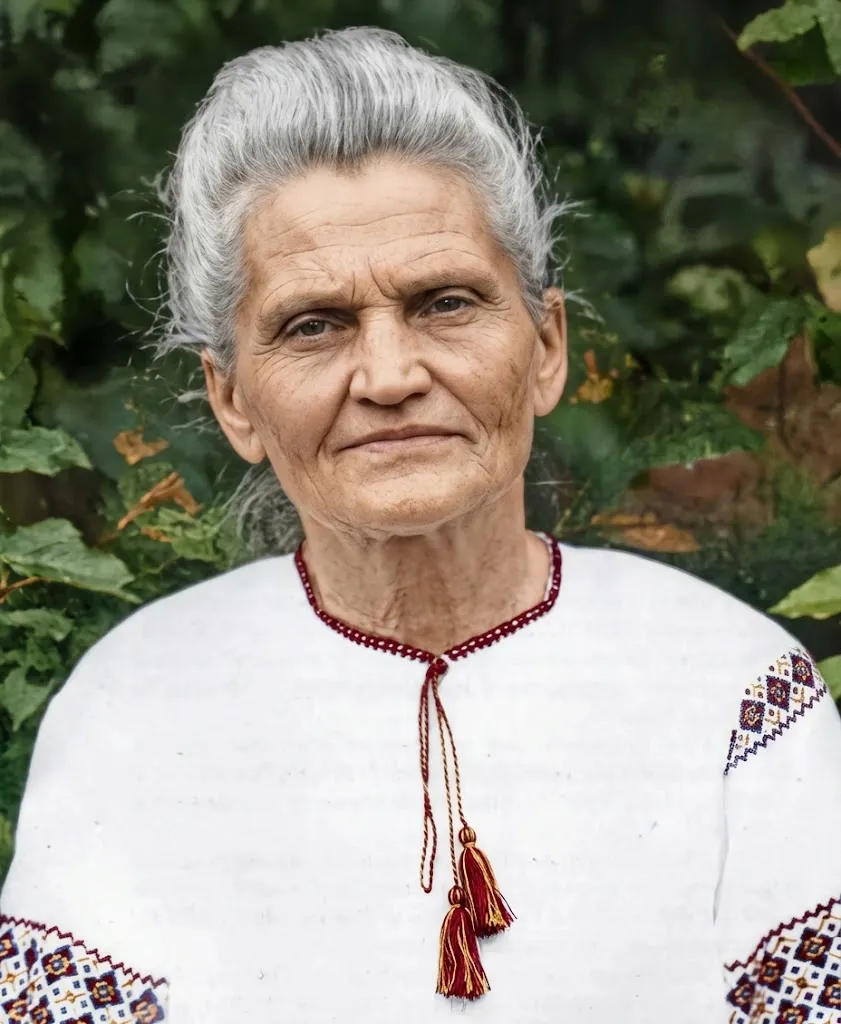
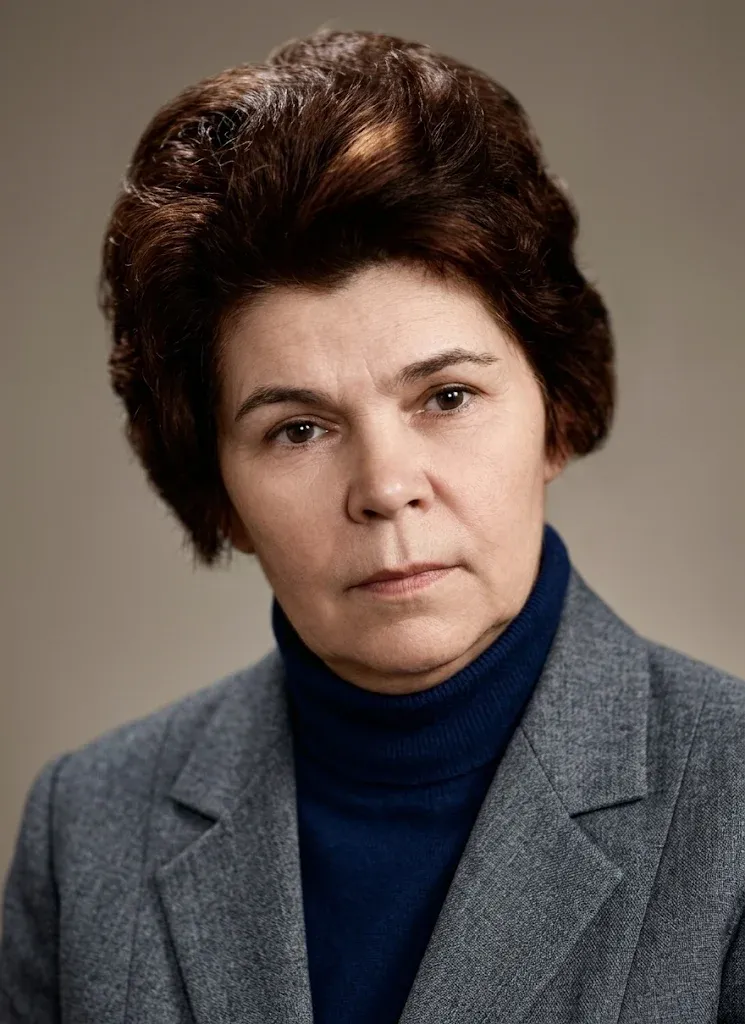
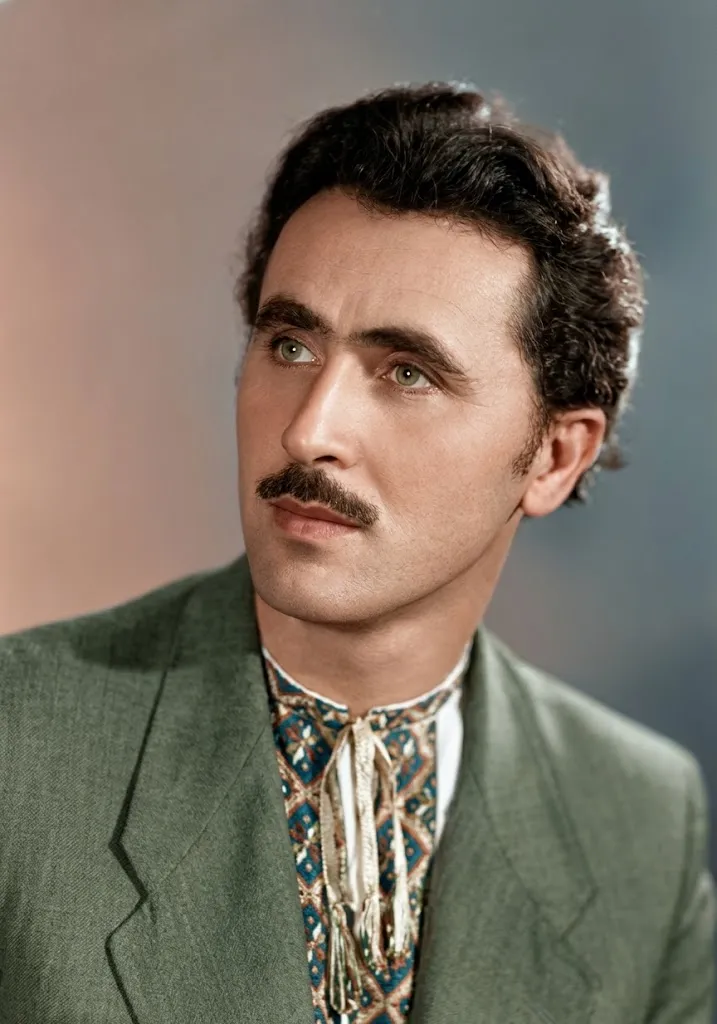
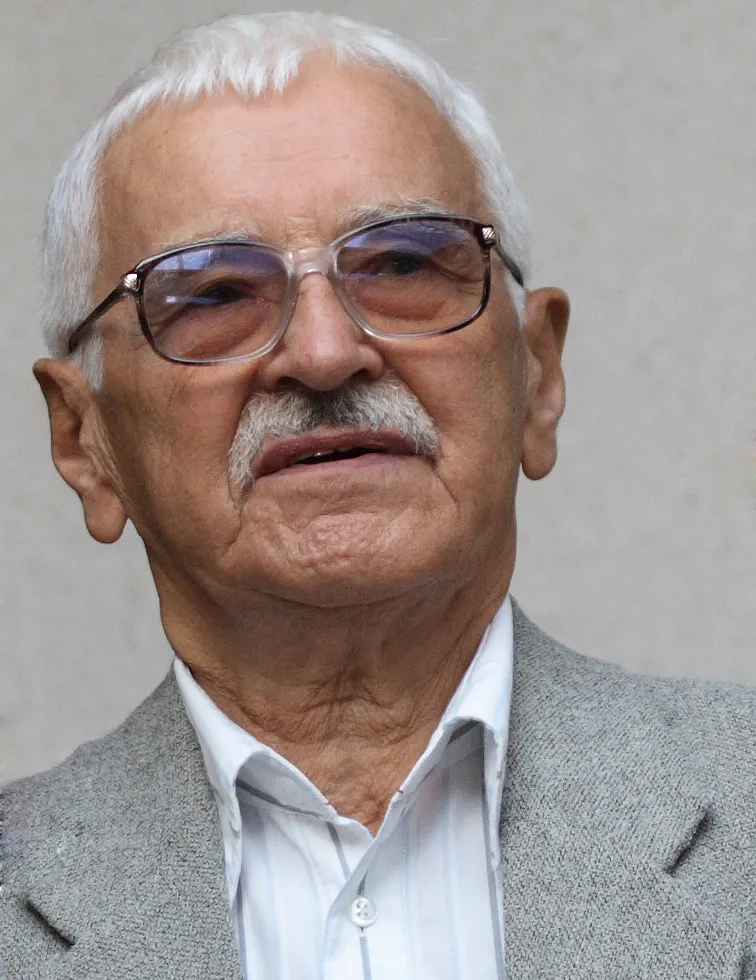
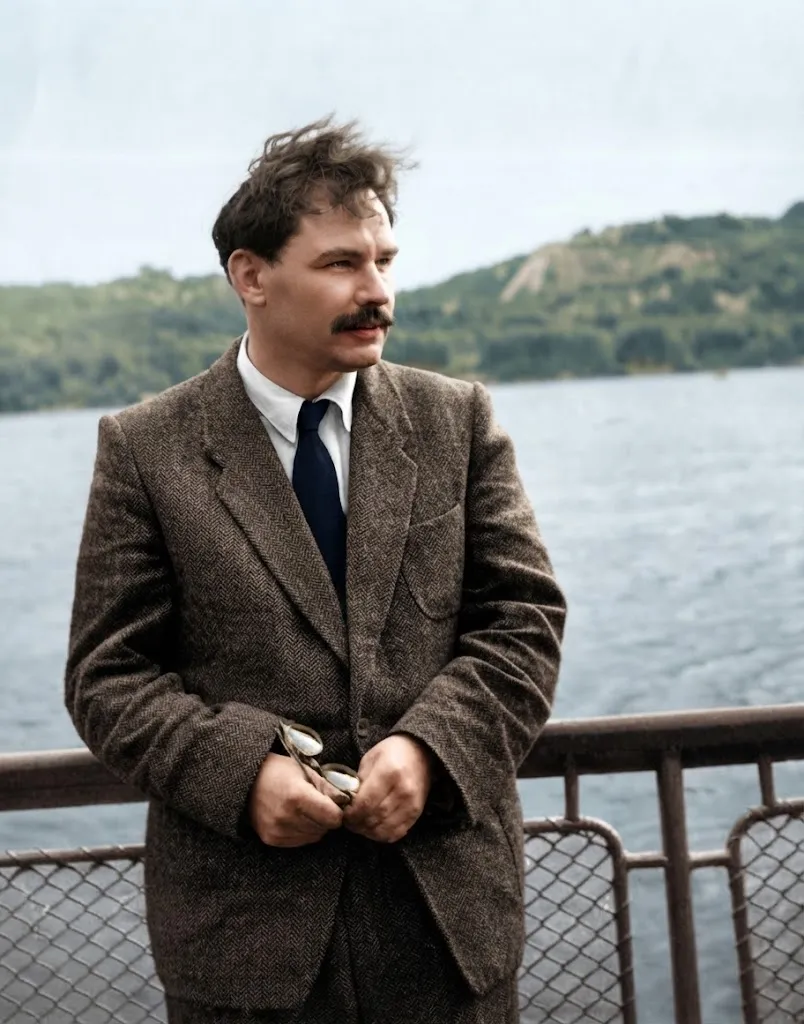
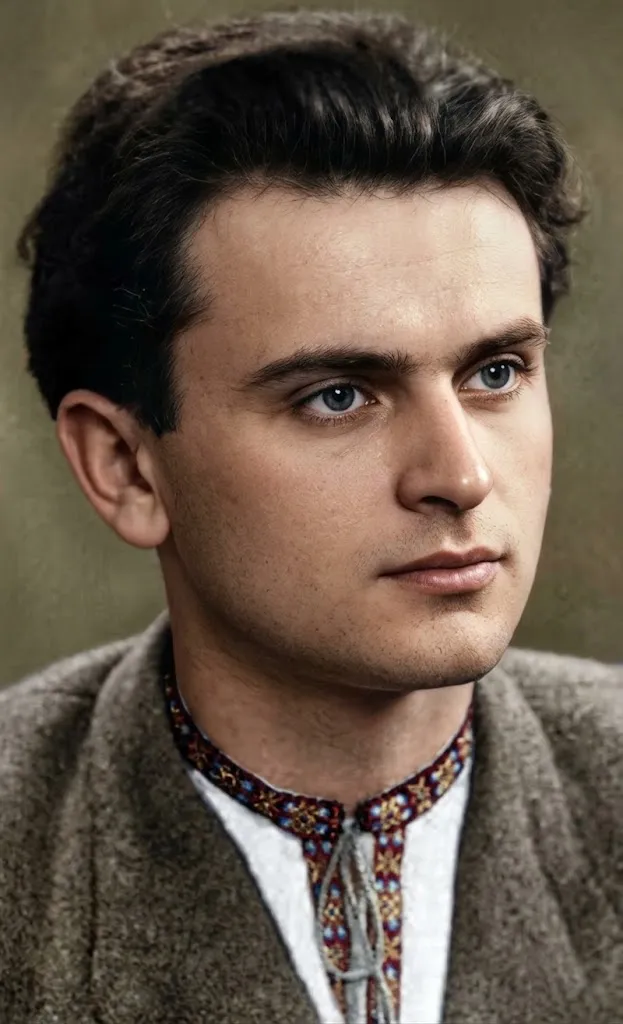
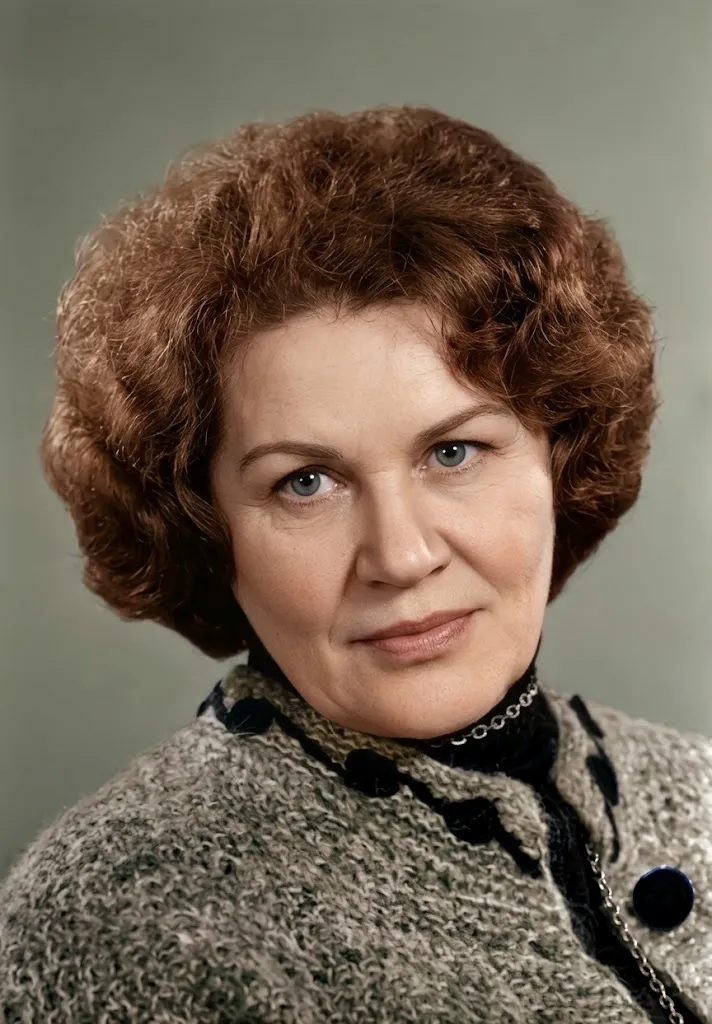
Iryna Senyk
Poet, embroiderer, rights defender
Her book brought poetry, embroidery and dress designs together. Iryna Senyk kept creating in prison camps, defended political prisoners and brought her work to readers after 34 years in captivity and exile.
Key accomplishments
- Poetry and embroidery created despite imprisonment
- Human rights appeals and Ukrainian Helsinki Group membership (1979)
- White Aster of Love, combining poems, embroidery and dress designs (1992)
- Co-founding the All-Ukrainian League of Ukrainian Women and cultural work in Boryslav
Poems that became embroidery
A book can offer more than something to read: it can provide patterns to embroider and clothes to make. Iryna Senyk’s White Aster of Love brought poems, ornaments and contemporary dress designs together. It united three forms of creativity she had sustained even in captivity.
Embroidery meant more to Senyk than decoration. In the camps, where materials were scarce, she made miniatures using a fish bone for a needle and threads pulled from her kerchief. She gave them to fellow prisoners, preserving a creative world of her own and sharing it with those around her.
A Lviv student chooses resistance
English philology might have become her profession. Born in Lviv in 1926 to Mykhailo Senyk, a Sich Rifleman, she studied at the Kokorudz sisters’ private gymnasium and later at Lviv University in 1944–1945. In 1939 she joined the youth wing of the Organization of Ukrainian Nationalists, or OUN. A full member from 1941, she worked in its propaganda network, served as a courier for the regional leadership under the name Lesia, and worked in Metropolitan Andrei Sheptytsky’s office.
She was arrested in December 1945 and sentenced the following year to ten years in camps and lifelong exile. After the camps she lived in Siberia. Despite major spinal surgery, she graduated from medical school in Novokuznetsk and worked as a nurse. In 1968 she was allowed to return to Ukraine but barred from living in Lviv. She settled in Ivano-Frankivsk.
Helping those behind bars
She used her return to help others. Working as a nurse in a tuberculosis clinic, Senyk supported political prisoners and their families, raised money and signed protests. Camp experience became a reason to act rather than withdraw from public life.
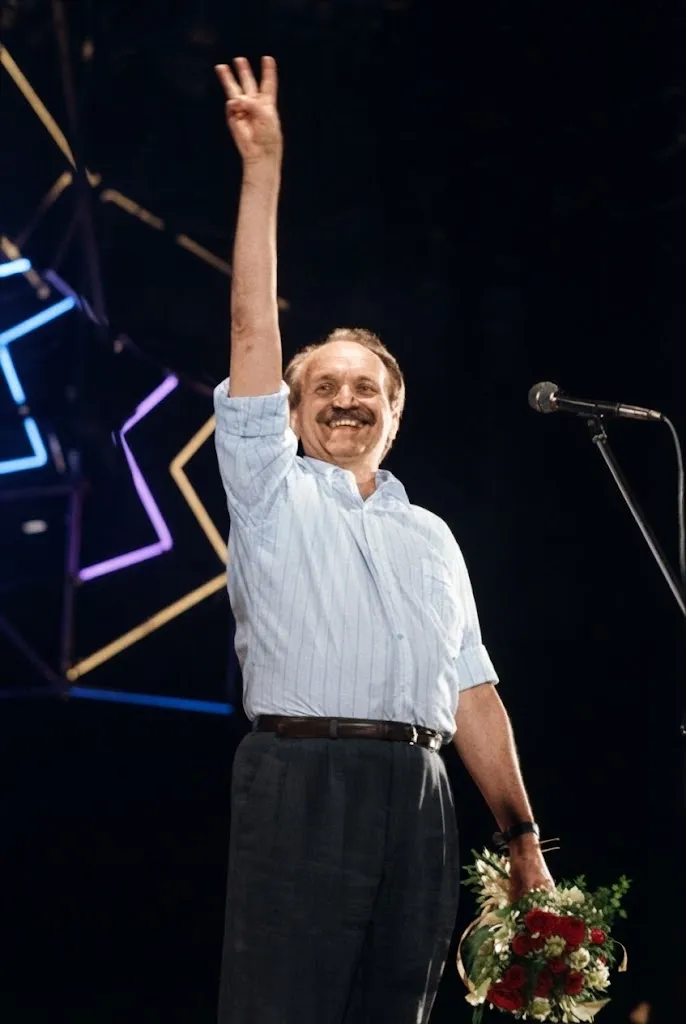
After another arrest in 1972, the authorities also turned literature against her. Evidence included underground publications and two collections of her poems seized from Viacheslav Chornovil. In 1973 a court declared the poet a “particularly dangerous repeat offender” and sentenced her to six years in camps followed by five in exile.
A voice from exile
Even under surveillance, she found ways to address the outside world. Exiled in Kazakhstan in 1979, Senyk declared her membership in the Ukrainian Helsinki Group, which defended human rights. With Oksana Meshko and Nina Strokata, she co-authored an appeal describing the persecution of Ukrainian human rights activists.
Her art also travelled beyond camp boundaries. In 1978, Nadiia Svitlychna published twelve sheets of Senyk’s patterns abroad. After completing her exile in 1983, Senyk settled in Boryslav, 101 kilometres from Lviv. Her two periods of imprisonment and exile had taken 34 years of her life.
A book reaches its readers
A folder of poems and sketches became an international publishing project. After meeting Senyk in Lviv in 1989, Christine Bolubash brought her work to Canada and proposed a book. The Ukrainian Catholic Women’s League branch at St Demetrius parish in Toronto undertook the project.
White Aster of Love appeared in Ukrainian and English in 1992. Part of the print run went to schools and libraries in Ukraine. In 2003 Senyk published her memoirs and embroidery patterns in Butterflies of Memories. In Boryslav, she chaired the local Union of Ukrainian Women branch and co-founded the All-Ukrainian League of Ukrainian Women after independence. In 1998 she was recognized as one of the world’s 100 Heroines and travelled to the ceremony in Rochester. She died on 25 October 2009.
Why it matters today
Senyk preserved Ukrainian poetry and embroidery as living arts that could be passed to others. Her support for political prisoners connected cultural work with the defence of human dignity. Books and patterns made her personal work available to readers on both sides of the Atlantic. Her life shows how creating and supporting others can also defend freedom.