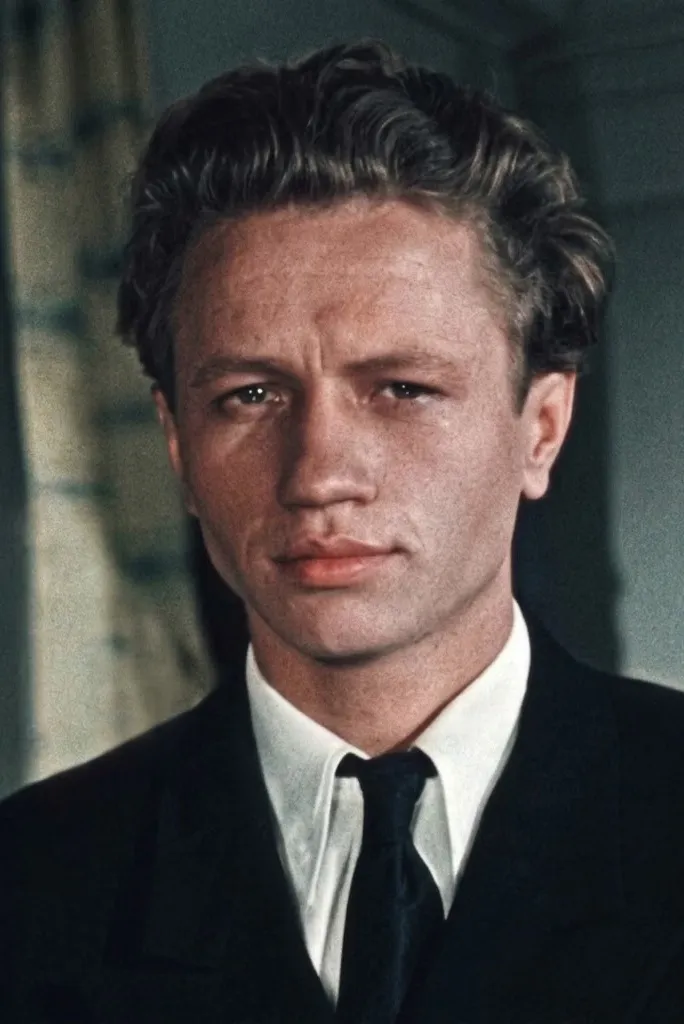
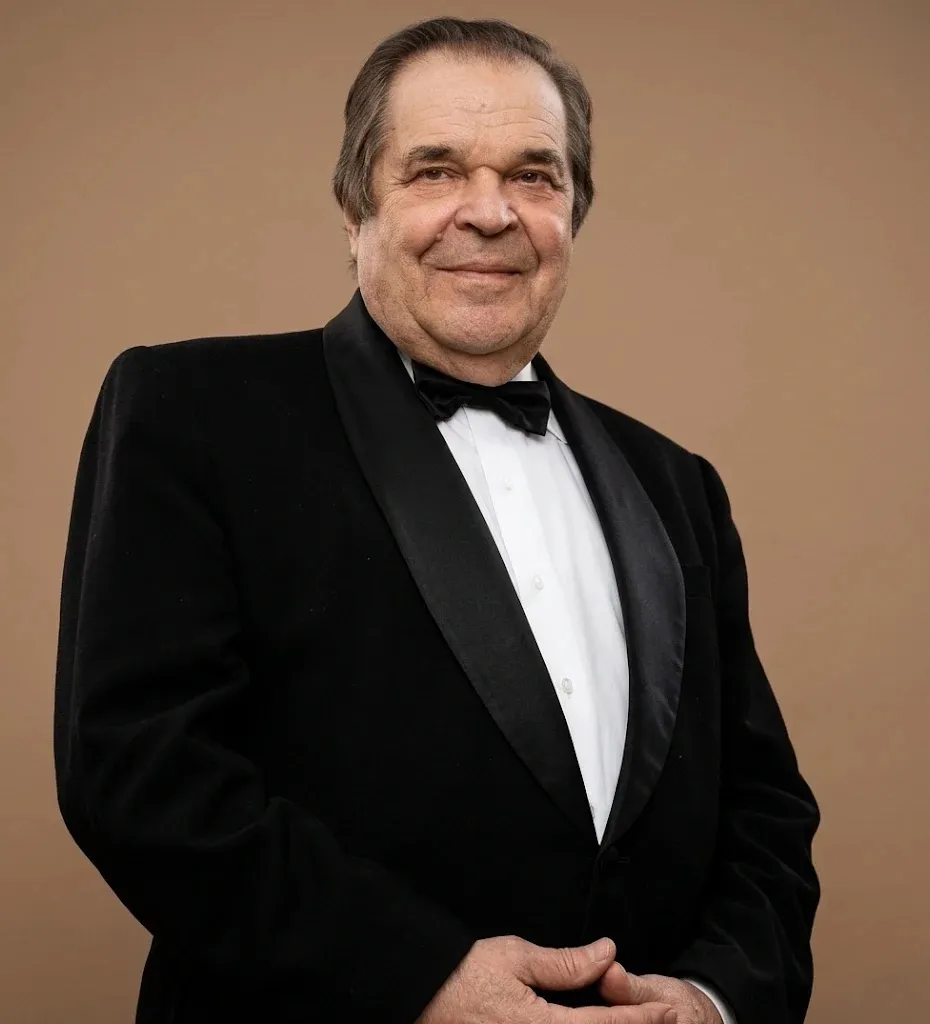
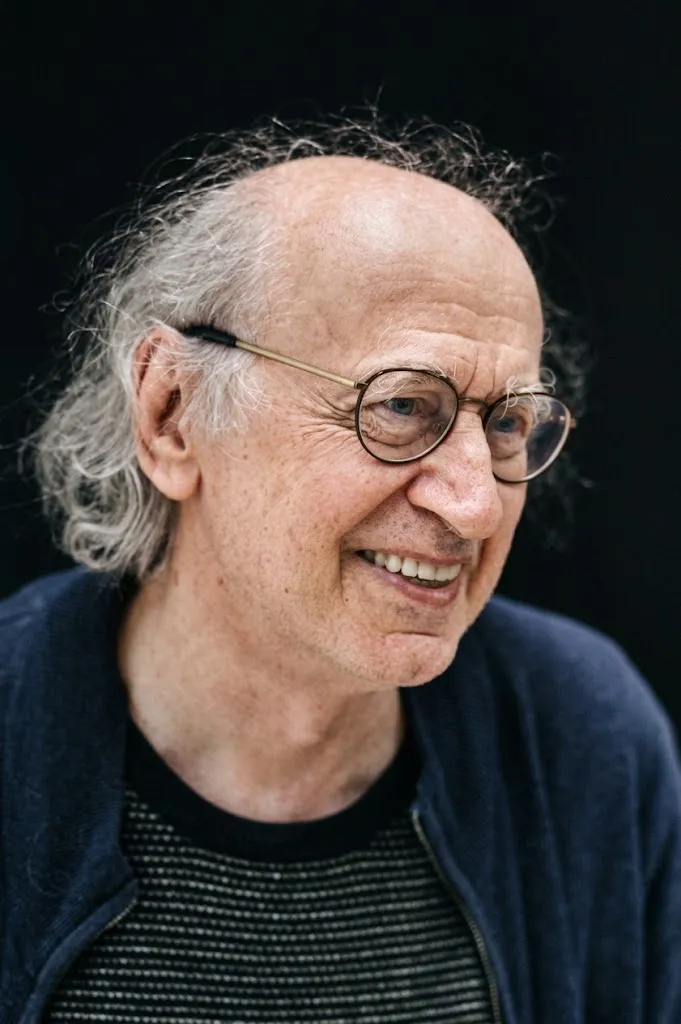
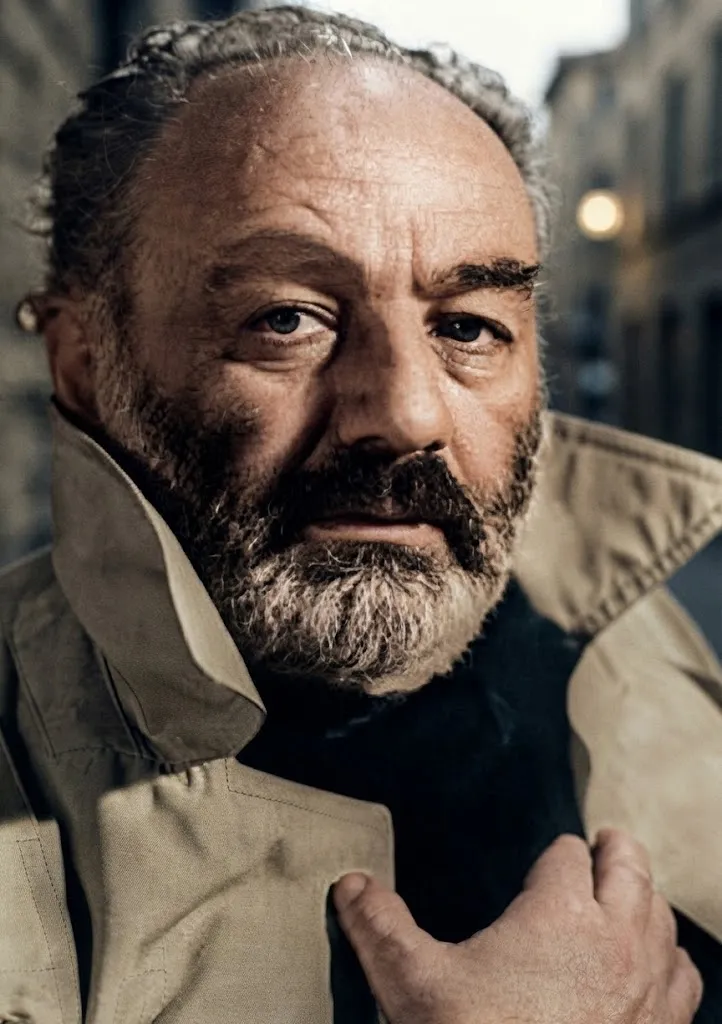
Oleksandr Bilash
Composer of Two Colours and Ash Trees
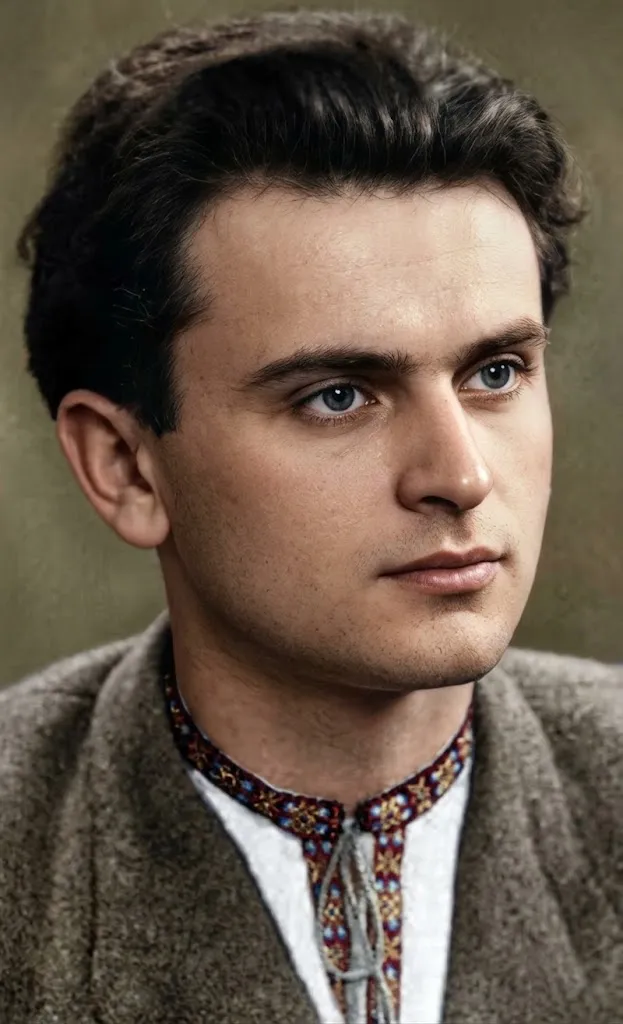
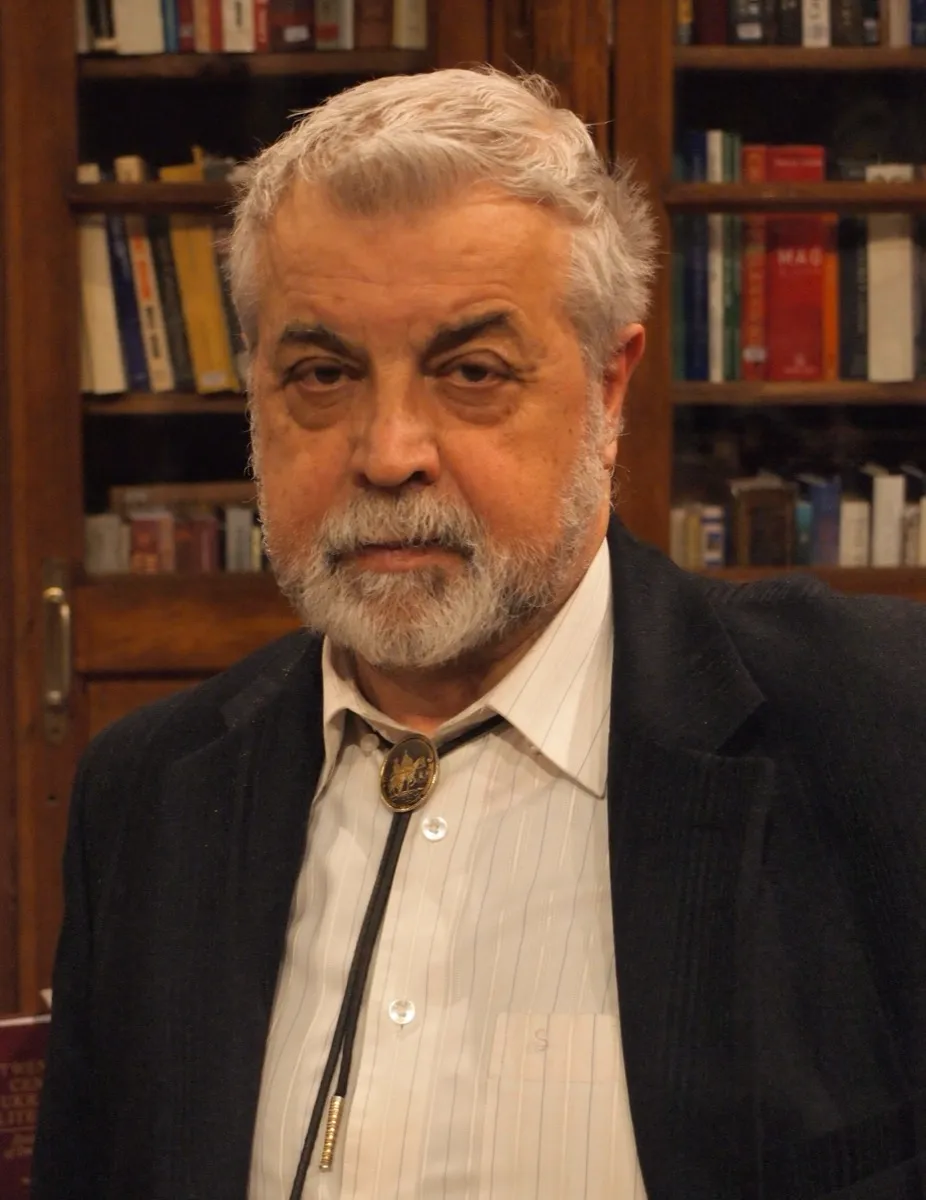
A music school turned him down for having no ear for music. Oleksandr Bilash went on to write Ash Trees and Two Colours, songs Ukrainians sing like folk songs. A composer and poet from the Poltava region, he also wrote the operas Haidamaky, after Shevchenko, and The Standard-Bearers, after Honchar.
Key accomplishments
- The songs Ash Trees (1963, lyrics by Mykhailo Tkach), Two Colours (1964, lyrics by Dmytro Pavlychko), Snow on Green Leaves and Mist Flows Down the Valley
- The operas Haidamaky (1965, after Taras Shevchenko’s poem) and The Standard-Bearers (1985, after Oles Honchar’s novel)
- The one-act opera Ballad of War to a libretto by Ivan Drach, a cantata on the Holodomor (1993), and music for nearly thirty films
- Head of the Kyiv branch of the Union of Composers of Ukraine (1976–1994)
- Ten collections of poetry; member of the National Writers’ Union of Ukraine from 2000
- Shevchenko Prize (1975), Hero of Ukraine (2001); Soviet titles and prizes, including People’s Artist of the USSR (1990)
“No ear for music”
Did you know that the man who wrote Two Colours was turned away from music school? In 1946, fifteen-year-old Oleksandr Bilash from Hradyzk in the Poltava region played a piece of his own at an entrance exam in Poltava, and was rejected for having no ear for music. The boy, who had been playing at village weddings since childhood, didn’t give up. In Kyiv he went to an evening music school for adults, where the brothers Platon and Heorhii Maiboroda taught theory and harmony, and he earned his keep working on the railway. Then came the Zhytomyr music college and, in 1957, a composer’s diploma from the Kyiv Conservatory.
The song they called “Banderite”
In 1963 Bilash and the poet Mykhailo Tkach wrote Ash Trees, and in 1964, with Dmytro Pavlychko, Two Colours. The composer’s daughter recalls that it started with a woman’s shawl, red roses on black, that the two men spotted at a Komsomol congress. The arts council first refused to pass the song, and Pavlychko was summoned by the KGB: “You’ve written a Banderite song!” The poet replied that the flag of the Paris Commune had been red and black too, and the authors were left alone.
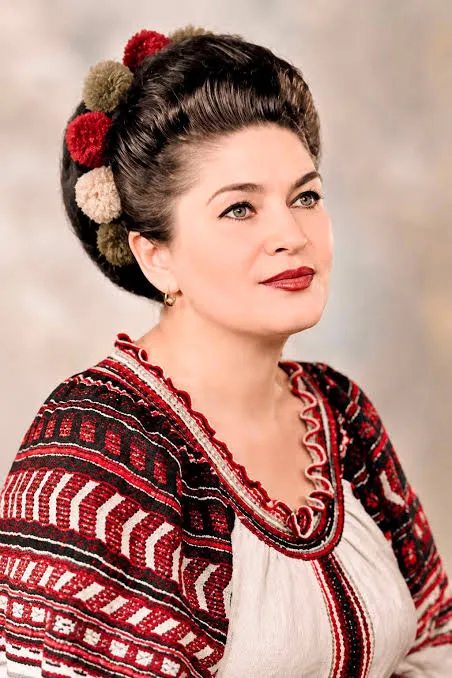
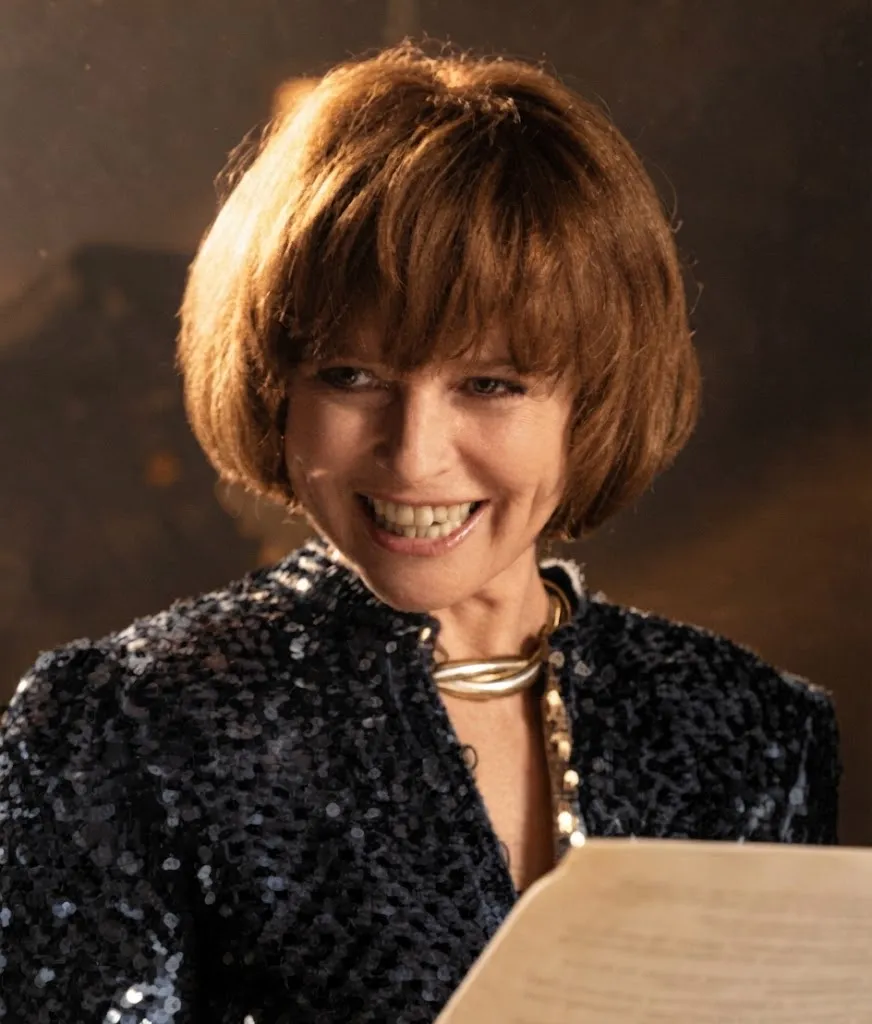
The song they tried to keep from listeners ended up sung all over Ukraine. Dmytro Hnatiuk and Raisa Kyrychenko performed it, and across the ocean Kvitka Cisyk recorded it. The first singer of many of his songs was his wife, the soprano Larysa Ostapenko.
Shevchenko on the opera stage
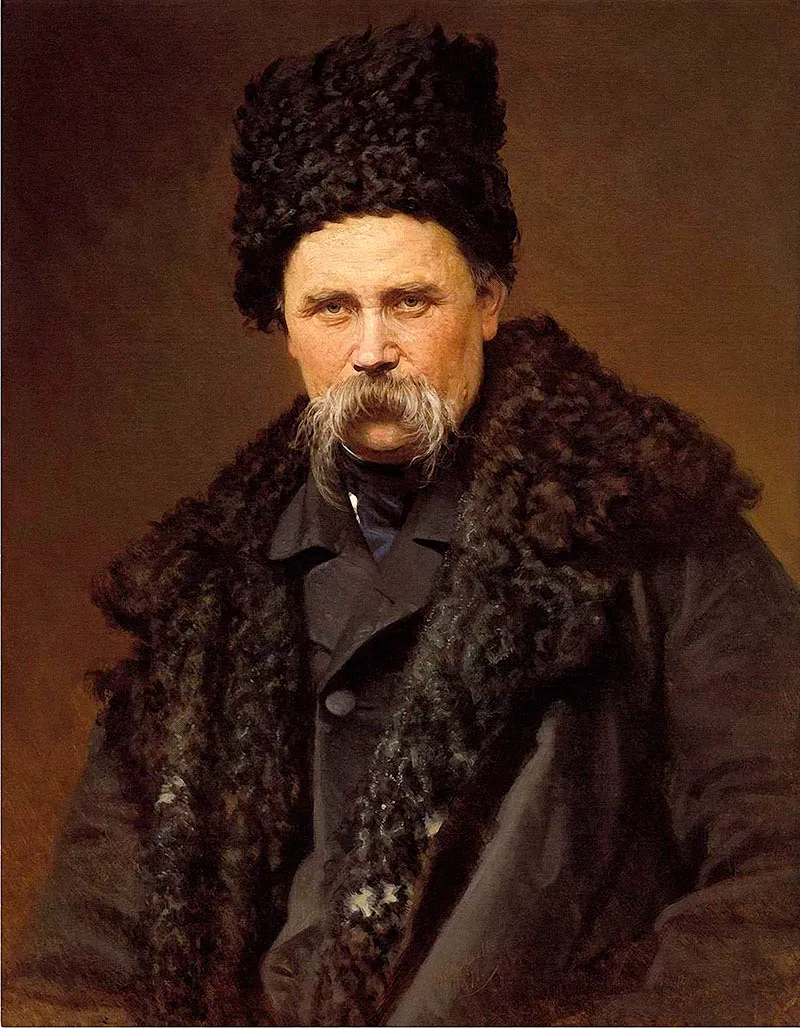
Bilash wrote far more than songs. His opera Haidamaky (1965) put Taras Shevchenko’s poem on stage, and The Standard-Bearers (1985) did the same for Oles Honchar’s novel. He wrote the one-act opera Ballad of War to a libretto by Ivan Drach, and scored nearly thirty films. In 1993, in the first years of independence, he dedicated a cantata to the Holodomor. For almost two decades, from 1976 to 1994, he led the Kyiv branch of the Union of Composers, and in 2000 he started a song festival in his home town of Hradyzk.
Bilash received the Shevchenko Prize in 1975 and became a Hero of Ukraine in 2001. He died in Kyiv on 6 May 2003.
Why it matters today
Oleksandr Bilash showed that someone else’s verdict of “no ear for music” settles nothing: the boy a music school turned away wrote songs Ukraine sings as its own. Two Colours was branded “Banderite”, but a song people were already singing could not be banned. His operas brought Shevchenko back to the stage, and his cantata spoke about the Holodomor once it could at last be spoken of aloud. Anyone who sings Ash Trees or Two Colours today carries on his work.